

4 Frequency GPS Spoofer for Authorized Lab Testing?
Field Notes on a New Class of GNSS Test Gear: 4 Frequency GPS Spoofer
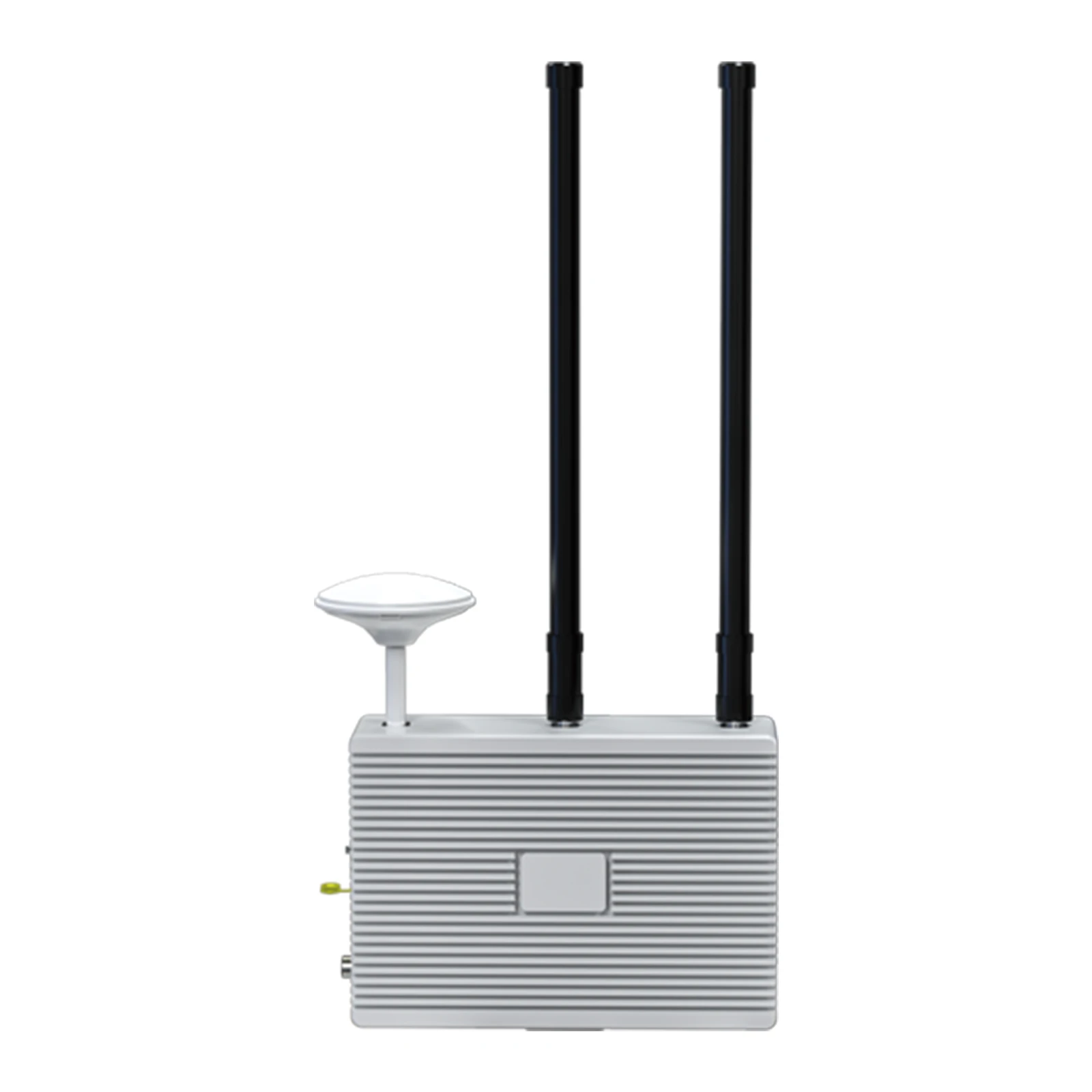
If you work in avionics, telecom timing, or counter‑UAS compliance, you’ve probably heard murmurs about multi-band spoofing rigs. The 4 Frequency GPS Spoofer coming out of Longgang District, Shenzhen is one of those “quietly everywhere” lab tools right now—used by serious teams to validate resilience, train operators, and harden systems. To be honest, the naming is blunt, but the purpose is tightly regulated: controlled, authorized testing in shielded environments. Anything else is a hard no.


Industry trend, briefly
GNSS resilience testing moved from “nice to have” to “board-level requirement.” Airports, critical infrastructure, and drone manufacturers are baking in anti-spoofing, and regulators expect proof. Multi-band, multi-constellation gear—like the 4 Frequency GPS Spoofer—lets labs simulate edge cases safely, without radiating into the wild.
Key specifications (condensed)
| GNSS bands | 4 bands: GPS L1/L2/L5 + BeiDou B1/B2 (configurable; ≈ depends on build) |
| Signal engine | Phase-coherent, multi-constellation, scenario playback with Doppler and multipath models |
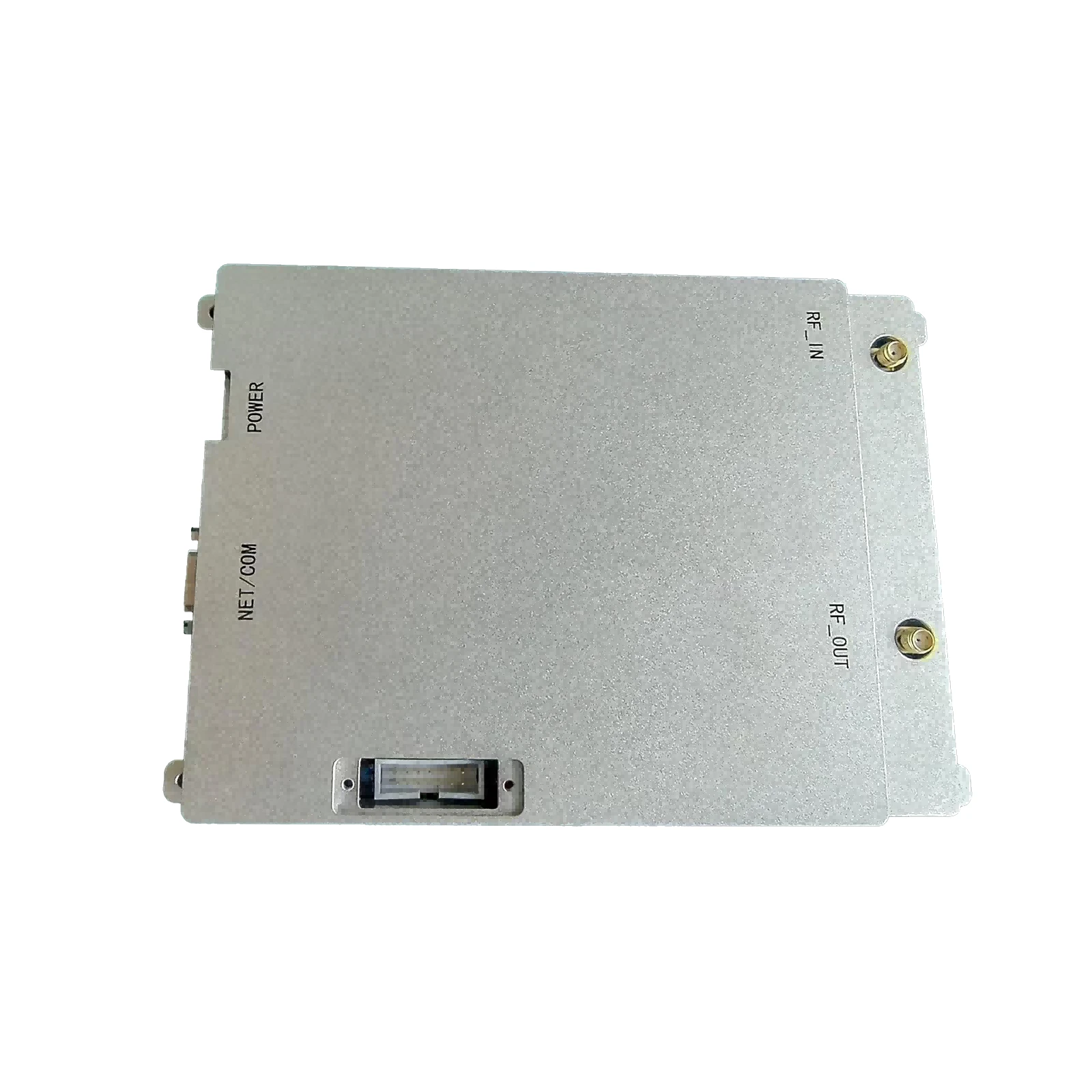
| Output & I/O | RF SMA x4 (lab-attenuated); Ethernet/USB control; REST/Web UI |
| Compliance posture | Designed for shielded-lab use; CE, RoHS; ISO 9001 facility; export may be controlled |
| Service life | ≈5 years typical; MTBF ≈50,000 h (real-world use may vary) |
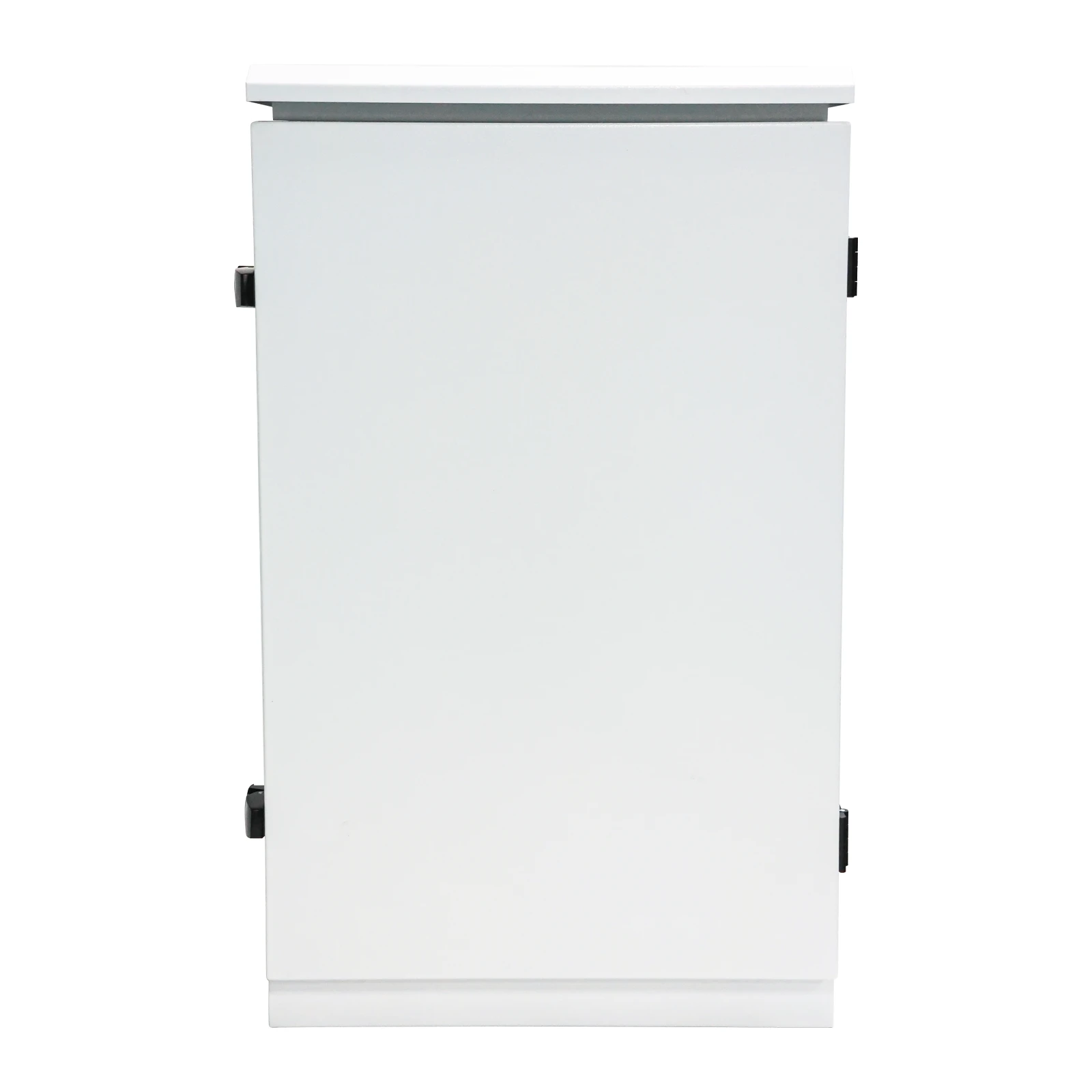
| Power/Size | 12–24 VDC, ≈60 W; 2U rack or portable chassis (options) |
Where it’s used (authorized scenarios only)
- Receiver robustness testing in ISO/IEC 17025 labs, inside RF enclosures.
- Counter‑UAS training on licensed ranges by accredited public safety teams.
- Telecom timing resilience drills for GNSS‑disciplined clocks (in chamber).
- UAV OEM R&D: validating anti‑spoofing firmware before certification.
Process flow and test methods
Materials: RF shielded box or anechoic chamber, calibrated attenuators, spectrum monitor, and signed authorization. Methods: scenario design → lab safety review → chamber setup → run → log capture → standards‑based report. Testing standards typically referenced: RTCA DO‑229 (GNSS equipment), DO‑235 (interference), ETSI EN 303 413, plus lab quality per ISO/IEC 17025. Service life is extended with annual calibration and fan/filter swaps; many customers say a light‑use unit cruises past year five.
Advantages I’ve noticed
- Four-band coherence makes cross‑band defenses measurable, not theoretical.
- Web UI is surprisingly clean; new operators pick it up in an afternoon.
- Audit logs and role permissions help with compliance sign‑offs.
Vendor snapshot (quick comparison)
| Vendor/Model | Bands | Support | Compliance stance | Price band |
|---|---|---|---|---|
| Drone‑System 4 Frequency GPS Spoofer | 4 | Shenzhen + global partners | Shielded‑lab only; CE/RoHS | Mid |
| LabSim GNSS Pro | 3–4 | EU/US hubs | EN 303 413 focus | High |
| NavTest QuadBand | 4 | APAC | Lab‑only policy | Mid‑High |
Customization, feedback, and data points
Customization usually covers band mix, enclosure (portable vs 2U), API access, and report templates. One RF engineer at a European telecom lab told me, “setup was quicker than expected; the logs saved us hours during audits.” In shielded tests, inter‑band phase alignment was ≈consistent across runs, with scenario determinism suitable for regression—details on file, per NDA.
Important compliance note: Operation is for authorized users in RF‑controlled environments. Unauthorized transmission, spoofing, or interference—especially to force drone behavior—may be illegal. Always document permits, shielding, and test boundaries.
Citations
- RTCA DO‑229F: Minimum Operational Performance Standards for GNSS Airborne Equipment.
- RTCA DO‑235D: Assessment of Radio Frequency Interference Relevant to GNSS.
- ETSI EN 303 413: Global Navigation Satellite System (GNSS) receivers; characteristics and performance.
- ISO/IEC 17025: General requirements for the competence of testing and calibration laboratories; FCC Part 15 guidance for unintentional radiators.

-
 09 March 2021 16 Apr 2026
 -
 09 March 2021 09 Apr 2026
 -
 09 March 2021 07 Apr 2026
 -
 09 March 2021 04 Apr 2026
 -
 09 March 2021 31 Mar 2026
-
 09 March 2021 21 May 2025
 -
 09 March 2021 25 Dec 2024
 -
 09 March 2021 14 Oct 2022
-
 09 March 2021 25 Dec 2024
 English
  Arabic
  Belarusian
  Danish
  Dutch
Dutch  French
  German
  Greek
Greek  Japanese
  Korean
  Myanmar
  Polish
  Portuguese
  Russian
  Spanish
  Swedish
  Thai
Thai  Ukrainian
  Vietnamese