

4 Frequency GPS Spoofer for GNSS Testing | Multi-GNSS, SDR
Field Notes on a New Contender: 4 Frequency GPS Spoofer
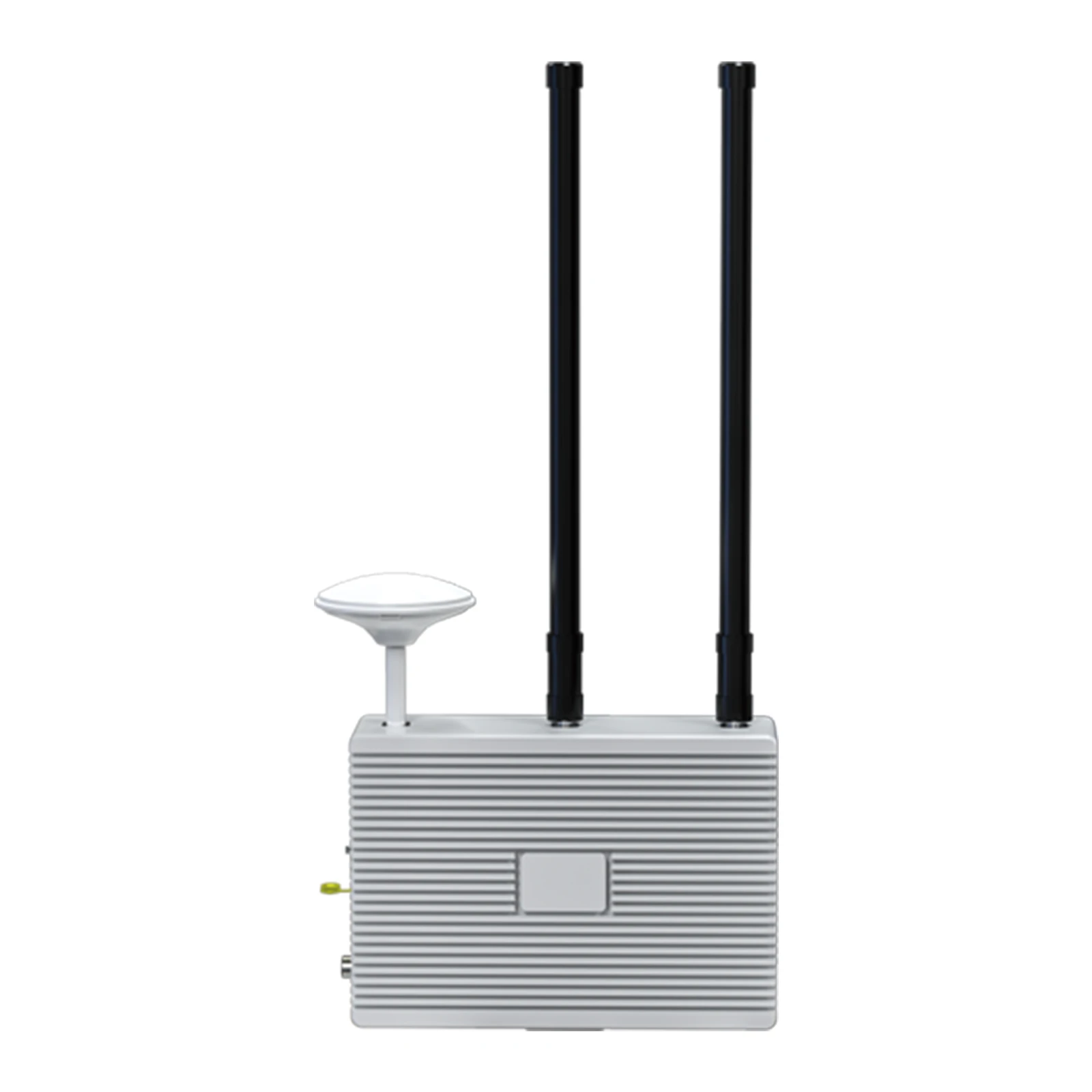
I’ve spent the past year watching counter‑UAS tech move from theoretical white papers to very practical, buttoned‑down kits. The short version: multi‑band is now the baseline, and smart signal shaping is the differentiator. From Longgang District, Shenzhen—a place that quietly ships a lot of serious RF kit—comes the 4 Frequency GPS Spoofer, aimed at controlled test ranges and authorized security operators who need precision GNSS deception without theatre.
What’s changing in the industry
Spoofers used to be lab curiosities. Now, regulators and critical‑infrastructure teams are asking for lawful, auditable tools to test resilience—especially across GPS L1/L2/L5 and BeiDou bands. The trend I keep hearing (and seeing in RFPs): multi‑constellation coherence, lower phase noise, and APIs that play nicely with enterprise logging. Also, to be honest, portability matters. No one wants a science project on a cart anymore.
Technical snapshot
| GNSS Bands | GPS L1/L2/L5; BeiDou B1/B2/B3 (GLONASS/Galileo optional) |
| Channels | ≈12–36 per band (real‑world use may vary) |
| Spoofing Modes | Static hold, route deception, geofence overlay, replay/meaconing |
| Output Control | 0 to +23 dBm at RF port (adjustable); EIRP per regional limits |
| Baseband Latency | <10 ms typical |
| Power | 12–24 VDC, <90 W |
| Form Factor | Rugged half‑rack; ≈260×180×60 mm; <3.2 kg |
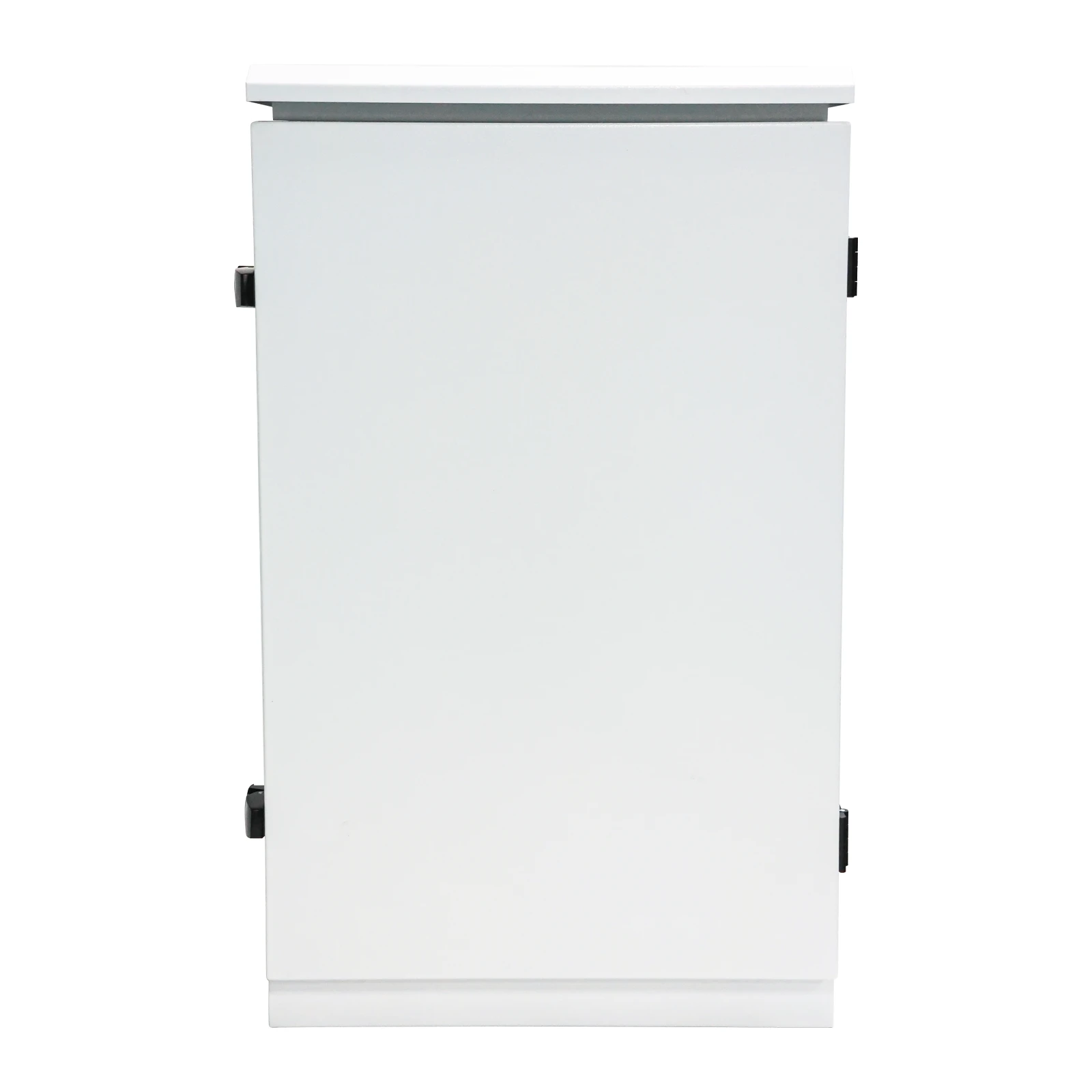
| Operating Range | −10°C to +55°C; IP54 enclosure |
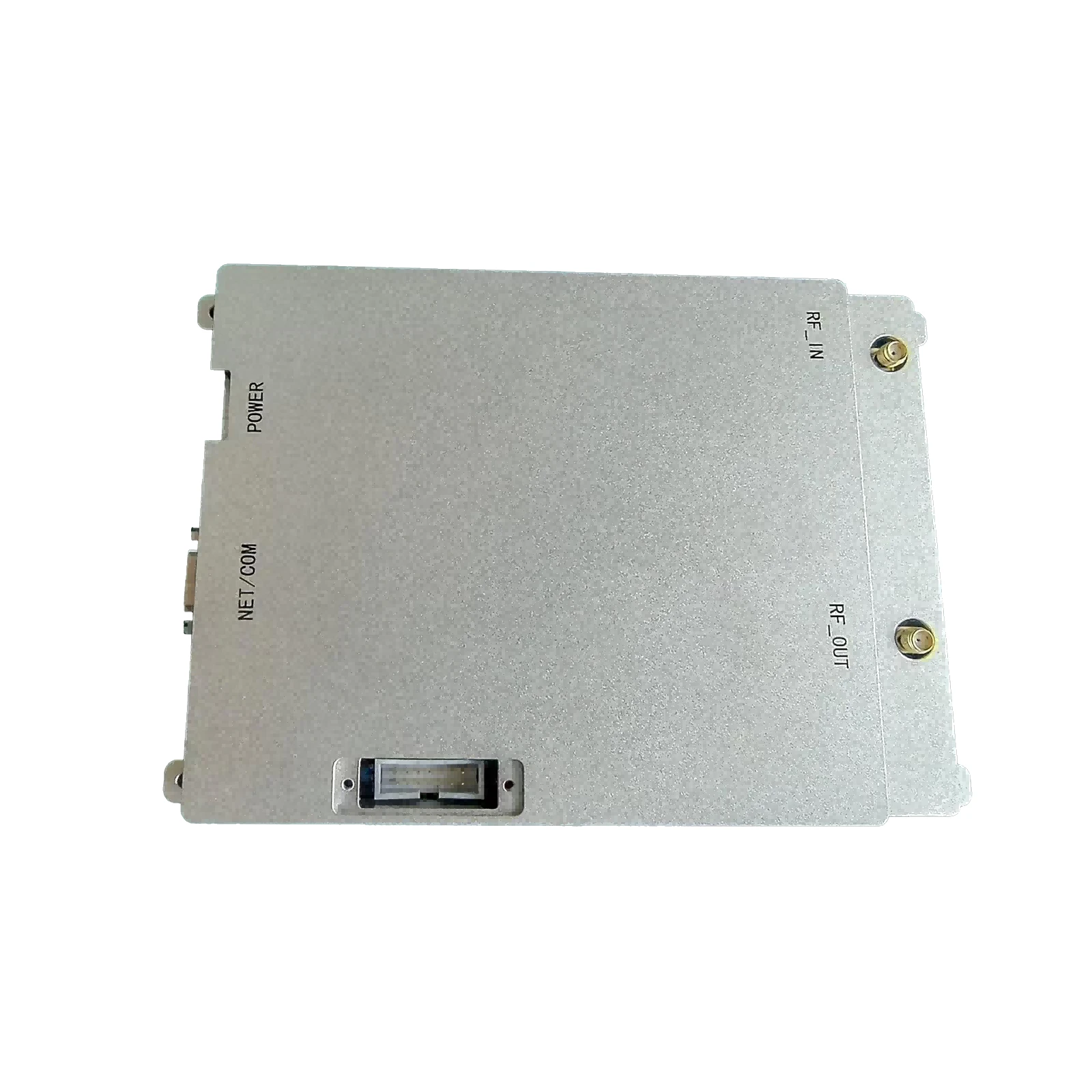
| Interfaces | SMA RF, RJ45 (REST API), USB‑C; onboard logging |
| Certifications | ISO 9001 factory; CE/FCC/ROHS; SRRC (CN) where applicable |
Where it’s used (lawfully)
Authorized test ranges, airport resiliency drills, energy/telecom sites, university GNSS labs, and defense training grounds. It’s designed for compliance‑bound operators—every session can be logged for audit. In fact, many customers say the logging alone won over their legal team.
Process flow: from build to field
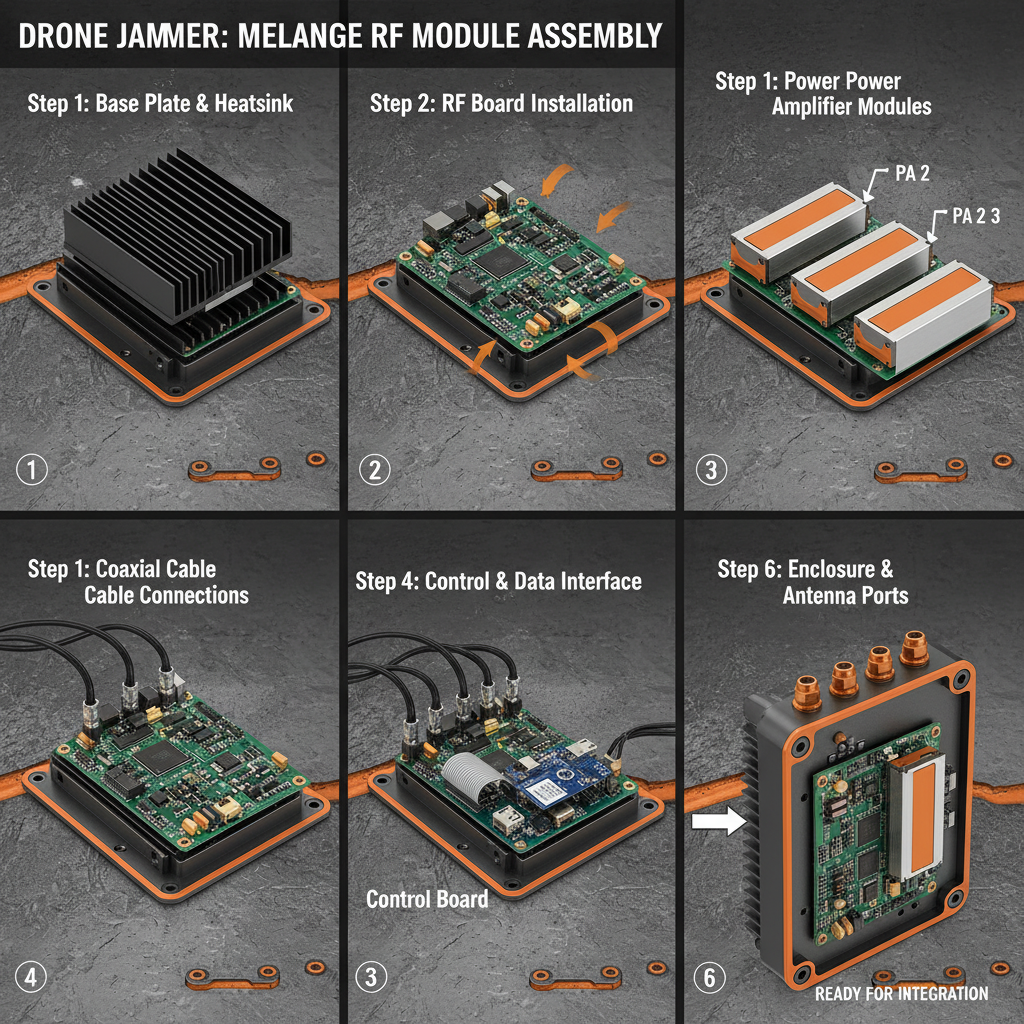
Materials: 6061‑T6 aluminum chassis, RF‑tight gasketing, low‑PN TCXO/OCXO, mil‑spec connectors. Methods: multi‑layer RF shielding, conformal‑coated PCBs, firmware‑signed updates. Testing: EMI/EMC to MIL‑STD‑461G/ETSI EN 301 489; environmental checks per MIL‑STD‑810H (selected methods); GNSS conformance against GPS SPS profiles and BeiDou ICDs. Service life: ≈5–7 years with annual calibration. Industries: aviation security, maritime ports, critical infrastructure, research labs.
Vendor landscape (quick compare)
| Feature | This 4‑Band Unit | Vendor X (Lab‑only) | Vendor Y (2‑Band) |
|---|---|---|---|
| Bands | 4 GNSS bands | Up to 3 | 2 |
| Portability | Field‑ready, IP54 | Bench/rack only | Mobile, but limited bands |
| API/Logging | REST + full audit logs | Proprietary SDK | Minimal |
| Compliance Docs | CE/FCC/ROHS pack | CE only | Basic |
| Price Range | Mid (≈) | High | Lower |
Customization
Profiles for regional spectra, antenna options, API hooks for SIEM/SOC, user roles, and scripted scenarios. I guess the sleeper feature is the geofence overlay—you can simulate “soft walls” without over‑powering legitimate sky signals (within licensed, authorized test areas).
Case notes (anonymized)
Energy utility lab: validated GNSS fallback logic on inspection drones; reported spoof‑lock acquisition in ≈3–8 s under low‑power settings.
Coastal port authority: ran quarterly resilience drills; audit logs tied to incident reports simplified regulator briefings. Feedback was “surprisingly straightforward to operate—once legal cleared the playbook.”
Legal note: GNSS spoofing is regulated. Operate the 4 Frequency GPS Spoofer only where expressly authorized, following local spectrum and safety laws. This overview is informational, not operational guidance.
Citations
- GPS Standard Positioning Service Performance Standard, 5th Ed., GPS.gov
- RTCA DO‑235D: Assessment of Radio Frequency Interference Relevant to GNSS
- ITU‑R M.1903: Characteristics and protection criteria for receive‑only GNSS
- ETSI EN 301 489 (EMC for radio equipment) and MIL‑STD‑461G (EMI/EMC)

-
 09 March 2021 16 Apr 2026
 -
 09 March 2021 09 Apr 2026
 -
 09 March 2021 07 Apr 2026
 -
 09 March 2021 04 Apr 2026
 -
 09 March 2021 31 Mar 2026
-
 09 March 2021 21 May 2025
 -
 09 March 2021 25 Dec 2024
 -
 09 March 2021 14 Oct 2022
-
 09 March 2021 25 Dec 2024
 English
  Arabic
  Belarusian
  Danish
  Dutch
Dutch  French
  German
  Greek
Greek  Japanese
  Korean
  Myanmar
  Polish
  Portuguese
  Russian
  Spanish
  Swedish
  Thai
Thai  Ukrainian
  Vietnamese