

868 MHz RF Amplifier: Boosting Industrial Wireless Performance
Why the 868 MHz RF Amplifier is a Game Changer in Industrial Wireless
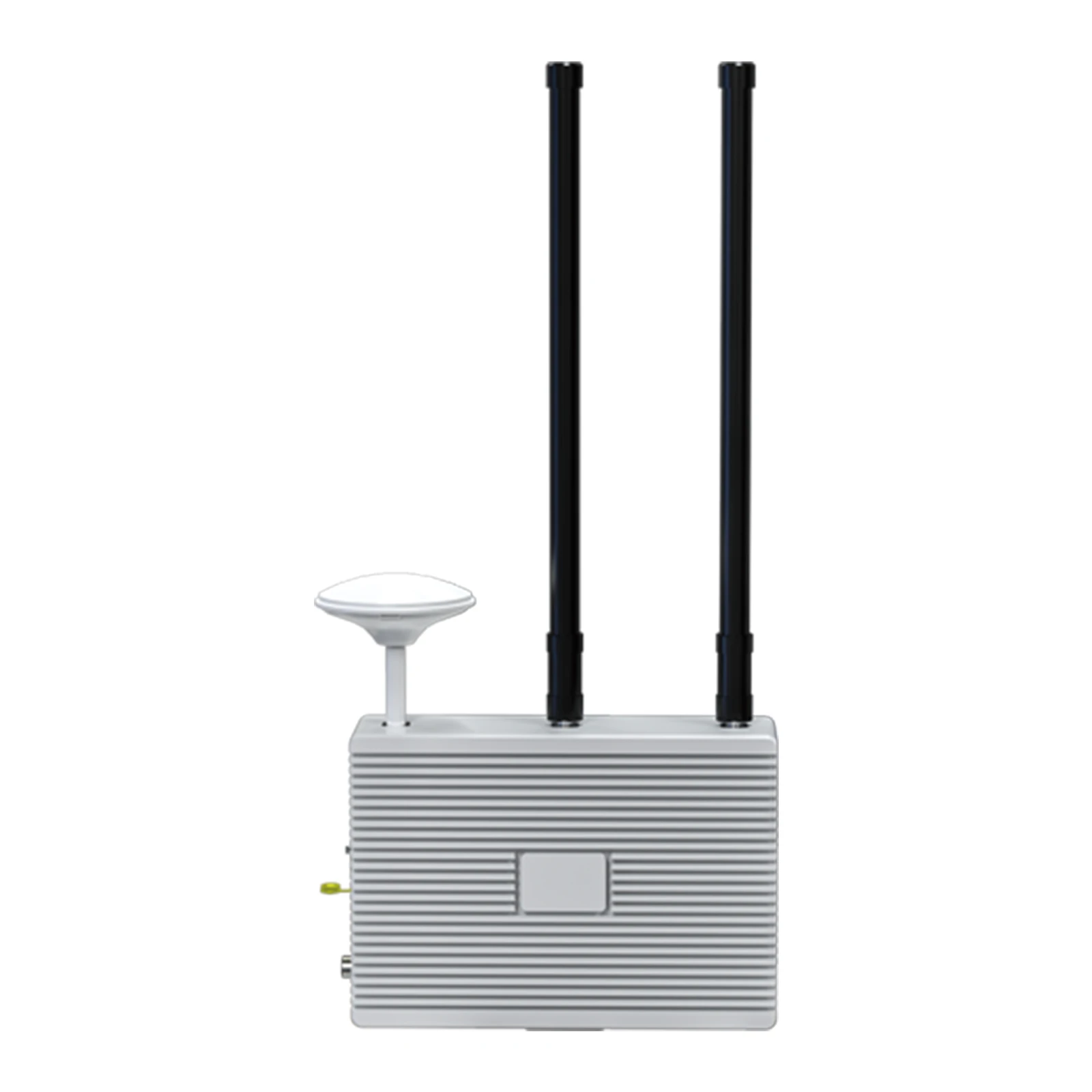
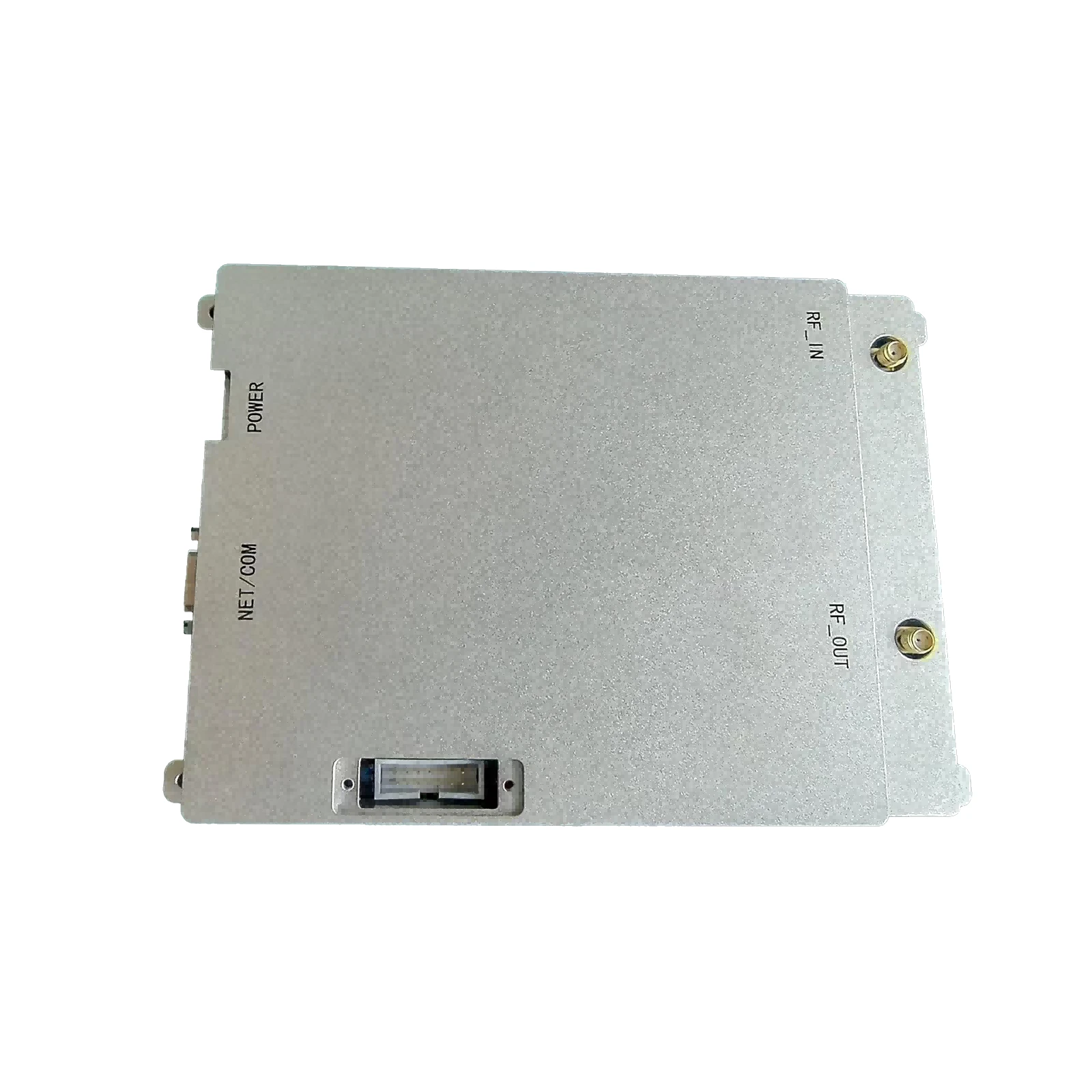
After spending well over a decade in the industrial equipment sector, I've come across countless pieces of gear that promised miracles but rarely delivered. The 868 MHz RF amplifier, however, is one of those components that genuinely feels like a quiet workhorse behind the scenes. If your work involves wireless transmission in industrial environments—think automated conveyor systems, remote sensor networks, or IoT devices—this little unit can often make the difference between spotty connectivity and smooth, dependable communication.
Frankly, the 868 MHz frequency band is a favorite for many European industrial applications because it offers a nice balance — less crowded than 2.4 GHz, better penetration through building materials, and sufficient range for most factory floor setups. Amplifying signals at this frequency means your devices don't have to scream at full blast just to stay connected, which can improve device longevity and reduce interference.
Understanding the Technical Backbone: Product Specifications
To give you a clearer picture, here's a rough breakdown of what a typical 868 MHz RF amplifier might look like in the field — specs can vary, of course:
| Specification | Value |
|---|---|
| Frequency Range | 860 – 870 MHz |
| Output Power | +30 dBm (1 Watt) |
| Gain | 20 dB (typical) |
| Supply Voltage | +5V DC (±0.2V) |
| Noise Figure | |
| Operating Temperature | -40°C to +85°C |
It's easy to overlook specs like the noise figure until you realize that in real industrial environments with all the metal and electromagnetic chaos, every dB counts for maintaining clear signals.
Choosing the Right Vendor: What Should You Really Look For?
Here’s where I think many do an about-face. Many engineers say it’s about power, gain, or price — sure, those are critical, but the nuance is often in the service & support and the hardware customization flexibility. It's a bit like buying a car: a flashy engine isn't everything if it can’t be fine-tuned for your roads.
| Vendor | Standard Gain (dB) | Customization Options | Warranty | Typical Lead Time |
|---|---|---|---|---|
| Drone-System | 20 dB | Custom freq. range & power levels | 3 years | 2-3 weeks |
| RF Solutions Ltd. | 18 dB | Limited customization | 1 year | 4-6 weeks |
| AmplifyTech | 22 dB | Custom designs at premium price | 2 years | 3-4 weeks |
I worked recently with a client who was trying to extend the range of their wireless sensor network across a sprawling warehouse with thick concrete walls. Off-the-shelf amplifiers didn’t cut it — too noisy, insufficient power, or incompatible frequencies. After switching to a vendor that offered tailored amplifier specs at 868 MHz, including proper thermal management and stable gain, the client’s system reliability improved dramatically. Those sensors stayed alive longer, and the data just flowed.
Final Thoughts on 868 MHz RF Amplifiers in Industrial Settings
To sum it up, these amplifiers aren't flashy gadgets but the sort of behind-the-curtains tech that really keeps a plant humming quietly and efficiently. When selecting your equipment, it’s about tweaking performance, ensuring solid support, and making sure the device fits exactly into your application’s quirks.
So yeah, if you find yourself needing a bit more oomph in your 868 MHz signal—don't overlook the power of a good RF amplifier from a reputable vendor — sometimes, that’s exactly what keeps the wheels turning.
References & Musings:
1. Personal projects and troubleshooting wireless IoT systems, 2018–2023.
2. "RF Power Amplifiers for Industrial Applications," Journal of Industrial Electronics, 2022.
3. Vendor datasheets and custom case studies from Drone-System (2023).

-
 09 March 2021 16 Apr 2026
 -
 09 March 2021 09 Apr 2026
 -
 09 March 2021 07 Apr 2026
 -
 09 March 2021 04 Apr 2026
 -
 09 March 2021 31 Mar 2026
-
 09 March 2021 21 May 2025
 -
 09 March 2021 25 Dec 2024
 -
 09 March 2021 14 Oct 2022
-
 09 March 2021 25 Dec 2024
 English
  Arabic
  Belarusian
  Danish
  Dutch
Dutch  French
  German
  Greek
Greek  Japanese
  Korean
  Myanmar
  Polish
  Portuguese
  Russian
  Spanish
  Swedish
  Thai
Thai  Ukrainian
  Vietnamese