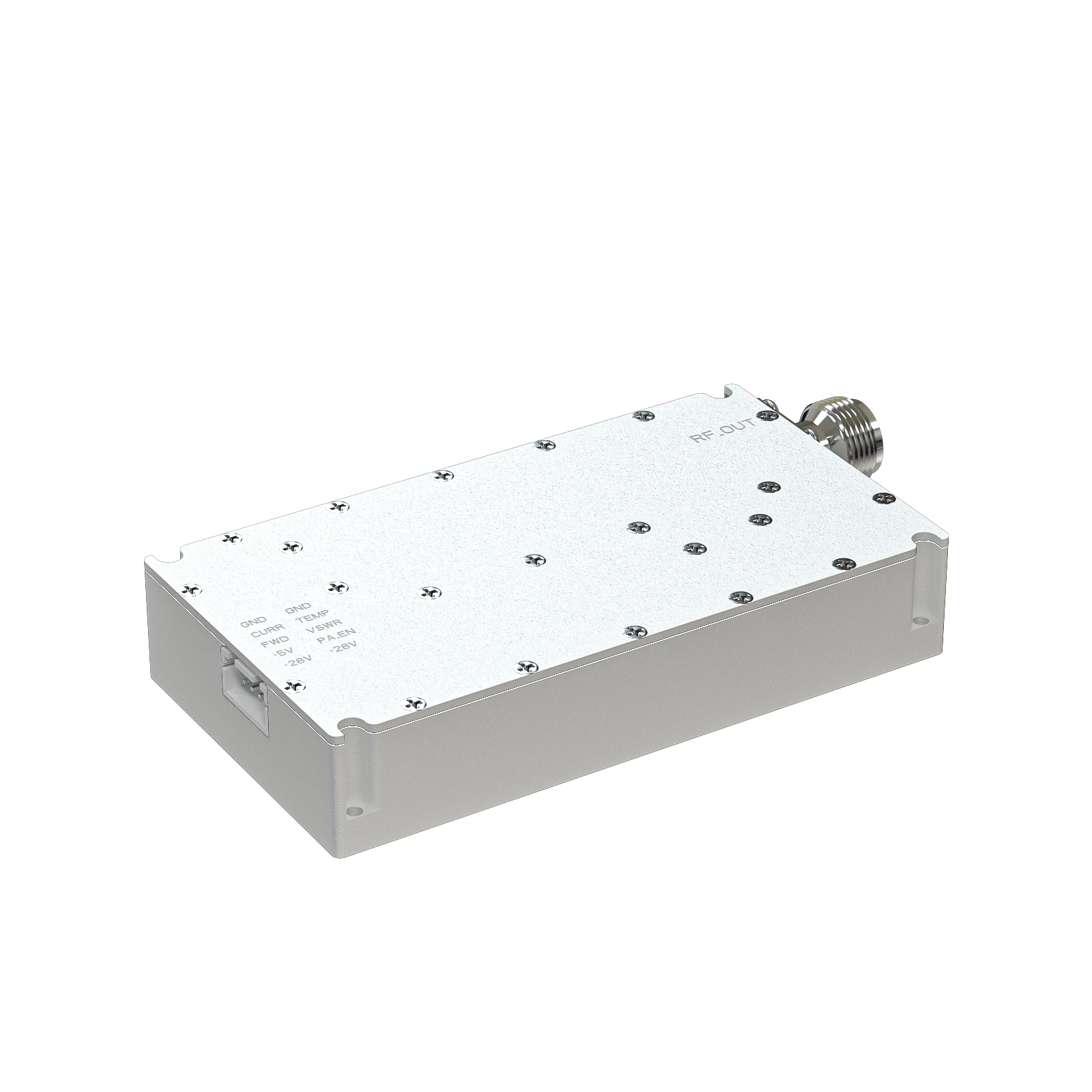
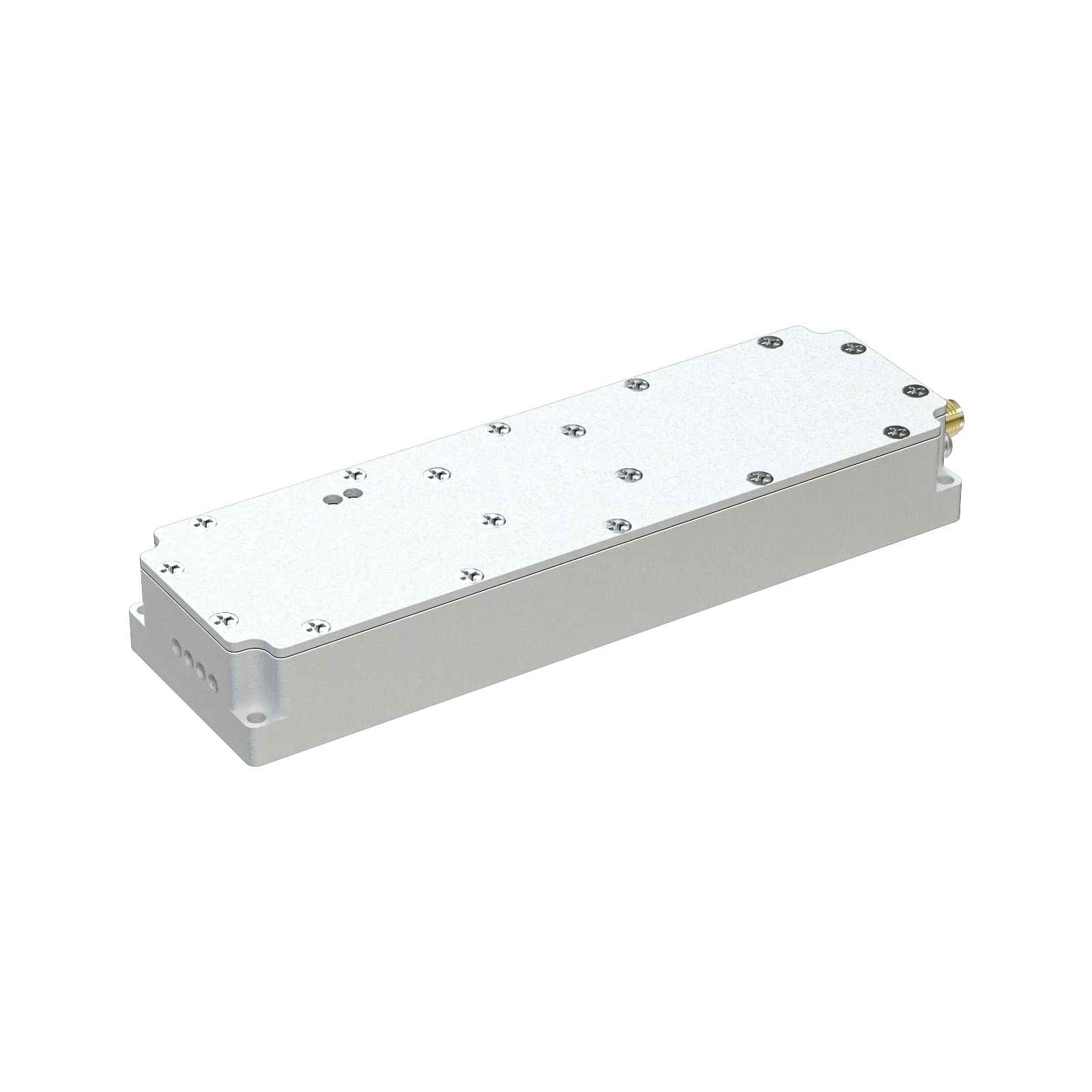
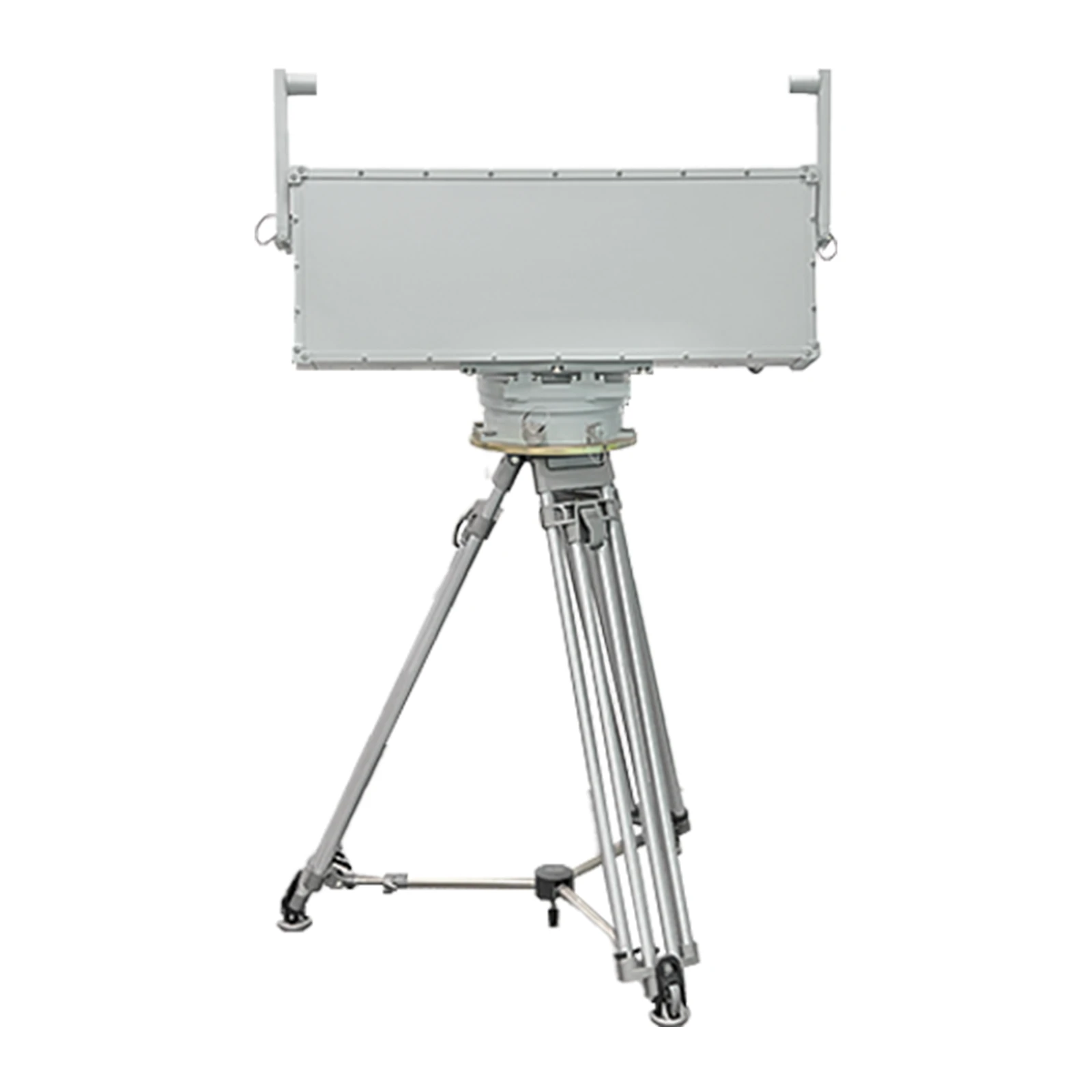
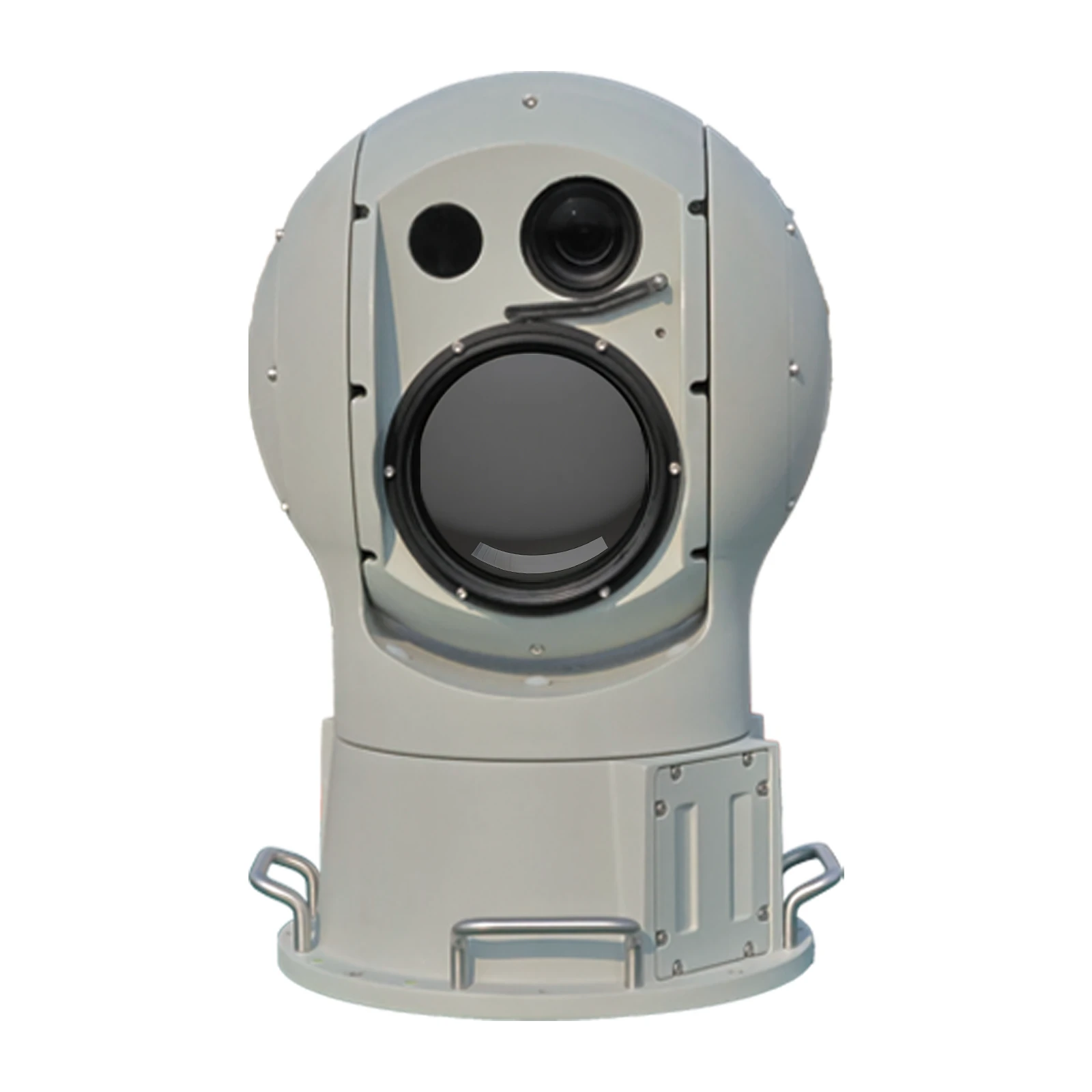
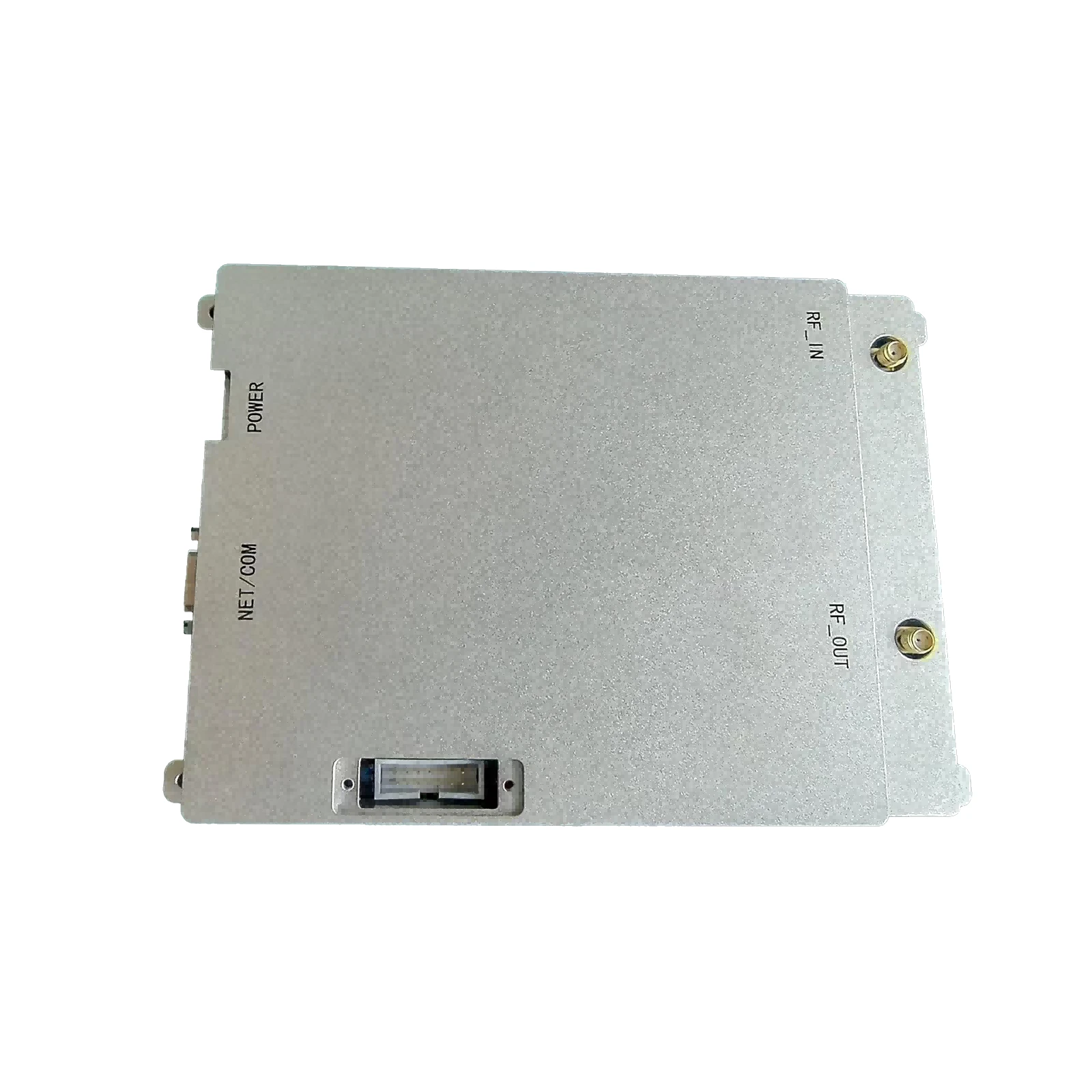
Advanced Wireless Connectivity Solutions with cyrf6936 module in Mongolia

Empowering Mongolia's vast landscapes with high-performance RF communication and industrial-grade cellular integration for remote connectivity.

Advanced Wireless Connectivity Solutions with cyrf6936 module in Mongolia

Integrating cutting-edge RF technologies to bridge the communication gap across Mongolia's diverse terrains, from Ulaanbaatar to the remote steppes.

RF Communication Landscape in Mongolia

Addressing connectivity challenges in one of the world's most sparsely populated regions.

Mongolia's unique geography, characterized by vast grasslands and extreme temperature fluctuations, poses significant challenges for wireless transmission. The reliance on a cellular transceiver module is critical for bridging the gap between nomadic settlements and urban centers, where traditional wired infrastructure is economically unfeasible.

In the mining and livestock sectors, the demand for low-power, long-range data transmission has grown. Engineers frequently employ an oem rf module to create custom monitoring systems that can withstand the harsh Mongolian winter while maintaining signal integrity over several kilometers.

Currently, the market is shifting from basic voice communication to integrated IoT frameworks. The adoption of the cc1120 module allows for flexible frequency tuning, which is essential for complying with local regulatory standards while avoiding interference in the crowded industrial bands.
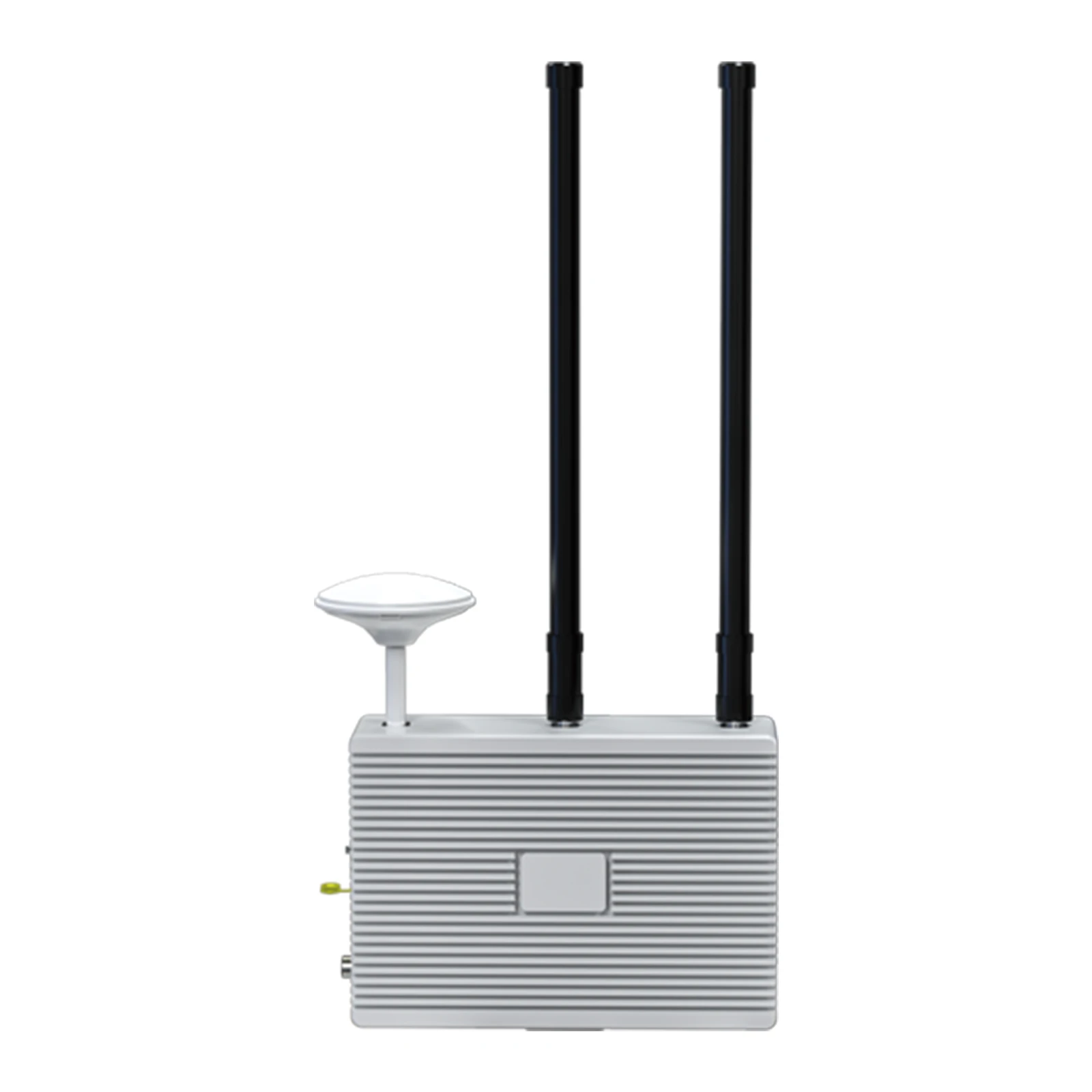
Evolution of Wireless Transmission in Asia - Mongolia

From analogue radio to sophisticated digital RF ecosystems.

Market Development History

In the early 2000s, Mongolian wireless communication relied heavily on basic VHF/UHF analogue systems for livestock tracking and government administration. These systems lacked encryption and were prone to significant atmospheric noise.

Around 2010-2015, the transition to digital RF began. The introduction of the diy rf module culture among local technical universities sparked a wave of innovation, leading to the development of localized remote-control systems for agricultural automation.

From 2018 to the present, the industry has entered the era of high-integration. The shift toward specialized oem rf module solutions has enabled Mongolian enterprises to deploy scalable IoT networks for environmental monitoring and smart city initiatives in Ulaanbaatar.

Future Development Trends

Hybrid Long-Range Mesh Networks

The trend is moving toward combining sub-GHz RF with satellite backhaul to ensure 100% coverage across the Gobi Desert.

Ultra-Low Power Consumption

Future iterations of the cyrf6936 module will focus on energy harvesting to power remote sensors for years without battery replacement.

AI-Driven Frequency Hopping

Implementing cognitive radio techniques to automatically switch frequencies based on real-time interference analysis in mining zones.

Future Outlook of RF Manufacturing

Strategic directions for the next 5 years in wireless communication.

LPWAN Dominance
Low Power Wide Area Networks will replace short-range systems for regional livestock monitoring.
Edge Computing RF
Processing RF data locally at the module level to reduce cellular bandwidth usage.
Software Defined Radio
Increasing flexibility through SDR to adapt to evolving Mongolia telecom laws.
Industrial Ruggedization
Advanced sealing and thermal management for devices operating at -40°C.

Industry Outlook

Based on Google search trends for "IoT in Asia" and "Remote Monitoring", there is a significant uptick in demand for hybrid RF systems. Mongolia is poised to leapfrog traditional infrastructure by integrating high-performance modules directly into autonomous mining equipment.

The synergy between cellular transceiver module capabilities and proprietary sub-GHz protocols will define the next decade of Mongolian industrialization, ensuring seamless data flow from the remotest outpost to the central cloud.

Localized Application Scenarios in Mongolia

Practical implementations of RF technology in the Mongolian environment.

1. Nomadic Livestock Tracking

Using the cyrf6936 module to create low-power collars for livestock, enabling herders to locate animals across vast plains without relying on expensive cellular plans.

2. Open-Pit Mining Telemetry

Deploying an oem rf module for real-time slope stability monitoring and equipment telemetry in the Oyu Tolgoi mining region.

3. Remote Weather Station Grids

Integrating the cc1120 module for regional climate data collection, ensuring data is transmitted over long distances through sparse relay nodes.

4. Border Security Surveillance

Implementing custom RF triggers and a cellular transceiver module to alert authorities of perimeter breaches in remote border zones.

5. Agricultural Automation Prototypes

Utilizing a diy rf module for automated irrigation control in newly developed greenhouse projects around Ulaanbaatar.

Brand Story

Global Development Journey of Shenzhen Jiajinh Communication Co., Ltd.

The Foundation of Excellence

Founded with a vision to democratize RF technology, we started by solving fundamental signal stability issues for industrial clients.

Global Expansion Phase

Expanding our reach into the Asian market, we adapted our modules to meet the extreme climatic requirements of regions like Mongolia.

R&D Breakthroughs

Invested heavily in low-power transceiver architectures, leading to the creation of our high-efficiency OEM RF series.

Strategic Partnership Era

Collaborated with global IoT leaders to integrate our RF hardware into large-scale smart city infrastructures.

Future Vision 2030

Committed to solving the "last mile" of connectivity in the world's most challenging environments through innovation.

Comprehensive RF Product Portfolio for Mongolia

Precision-engineered modules designed for reliability in extreme Asian environments.

Wireless Communication FAQs for Mongolia

Expert answers to common technical queries in the RF industry.

How does the cc1120 module perform in sub-zero Mongolian temperatures?

Our modules are tested for industrial temperature ranges. When used in Mongolia, we recommend pairing the CC1120 with thermal insulation or heating elements for stability below -30°C.

Can a cellular transceiver module provide reliable coverage in the Gobi Desert?

Yes, when paired with high-gain external antennas and routed through local carriers' LTE-M or NB-IoT bands, our cellular modules offer excellent remote connectivity.

What is the difference between a diy rf module and an oem rf module for industrial use?

DIY modules are great for prototyping, while OEM modules feature professional shielding, certified circuitry, and rigorous QA for deployment in critical mining or energy infrastructure.

Is the cyrf6936 module compatible with existing Mongolian RF networks?

The CYRF6936 is highly flexible and supports multiple frequency bands, making it compatible with most local industrial and commercial RF standards after proper configuration.

How to optimize the range of an oem rf module in open steppes?

Range can be optimized by using specialized omnidirectional antennas and implementing a mesh relay system to jump the signal across the flat Mongolian landscape.

Which frequency is best for a cellular transceiver module in Asia - Mongolia?

Depending on the region, B1, B3, and B20 are common. We recommend checking with local Mongolian providers to ensure the module's bands align with the local tower infrastructure.

Connect with Our RF Experts

Ready to optimize your wireless infrastructure in Mongolia? Our engineers are here to provide tailored RF solutions for your specific needs.

Contact Us Now

If you are interested in our products, you can choose to leave your information here, and we will be in touch with you shortly.


en_USEnglish