

AOA Passive Spectrum Drone Detector (10km) - Silent & Precise Threat Detection
Introduction to Advanced Drone Detection
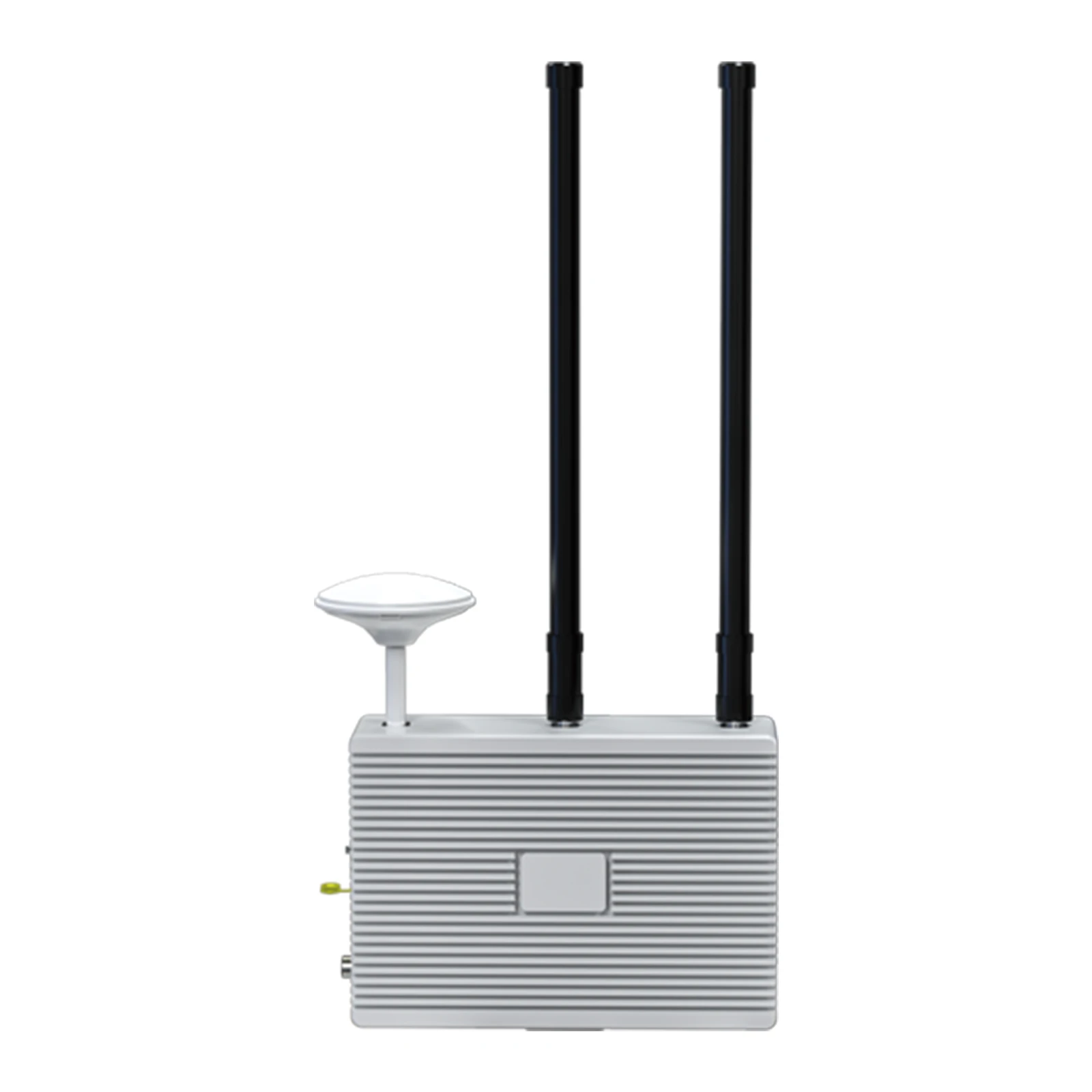
In an era of rapidly evolving aerial threats, the demand for robust and reliable counter-drone technologies has never been higher. Unmanned Aerial Systems (UAS), commonly known as drones, present significant challenges to critical infrastructure, public safety, and national security. Traditional active detection methods often suffer from limitations such as high false-positive rates, spectrum interference, and the risk of revealing a facility's defensive posture. Addressing these complex requirements, the AOA Passive Spectrum Drone Detector for 10km emerges as a crucial solution, offering unparalleled situational awareness through passive, non-emitting detection. This advanced system is engineered to identify, classify, and track drones by analyzing their radio frequency (RF) emissions, providing a covert and highly effective layer of security.
This document delves into the sophisticated engineering, technical advantages, diverse applications, and operational integrity of this leading-edge passive drone detection technology, designed specifically for B2B stakeholders seeking to fortify their perimeters against aerial intrusions.
Current Industry Trends in Counter-Drone Technology
The counter-UAS (C-UAS) market is experiencing rapid growth, driven by increasing drone proliferation and evolving regulatory frameworks. Key trends include a shift towards multi-sensor integration, enhanced AI/ML capabilities for threat classification, and a strong emphasis on passive detection systems. According to a report by MarketsandMarkets, the C-UAS market is projected to grow from USD 1.1 billion in 2020 to USD 4.8 billion by 2025, at a CAGR of 34.3%. This surge is largely attributed to the increasing demand for protecting critical infrastructure, military bases, and large public gatherings.
Passive RF detection, exemplified by the AOA Passive Spectrum Drone Detector for 10km, is gaining prominence due to its ability to operate covertly, without emitting RF energy that could be detected or interfere with existing communication systems. This aligns with a broader trend towards non-kinetic, non-jaming countermeasures that prioritize intelligence gathering and situational awareness over immediate neutralization, especially in civilian environments where collateral damage and spectrum disruption are critical concerns. Furthermore, the integration of advanced Direction Finding (DF) techniques, such as Angle of Arrival (AOA), is becoming standard to pinpoint drone locations with high precision.
Manufacturing Process of the AOA Passive Spectrum Drone Detector
The production of the AOA Passive Spectrum Drone Detector for 10km involves a meticulous, multi-stage process, ensuring precision, durability, and peak performance. Each step adheres to stringent quality control standards, including ISO 9001 for quality management and ANSI standards for component integrity.
Process Flow Overview:
- Component Sourcing & Material Selection: High-grade, corrosion-resistant aluminum alloys (e.g., 6061-T6) are selected for the detector's housing, ensuring robustness in diverse environmental conditions. RF-transparent composites are chosen for antenna radomes to minimize signal attenuation. Electronic components, including high-frequency PCBs, A/D converters, and DSPs, are sourced from certified suppliers, meeting MIL-STD-810G and IPC Class 3 standards for reliability.
- Precision Machining (CNC): The aluminum housing components undergo advanced CNC machining processes to achieve exact tolerances. This includes milling, turning, and drilling to create the intricate internal structures required for RF shielding and thermal management. This ensures optimal signal integrity and prevents performance degradation due to heat or electromagnetic interference.
- Antenna Array Fabrication: The core of the AOA system is its antenna array. This involves precise fabrication and calibration of multiple antenna elements. Each element is individually tuned and verified for gain, beamwidth, and phase coherence using anechoic chamber testing, crucial for accurate Angle of Arrival (AOA) calculations.
- Electronics Assembly & Integration: High-density surface-mount technology (SMT) is used for populating printed circuit boards (PCBs). This includes the integration of RF front-ends, digital signal processors (DSPs), and embedded system controllers. Automated optical inspection (AOI) and X-ray inspection verify solder joint quality and component placement.
- System Integration & Enclosure Assembly: The fabricated antenna array, processed electronics, and machined housing are assembled. Environmental seals (IP66/IP67 rated) are applied to ensure water and dust ingress protection, critical for outdoor deployment in industries like petrochemical and water supply & drainage.
- Calibration & Functional Testing: Each detector undergoes rigorous calibration in a controlled RF environment to optimize AOA accuracy and sensitivity across its operational frequency range (e.g., 400MHz - 6GHz). Functional tests verify power consumption, data output, and communication protocols. Long-term burn-in tests ensure stability and service life, typically exceeding 7-10 years.
- Environmental Stress Testing: Units are subjected to various environmental tests, including temperature cycling, vibration, shock, and salt fog testing (ASTM B117), simulating harsh industrial environments found in metallurgy or oil & gas sectors. This ensures the detector's resilience and consistent performance.
- Software Loading & Final Quality Assurance: Proprietary firmware and detection algorithms are loaded and verified. A final QA inspection ensures all specifications are met before packaging and shipment.
The rigorous process ensures that the detector delivers superior performance, energy efficiency (low power consumption enables solar integration), and exceptional corrosion resistance, providing a low total cost of ownership in demanding applications.
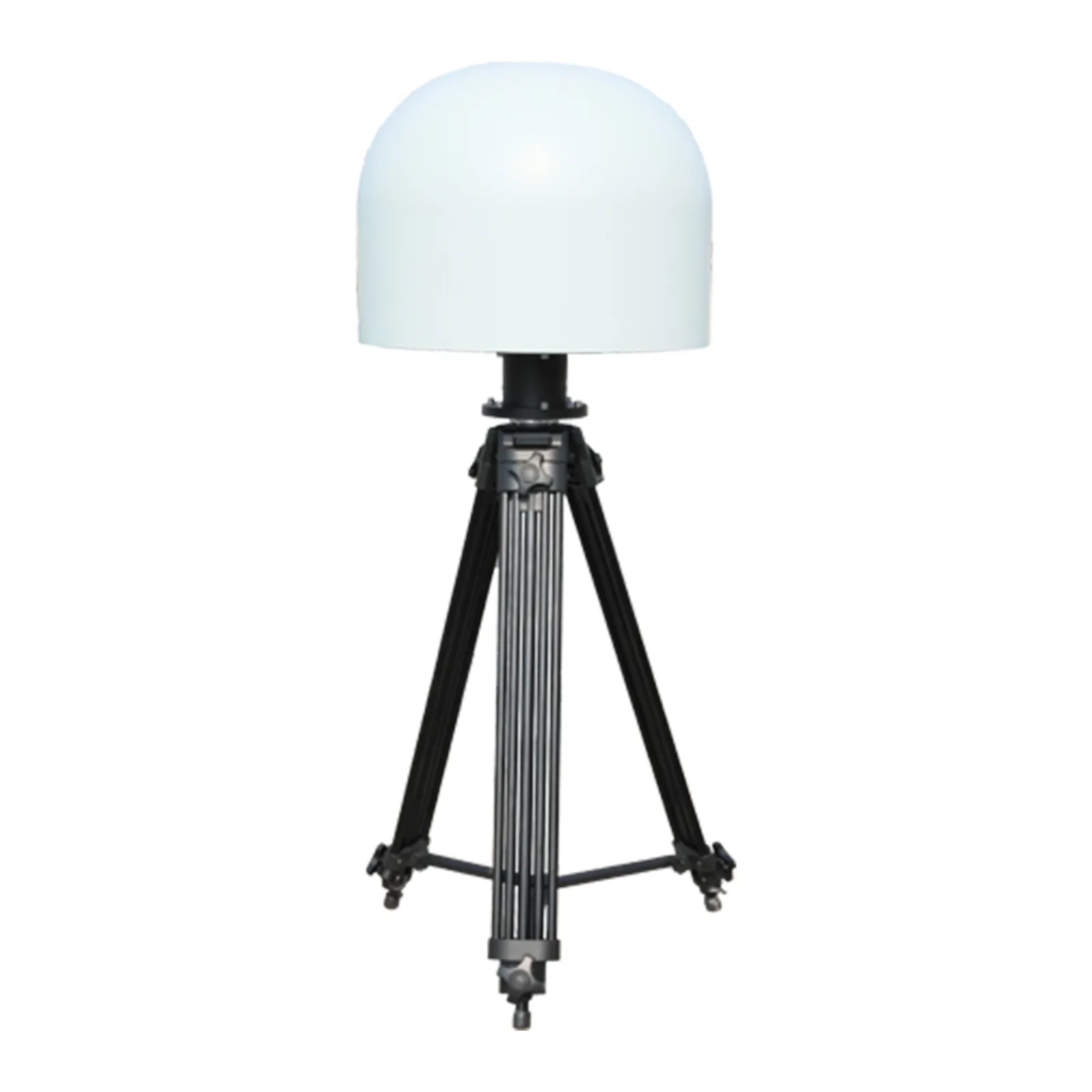
Technical Specifications and Parameters
The AOA Passive Spectrum Drone Detector for 10km is engineered with cutting-edge RF and digital signal processing (DSP) technologies to deliver high-fidelity drone detection. Its specifications are optimized for long-range, covert surveillance in complex RF environments.
Key Product Specifications:
These parameters highlight the system's capability for precise, covert, and robust drone detection, making it suitable for demanding security applications across various industries.
Application Scenarios
The versatility and passive nature of the AOA Passive Spectrum Drone Detector for 10km make it invaluable across a wide spectrum of critical sectors requiring aerial threat monitoring.
- Critical Infrastructure Protection: Facilities such as power plants, nuclear sites, data centers, and telecommunication hubs are prime targets for reconnaissance or malicious acts. The detector provides early warning of drone presence without interfering with existing sensitive equipment.
- Airports and Aviation Safety: Preventing drone incursions into restricted airspace around airports is paramount for flight safety. Passive detection avoids interference with aircraft navigation and communication systems while accurately locating rogue drones.
- Correctional Facilities: Drones are increasingly used for smuggling contraband into prisons. Covert detection ensures security personnel are alerted to these illicit activities without revealing the detection system's presence.
- Petrochemical and Oil & Gas Facilities: These sites often span large areas with hazardous materials, making drone-based surveillance or attack a severe risk. The robust and corrosion-resistant design ensures reliable operation in harsh industrial environments, offering crucial early warning for security breaches or industrial espionage.
- Military Bases and Government Buildings: Maintaining perimeter security and preventing unauthorized intelligence gathering is vital. The passive nature prevents detection of the counter-drone system itself, maintaining operational secrecy.
- Public Event Security: Large gatherings, concerts, and sporting events are vulnerable to drone-borne threats. Real-time detection allows for timely response and coordination with law enforcement.
- Border Security & Coastal Surveillance: Monitoring vast and remote areas for illicit drone activities, especially those related to smuggling or illegal crossings, benefits from the long-range passive detection capabilities.
- Water Supply & Drainage Infrastructure: Protecting water treatment plants and reservoirs from contamination or sabotage requires continuous monitoring. The detector offers an energy-saving and robust solution for remote installations.
Technical Advantages and Performance
The core strength of the AOA Passive Spectrum Drone Detector for 10km lies in its advanced technical design, offering distinct advantages over conventional systems.
- Covert & Non-Emitting Operation: As a passive system, it does not emit any RF signals, making it undetectable by adversaries and preventing interference with existing sensitive electronics or communication infrastructure. This is crucial for stealth operations and compliance in regulated environments.
- High Accuracy AOA (Angle of Arrival) Detection: Utilizing sophisticated AOA algorithms with a multi-antenna array, the system provides precise bearing information, enabling accurate localization and tracking of drones. This spatial intelligence is superior to omni-directional detection.
- Wide Spectrum Coverage: The detector covers a broad frequency range (400 MHz to 6 GHz), encompassing all prevalent drone control and video downlink frequencies, ensuring comprehensive threat detection regardless of the drone's communication protocol.
- Robustness Against False Positives: Advanced DSP and machine learning algorithms differentiate legitimate drone RF signatures from ambient noise and other common RF emissions, significantly reducing false alarms. The system learns and adapts to specific site RF environments.
- Scalable and Modular Architecture: The system is designed for modular deployment, allowing for multi-sensor configurations to achieve 360-degree coverage and triangulation for precise 3D localization. This scalability makes it adaptable to varying perimeter sizes and threat profiles.
- Environmental Resilience: With an IP66/IP67 rating and MIL-STD-810G compliance, the detector withstands extreme temperatures, heavy precipitation, and corrosive atmospheres, ensuring continuous operation in harsh outdoor and industrial settings.
- Seamless Integration: Open API and standard communication protocols (e.g., Modbus, TCP/IP) facilitate straightforward integration with existing Security Information and Event Management (SIEM), Video Management Systems (VMS), and Command & Control (C2) platforms.
Vendor Comparison: AOA Passive Drone Detection
When selecting a passive drone detection system, it is crucial to evaluate various vendor offerings. Below is a comparison table highlighting key differentiators, positioning the AOA Passive Spectrum Drone Detector for 10km within the competitive landscape.
Customized Solutions and Integration Capabilities
Recognizing that each deployment environment presents unique challenges, the AOA Passive Spectrum Drone Detector for 10km is designed with flexibility for customization and seamless integration. Our approach ensures optimal performance tailored to specific operational requirements.
- Modular Deployment & Scalability: Systems can be deployed as single units for specific sector monitoring or as networked arrays for 360-degree, multi-layered coverage of expansive areas. Custom antenna configurations and sensor densities are available to match diverse site geometries and desired detection perimeters.
- Advanced Software Customization: Our SDK and API allow for deep integration with existing security platforms, including Video Management Systems (VMS), Physical Security Information Management (PSIM), and Command & Control (C2) centers. This includes custom alarm triggers, data visualization, and automated response protocols. We can tailor the drone signature database to detect specific threats or ignore friendly drones.
- Environmental Adaptations: For extreme environments, specialized enclosures, passive cooling solutions, or integrated heating elements can be provided. This ensures sustained operation in areas with wide temperature fluctuations, high humidity, or corrosive atmospheres (e.g., coastal, petrochemical zones).
- Power & Communication Integration: Options include solar power integration for remote sites, PoE+ (Power over Ethernet Plus) for simplified cabling, and diverse communication interfaces such as fiber optic for long-distance, high-bandwidth data transfer, or LTE/5G for remote monitoring.
- Multi-Sensor Fusion: The system is designed to seamlessly fuse data with other sensors like optical/thermal cameras, radars, and acoustic detectors. This creates a comprehensive counter-drone solution, leveraging the strengths of each technology for enhanced detection, verification, and tracking.
Our engineering team collaborates closely with clients to design, deploy, and support solutions that precisely address their unique security posture and operational needs, ensuring maximum effectiveness and ROI.
Application Case Studies
Case Study 1: Protecting a Major International Airport
An international airport faced increasing threats from recreational drones entering its restricted airspace, causing flight delays and safety concerns. Traditional active radar systems were ruled out due to potential interference with ATC and aircraft navigation.
- Solution: Deployment of a networked array of AOA Passive Spectrum Drone Detector for 10km units around the airport perimeter, integrated with existing CCTV and ground radar systems. The passive nature ensured zero interference.
- Results: The system provided highly accurate, real-time detection and localization of drone incursions up to 8 km from the runways. It successfully identified drone models and operator signals, allowing airport security to dispatch interdiction teams effectively, reducing flight delays by 70% in the first six months.
Case Study 2: Securing a Remote Energy Production Facility
A remote oil and gas facility, spanning several square kilometers in a harsh desert environment, required a robust, low-maintenance drone detection solution to prevent industrial espionage and potential sabotage. Power access was limited.
- Solution: Customized deployment of ruggedized AOA Passive Spectrum Drone Detector for 10km units with integrated solar power and satellite communication modules. The system's low power consumption was a critical factor. Environmental adaptations ensured operability in extreme temperatures and sandstorms.
- Results: The facility achieved continuous, autonomous drone surveillance with minimal human intervention. The system detected multiple unauthorized drone overflights, providing early warnings that allowed security teams to intercept and identify intruders, significantly enhancing perimeter integrity and operational safety.
Trustworthiness: FAQ, Lead Time, Warranty, and Support
Frequently Asked Questions (FAQ)
- Q: What types of drones can the detector identify?
- A: The system is capable of detecting and classifying most commercial, consumer, and many custom-built drones that utilize common RF communication protocols (e.g., DJI, Autel, Parrot, FPV). Our threat database is continuously updated.
- Q: Can it detect drones that operate silently or autonomously?
- A: The system primarily detects RF emissions from the drone's control link or video downlink. Drones operating in full GPS-only autonomous mode without active RF communication may not be detected by RF means alone. We recommend multi-sensor fusion with radar or acoustic sensors for comprehensive coverage against such threats.
- Q: How many units are required for 360-degree coverage?
- A: For 360-degree coverage with AOA triangulation, typically a minimum of three detectors are recommended, strategically positioned to ensure overlapping fields of view. The exact number depends on the desired range, terrain, and obstacles.
- Q: Is the system legal to operate in all regions?
- A: As a passive receiver, the system does not emit any signals, which typically means it adheres to most regulatory frameworks globally. However, local regulations regarding drone detection and counter-drone measures can vary, and customers are advised to verify compliance in their specific operational area.
Lead Time & Fulfillment
Standard lead time for the AOA Passive Spectrum Drone Detector for 10km is typically 6-8 weeks, depending on order volume and specific customization requirements. Expedited options may be available upon request. We maintain a streamlined manufacturing and supply chain process to ensure timely delivery and deployment. All products undergo rigorous pre-shipment testing to guarantee out-of-box performance.
Warranty & After-Sales Support
- Standard Warranty: A comprehensive 2-year warranty covers defects in materials and workmanship from the date of purchase. Extended warranty options are available.
- Technical Support: Our dedicated support team provides 24/7 technical assistance, including remote diagnostics, troubleshooting, and software updates. We offer multi-tiered support packages tailored to critical infrastructure needs.
- Training & Documentation: Comprehensive training programs are available for client personnel on installation, operation, and maintenance. Detailed user manuals and integration guides are provided.
- Maintenance & Service Plans: Annual maintenance contracts (AMCs) include regular system health checks, calibration, and proactive software/firmware upgrades to ensure peak operational readiness and extend product service life.
Conclusion
The proliferation of drones necessitates sophisticated, reliable, and covert detection systems. The AOA Passive Spectrum Drone Detector for 10km stands as a benchmark in passive RF detection technology, offering a robust, highly accurate, and non-interfering solution for diverse security requirements. From safeguarding critical infrastructure and major public events to supporting military and law enforcement operations, its technical prowess and adaptable architecture provide an unparalleled advantage in securing airspace against unauthorized UAS activities. Backed by rigorous manufacturing, extensive testing, and comprehensive support, this system represents a strategic investment in proactive aerial threat mitigation.
References
- MarketsandMarkets. "Counter-Drone Market by System, Technology, End-User, and Region - Global Forecast to 2025." Published 2020.
- International Organization for Standardization (ISO). ISO 9001:2015 - Quality management systems.
- United States Department of Defense. MIL-STD-810G - Environmental Engineering Considerations and Laboratory Tests.
- IPC - Association Connecting Electronics Industries. IPC-A-610 - Acceptability of Electronic Assemblies.
- ASTM International. ASTM B117 - Standard Practice for Operating Salt Spray (Fog) Apparatus.

-
 09 March 2021 16 Apr 2026
 -
 09 March 2021 09 Apr 2026
 -
 09 March 2021 07 Apr 2026
 -
 09 March 2021 04 Apr 2026
 -
 09 March 2021 31 Mar 2026
-
 09 March 2021 21 May 2025
 -
 09 March 2021 25 Dec 2024
 -
 09 March 2021 14 Oct 2022
-
 09 March 2021 25 Dec 2024
 English
  Arabic
  Belarusian
  Danish
  Dutch
Dutch  French
  German
  Greek
Greek  Japanese
  Korean
  Myanmar
  Polish
  Portuguese
  Russian
  Spanish
  Swedish
  Thai
Thai  Ukrainian
  Vietnamese