

AOA Passive Spectrum Drone Detector 10km | Covert UAV Threat Detection
Introduction to Passive Drone Detection Systems and Industry Trends
The proliferation of Unmanned Aerial Systems (UAS), commonly known as drones, presents a rapidly evolving challenge for security, surveillance, and critical infrastructure protection across various sectors. While drones offer significant benefits in areas like logistics, inspection, and agriculture, their misuse poses substantial threats, including espionage, illicit contraband delivery, and even kinetic attacks. This escalating threat landscape has driven the demand for sophisticated Counter-UAS (C-UAS) solutions. Among these, passive detection systems have emerged as a critical component, offering non-intrusive, covert, and highly effective surveillance capabilities.
Industry trends indicate a strong shift towards passive C-UAS technologies due to their inherent advantages over active systems. Unlike active radar or jamming solutions that emit signals and can be detected or interfere with existing communication infrastructure, passive systems operate by merely listening for RF (Radio Frequency) emissions from drones and their controllers. This characteristic makes them ideal for sensitive environments such as airports, military bases, government facilities, and large public gatherings where signal interference or a detectable presence is undesirable. The global C-UAS market is projected to grow substantially, with passive detection systems occupying a significant and increasing share, driven by advancements in signal processing, Artificial Intelligence (AI) for threat classification, and integration with broader security ecosystems. Our focus today is on the AOA Passive Spectrum Drone Detector for 10km, a cutting-edge solution designed to address these complex challenges with unparalleled precision and range.
Technical Specifications and Core Principles
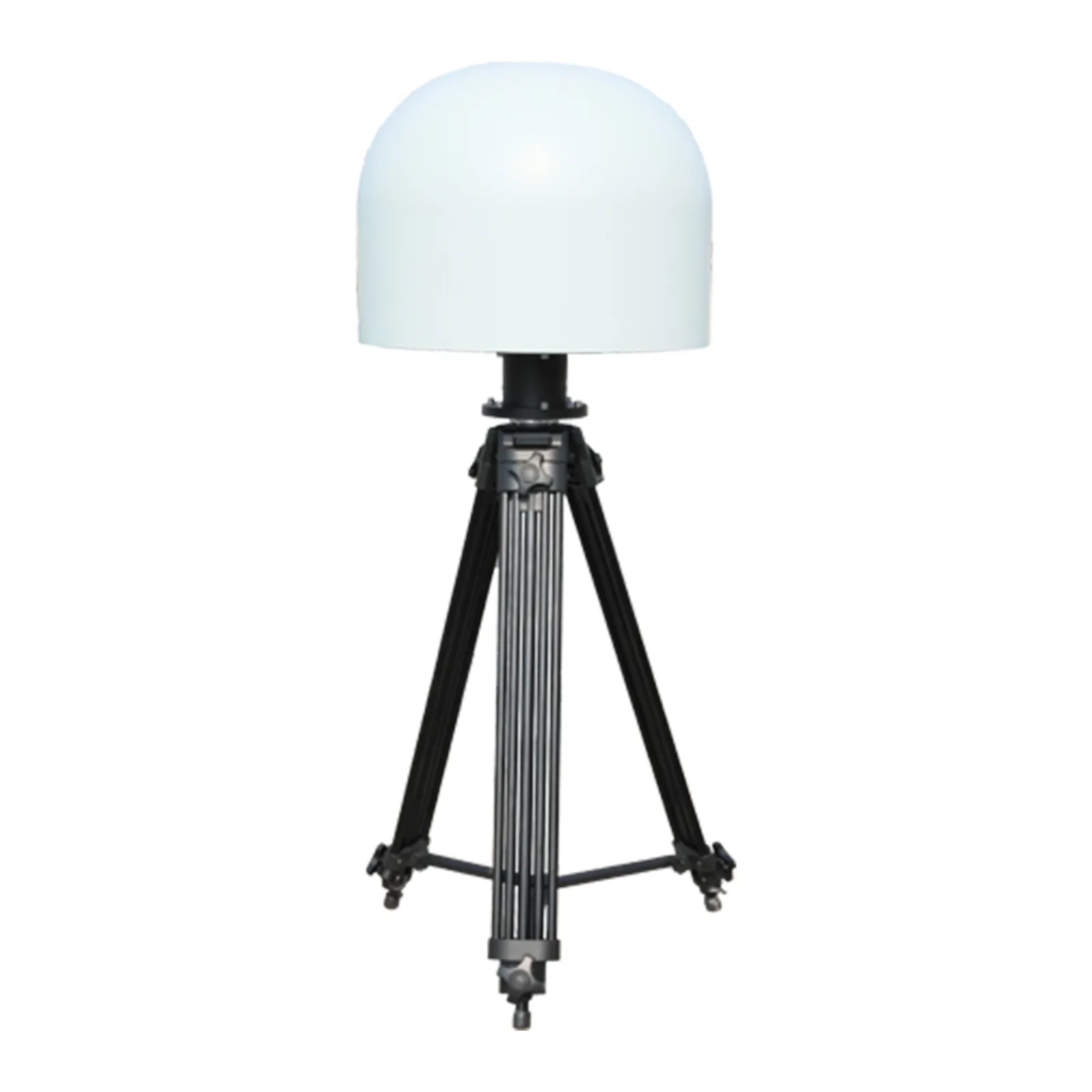
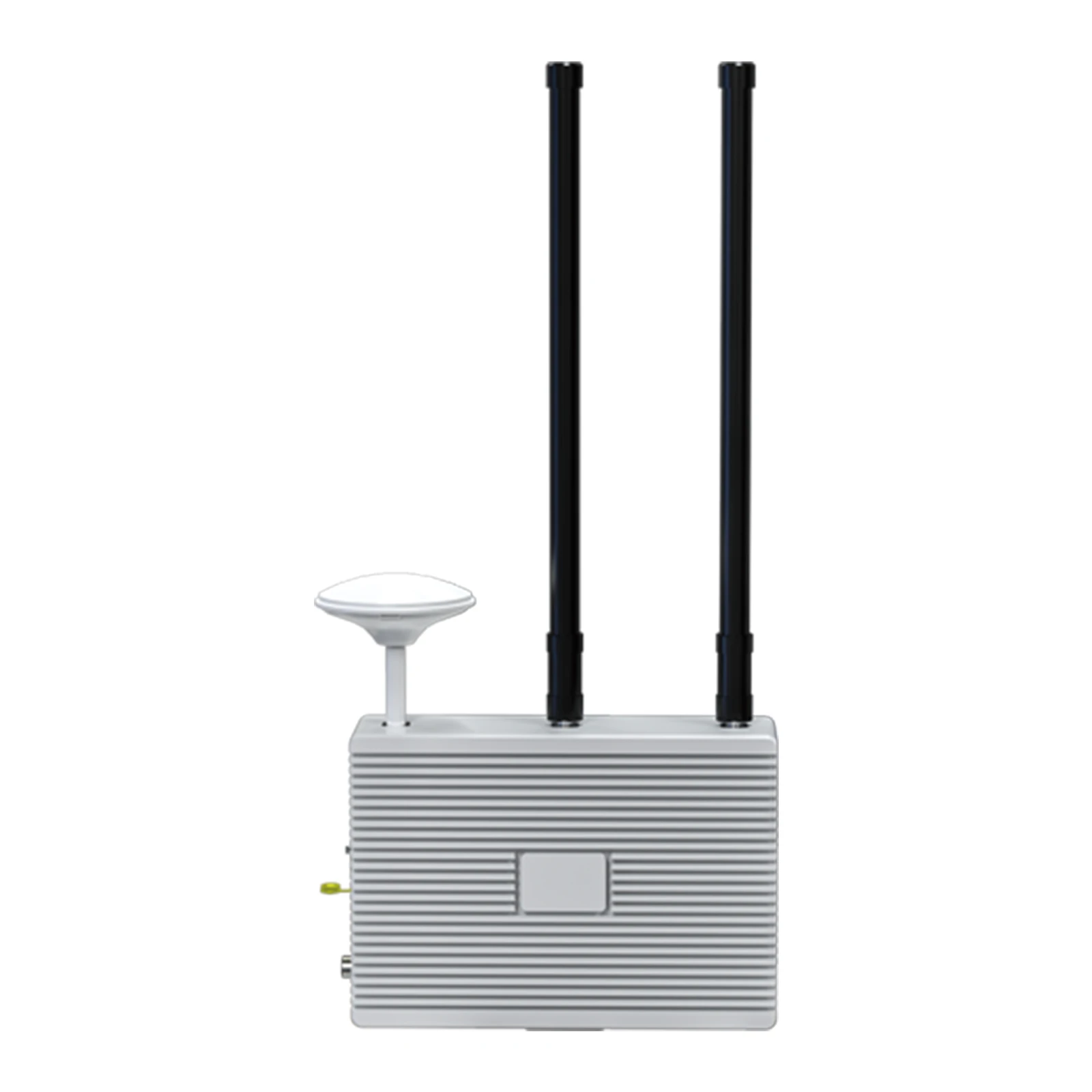
The AOA Passive Spectrum Drone Detector for 10km operates on the principle of Angle-of-Arrival (AOA) combined with passive RF spectrum analysis. This sophisticated approach allows the system to detect, classify, and locate drones and their ground control stations by analyzing their unique RF signatures without emitting any signals. It monitors the electromagnetic spectrum across a wide frequency range commonly used by commercial and consumer drones, including Wi-Fi, ISM bands, and proprietary communication protocols.
Key to its performance is its multi-channel Software-Defined Radio (SDR) architecture, which enables simultaneous monitoring of multiple frequency bands and rapid analysis of complex modulation schemes. The AOA capability is achieved through an array of high-gain, direction-finding antennas that precisely measure the phase difference of incoming signals, triangulating the drone's position with high accuracy. The system's advanced algorithms perform real-time RF fingerprinting, distinguishing between legitimate and threat signals, and identifying specific drone models based on their distinct communication patterns and protocols.
Product Specification Table: AOA Passive Spectrum Drone Detector for 10km
| Parameter | Specification |
|---|---|
| Detection Range (Drones) | Up to 10 km (line of sight) |
| Detection Range (Controllers) | Up to 5 km (line of sight, depending on power) |
| Detection Principle | Passive RF Spectrum Analysis, Angle of Arrival (AOA) |
| Frequency Bands Monitored | 2.4 GHz, 5.8 GHz, 433 MHz, 868-915 MHz, and other proprietary bands |
| Detection Accuracy (Azimuth) | Typically ± 2 degrees |
| Detection Latency | < 2 seconds (typical for new threats) |
| Power Consumption | Low (e.g., < 50W) |
| Operating Temperature | -30°C to +60°C |
| Ingress Protection (IP) Rating | IP66 (suitable for outdoor deployment) |
| Interfaces | Ethernet (RJ45), Optional Fiber Optic |
| Integration Capabilities | Open API for VMS, C2, and other security platforms |
The system's high Signal-to-Noise Ratio (SNR) processing and advanced digital filtering allow for robust detection even in electromagnetically noisy urban environments. Its ability to simultaneously detect multiple drones, track their flight paths, and identify the location of their controllers provides a comprehensive situational awareness crucial for effective threat mitigation.
Manufacturing Process and Quality Assurance
The manufacturing of the AOA Passive Spectrum Drone Detector for 10km adheres to stringent quality control and precision engineering standards, ensuring reliable performance in demanding operational environments. The process begins with the selection of high-grade materials, specifically chosen for their RF transparency, durability, and environmental resilience.
Key Manufacturing Steps:
1. Component Sourcing & Verification:
Critical RF components, SDR modules, and processing units are sourced from certified suppliers, undergoing rigorous incoming quality inspection (IQC) to ensure compliance with performance and reliability standards.
2. Enclosure Fabrication (CNC Machining):
The robust, weatherproof enclosures are crafted from aerospace-grade aluminum alloys using advanced CNC machining. This ensures precise dimensions, optimal heat dissipation, and superior corrosion resistance, contributing to an extended service life in harsh conditions. Surfaces are treated for enhanced durability and aesthetics.
3. PCB Assembly & Integration (Precision Soldering):
Printed Circuit Boards (PCBs) are assembled in a controlled environment using automated pick-and-place machines and precision soldering techniques. Each PCB undergoes Automated Optical Inspection (AOI) to verify component placement and solder joint integrity.
4. Antenna Array Calibration:
The integrated antenna array undergoes precise calibration in an anechoic chamber to ensure accurate AOA measurements across the specified frequency range. This step is critical for achieving the reported detection accuracy.
5. System Integration & Software Loading:
All sub-assemblies are integrated into the final enclosure. Firmware and operating software are loaded, and initial functional tests are performed to ensure all modules communicate correctly.
6. Environmental & Performance Testing:
Each unit undergoes extensive testing, including temperature cycling, vibration testing, and IP rating verification. Live drone signal detection tests are conducted in a controlled outdoor range to validate the 10km detection capability and accuracy, adhering to standards like IEC 60529 (for IP rating) and relevant ISO/ANSI test methodologies.
The rigorous adherence to ISO 9001 certified manufacturing processes ensures that every AOA Passive Spectrum Drone Detector for 10km meets the highest standards of quality, reliability, and performance, guaranteeing a projected service life of 7-10 years under continuous operation with minimal maintenance.
Application Scenarios and Technical Advantages
The versatility and robust performance of the AOA Passive Spectrum Drone Detector for 10km make it an indispensable asset across a wide array of critical sectors. Its passive nature is a significant advantage, ensuring non-interference with existing communications and covert operation.
Target Industries and Typical Applications:
- Defense & Military Installations: Perimeter security, surveillance of restricted airspace, protection against reconnaissance and weaponized drones.
- Critical Infrastructure: Safeguarding power plants, water treatment facilities, oil & gas refineries (petrochemical), and telecommunication hubs. The low power consumption of the passive system contributes to energy saving, while its robust construction offers corrosion resistance, ideal for these challenging environments.
- Civilian Airports & Air Traffic Control: Preventing drone incursions into controlled airspace, which can cause significant disruption and safety hazards.
- Prisons & Correctional Facilities: Counteracting attempts to smuggle contraband via drones.
- Large Public Events: Ensuring safety at concerts, sporting events, and political rallies by detecting unauthorized drones.
- Government & VIP Protection: Covert monitoring of sensitive areas for aerial threats.
Technical Advantages:
- Passive Operation: No RF emissions, ensuring covert surveillance and zero interference with existing communications. This is crucial for environments like airports, military sites, and metallurgy plants where active emissions could be problematic.
- High Accuracy AOA Location: Precisely locates both the drone and its pilot, facilitating rapid response and threat neutralization.
- Comprehensive Threat Classification: Distinguishes between hundreds of drone models and types, reducing false positives and enabling targeted responses.
- Long-Range Detection: A 10km detection radius provides ample early warning time for security personnel.
- Scalable & Networkable: Multiple units can be networked to create a larger coverage area and provide 360-degree protection, enhancing situational awareness.
- Environmental Resilience: Designed for continuous outdoor operation in diverse weather conditions, thanks to its IP66 rating and robust construction.
- Low Total Cost of Ownership (TCO): Given its passive nature, it consumes significantly less power than active radar systems and requires minimal maintenance, contributing to operational energy saving.
The combination of these advantages positions the AOA Passive Spectrum Drone Detector for 10km as a leading solution for proactive and discreet drone threat mitigation.
Vendor Comparison and Competitive Edge
In a competitive C-UAS market, understanding the distinctions between vendors is crucial for B2B decision-makers. While many solutions exist, the AOA Passive Spectrum Drone Detector for 10km distinguishes itself through its optimized balance of detection range, accuracy, passive operation, and robust integration capabilities.
Comparative Analysis with Other C-UAS Technologies:
| Feature/System Type | AOA Passive Spectrum Detector (Our Product) | Active Radar Systems | Acoustic Detection Systems | Optical (EO/IR) Systems |
|---|---|---|---|---|
| Detection Principle | Passive RF (AOA, Spectrum Analysis) | Active RF Emission (Radio Waves) | Sound Signatures | Visual Recognition |
| Detection Range | Up to 10 km (drones), 5 km (controllers) | 5-20 km (often limited by drone RCS) | Up to 1 km (highly dependent on ambient noise) | Up to 2-3 km (limited by optics, weather) |
| Interference/Emission | None (covert operation) | Yes (can interfere, detectable) | None | None |
| Detection of Controller | Yes (precise location) | No (detects drone, not pilot) | No | No |
| Drone Classification | High (RF fingerprinting) | Moderate (size/speed, limited model ID) | Moderate (propeller signature) | High (visuals, AI) |
| Environmental Impact | Low (weather-resilient, low power) | Medium (complex installation, higher power) | High (sensitive to wind, rain, ambient noise) | High (fog, rain, low light, line of sight) |
While no single C-UAS technology is a silver bullet, passive RF detection, as exemplified by the AOA Passive Spectrum Drone Detector for 10km, offers a superior baseline for comprehensive, discreet, and reliable drone detection. Its ability to detect both the drone and its controller, coupled with excellent classification capabilities, provides actionable intelligence that other single-sensor systems often lack. For organizations requiring robust, non-emissive threat awareness with long-range capabilities, our solution presents a compelling value proposition.
Customized Solutions and Application Case Studies
Understanding that each client faces unique security challenges, we offer highly customized solutions built around the AOA Passive Spectrum Drone Detector for 10km. Our approach involves a comprehensive site assessment, threat analysis, and integration planning to design a C-UAS architecture that perfectly matches operational requirements.
Customization Options:
- Scalable Deployments: From single-unit installations for focused protection to multi-sensor networks for wide-area coverage and 360-degree situational awareness.
- Integration with Existing Security Systems: Seamless integration via open APIs (e.g., ONVIF, XML, JSON) with Video Management Systems (VMS), Physical Security Information Management (PSIM) platforms, and Command & Control (C2) systems. This allows for automated alerts, camera slewing, and coordinated response.
- Complementary Effectors: Integration with soft-kill (RF jamming, spoofing) or hard-kill (net guns, kinetic interceptors) countermeasures, activated upon verified drone detection. This creates a layered defense-in-depth strategy.
- Specialized Antenna Configurations: For urban canyons or challenging RF environments, specialized antenna arrays can be deployed to optimize detection performance.
- Mobile & Rapidly Deployable Solutions: Integration into vehicle-mounted or man-portable kits for mobile security operations or temporary event protection.
Application Case Studies:
Case Study 1: Critical Infrastructure Protection (Energy Sector)
A major energy provider with multiple remote substation sites faced increasing drone surveillance risks. Traditional active radar solutions were unsuitable due to potential interference with sensitive grid control systems. We deployed a network of AOA Passive Spectrum Drone Detector for 10km units strategically around key substations. The system successfully detected and identified multiple unauthorized drone incursions, providing real-time alerts to the central security operations center. The ability to locate the drone's pilot allowed local security teams to intercept and question individuals, leading to a significant reduction in subsequent incidents. The passive nature ensured zero impact on grid operations, and the robust IP66 design withstood harsh industrial environments, demonstrating outstanding corrosion resistance.
Case Study 2: Major International Airport Security
An international airport required a solution to detect small, low-flying drones without interfering with air traffic control communications or radar systems. Our system was integrated into the airport's existing security platform. Over a 6-month trial period, the AOA Passive Spectrum Drone Detector for 10km successfully detected 47 unauthorized drone flights within the restricted flight zones, often before they were visually identified. The system provided precise AOA data, allowing ground staff to rapidly dispatch patrols and alert air traffic control. This proactive detection capability significantly enhanced the airport's security posture and minimized potential disruptions to flight operations, showcasing its energy saving profile and reliability.
These cases underscore the efficacy and adaptability of our drone detection technology in real-world, high-stakes environments, reflecting years of dedicated service in the C-UAS domain. Our track record, supported by numerous successful deployments and adherence to industry certifications (e.g., CE, FCC for RF devices), solidifies our position as an authoritative provider of advanced C-UAS solutions.
Trustworthiness: FAQ, Fulfillment, Warranty & Support
Frequently Asked Questions (FAQ):
Q: Can the AOA Passive Spectrum Drone Detector for 10km detect drones operating on custom or encrypted frequencies?
A: Our system is equipped with advanced SDR capabilities and a continuously updated threat library that allows it to identify and classify a vast array of drone communication protocols, including many custom or encrypted signals, by analyzing their unique RF characteristics and behaviors. Our R&D team constantly works to update the system's capabilities.
Q: What is the typical lead time for system delivery and installation?
A: Standard lead time for the AOA Passive Spectrum Drone Detector for 10km is typically 4-6 weeks from order confirmation, depending on customization requirements and order volume. Installation timelines vary based on site complexity, but our certified technicians aim for efficient deployment to minimize operational disruption.
Q: What warranty and after-sales support are provided?
A: Each system comes with a standard 2-year hardware warranty covering manufacturing defects. We offer comprehensive after-sales support packages, including 24/7 technical assistance, remote diagnostics, regular software updates for new drone threats, and optional on-site maintenance contracts. Our commitment is to ensure continuous, optimal performance of your C-UAS solution.
Q: How does the system handle false positives?
A: The AOA Passive Spectrum Drone Detector for 10km employs sophisticated AI and machine learning algorithms for signal classification, significantly reducing false positives. It differentiates between drone signals and common background RF noise or legitimate Wi-Fi signals. Customizable alert thresholds and whitelisting capabilities further enhance its accuracy, allowing users to define specific parameters for their operational environment.
Conclusion
The increasing complexity of aerial threats demands C-UAS solutions that are not only effective but also adaptable, discreet, and reliable. The AOA Passive Spectrum Drone Detector for 10km stands as a testament to advanced engineering and a deep understanding of security imperatives. Its passive operation, long-range and precise AOA detection, robust construction, and comprehensive threat intelligence capabilities offer unparalleled protection for critical assets and sensitive operations. By choosing this solution, organizations gain a strategic advantage in a world where aerial security is paramount, underpinned by a commitment to quality, service, and continuous innovation.
References:
- Drone Industry Insights. "Drone Market Report 2023-2030." Retrieved from droneii.com.
- IEEE Xplore Digital Library. "Advances in Passive RF Detection for Unmanned Aerial Systems." Accessed via ieeexplore.ieee.org.
- International Organization for Standardization (ISO). "ISO 9001: Quality management systems." Retrieved from iso.org.
- IEC 60529: Degrees of protection provided by enclosures (IP Code). International Electrotechnical Commission.

-
 09 March 2021 16 Apr 2026
 -
 09 March 2021 09 Apr 2026
 -
 09 March 2021 07 Apr 2026
 -
 09 March 2021 04 Apr 2026
 -
 09 March 2021 31 Mar 2026
-
 09 March 2021 21 May 2025
 -
 09 March 2021 25 Dec 2024
 -
 09 March 2021 14 Oct 2022
-
 09 March 2021 25 Dec 2024
 English
  Arabic
  Belarusian
  Danish
  Dutch
Dutch  French
  German
  Greek
Greek  Japanese
  Korean
  Myanmar
  Polish
  Portuguese
  Russian
  Spanish
  Swedish
  Thai
Thai  Ukrainian
  Vietnamese