

AOA Passive Spectrum Drone Detector for 10km: 360° Coverage?
AOA passive spectrum for 10km drone detection: field notes, specs, and what matters
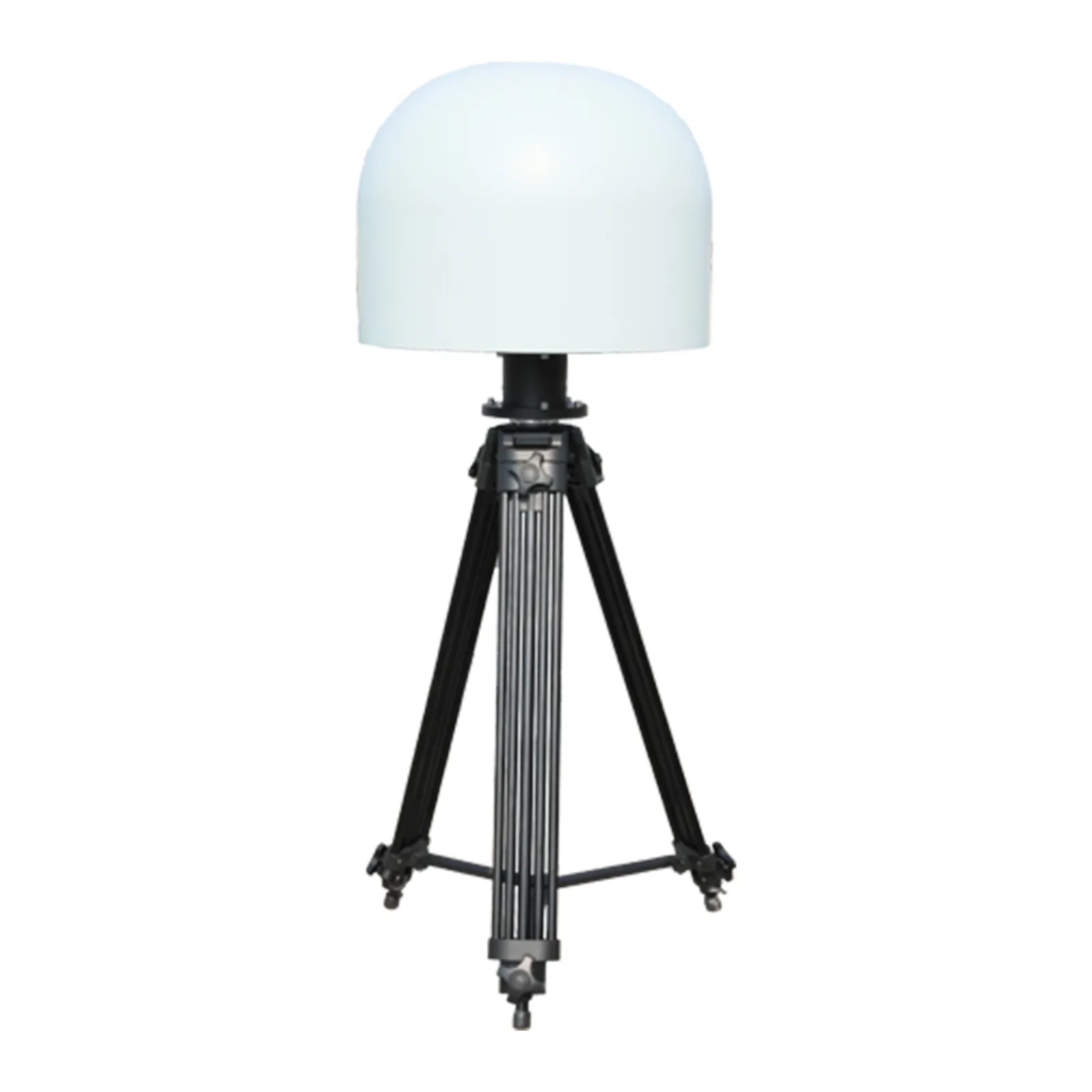
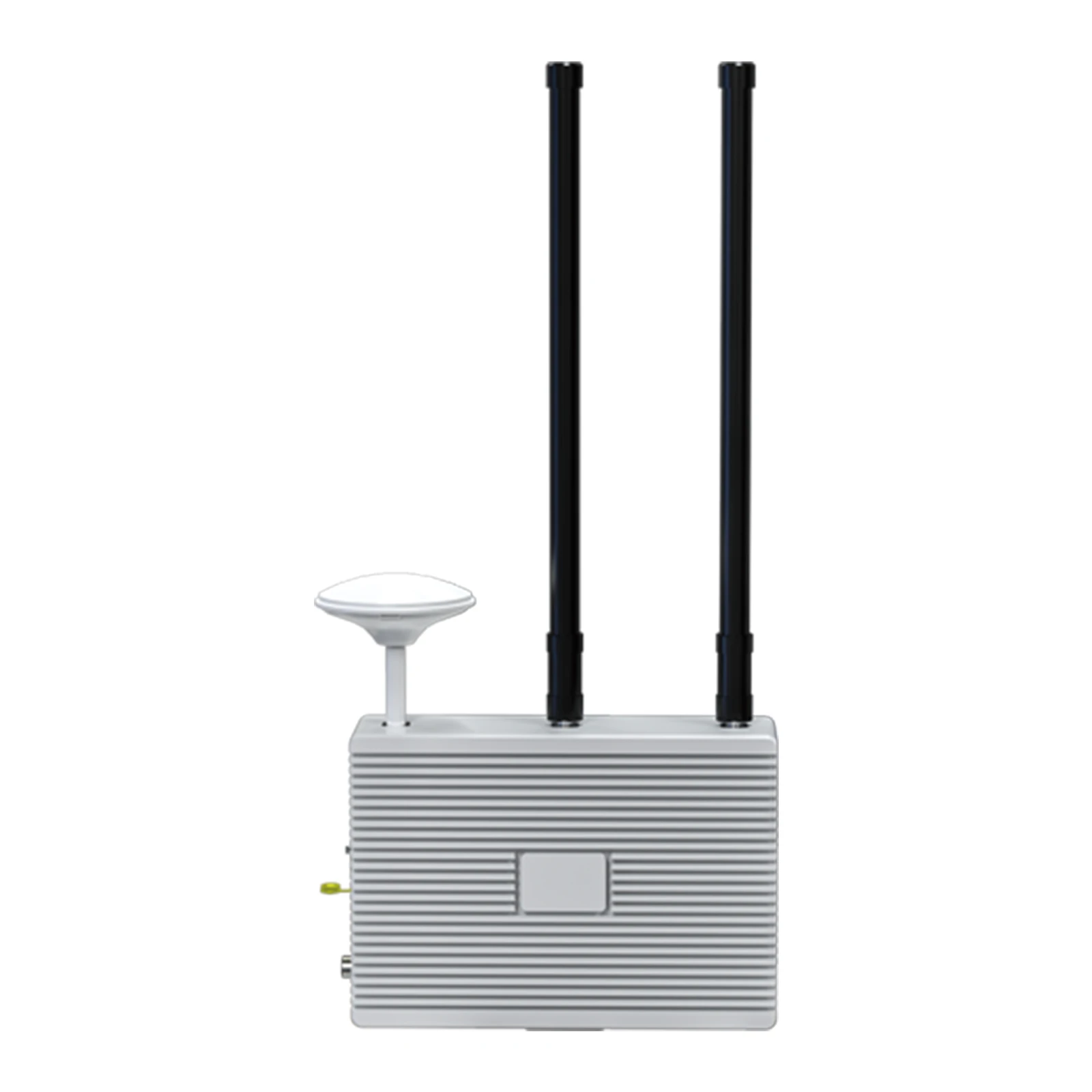
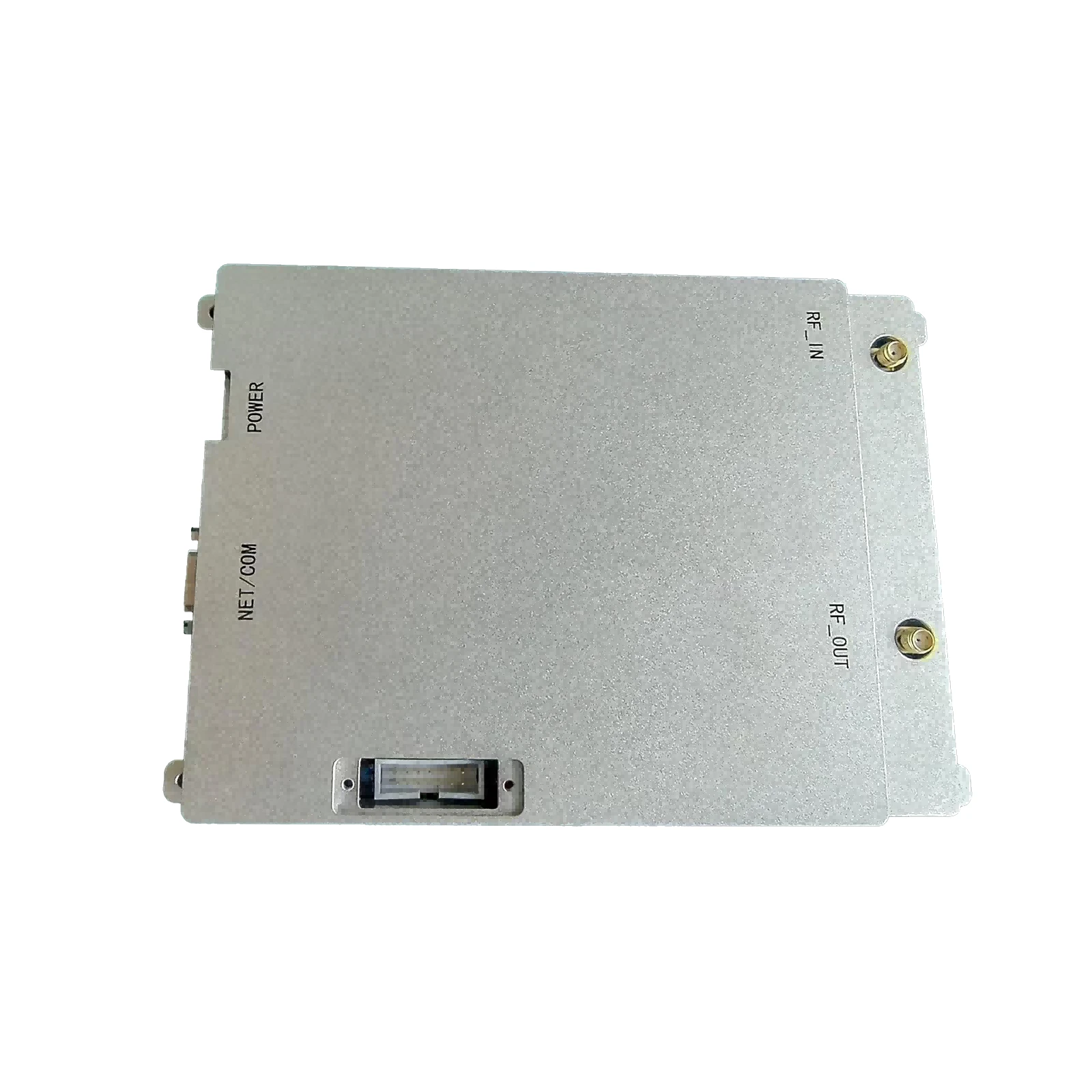
If you follow counter‑UAS trends, you’ve noticed the shift toward silent sensors—no emissions, less hassle with spectrum licensing. That’s precisely why the AOA Passive Spectrum Drone Detector for 10km has been turning heads. It listens, triangulates, and quietly tells security teams where both drone and pilot are hiding. I’ve walked a couple of demo sites in Longgang District, Shenzhen, and—honestly—the low-drama, high-signal workflow is refreshing.
Where the market is headed
Airports, prisons, stadiums, and power plants are leaning into passive RF for compliance and coverage. Camera‑only systems struggle in fog and night; radars can be pricey and trigger licensing debates; passive spectrum plus AoA (angle-of-arrival) hits the sweet spot. The AOA Passive Spectrum Drone Detector for 10km adds whitelist/blacklist, route replay, and pilot geolocation—features many customers say are “must‑have” after the first incident report.
Key specs at a glance
| Parameter | Typical Value (≈, real-world may vary) |
|---|---|
| Detection Range | Up to 10 km LOS for mainstream COTS drones (2.4/5.8 GHz) |
| Direction Finding (AoA) | Bearing error ≈ 2–5° RMS (array and site‑survey dependent) |
| Pilot Positioning | Multi‑node triangulation; typical ≈ 20–60 m CEP in urban canyons |
| Bands | 2.4 GHz, 5.2–5.8 GHz, customizable sub‑GHz options |
| Lists & Tracking | Whitelist/Blacklist, trajectory playback, alert rules |
| Form Factor | Mast/rooftop kit; IP65 enclosure; aluminum alloy chassis |
| Service Life | ≈ 7–10 years with routine RF calibration |
How it’s built and validated
-
- Materials: RF front‑end with low‑noise amplifiers, SAW/ceramic filters, phased antenna array; weather‑sealed aluminum housing.
- Methods: AoA using MUSIC/ESPRIT‑class algorithms; signal classification via protocol features; passive only—no emissions.
- Process flow: site survey → spectrum baseline → mast mounting → array calibration → software tuning → handover & training.
- Testing standards: EMC per EN 301 489; environmental per MIL‑STD‑810H (vibration, temp cycling); factory QA under ISO 9001.
- Field data (sample): urban LOS trials in Longgang, Pd ≈ 0.95 at 6 km; FAR
Where it’s used
Airports and heliports, correctional facilities, oil & gas perimeters, VIP events, smart cities. One stadium deployment in South China used three nodes of the AOA Passive Spectrum Drone Detector for 10km to catch an “innocent” hobbyist streaming from a rooftop. The pilot location cue saved security 20 minutes of guesswork—small story, big impact.
Why this model stands out
-
- Passive compliance friendly; no spectrum license anxiety.
- Black/white lists reduce noise; fewer false positives.
- Pilot geolocation—not just the drone—shortens incident time.
- Flexible deployment; integrates with VMS/PSIM via API.
Vendor landscape (quick take)
| Feature | This AOA Passive Detector | Generic Passive RF (budget) | Camera‑only System |
|---|---|---|---|
| Pilot Positioning | ✓ Multi‑node triangulation | ≈ Optional, limited | × Not available |
| All‑weather | ✓ Fog/night unaffected | ✓ | × Weather dependent |
| Range ≈ 10 km | ✓ LOS | ≈ 5–8 km | Visual only |
| TCO | Mid | Low | Mid–High (lighting) |
Customization & compliance
From Longgang, Shenzhen, the team offers custom antenna arrays, sub‑GHz add‑ons, and rugged kits for marine use. Integration via REST/WebSocket, plus SNMP for NOC folks. CE/EMC tested (EN 301 489 series), designed alongside ETSI 300‑series norms; typical documentation includes ISO 9001 QA and RoHS materials declarations. Some regions request RED/EMC reports—ask for the latest dossier, it’s worth it.
What users say
“Setup was a morning, not a week,” one facilities manager told me. Another noted the whitelist kept their own inspection drones off the alert feed—surprisingly rare. Do plan on annual calibration; any AoA array benefits from it.
References:
[1] ETSI EN 300 328 V2.2.2 (2.4 GHz wideband data transmission systems).
[2] ETSI EN 301 489-1/-17 EMC for radio equipment.
[3] MIL‑STD‑810H Environmental Engineering Considerations and Laboratory Tests.
[4] ITU Radio Regulations, spectrum definitions and allocations.
[5] ISO 9001:2015 Quality management systems.

-
 09 March 2021 16 Apr 2026
 -
 09 March 2021 09 Apr 2026
 -
 09 March 2021 07 Apr 2026
 -
 09 March 2021 04 Apr 2026
 -
 09 March 2021 31 Mar 2026
-
 09 March 2021 21 May 2025
 -
 09 March 2021 25 Dec 2024
 -
 09 March 2021 14 Oct 2022
-
 09 March 2021 25 Dec 2024
 English
  Arabic
  Belarusian
  Danish
  Dutch
Dutch  French
  German
  Greek
Greek  Japanese
  Korean
  Myanmar
  Polish
  Portuguese
  Russian
  Spanish
  Swedish
  Thai
Thai  Ukrainian
  Vietnamese