

Comprehensive Guide to mrfe6vp61h25k hf amplifier – Specs, Uses & Future Trends
Unlocking Power Efficiency: The mrfe6vp61h25k hf amplifier in Modern Applications
In a world increasingly reliant on high-frequency communications—whether it's satellite links, industrial radio, or critical military infrastructure—the mrfe6vp61h25k hf amplifier holds a unique place. While it may sound like a mouthful, understanding this amplifier's capabilities is crucial, especially as global communications grow denser and more demanding.
So, why does it matter? Globally, the need for efficient, reliable high-frequency (HF) amplification is soaring. According to data from the International Telecommunication Union, HF systems remain vital in remote areas where modern broadband simply can’t reach. The mrfe6vp61h25k, in particular, addresses many of these challenges by boosting signal strength without imposing hefty power costs or compromising durability.
What Exactly Is the mrfe6vp61h25k HF Amplifier?
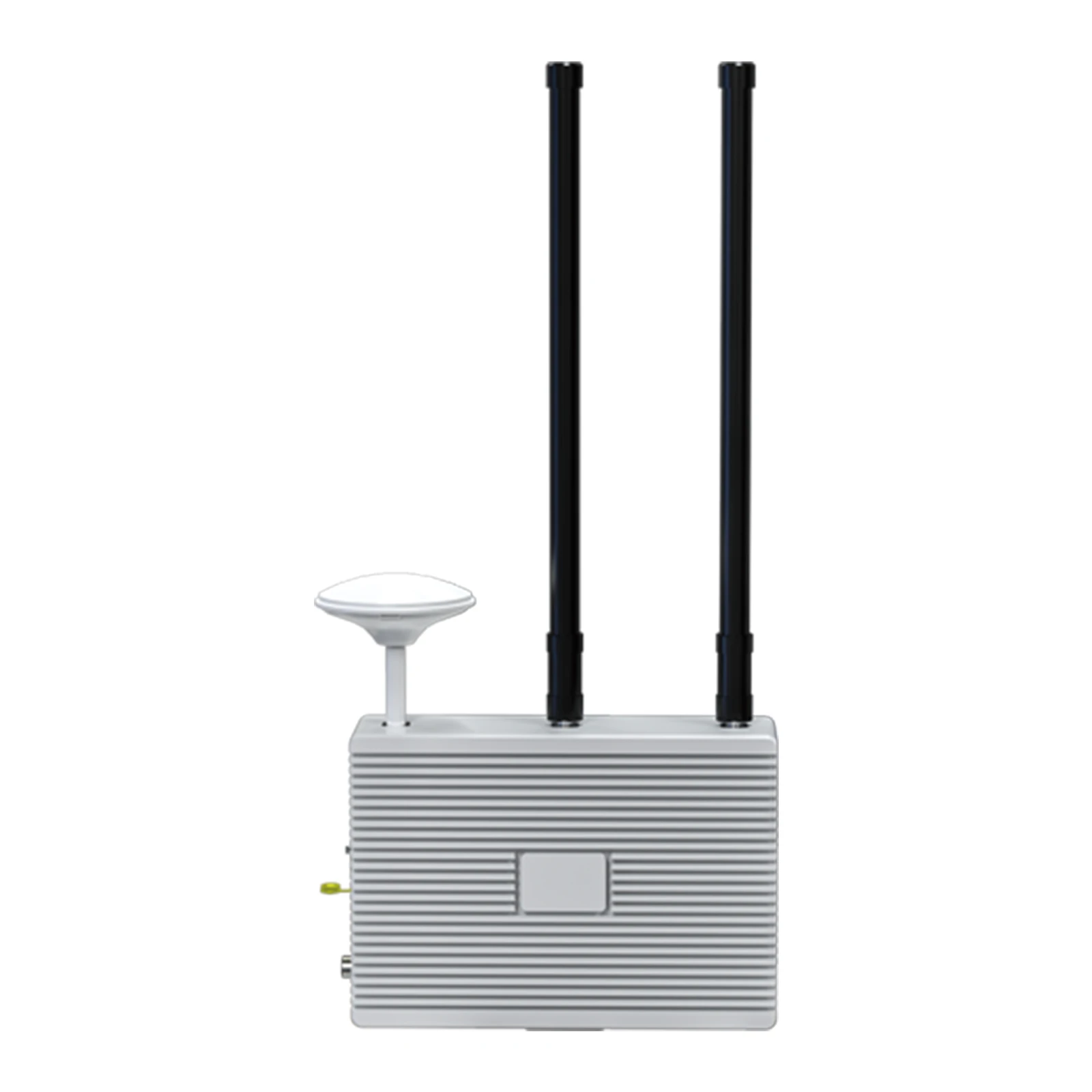
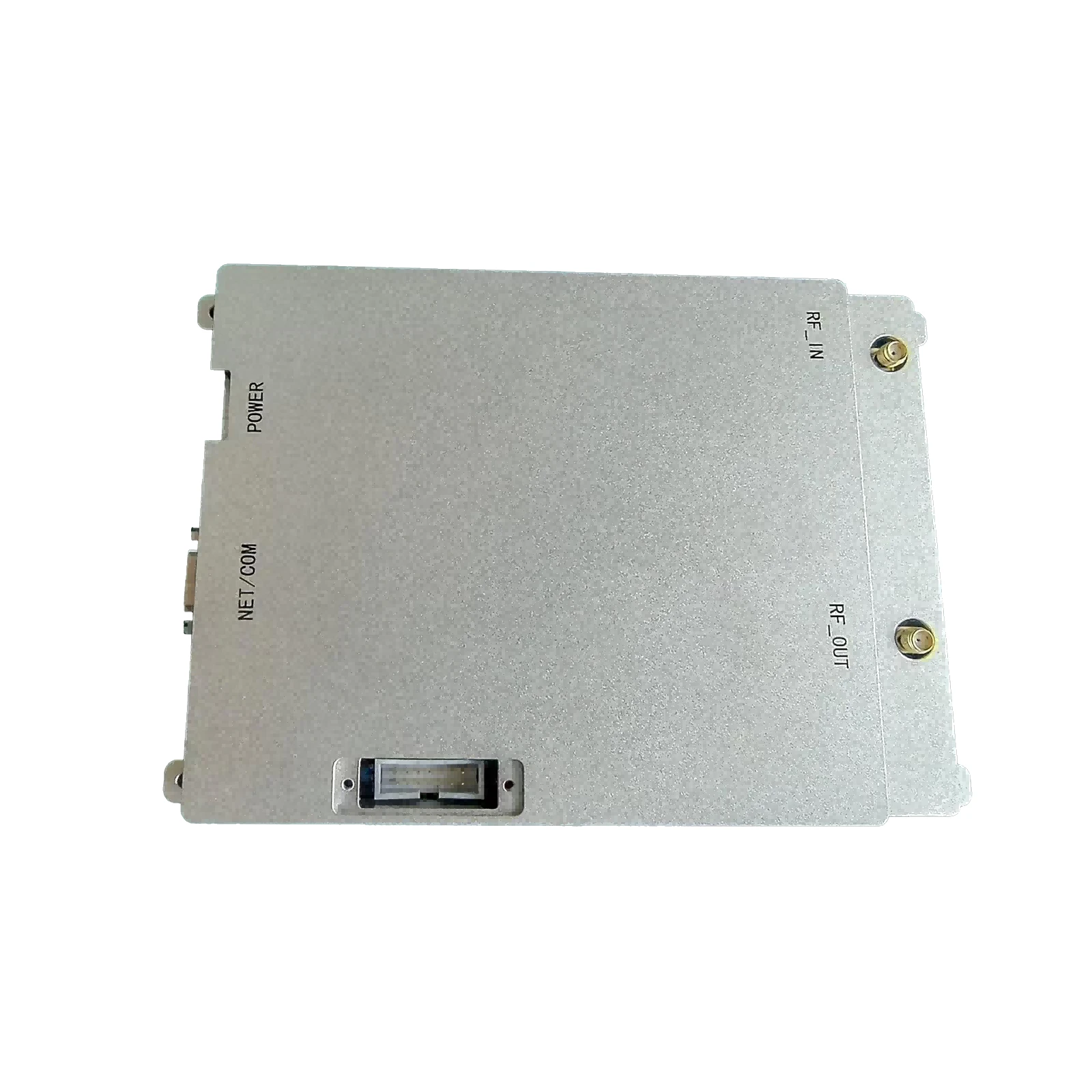
Simply put, the mrfe6vp61h25k hf amplifier is a specialized power transistor module designed to amplify signals in the high-frequency radio spectrum, roughly from 3 to 30 MHz. You can think of it as a very robust “volume knob” for radio signals — but instead of a casual boost, it cranks power up massively, retaining signal integrity. Its rugged design and efficiency make it a core component in long-distance radio, radar installations, and high-power RF transmitters. It’s a bit like the unsung workhorse behind many critical radio communications.
Core Aspects of the mrfe6vp61h25k HF Amplifier
1. Power Capacity and Efficiency
This amplifier is capable of handling high power outputs—up to several kilowatts. What’s notable is its efficiency rating, often exceeding 70%, meaning less wasted energy and heat. This directly impacts operating costs and thermal management challenges.
2. Durability and Thermal Management
Engineers appreciate the rugged construction. The transistor uses state-of-the-art silicon carbide materials that tolerate high temperatures better than traditional silicon. That means longer equipment life, fewer failures, and less downtime, especially important in remote or critical environments.
3. Frequency Range and Bandwidth
Supporting a broad HF range, the amplifier fits multiple applications—from military communications that need secure, jam-resistant signals to civilian broadcasting covering vast geographic areas. The bandwidth flexibility also allows it to adapt to evolving frequency regulations worldwide.
4. Scalability and Modularity
Manufacturers design these amplifiers to be modular, letting users scale power by combining multiple units. This flexibility is prized in industrial and research setups where requirements can quickly change.
Technical Specifications at a Glance
| Specification | Details |
|---|---|
| Frequency Range | 3 MHz – 30 MHz (HF band) |
| Output Power (Typical) | 1,200 W (peak) |
| Efficiency | Approx. 72% |
| Operating Temperature | -40 °C to +85 °C |
| Technology | Silicon carbide MOSFET |
Global Applications & Use Cases
- Remote Communications: In regions like sub-Saharan Africa and Siberia, where broadband infrastructure isn’t always feasible, HF radio remains a lifeline. The mrfe6vp61h25k amplifier’s rugged efficiency helps keep vital communications alive during harsh weather and logistical challenges.
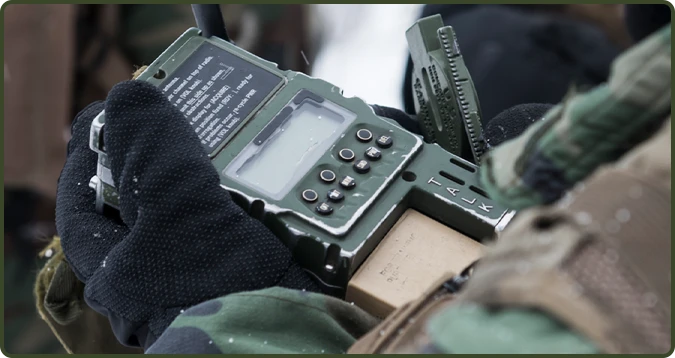
- Military and Security: Many defense organizations depend on HF amplifiers for secure, long-distance radio communications that satellites might not reliably provide. The robustness of this amplifier supports tactical deployments with high uptime.
- Broadcasting: Some public and commercial broadcasters use HF transmitters for shortwave radio, reaching audiences thousands of kilometers away inexpensively.
- Disaster Relief: After earthquakes or hurricanes, when cellular networks are down, HF radios powered by these amplifiers become critical tools for coordinating aid.
It’s funny to think that a component like this quietly underpins so many life-changing operations across continents.
Comparing Popular mrfe6vp61h25k hf Amplifier Vendors
| Feature | Vendor A | Vendor B | Vendor C |
|---|---|---|---|
| Power Output | 1200 W | 1100 W | 1250 W |
| Thermal Management | Liquid Cooled | Air Cooled | Hybrid Cooling |
| Efficiency | 72% | 68% | 70% |
| Price Range | $$$ | $$ | $$$ |
Advantages and Long-Term Value
It might seem technical, but the benefits ripple wide:
- Cost Efficiency: Less wasted energy means smaller electricity bills — which adds up for large-scale deployments.
- Reliability: Better thermal properties reduce failures and maintenance downtime, which in mission-critical systems can actually save lives.
- Environmental Impact: Efficient power use translates into lower carbon footprints, supporting global sustainability goals aligned with ISO 14001.
- Social Impact: By powering communication lifelines, this amplifier indirectly supports safety, education, and economic development in underserved areas.
Emerging Trends & Future Innovations
Looking ahead, the evolution of mrfe6vp61h25k hf amplifiers is tied closely to advances in materials science and digital control. Silicon carbide technology continues to improve, promising even higher power and efficiency. Plus, integration with smart diagnostics and remote monitoring will mean these amplifiers can self-adjust or alert tech teams preemptively—reducing downtime.
Eco-conscious policies are pushing manufacturers to reduce hazardous components and embrace circular economy principles. Automation in production also means these amplifiers can be customized and deployed faster than ever. Given how crucial HF communications remain for emergencies and defense, these innovations aren’t just cool—they’re necessary.
Challenges & Forward-Looking Solutions
There are hurdles, of course. Thermal management remains tricky in extreme climates, and initial cost can be a barrier for smaller operators. Additionally, rapidly changing RF regulations worldwide demand adaptable designs.
Expert communities encourage modular builds and hybrid cooling systems to offset heat issues. Ongoing research into gallium nitride transistors shows promise, possibly complementing silicon carbide in future designs. Meanwhile, user-friendly interfaces and modular firmware updates help stay compliant with new rules without massive hardware overhauls.
Frequently Asked Questions About mrfe6vp61h25k hf Amplifiers
Q1: What makes the mrfe6vp61h25k amplifier preferable over other HF amplifiers?
A1: Its combination of high power output with excellent efficiency and rugged construction makes it ideal for tough, high-reliability environments, setting it apart from less specialized HF amplifier options.
Q2: How long do these amplifiers typically last in the field?
A2: With proper cooling and maintenance, they can last 10+ years, especially because silicon carbide technology withstands heat better than older transistor types.
Q3: Are mrfe6vp61h25k hf amplifiers suitable for humanitarian emergency communication setups?
A3: Absolutely. Their reliability and power range make them excellent for field radios used by NGOs during disasters, especially in areas without stable infrastructure.
Q4: Can these amplifiers be integrated into existing HF communication systems?
A4: Yes, their modular design allows retrofitting or upgrade paths without full system overhauls, providing cost-effective enhancements.
Conclusion
All in all, the mrfe6vp61h25k hf amplifier is more than just a niche component; it’s a backbone for resilient, efficient, and scalable HF communication worldwide. Whether you’re looking to bolster critical infrastructure or support remote connectivity, investing in technology like this has long-term payoffs in reliability, cost, and environmental impact. Curious to learn more or explore options? Visit mrfe6vp61k25h hf amplifier for detailed product selections and expert guidance.
Oddly enough, while it’s a technical topic, it really boils down to one thing: keeping people connected when it matters most.
Mini takeaway: Understanding the mrfe6vp61h25k hf amplifier opens doors to more efficient, robust radio networks critical for both everyday and emergency communication worldwide.
References:

-
 09 March 2021 16 Apr 2026
 -
 09 March 2021 09 Apr 2026
 -
 09 March 2021 07 Apr 2026
 -
 09 March 2021 04 Apr 2026
 -
 09 March 2021 31 Mar 2026
-
 09 March 2021 21 May 2025
 -
 09 March 2021 25 Dec 2024
 -
 09 March 2021 14 Oct 2022
-
 09 March 2021 25 Dec 2024
 English
  Arabic
  Belarusian
  Danish
  Dutch
Dutch  French
  German
  Greek
Greek  Japanese
  Korean
  Myanmar
  Polish
  Portuguese
  Russian
  Spanish
  Swedish
  Thai
Thai  Ukrainian
  Vietnamese