

Comprehensive Guide to rf power combiner schematic: Definitions, Applications & Future Innovations
Understanding the rf power combiner schematic: A Key to Modern RF Systems
In the fast-evolving world of radio frequency (RF) engineering, the concept of an rf power combiner schematic might sound a bit niche — but it’s actually fundamental to a wide range of applications. From cellular tower infrastructure to satellite communications and even humanitarian aid logistics, the ability to combine RF power efficiently shapes how signals are transmitted globally. Understanding this schematic not only reveals how these complex systems come together but also illustrates the benefits of optimizing performance, reliability, and cost-efficiency in RF networks.
Global Context: Why rf power combiner schematic Matters
Globally, the telecommunications sector alone represents over $1.6 trillion, with RF power combining playing a vital role in cell towers, 5G bases, and emergency communications. According to the International Telecommunication Union (ITU), expanded coverage and bandwidth depend heavily on effective power combining to maintain signal quality and reduce energy waste. Oddly enough, despite advances, many rural and remote areas still struggle with patchy coverage, partly due to less-optimized RF setups. That challenges engineers to rethink how power combiners can be implemented more cost-effectively and durably.
So what exactly is an rf power combiner schematic, and why should industry professionals, as well as humanitarian organizations, care about it? Before we dive deeper, let’s decode some basics.
Defining rf power combiner schematic
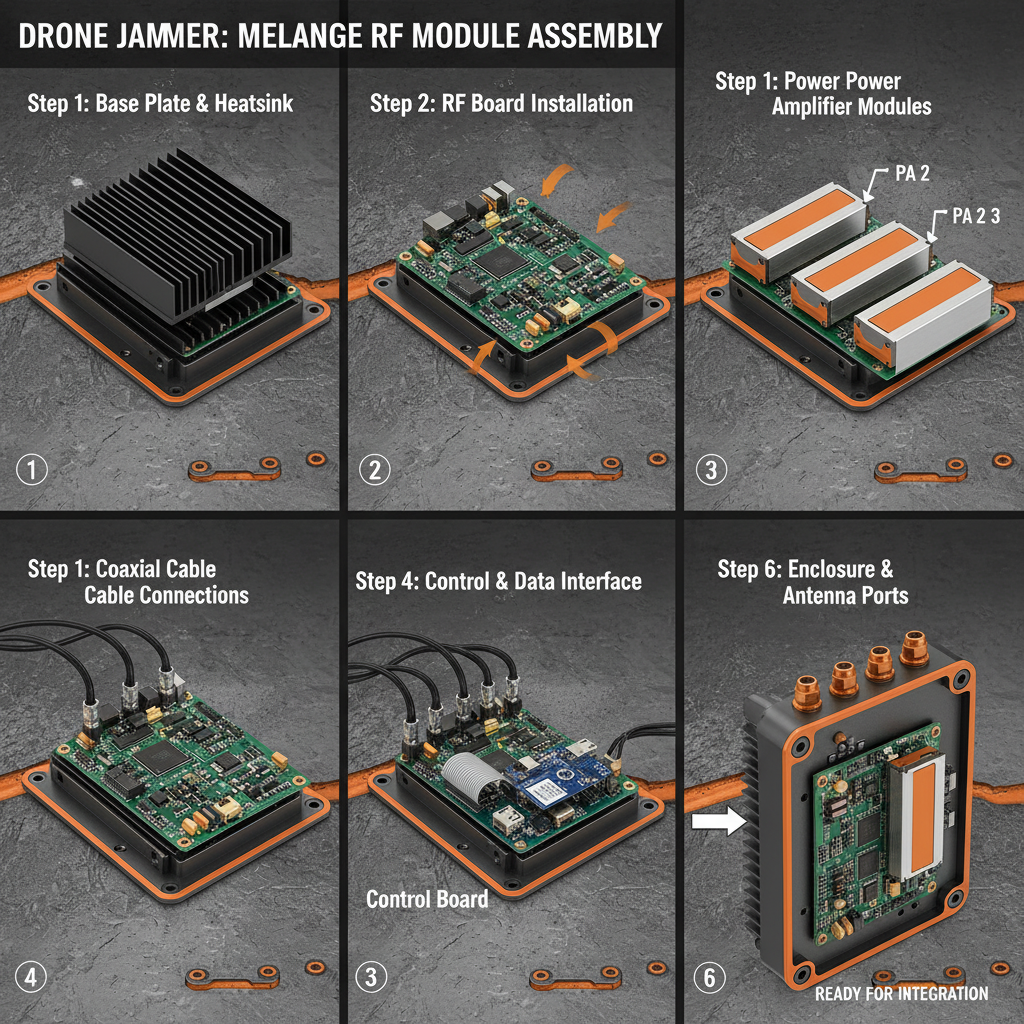
Put simply, an rf power combiner schematic is a technical diagram that shows the layout and connections of components used to merge multiple RF signals or sources into a single output signal. This isn’t just about joining wires; it involves careful consideration of impedance matching, phase alignment, and minimizing insertion loss to make sure the combined signal isn’t weakened or distorted.
These schematics are crucial for modern wireless systems, where multiple signal paths often need to be merged — say, combining power amplifiers to boost output, or integrating antenna arrays. In humanitarian terms, reliable RF power combine designs can mean better emergency networks during disaster relief, enabling rapid communication where it matters most.
Core Components & Key Factors in rf power combiner schematic
1. Impedance Matching
This ensures maximum power transfer and minimal reflection between combined signals. A good schematic will illustrate carefully calculated impedance levels for each port.
2. Isolation Between Inputs
Preventing undesired coupling between sources is vital to reduce interference — detailed in schematics by directional couplers or isolators.
3. Insertion Loss
Low insertion loss means less power wasted as heat; efficient designs minimize it for better overall system performance.
4. Scalability & Modular Design
Schematics often show modularity, allowing easy addition of inputs or outputs for future system upgrades.
5. Frequency Range Compatibility
Designs must align with frequency bands in use — low frequency versus microwave bands require different passive components illustrated in the schematic.
Real-World Applications & Use Cases
You might not consciously notice it, but RF power combiners are silently at work everywhere. Consider:
- Telecommunications Networks: Merging power from multiple amplifiers to improve signal strength across towers in urban and rural settings.
- Satellite Communications: To combine uplink signals without loss and maintain signal integrity over vast distances.
- Disaster Relief Operations: Portable RF systems with efficient combiners help maintain emergency channels when infrastructure is down.
- Remote Industrial Zones: Combining power in rugged environments where frequent maintenance isn’t feasible.
For example, in the aftermath of a cyclone, emergency communicators rely on rapid deployment of RF systems designed from robust power combiner schematics to maintain uninterrupted coverage.
Advantages and Long-Term Value
Besides the obvious technical gains, using well-designed rf power combiner schematics brings:
- Cost Efficiency: Reduces hardware redundancy by combining signals efficiently, lowering the number of needed amplifiers.
- Energy Savings: Less power loss contributes to greener operations, aligning with sustainable development goals (SDGs).
- Reliability & Safety: Ensures stable communications in critical environments — essential for both commercial users and emergency services.
- Innovation Enablement: Facilitates integration of new technologies like 5G and IoT devices without complete infrastructure overhaul.
In other words, it's not just an engineering feat — it's about trust, safety, and innovation rolled into one.
Product Specifications: Typical rf power combiner example
| Parameter | Specification |
|---|---|
| Frequency Range | 700 MHz – 2.6 GHz |
| Insertion Loss | ≤ 0.5 dB |
| Number of Inputs | 4 |
| Isolation | ≥ 20 dB |
| Power Handling | 500 W |
| Operating Temperature | -40°C to +85°C |
Vendor Comparison: A Quick Look at Popular rf power combiners
| Vendor | Frequency Range | Insertion Loss | Max Power | Price Range (USD) |
|---|---|---|---|---|
| Combinex Corp | 600 MHz - 2.5 GHz | 0.4 dB | 400 W | $500 - $700 |
| RF Solutions Ltd. | 700 MHz - 3 GHz | 0.5 dB | 600 W | $550 - $800 |
| PowerMax Electronics | 800 MHz - 2.6 GHz | 0.3 dB | 500 W | $600 - $900 |
Future Trends & Innovations in rf power combiner schematic
Looking ahead, the field is buzzing with promise. Emerging materials such as graphene and other 2D composites show potential for drastically lowering insertion loss and improving thermal management. Furthermore, digital transformation is reshaping how schematics are designed — computer-aided design (CAD) software with AI assistance now helps engineers rapidly prototype and test complex combiners virtually, saving time and costs.
Additionally, green energy integration means more RF systems will be designed for renewable-powered environments, emphasizing energy efficiency and sustainability. Imagine solar-powered base stations with smarter RF combiners that intelligently allocate power — the future is not just about raw signal strength but about smart adaptability.
Challenges & Solutions
No technology is without its hurdles. In the world of RF power combining, some common pain points include:
- Heat Dissipation: Higher power levels mean increased heat, which can degrade components.
- Manufacturing Tolerances: Minute variations affect impedance matching and overall performance.
- Frequency Band Overlaps: Making combiners compatible across multiple bands can be tricky.
Experts tackle these issues with innovative cooling techniques (like integrated heat sinks), tighter quality control protocols, and reconfigurable combiners using tunable elements. In fact, many firms now offer modular designs that can be quickly adjusted on-site to changing frequency needs — quite handy when regulations or standards evolve.
FAQ: Frequently Asked Questions About rf power combiner schematic
Q1: What are the key benefits of using an rf power combiner schematic in 5G networks?
A: They enable combining multiple amplifier outputs to increase signal strength and coverage while maintaining low insertion loss and interference. This enhances network capacity and reliability, which are critical for 5G performance.
Q2: How does impedance matching in an rf power combiner schematic affect system efficiency?
A: Proper impedance matching ensures that maximum power is transferred between components without reflected waves, reducing losses and protecting sensitive parts from damage.
Q3: Can rf power combiners be used in both wired and wireless RF applications?
A: Generally, rf power combiners are used primarily in wireless RF signal combining; however, some wired RF systems like coaxial distribution networks can also use similar combining techniques.
Q4: How can I evaluate the quality of an rf power combiner schematic before manufacturing?
A: Look for detailed component parameters such as insertion loss, isolation, power handling, and operating frequency. Simulation data and prototype testing reports are also valuable.
Conclusion & Call to Action
In sum, a well-crafted rf power combiner schematic is much more than an engineering blueprint — it’s the backbone of efficient, reliable RF systems that power our connected world. From improving cellular coverage to supporting critical emergency communications, understanding its design and applications offers robust benefits, both financially and socially.
If you’re involved in RF system design or deployment, why not explore further? Visit our website: https://www.drone-system.com for detailed insights and professional resources on RF power combiners and related technologies.
Mini takeaway: Mastering the nuances of rf power combiner schematics isn’t just technical know-how — it’s unlocking potential for smarter, greener, and more resilient communication networks worldwide.
References

-
 09 March 2021 16 Apr 2026
 -
 09 March 2021 09 Apr 2026
 -
 09 March 2021 07 Apr 2026
 -
 09 March 2021 04 Apr 2026
 -
 09 March 2021 31 Mar 2026
-
 09 March 2021 21 May 2025
 -
 09 March 2021 25 Dec 2024
 -
 09 March 2021 14 Oct 2022
-
 09 March 2021 25 Dec 2024
 English
  Arabic
  Belarusian
  Danish
  Dutch
Dutch  French
  German
  Greek
Greek  Japanese
  Korean
  Myanmar
  Polish
  Portuguese
  Russian
  Spanish
  Swedish
  Thai
Thai  Ukrainian
  Vietnamese