

Discover the Power of nwdz rf pa 2.0 – Advanced RF Power Amplification for Global Communications
Understanding nwdz rf pa 2.0: A Global Game Changer
In today’s fast-evolving landscape of technology and infrastructure, the term nwdz rf pa 2.0 has begun to pop up more often, especially among engineers, planners, and humanitarian organizations alike. But what exactly is this concept and why should it capture global attention? Simply put, it’s an upgraded system designed to streamline and optimize radio frequency power amplification within next gen communication and industrial setups. Whether you’re tackling remote industry challenges or managing complex emergency relief communications, understanding nwdz rf pa 2.0 can unlock significant benefits — from enhanced efficiency to cost savings.
Why It Matters on the World Stage
The global push toward robust, scalable communication solutions is only intensifying. According to the International Telecommunication Union (ITU), more than 60% of the world’s population still faces constraints in accessing reliable wireless connectivity, often due to poor infrastructure. Enter nwdz rf pa 2.0, which represents an important step forward in bridging this gap.
Moreover, the World Bank estimates that industries and governments worldwide allocate billions annually to improve emergency communication and remote industrial operations. Inefficient power amplification systems contribute to wasted energy and operational bottlenecks, problems nwdz rf pa 2.0 directly addresses.
What Is nwdz rf pa 2.0?
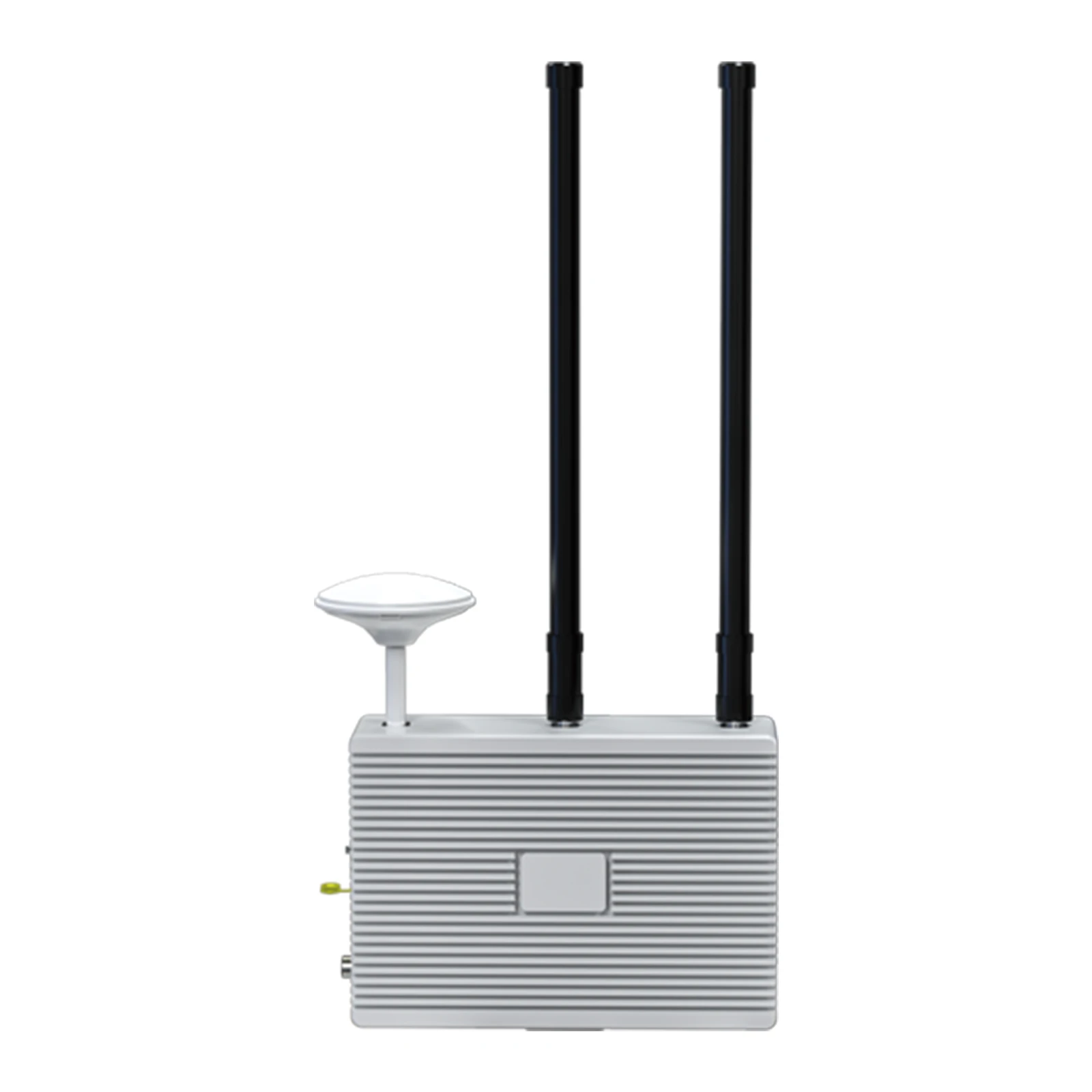
If you break down the cryptic name, it’s easier to get the gist: it’s the second iteration (hence 2.0) of a next wave digital zone radio frequency power amplifier system. In less technical terms, it’s a sophisticated piece of hardware/software combo that boosts the strength and quality of radio signals used in a variety of industrial, commercial, or relief settings.
Think of it as the muscle behind your radio setup, making sure signals get where they’re supposed to go, even across tough terrain or in adverse conditions. This isn’t futuristic sci-fi – it’s the kind of tech that’s quietly improving things now, from logistics hubs in Africa to telecommunications centers across Europe.
Key Components of nwdz rf pa 2.0
1. Durability
One of the hallmarks of nwdz rf pa 2.0 is its ruggedized design. Often deployed in harsh environments, these amplifiers withstand temperature swings, moisture, and shocks without faltering. It’s critical for field operations, whether in deserts or flood zones.
2. Scalability
What’s cool is how modular these systems are. You can scale up or down the amplification power, tailoring it for big industrial zones or tighter, mobile applications. This flexibility means a single system can serve many end-users and use cases.
3. Energy Efficiency
Energy consumption is always a concern, especially when running on backup generators or solar power in remote spots. nwdz rf pa 2.0 incorporates more efficient circuitry, reducing wasted wattage and lowering operational costs.
4. Compatibility & Integration
These amplifiers play well with existing communication protocols and infrastructure. Whether 4G, 5G, or specialized industrial networks, integration hurdles are minimal — a real boon for rapid deployment projects.
5. Remote Monitoring & Control
Many iterations now include IoT-enabled features. Operators can monitor system health and adjust parameters remotely, saving time and avoiding costly site visits.
Mini takeaway: The beauty of nwdz rf pa 2.0 lies not just in power boosting but in smart, adaptable design built for real-world complexity.
Real-World Applications of nwdz rf pa 2.0
This technology has found footing in diverse sectors globally:
- Disaster Relief: After hurricanes or earthquakes, rapid deployment of communication networks is crucial. nwdz rf pa 2.0 systems help establish stable radio links for coordination teams even amid destroyed infrastructure.
- Remote Industrial Operations: Mining, oil fields, and energy installations in isolated regions benefit from robust signal amplification for safety and process control.
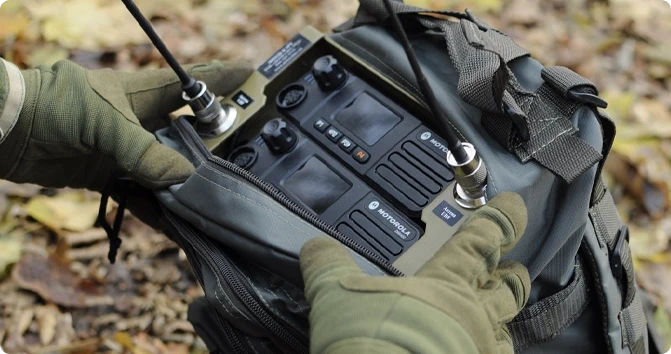
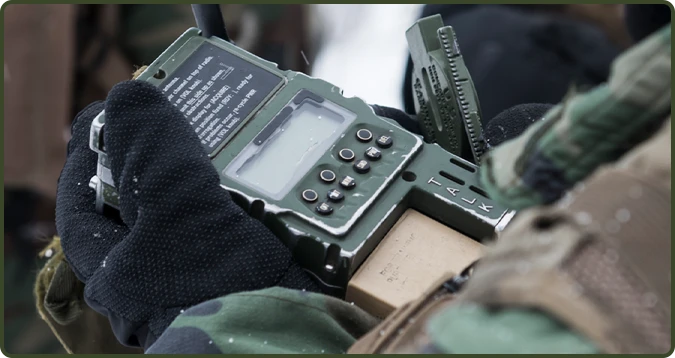
- Military Communications: Secure and dependable signal strength is paramount in defense applications, a common user of high-grade power amplifiers.
- Telecommunication Providers: Expanding 4G and 5G networks in underserved regions necessitates scalable power amplifiers such as nwdz rf pa 2.0.
In fact, countries in Sub-Saharan Africa and Southeast Asia are reported to pilot these amplifiers to improve rural connectivity, according to recent ITU studies.
Advantages and Long-Term Value
Beyond raw power, here’s where nwdz rf pa 2.0 really shines:
- Cost Efficiency: Lower energy use plus less maintenance means long-term savings.
- Reliability: When communications are mission-critical, you want tech that stays on even under pressure.
- Sustainability: Reduced power wastage aligns with global green energy goals and lowers carbon footprints.
- Social Impact: Better communication networks contribute to safer, more coordinated disaster response and improved citizen connectivity.
Oddly enough, even the psychological peace of mind it offers — knowing your comms won’t fail when you need them most — can be invaluable.
Looking Ahead: Future Trends Around nwdz rf pa 2.0
Emerging developments in this field promise exciting upgrades:
- Green Integration: Amplifiers powered or cooled using renewable energy are under heavy research.
- AI-Driven Optimization: Future devices will adjust amplification in real-time based on signal conditions and demand patterns.
- Miniaturization: Smaller ripple effect amplifiers, like next-gen nwdz rf pa units, will enhance deployment in mobile use cases.
- Improved Security: Robust encryption features embedded to protect sensitive data transmission.
Challenges and How Experts Are Tackling Them
No tech is perfect, and nwdz rf pa 2.0 faces a few hurdles:
- Initial Cost: High-grade hardware can be pricey upfront, though offset by lifecycle savings.
- Deployment Complexity: Remote area installations can involve logistics headaches and need skilled technicians.
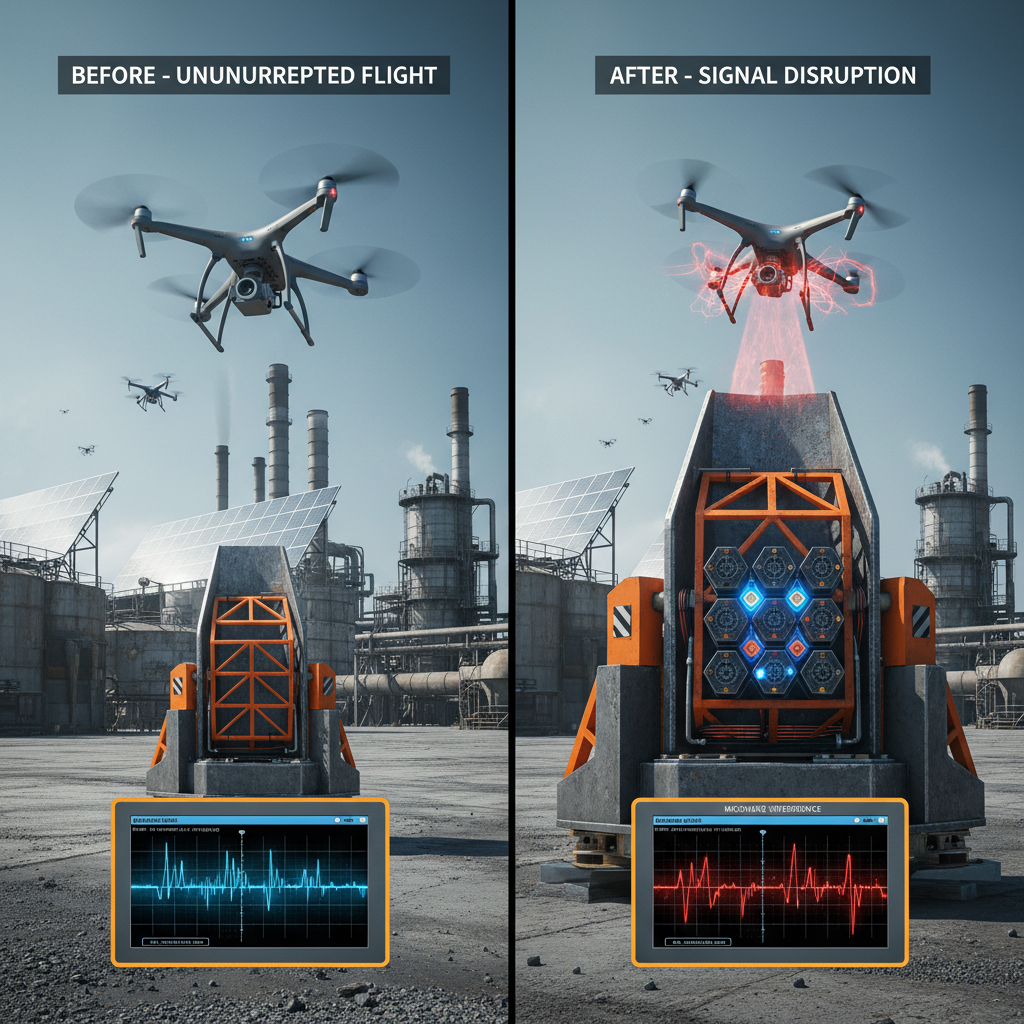
- Interference Issues: Maintaining optimal signal quality requires careful spectrum management, especially in congested regions.
Industry leaders are addressing these through better training, modular kits for easier assembly, and partnerships for spectrum allocation and management.
Product Specification Table: Typical nwdz rf pa 2.0 Model
| Specification | Details |
|---|---|
| Output Power | 50 - 200 Watts |
| Operating Frequency Range | 700 MHz - 6 GHz |
| Energy Efficiency | Up to 65% |
| Operating Temperature | -40°C to +70°C |
| Dimensions | 350mm x 220mm x 120mm |
| Weight | 5.5 kg |
Vendor Comparison: Leading nwdz rf pa 2.0 Systems
| Vendor | Power Range | Energy Efficiency | Cost (USD) | Best For |
|---|---|---|---|---|
| SkyWave Tech | 50-150 W | 62% | $4,500 | Disaster Relief & Remote Ops |
| OptiAmp Solutions | 100-200 W | 65% | $7,200 | Industrial & Telecom Providers |
| RelayCom | 40-120 W | 60% | $3,800 | Mobile & Small Scale Deployments |
Frequently Asked Questions About nwdz rf pa 2.0
What makes nwdz rf pa 2.0 better than older power amplifier versions?
The 2.0 version improves energy efficiency by around 10-15%, supports a wider frequency range, and often comes with IoT-enabled remote monitoring capabilities. This means less power consumption, easier maintenance, and more flexibility compared to legacy systems.
How long can nwdz rf pa 2.0 units reliably operate in harsh environments?
With ruggedized design and robust components, many units can last 5-7 years even under extreme weather conditions, such as deserts and tropical regions, assuming regular maintenance.
Is using nwdz rf pa 2.0 eco-friendly?
Absolutely. Thanks to better energy efficiency and reduced heat production, these amplifiers lower carbon emissions compared to older models. When paired with renewable energy sources, their eco-friendliness improves substantially.
Can NGOs import nwdz rf pa 2.0 units internationally without hassle?
While many vendors support international shipments, NGOs should ensure compliance with local import regulations and RF licensing requirements to avoid delays. Many companies also offer consultancy services to assist in smooth delivery.
In Conclusion: Why nwdz rf pa 2.0 Deserves Your Attention
When technologies like nwdz rf pa 2.0 enter the spotlight, it’s rarely just about fancy upgrades. It’s about enabling better connections, safer workplaces, and more resilient communities. Long-term, the cost savings, improved sustainability, and adaptability this system offers could well become a cornerstone of how industries and relief operations communicate.
If this sounds like the future you want to be a part of — whether you’re planning a large telecom rollout, supporting disaster response, or running a remote industrial site — check out the latest solutions, starting with nwdz rf pa 2.0.
Mini takeaway: For those needing robust, scalable communication power amplification — this is definitely worth keeping on your radar.
References & Further Reading

-
 09 March 2021 16 Apr 2026
 -
 09 March 2021 09 Apr 2026
 -
 09 March 2021 07 Apr 2026
 -
 09 March 2021 04 Apr 2026
 -
 09 March 2021 31 Mar 2026
-
 09 March 2021 21 May 2025
 -
 09 March 2021 25 Dec 2024
 -
 09 March 2021 14 Oct 2022
-
 09 March 2021 25 Dec 2024


 English
  Arabic
  Belarusian
  Danish
  Dutch
Dutch  French
  German
  Greek
Greek  Japanese
  Korean
  Myanmar
  Polish
  Portuguese
  Russian
  Spanish
  Swedish
  Thai
Thai  Ukrainian
  Vietnamese