

Expert Insights on RF Power Amplifier Circuit Design for Industrial Use
RF Power Amplifier Circuit Design: A Veteran’s Take
If you’ve spent even a little time in the industrial equipment world, you know RF power amplifiers aren’t just the “black box” glorified in brochures. Frankly, RF power amplifier circuit design is as much an art as it is applied science—a balance of materials, components, and nuanced circuitry that almost seems to have a personality of its own.
Oddly enough, the challenge of designing an RF amplifier starts before you even pick up a soldering iron. It’s about understanding the real-world operating environment: temperature swings, signal distortions, and power demands. I remember early on in my career getting frustrated by how a perfectly simulated design could fail spectacularly on the factory floor or worse—out in the field. That’s where ruggedness and precision come in.
Modern designs leverage semiconductor GaN transistors more often than old-school MOSFETs for higher power density. But materials aren’t the whole story. The layout of the circuit board, impedance matching, and thermal management play equally starring roles. Yes, all those supposedly small decisions add up to significant performance gains (or losses).
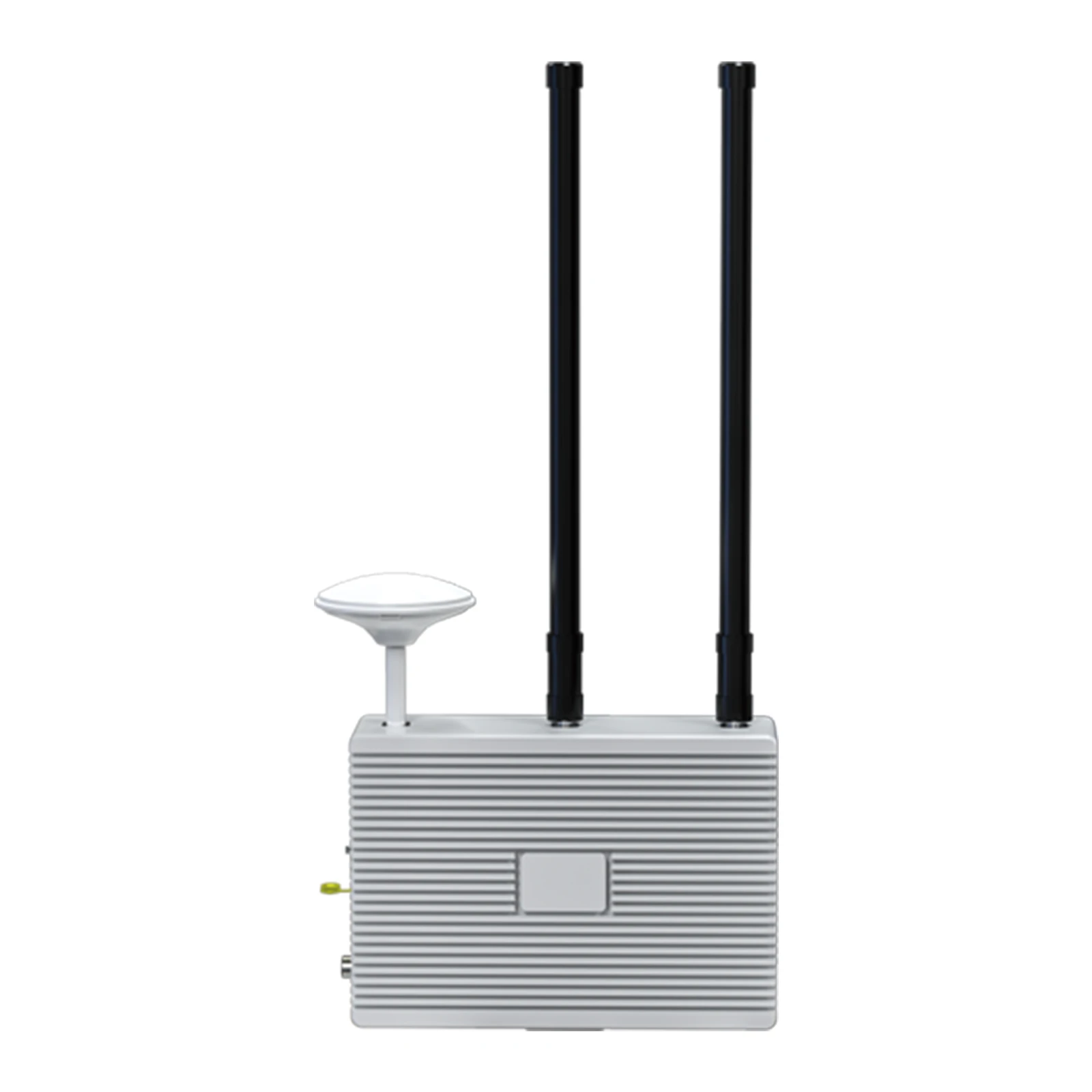
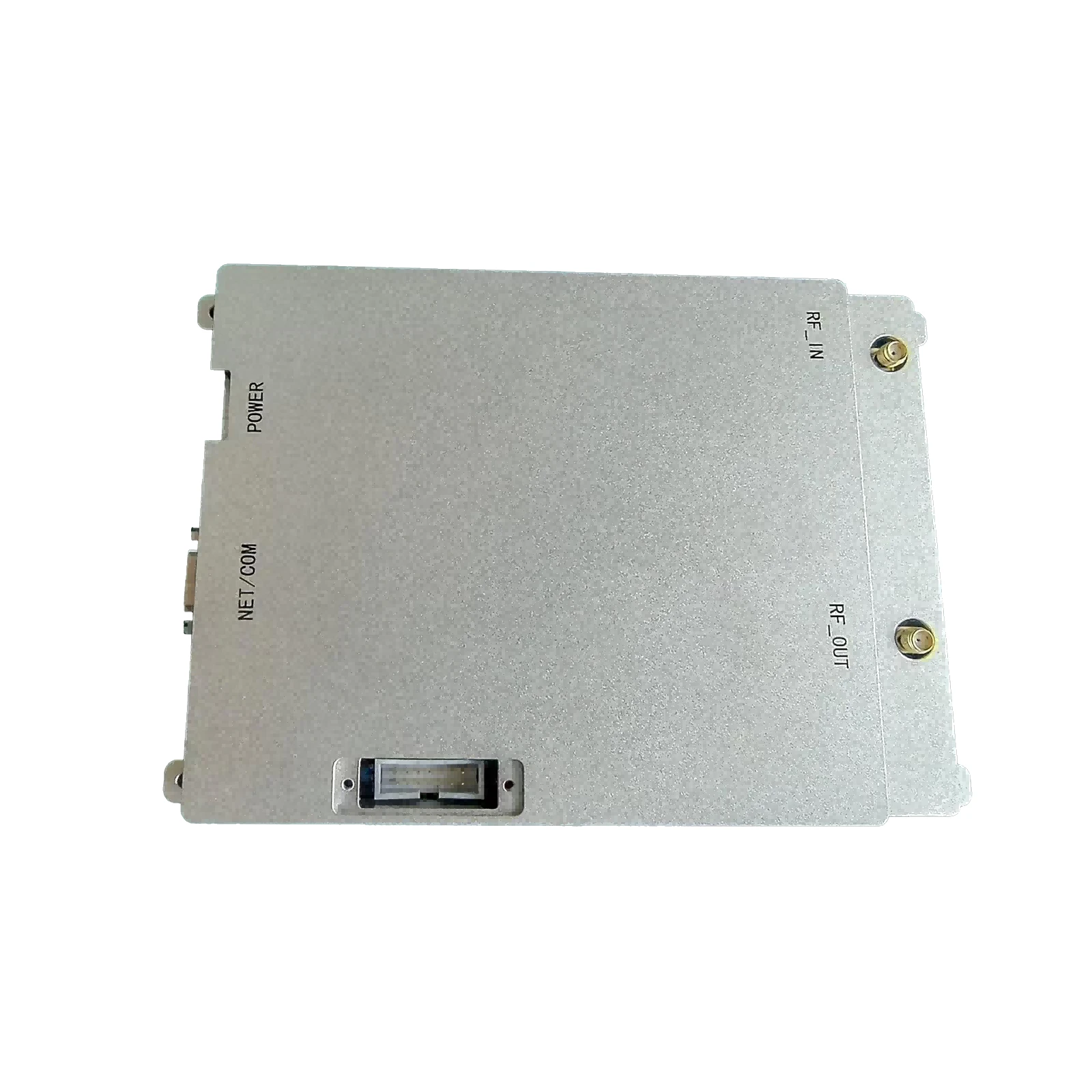
Take this specification snapshot for a typical high-performance RF power amplifier I worked with recently – it’s pretty revealing:
| Specification | Typical Value | Unit |
|---|---|---|
| Frequency Range | 2 – 6 | GHz |
| Output Power (P1dB) | 40 | Watts |
| Gain | 25 | dB |
| Efficiency | 55 | % |
| Supply Voltage | 28 | Volts |
Now, not every vendor approaches the design challenge the same way. Cost, component sourcing, and performance guarantees vary quite a bit. Off the cuff, here’s a quick vendor comparison that reflects typical market choices from my experience:
| Vendor | Design Approach | Typical Efficiency | Support & Customization | Price Tier |
|---|---|---|---|---|
| Alpha RF | Modular, GaN-focused | >60% | High, with custom board layouts | Premium |
| Beta AmpTech | Cost-optimized, silicon MOSFET | ~45% | Moderate, prefabricated designs | Mid-range |
| Gamma Systems | Custom, hybrid tech | 50-55% | Very high, engineering partnership | Variable |
In real terms, working hands-on with customers helped me appreciate just how critical support is, beyond specs. One memorable project involved a drone communication uplink where heat dissipation glitches nearly derailed an entire rollout. The vendor who provided rapid prototyping and on-site troubleshooting saved the day — and trust me, when your system is airborne and out of sight, you want rock-solid reliability.
Customization is often the unsung hero here. While many clients want “plug and play,” the reality is that kink-free integrations are rare without adapting PCB layouts or power stages tailored precisely for the application.
So, if you find yourself needing a robust amplifier solution that marries performance with practicality, remember that RF power amplifier circuit design invariably demands a mix of sharp design, smart materials, and experienced hands to bring it all together realistically.
After all, it feels like the difference between a textbook design and a truly industrial-grade amplifier lies in those little details you only notice after years in the trenches.
In short: Design smart, test thoroughly, and lean on vendors who get the nuances of high-voltage RF circuits — that’s where the magic happens.
References
- Smith, J. “GaN Transistors in RF Amplifier Circuits,” Journal of Industrial Electronics, 2021.
- Lee, A. “Thermal Management Strategies for Power Amplifiers,” IEEE Transactions, 2022.
- "Best Practices in RF PCB Layout," TechNotes, 2023.

-
 09 March 2021 16 Apr 2026
 -
 09 March 2021 09 Apr 2026
 -
 09 March 2021 07 Apr 2026
 -
 09 March 2021 04 Apr 2026
 -
 09 March 2021 31 Mar 2026
-
 09 March 2021 21 May 2025
 -
 09 March 2021 25 Dec 2024
 -
 09 March 2021 14 Oct 2022
-
 09 March 2021 25 Dec 2024

 English
  Arabic
  Belarusian
  Danish
  Dutch
Dutch  French
  German
  Greek
Greek  Japanese
  Korean
  Myanmar
  Polish
  Portuguese
  Russian
  Spanish
  Swedish
  Thai
Thai  Ukrainian
  Vietnamese