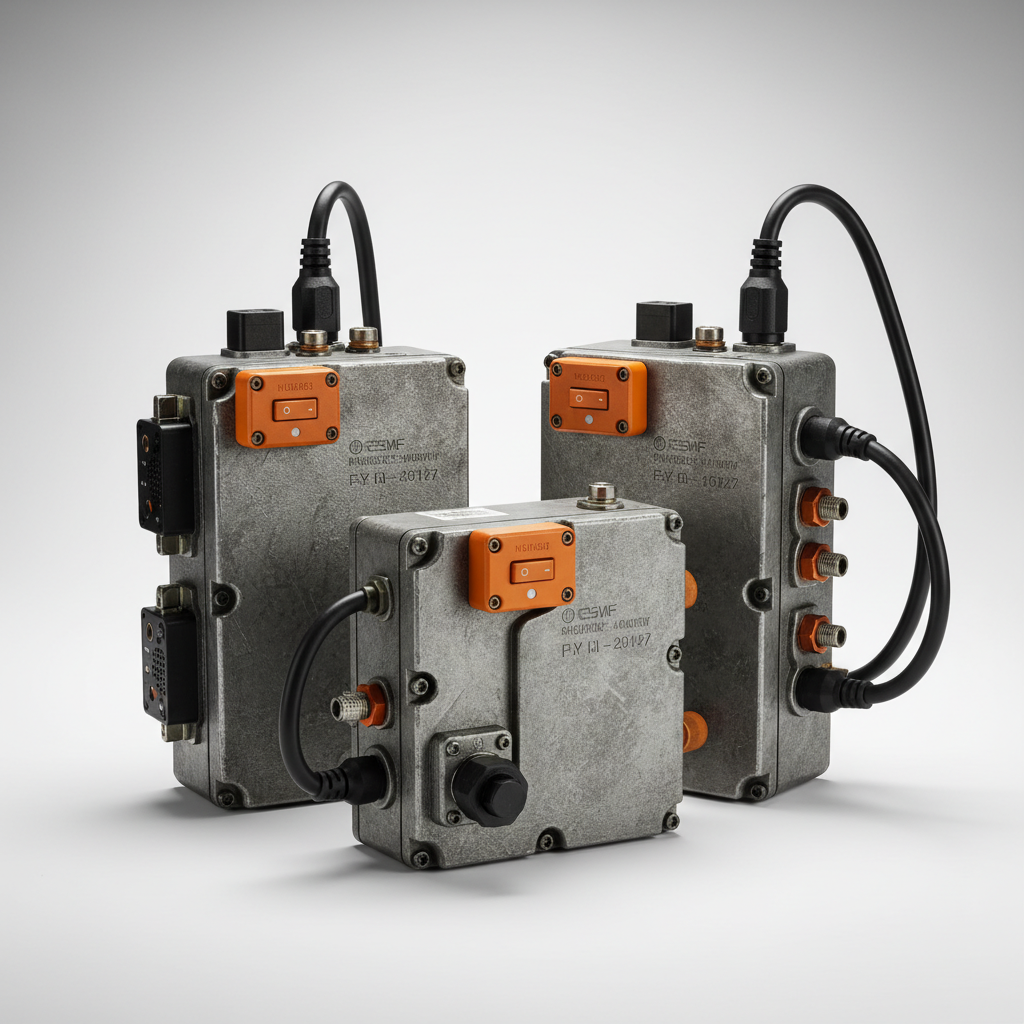
The rfof module, representing Rapidly Fieldable Operational Facilities, is gaining prominence globally as a versatile solution for diverse needs, ranging from disaster relief and emergency housing to remote industrial operations and even temporary medical facilities. Its core strength lies in its ability to provide quickly deployable, adaptable, and cost-effective infrastructure where conventional building methods are impractical or too slow. Understanding the principles and applications of the rfof module is becoming increasingly crucial for governments, NGOs, and private sector organizations alike.
The increasing frequency and intensity of natural disasters, coupled with growing global populations and the need for agile infrastructure in remote locations, is driving demand for innovative solutions like the rfof module. Traditional construction methods often struggle to meet the immediate needs following a crisis, or are simply not viable in challenging environments. The rfof module offers a compelling alternative, enabling rapid response and establishing functional facilities within days, or even hours, rather than months.
Furthermore, the rfof module isn't just about speed; it's about sustainability and adaptability. Modern rfof modules increasingly incorporate eco-friendly materials and designs, minimizing environmental impact. Their modular nature allows for easy expansion, reconfiguration, and even relocation, making them a uniquely flexible asset for a wide range of applications.
Introduction to the rfof Module
The rfof module is more than just a temporary shelter or building; it's a fully integrated system designed for rapid deployment and operational functionality. This encompasses everything from structural components and insulation to essential utilities like power, water, and sanitation. The speed of deployment is a critical feature, often reducing setup times from weeks or months with conventional construction to just days or even hours.
This capability is invaluable in situations where time is of the essence, such as responding to natural disasters, establishing field hospitals, or supporting remote industrial projects. The rfof module represents a paradigm shift in infrastructure provision, emphasizing flexibility, scalability, and sustainability.
Defining the rfof Module
At its simplest, an rfof module can be defined as a prefabricated, modular structure designed for swift assembly and deployment in diverse environments. Unlike traditional construction, which involves on-site building from raw materials, rfof modules are largely constructed off-site in controlled factory settings, ensuring higher quality and faster turnaround times. These modules are typically designed to be transported efficiently – often utilizing standard shipping containers or foldable frames – and easily connected to form larger, more complex structures.
The connection to modern industry and humanitarian needs is strong. Industries like oil and gas, mining, and construction rely heavily on rfof modules to house personnel and provide essential facilities in remote locations. Humanitarian organizations leverage rfof modules to deliver rapid shelter, medical care, and logistical support in disaster-stricken areas. The rfof module bridges the gap between immediate needs and long-term infrastructure development.
The defining characteristic is versatility. An rfof module isn’t limited to just housing. They can be configured as clinics, command centers, laboratories, workshops, or virtually any other functional space required. This adaptability makes them a critical asset in a constantly changing world.
Core Components of an rfof Module
Several key factors contribute to the functionality and effectiveness of an rfof module. First is Durability – modules must withstand harsh weather conditions, transportation stresses, and prolonged use. High-quality materials, robust construction techniques, and protective coatings are essential. Second is Scalability. A well-designed rfof module system should be easily expandable to accommodate changing needs, allowing for the addition of new modules or reconfiguration of existing ones.
Thirdly, Cost Efficiency is paramount. While the initial investment in an rfof module may be higher than simpler temporary shelters, the long-term cost savings – stemming from reduced construction time, lower labor costs, and minimized maintenance – often outweigh the upfront expenses. Fourth is Portability. Easy transport and swift assembly are crucial, and modules must be designed for efficient packing and unpacking.
Finally, Sustainability is becoming increasingly important. Modern rfof modules are incorporating eco-friendly materials, energy-efficient designs, and waste reduction strategies to minimize their environmental footprint. These five components – durability, scalability, cost efficiency, portability, and sustainability – work in concert to define a successful rfof module solution.
Key Performance Indicators for rfof Module Design
Evaluating the performance of an rfof module requires considering several key indicators. These aren’t simply about the physical structure but also its operational efficiency and suitability for its intended purpose. We can assess modules based on their deployment speed, measured in hours or days from arrival on site to full operational status. Equally important is the structural integrity, tested through simulations and real-world deployment to ensure resistance to wind, seismic activity, and other environmental stressors.
Another vital KPI is the energy efficiency of the module, considering insulation, ventilation, and the integration of renewable energy sources. Beyond technical specifications, user comfort and habitability must be assessed, taking into account factors like temperature control, noise levels, and internal space utilization.
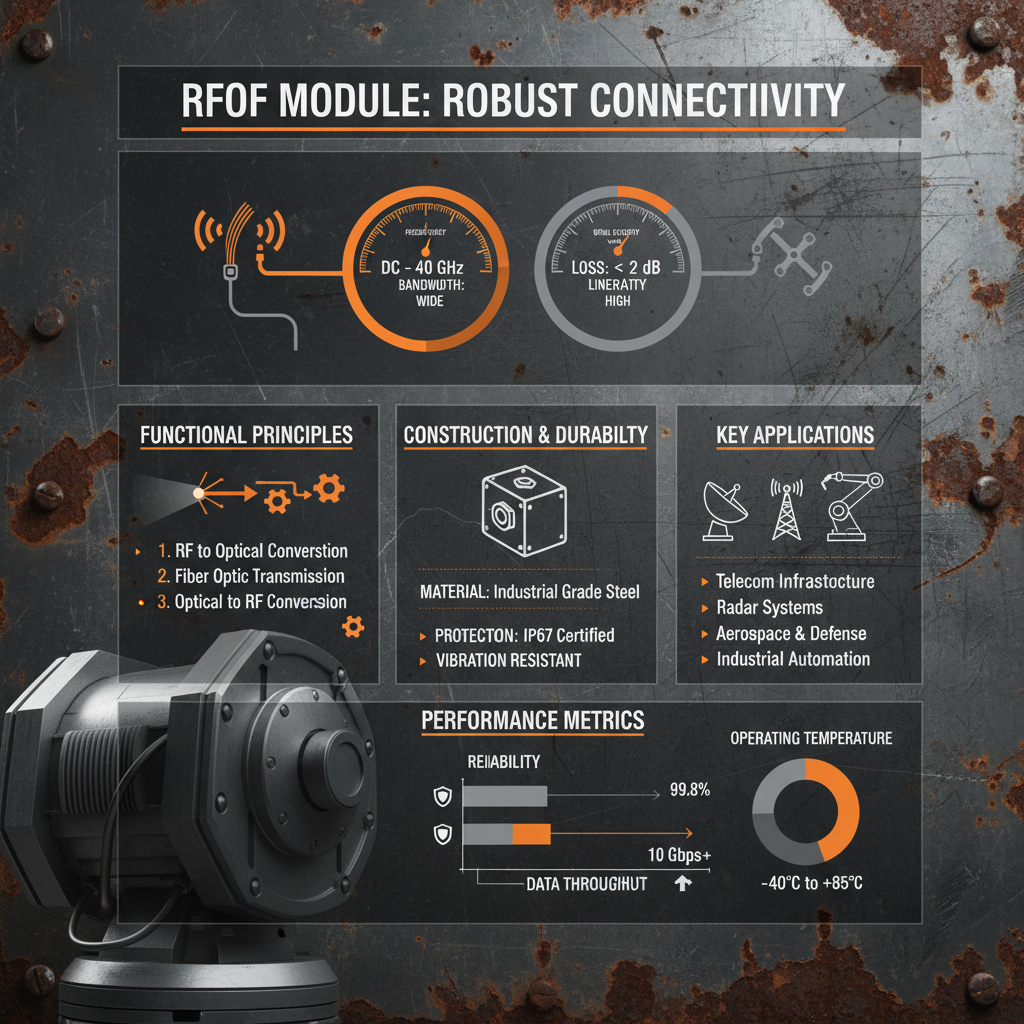
rfof Module Performance Metrics
Global Applications of the rfof Module
The applications of the rfof module are remarkably diverse. In post-disaster relief operations, modules provide immediate shelter, medical facilities, and logistical hubs for aid workers. Organizations like the Red Cross and Doctors Without Borders frequently utilize rfof modules to establish functioning field hospitals within hours of a disaster striking. In remote industrial zones, such as mining camps or oil rigs, rfof modules offer comfortable and secure accommodation for workers, reducing the need for costly and time-consuming permanent construction.
The use of rfof modules extends to military applications, providing rapidly deployable command centers, barracks, and medical facilities. Furthermore, the modules are increasingly used for temporary educational facilities in developing countries, providing safe and equipped learning environments for students. Governments are also employing rfof modules as temporary housing solutions for displaced populations or during large-scale events.
The Long-Term Value Proposition of the rfof Module
The benefits of investing in rfof modules extend far beyond immediate needs. The inherent flexibility and scalability of these systems provide long-term cost savings by eliminating the need for constant construction and demolition. The modules can be repurposed and relocated as needs evolve, maximizing their return on investment. This inherent adaptability offers a sustainable and efficient approach to infrastructure development.
Beyond economic benefits, the rfof module fosters a sense of safety and dignity for those who rely on them. Providing comfortable, secure, and well-equipped facilities enhances the quality of life for individuals in challenging circumstances. Furthermore, the use of innovative materials and construction techniques promotes a positive image of progress and resilience.
The rfof module isn’t just about building structures; it’s about building trust and fostering innovation in the way we approach infrastructure challenges.
Challenges and Future Innovations in rfof Module Technology
Despite the numerous advantages, the rfof module faces certain challenges. One key limitation is the potential for higher upfront costs compared to traditional temporary shelters. Addressing this requires optimizing manufacturing processes, exploring alternative materials, and leveraging economies of scale. Another challenge is ensuring seamless integration with local infrastructure, particularly in areas with limited access to utilities.
Future innovations are focused on enhancing sustainability, incorporating smart technologies, and improving energy efficiency. The development of self-powered rfof modules, utilizing renewable energy sources like solar and wind, is a major area of research. Integrating Internet of Things (IoT) sensors and automation systems will enable remote monitoring and control of module functions, optimizing energy consumption and enhancing security.
Furthermore, advancements in materials science are leading to the creation of lighter, stronger, and more environmentally friendly building materials, further improving the performance and sustainability of rfof modules.
Summary of Key Challenges and Solutions for rfof Module Implementation
| Challenge |
Impact on rfof Module |
Proposed Solution |
Implementation Timeline |
| High Initial Cost |
Limits accessibility for some organizations |
Mass Production & Material Optimization |
1-3 Years |
| Utility Integration Issues |
Hinders operational efficiency in remote areas |
Self-Sufficient Power & Water Systems |
2-5 Years |
| Limited Customization |
May not meet all specific needs |
Modular Interior Design Options |
Ongoing |
| Transportation Logistics |
Can be complex and expensive |
Foldable & Stackable Module Designs |
1-2 Years |
| Environmental Impact |
Traditional materials can be unsustainable |
Bio-Based & Recycled Materials |
3-5 Years |
| Regulatory Compliance |
Varies significantly by region |
Standardized Certification Processes |
Ongoing |
FAQS
rfof modules offer significant advantages including speed of deployment – reducing construction time from months to days – lower labor costs due to off-site fabrication, and greater flexibility and scalability. They are also often more sustainable, with potential for using recycled materials and minimizing on-site waste. Traditional construction often requires extensive site preparation and is vulnerable to weather delays, which rfof modules largely avoid.
The durability of an rfof module depends on the materials used and the quality of construction. However, well-built modules utilizing robust materials like steel frames and composite panels can have a lifespan of 20-50 years or even longer. Regular maintenance and inspections are crucial to maximizing their longevity. Some modules are designed to withstand extreme weather conditions and seismic activity.
Modern rfof modules are becoming increasingly eco-friendly. Common features include the use of recycled and renewable materials, energy-efficient insulation, water conservation systems, and the integration of renewable energy sources like solar panels. Reducing on-site waste during construction and minimizing the carbon footprint of transportation are also important considerations.
Transporting rfof modules typically involves using standard shipping containers or specialized transport vehicles. Site preparation is often minimal, requiring only a level foundation. Deployment involves connecting the modules to utilities and securing them in place. Careful planning is essential, considering access roads, crane availability, and local regulations.
Yes, rfof modules are highly customizable. Interior layouts can be adapted to suit various purposes, including medical clinics, classrooms, offices, or housing. Modules can be equipped with specialized equipment, such as medical devices or interactive whiteboards. Exterior finishes and cladding can also be customized to blend with the surrounding environment.
The cost of an rfof module varies significantly depending on its size, complexity, materials, and level of customization. A basic module can cost anywhere from $50,000 to $150,000 or more. Factors influencing the price include the materials used, the level of insulation and finishes, the inclusion of utilities, transportation costs, and site preparation expenses.
Conclusion
The rfof module represents a paradigm shift in infrastructure development, offering a compelling solution to the challenges of rapid deployment, adaptability, and sustainability. From disaster relief to remote industrial operations, the versatility of the rfof module makes it an invaluable asset in a constantly changing world. Its ability to provide quickly deployable, cost-effective, and functional facilities has a transformative impact on communities and organizations alike.
Looking ahead, continued innovation in materials science, smart technologies, and sustainable design will further enhance the performance and applicability of the rfof module. By embracing these advancements and fostering collaboration between governments, NGOs, and private sector stakeholders, we can unlock the full potential of this transformative technology and build a more resilient and sustainable future. Visit our website at www.drone-system.com to learn more about how rfof modules can benefit your organization.