

GaN Based RF Power Devices and Amplifiers – Efficient High-Power Solutions for Modern Communication
Understanding GaN Based RF Power Devices and Amplifiers: A Global Perspective
Gallium Nitride (GaN) based RF power devices and amplifiers have quietly revolutionized how modern industries manage high-frequency power. To put it plainly, these are the engines behind efficient, powerful radio frequency (RF) signals that power everything from cellular networks to radar systems. Now, why does this matter so much on a global scale? Well, with the ever-growing demands for higher-speed wireless communication, smarter satellite technology, and robust defense systems, understanding and applying GaN technology efficiently can reshape access to technology, improve response to emergencies, and drive forward green energy solutions globally.
I find it fascinating how these devices, often buried inside the guts of communications hardware, impact so much of our connected lives. They make signals crisper, connectivity faster, and devices smaller. It’s not just tech geeks who benefit; it ripples into society, economy, and even humanitarian efforts.
The Global Context: Why GaN RF Devices Matter Now More Than Ever
In 2023, the world was expected to have over 15 billion connected devices—phones, IoT gadgets, even drones—operating through RF signals. According to the International Telecommunication Union (ITU), the exponential growth in wireless communication places unprecedented stress on traditional electronics to perform efficiently. The result? Conventional silicon-based RF power devices often fall short in power output, heat management, and durability.
So here’s the problem: How can we build amplifiers and power devices that not only handle massive data and energy loads but also maintain efficiency and reliability in diverse environments? GaN-based RF power devices provide an answer, especially in remote areas and critical infrastructure. They reduce power wastage, minimize the size and weight of units, and improve long-term operational reliability—a game-changer when the roof is leaking or the power grid is shaky.
GaN Based RF Power Devices and Amplifiers: What Are They, Exactly?
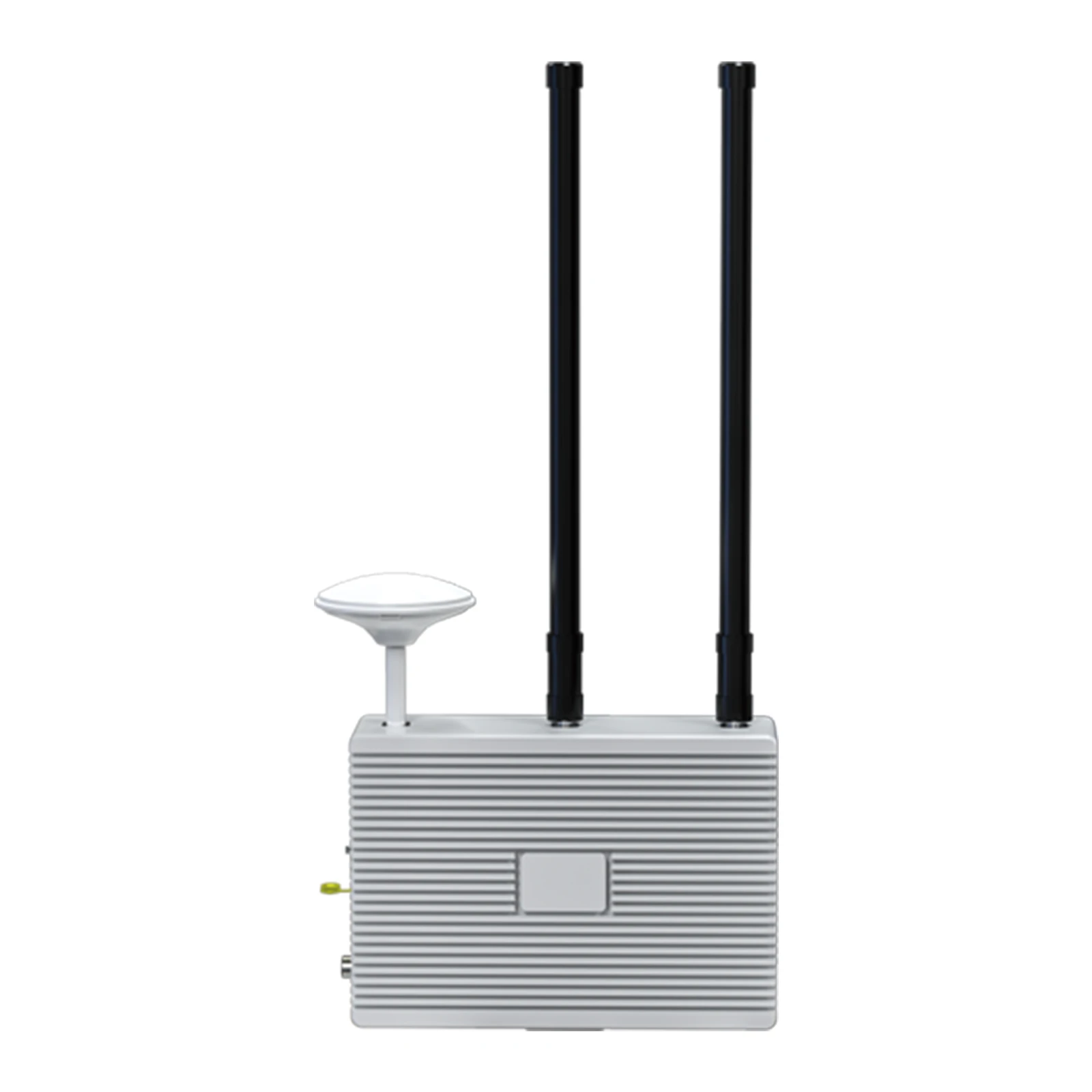
At their core, GaN based RF power devices are semiconductor components made from gallium nitride rather than traditional silicon. This material boasts wide bandgap properties, meaning it can operate at higher voltages, frequencies, and temperatures. Amplifiers built with GaN technology therefore pack more punch, converting electrical energy into powerful RF signals without the meltdown risks of older devices.
They’re the heartbeats of 5G base stations, next-gen radar, and satellite transceivers. For humanitarian uses, like emergency communication or search and rescue—often in unpredictable, remote areas—they provide reliable, high-power signal boosts where it truly counts.
Key Features That Give GaN Devices an Edge
1. High Power Density
GaN devices can handle more power in a much smaller footprint. This not only enables lighter and more compact designs but also facilitates easier integration in satellite payloads or airborne systems.
2. Superior Efficiency
The conversion efficiency — the ratio of output RF power to input power — is higher. This means less energy is wasted as heat, reducing cooling requirements and operational costs.
3. Wide Bandwidth Capability
They're capable of amplifying signals over a broader frequency range, making them flexible for different standards and applications, from military radios to commercial 5G networks.
4. Robust Thermal Stability
GaN’s ability to maintain performance at elevated temperatures lends itself well to harsh environments, like deserts or manufacturing plants, where other semiconductors might falter.
5. Long-Term Reliability
A durable semiconductor means less downtime and maintenance, crucial for infrastructure in hard-to-reach or disaster-hit regions.
Mini-takeaway: Together, these factors mean GaN based RF amplifiers deliver more power efficiently in less space with higher endurance—qualities that transform industry and aid efforts alike.
Global Applications: Real-World Uses of GaN Based RF Devices and Amplifiers
From telecommunications hubs in North America to missile defense systems in East Asia, GaN amplifiers boast diverse footprints. Here are some notable applications:
- Telecom Infrastructure: 5G networks heavily depend on GaN-based amplifiers for consistent high-frequency performance and energy efficiency.
- Satellite Communications: Geostationary and low Earth orbit (LEO) satellites use GaN devices to optimize signal strength and extend payload life.
- Defense & Aerospace: Radar systems leverage GaN's power density and temperature endurance to improve detection and tracking in challenging conditions.
- Industrial IoT Sites: Powered devices in remote mining or oil fields rely on GaN technology to communicate data reliably over vast distances.
- Humanitarian Relief: In disaster zones, portable communication systems using GaN amplifiers enable emergency responders to maintain connectivity despite damaged infrastructure.
Interestingly, regions like Sub-Saharan Africa, often limited by infrastructure, now see growing investment in GaN-powered communication tech that leapfrogs legacy systems.
Product Specification Table: Typical GaN Based RF Power Amplifier
| Specification | Typical Value | Notes |
|---|---|---|
| Frequency Range | 1 GHz – 6 GHz | Covers common telecom bands |
| Output Power | Up to 100 W | Suits base stations and radar |
| Power Added Efficiency (PAE) | > 60% | Significantly better than silicon |
| Operating Temp. | -40°C to +150°C | Suitable for extreme climates |
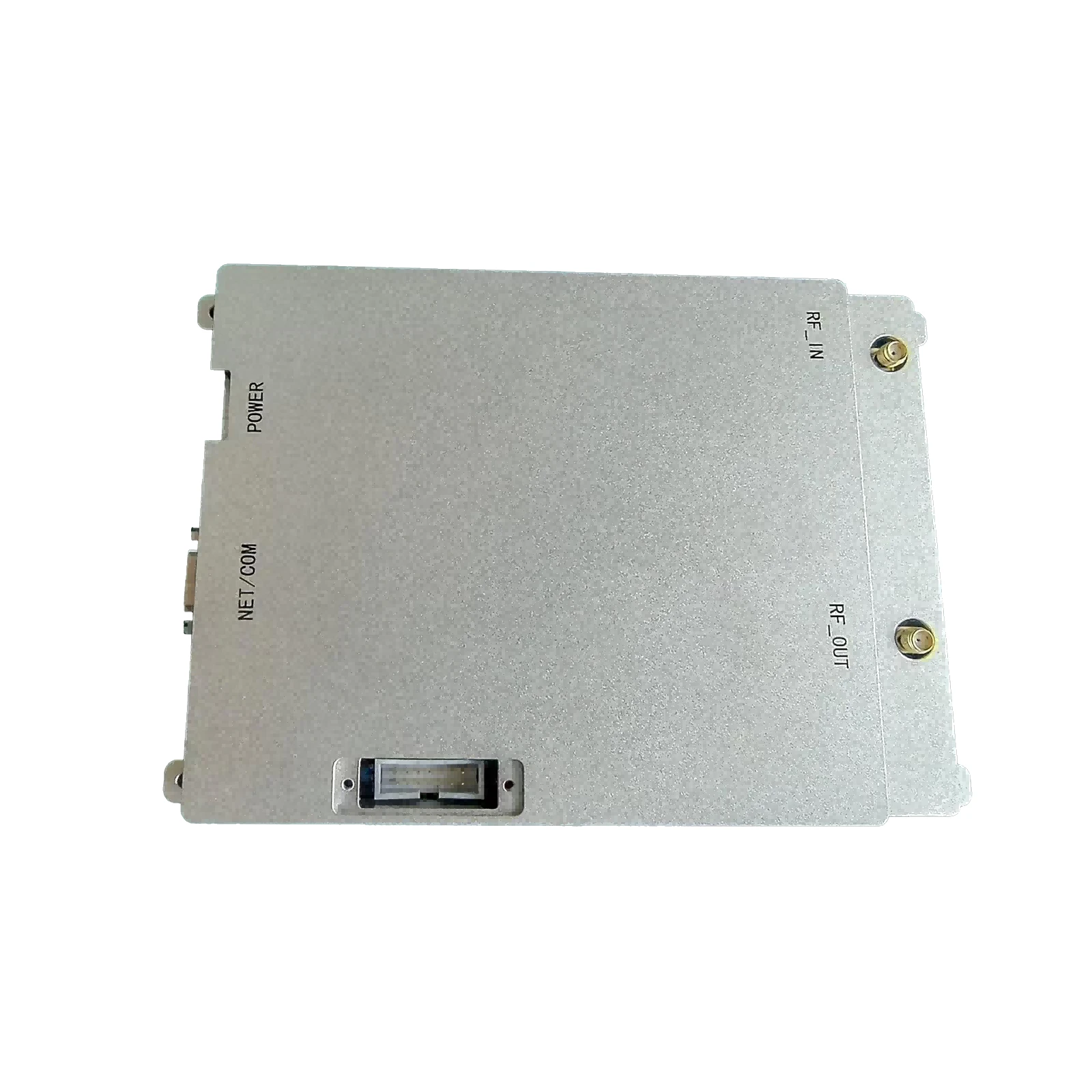
| Size | 40mm x 40mm module | Compact compared to legacy units |
Vendor Comparison: GaN RF Power Amplifiers
| Vendor | Max Output Power (W) | Efficiency (%) | Frequency Range (GHz) | Price Level |
|---|---|---|---|---|
| Acme Semiconductors | 100 | 65 | 1-5 | $$$ |
| Global RF Solutions | 80 | 62 | 2-6 | $$ |
| Techtronics Labs | 95 | 60 | 1.5-6 | $$$ |
Why Invest in GaN Based RF Amplifiers? The Long-Term Benefits
From a practical standpoint, switching to GaN brings significant cost savings due to reduced power consumption and less heat management. Over years, that’s a substantial win, especially for large telecom operators or satellite providers.
Plus, these semiconductors align with sustainability goals because less energy waste corresponds to a lower carbon footprint. Many engineers say it feels like “green tech in the RF world.” But it’s not just about economics or environment—there’s a human side. Reliable, high-quality communication can mean safer emergency rescue efforts, better education access, and stronger community connections worldwide.
In real terms, GaN amplifiers combine innovation with dignity and trust: they help keep the world talking, learning, and evolving.
The Road Ahead: Emerging Trends in GaN RF Technology
Innovations in GaN manufacturing now push power densities even higher while shrinking device sizes further. New packaging and cooling techniques expand their thermal limits—this means GaN could soon be standard not just for telecoms but for EV chargers, industrial lasers, and even quantum computing interfaces.
Another hot topic is integrating GaN amplifiers with digital control systems to create “smart” power modules that self-optimize efficiency. With growing attention on sustainability, expect to see more IoT and 5G deployments capitalizing on GaN’s low power profiles.
Challenges and How Experts Are Tackling Them
Despite the excitement, GaN isn’t a silver bullet. Challenges remain in fabrication costs, wafer quality, and device ruggedness in certain extreme conditions. Many vendors still grapple with reliability under continuous high RF stress.
To tackle this, research labs and companies collaborate intensely on novel materials and device designs, including hybrid GaN-on-Silicon Carbide (SiC) substrates that boost durability. Also, advanced simulation and testing methods help predict failures early, saving time and money.
Frankly, the technology feels like it’s in a sweet spot—ripe with promise but still growing up.
FAQ: Your Practical Questions About GaN Based RF Power Devices and Amplifiers
- Q: What makes GaN amplifiers more efficient than traditional silicon-based ones?
- A: GaN’s wide bandgap allows it to operate at higher voltages and temperatures, reducing power loss as heat. This yields better power added efficiency, meaning more RF power output for less input energy.
- Q: Are GaN RF power devices suitable for harsh environments?
- A: Absolutely. GaN devices tolerate temperatures up to 150°C and resist degradation in extreme climates, making them perfect for aerospace, defense, and remote industrial settings.
- Q: How do GaN based amplifiers impact the size of communication equipment?
- A: Because of their high power density, GaN amplifiers allow for smaller, lighter modules. This is crucial for satellites or portable systems where size and weight are limited.
- Q: Can GaN technology help reduce operational costs in telecom networks?
- A: Yes. Higher efficiency means lower energy bills and less cooling infrastructure, translating into significant savings over device lifetimes.
- Q: Where can I learn more about the latest GaN RF amplifier products?
- A: Visiting specialized electronics sites and vendors' catalogs is a good start. For example, gan based rf power devices and amplifiers offer comprehensive listings, guides, and industry updates.
Wrapping Up: The Power and Promise of GaN RF Amplifiers
All told, GaN based RF power devices and amplifiers are quietly but decisively reshaping the RF landscape. Their blend of power, efficiency, and resilience aligns with modern needs—whether pushing the digital divide, advancing national security, or aiding next-gen networks.
If you’re exploring transformative communication hardware or energy-efficient designs, GaN tech deserves your attention. It’s an investment not just in technology but in building a connected, sustainable future.
Curious to dive deeper into products and solutions? Visit our website: https://www.drone-system.com
Quick takeaway: GaN amplifiers may seem like just another component, but they’re more like the unsung heroes enabling the tech we depend on daily — quietly powerful, reliable, and increasingly vital.
References

-
 09 March 2021 16 Apr 2026
 -
 09 March 2021 09 Apr 2026
 -
 09 March 2021 07 Apr 2026
 -
 09 March 2021 04 Apr 2026
 -
 09 March 2021 31 Mar 2026
-
 09 March 2021 21 May 2025
 -
 09 March 2021 25 Dec 2024
 -
 09 March 2021 14 Oct 2022
-
 09 March 2021 25 Dec 2024

 English
  Arabic
  Belarusian
  Danish
  Dutch
Dutch  French
  German
  Greek
Greek  Japanese
  Korean
  Myanmar
  Polish
  Portuguese
  Russian
  Spanish
  Swedish
  Thai
Thai  Ukrainian
  Vietnamese