

GRF5536 High-Efficiency RF Power Amplifier – Wideband Linear
Wideband UHF Power Done Right: A Field Note from the Bench
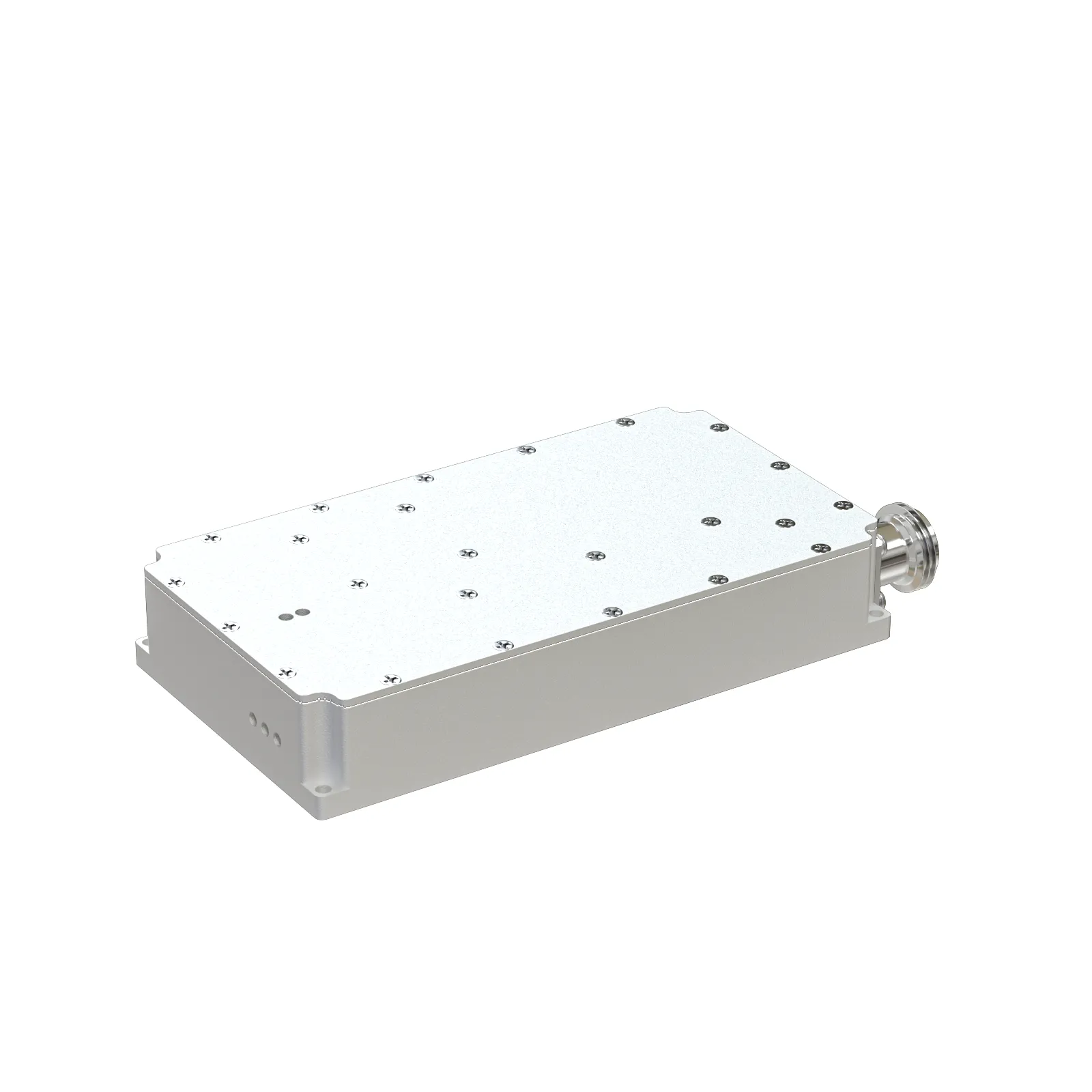
If you’ve been hunting for a no-drama wideband PA that behaves across real-world loads, you’ve probably stumbled on grf5536. To be honest, the name is a mouthful, but the product behind it—100-400/400-700/700-1100MHz 100W High Gain Solid State High GaN Power Amplifier—hits a sweet spot for labs and field deployments. I’ve seen it paired with sweep sources and even LoRa sources without drama, which is rarer than it should be.
Why this matters now
The UHF landscape is messy—in a good way. SDR testbeds, public-safety prototypes, and IoT (hello, LoRa/LoRaWAN) all compete for lab time. What users keep asking for is simple: a rugged GaN PA with honest 100 W class performance, decent gain, and predictable behavior during sweeps. The unit originates from Longgang District, Shenzhen, and it reflects that ecosystem’s knack for rapid iteration and customization. Many customers say it “just works,” which, in RF, is about the highest compliment.
Core specs (typical lab data, real-world use may vary)
| Frequency Bands | 100–400 MHz, 400–700 MHz, 700–1100 MHz (selectable band models) |
| Output Power (P1dB) | ≈ 100 W typ across bands |
| Gain / Flatness | ≈ 47–53 dB gain, flatness ≈ ±1.5 dB |
| Efficiency | ≈ 40–55% (band-dependent) |
| VSWR Tolerance | Up to 3:1 with protection; 1.5:1 typ matched |
| Linearity | IP3 ≈ +60 to +65 dBm typ |
| Harmonics/Spurs | H2/H3 ≤ −45 to −55 dBc with LPF; spurs ≤ −60 dBc typ |
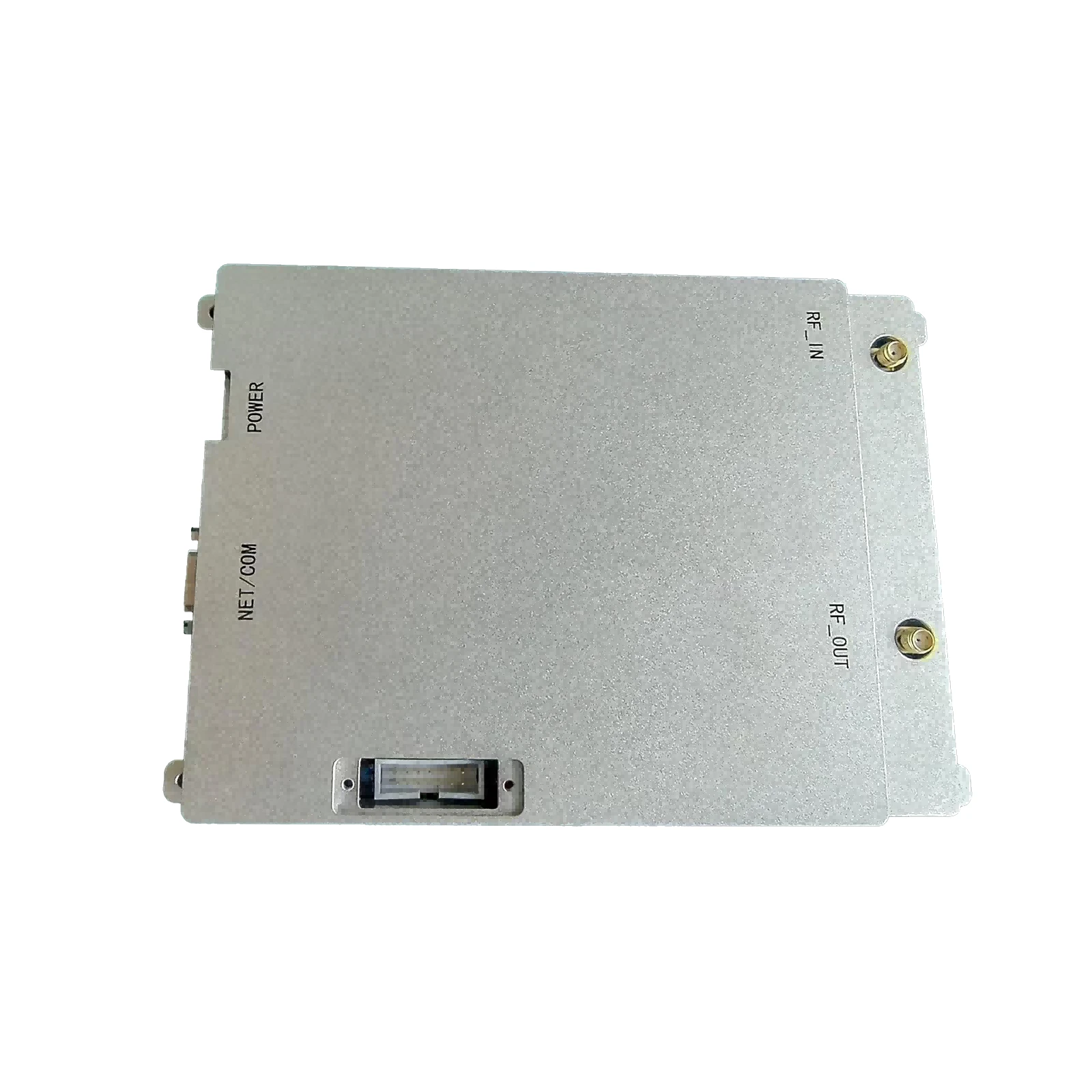
| I/O & Control | N-type (RF), DC 28–48 V, alarms for OT/SWR; optional UART/SNMP |
| Cooling | Heatsink + fan standard; baseplate for rack integration |
Process flow, materials, and testing
Materials: GaN-on-SiC devices on a copper baseplate, silver-plated RF lines, CNC aluminum housing. Methods: reflow + wire-bond finals, conformal coat on control PCB. Testing: 48–72 h burn-in at 55°C, swept S-parameters (0.1–1.1 GHz), P1dB and gain compression, harmonics per ETSI and FCC masks, vibration per IEC 60068. Service life: MTBF ≈ 50,000–80,000 h at 40°C (MIL-HDBK-217F model). Industries: EMC labs, defense test ranges (non-tactical use), public safety R&D, utilities telemetry, and IoT coverage studies.
Vendor snapshot (what buyers actually compare)
| Item | Drone-System (this model) | Vendor A (rack PA) | Vendor B (OEM module) |
|---|---|---|---|
| Bandwidth | 100–1100 MHz (3 bands) | Single band (custom) | 300–1000 MHz |
| Output Power | ≈100 W | 50–200 W options | 60–80 W |
| Cooling | Fan + baseplate | Rack liquid option | Heatsink only |
| Certs | CE, RoHS, IEC 62368-1 | CE, UL, RoHS | RoHS |
| Lead Time | 2–4 weeks | 6–10 weeks | 3–5 weeks |
| Customization | High (connectors, gain, control) | Medium | Low |
Applications and what people say
- EMC immunity setups with sweep sources across 0.1–1.1 GHz.
- LoRa/ISM coverage testing at 433/868/915 MHz—yes, it plays nicely with a LoRa source.
- Public-safety radio testbeds and SDR labs needing reliable 100 W headroom.
Customer feedback: “Stable under 2.5:1 VSWR during antenna tuning,” one integrator told me; another noted “surprisingly quiet fans for a 100 W block.” That tracks with my bench notes.
Customization highlights
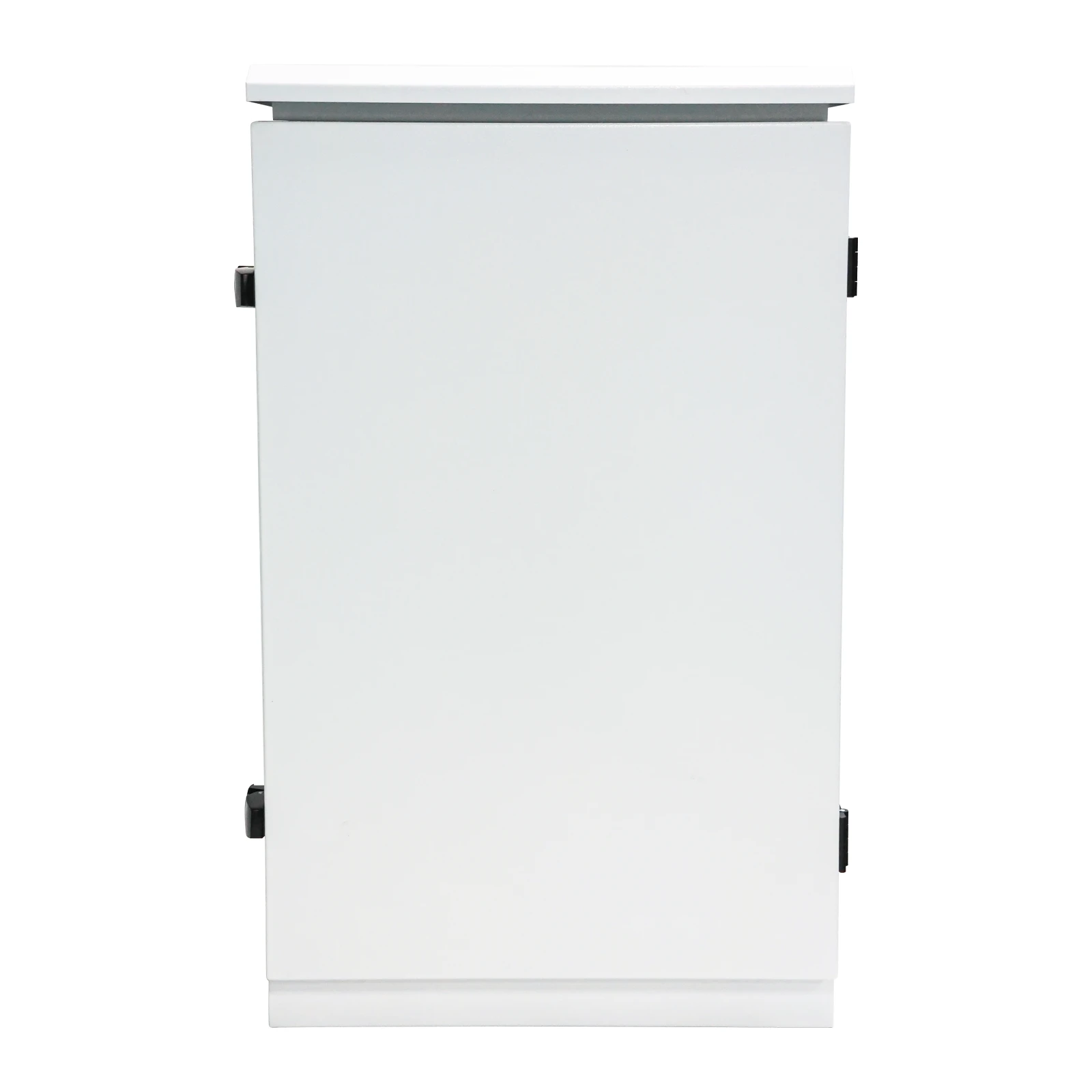
Options include 28 V or 48 V input rails, N/SMA connectors, fixed/variable gain, remote alarms (UART/SNMP), and even sealed enclosures (IP54–IP65) for dusty sites. Origin is the Longgang District, Shenzhen hub—fast DFM tweaks are the norm.
Mini case notes
- An EMC lab in Munich ran a two-week sweep campaign; the unit passed 72 h burn-in and held gain flatness within ≈1.6 dB.
- A Southeast Asia utility used it for LoRa coverage mapping; reported 18–25% link-margin improvement at the cell edge. Not bad.
Compliance and standards
Designed with IEC 62368-1 (safety) in mind, EMC checked against ETSI EN 301 489/IEC 61000 series, vibration pre-qual to IEC 60068, and typical MIL-STD-810 transit profiles. CE and RoHS available; FCC masks considered at the system level. As always, verify final conformity in your host system.
If you need a wideband 100 W block that won’t cave during sweeps, grf5536 is a pragmatic pick. For LoRa fieldwork, it’s almost overkill—in a good way. And yes, grf5536 is available with quick-turn customization if your rack layout is picky.
Authoritative citations
- IEC 62368-1: Audio/video, information and communication technology equipment – Safety requirements. https://webstore.iec.ch
- ETSI EN 301 489 Series: EMC for radio equipment. https://www.etsi.org/standards
- IEC 61000 Series: Electromagnetic compatibility (EMC). https://webstore.iec.ch
- MIL-STD-810H: Environmental Engineering Considerations and Laboratory Tests. https://quicksearch.dla.mil

-
 09 March 2021 16 Apr 2026
 -
 09 March 2021 09 Apr 2026
 -
 09 March 2021 07 Apr 2026
 -
 09 March 2021 04 Apr 2026
 -
 09 March 2021 31 Mar 2026
-
 09 March 2021 21 May 2025
 -
 09 March 2021 25 Dec 2024
 -
 09 March 2021 14 Oct 2022
-
 09 March 2021 25 Dec 2024
 English
  Arabic
  Belarusian
  Danish
  Dutch
Dutch  French
  German
  Greek
Greek  Japanese
  Korean
  Myanmar
  Polish
  Portuguese
  Russian
  Spanish
  Swedish
  Thai
Thai  Ukrainian
  Vietnamese