

GRF5536 High-Linearity RF Power Amplifier | Wideband PA
Sub‑GHz GaN Power, Without the Drama
Last week in Longgang District, Shenzhen, I finally got hands-on time with a wideband PA I kept hearing about at labs and drone integrators. The grf5536 tag has been floating around forums, but the hardware behind the buzz is this: a 100–400 / 400–700 / 700–1100 MHz, 100 W high‑gain, solid‑state GaN power amplifier that doubles as a sweep source and a LoRa source. It’s a mouthful, sure, but the proposition is simple—clean sub‑GHz power with real engineering behind it.
Industry pulse
Two converging trends are driving demand here: sub‑GHz IoT (LoRa/FSK) scaling into utilities and smart cities, and labs needing wideband, single‑box coverage from 100 to 1100 MHz for EMC pre‑compliance and system bring‑up. GaN-on-SiC has matured; efficiency and ruggedness are no longer tradeoffs, which, frankly, makes field deployments less nerve‑wracking.
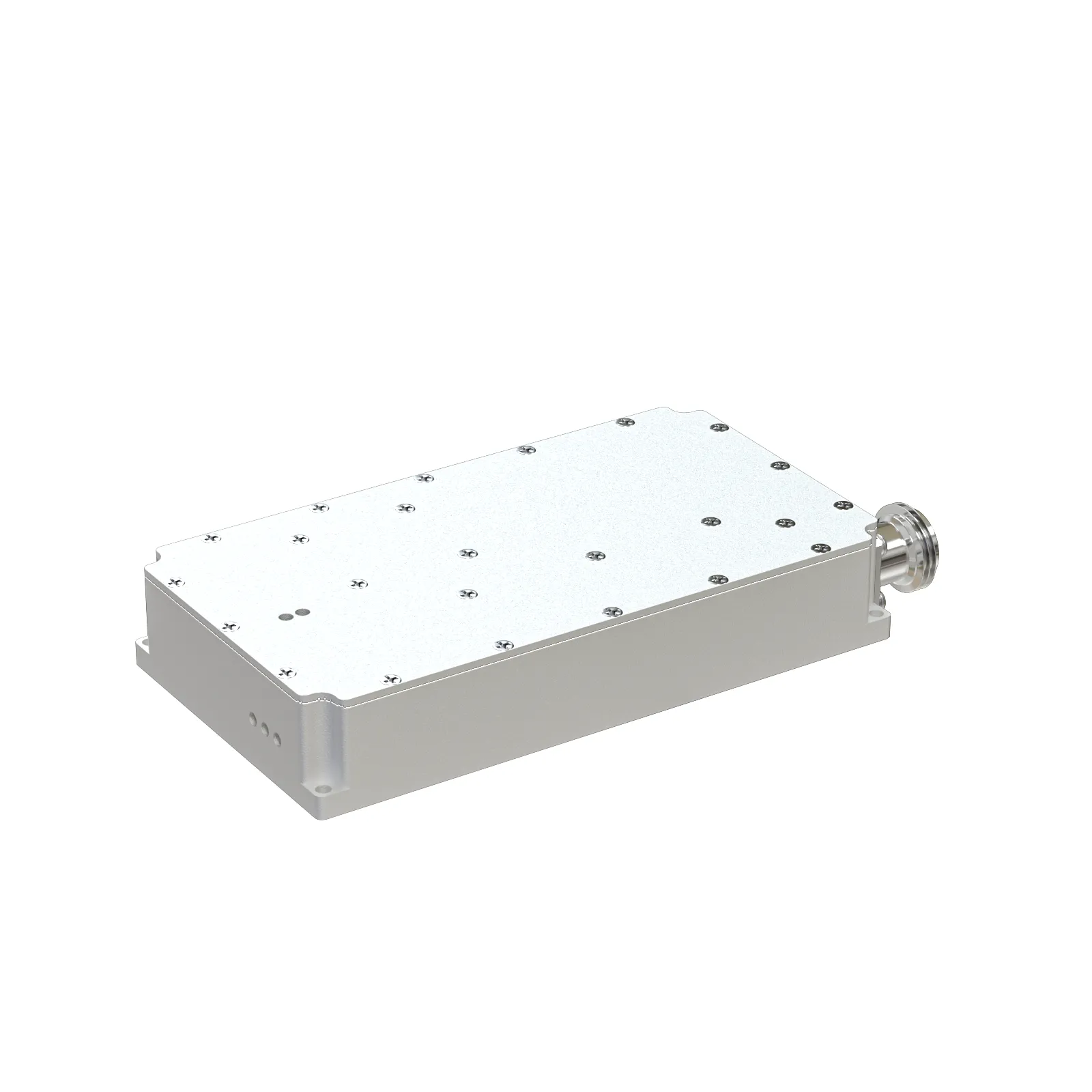
Key specifications (bench notes)
| Parameter | Spec (typical) |
|---|---|
| Frequency bands | 100–400 / 400–700 / 700–1100 MHz (selectable) |
| Output power | ≈100 W CW (50 dBm); P1dB around 49–50 dBm, real‑world may vary |
| Gain | High‑gain chain ≈ 50–55 dB (band dependent) |
| Efficiency | Up to ≈45–60% (GaN, tuned load, CW) |
| Linearity | ACPR with LoRa ≤ −35 dBc (typ. with output filtering) |
| VSWR tolerance | Survivability up to ≈10:1 with protection |
| Supply | 28 V nominal; current draw ≈ 6–8 A @ 100 W (duty dependent) |
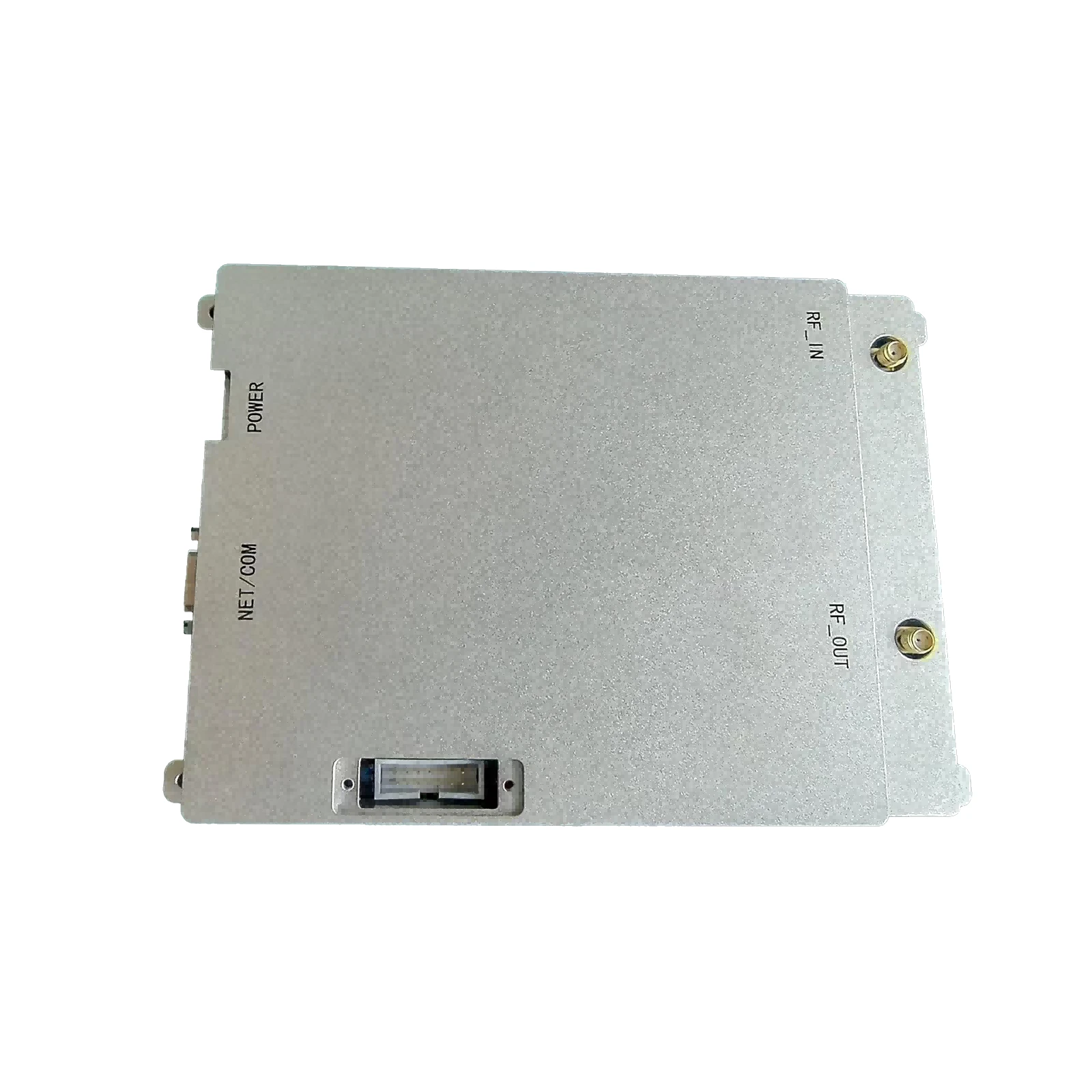
| I/O & control | RF in (SMA), RF out (N‑type), temp/PA enable; optional serial/Ethernet control |
| Origin | Longgang District, Shenzhen |
Materials, build, and test flow
Under the lid: GaN-on-SiC output devices, a copper heat spreader bonded to an aluminum chassis, wide microstrip matching, directional coupler and detector, plus over‑temp and over‑current protection. Process is standard SMT reflow, tuning, then a burn‑in (I saw 8–24 h logs). Typical validation includes S‑parameters, P1dB, gain flatness, VSWR 10:1 pulse test, thermal cycling (−20 to +70 °C), and harmonics sweep with and without the low‑pass filter bank.
Service life is quoted at MTBF ≈ >50k hours @ 55 °C baseplate (model‑based, so, yes, your mileage may vary). Certifications often paired with this unit: CE, RoHS, and IEC 62368‑1 safety, with test protocols referencing CISPR 11/32 for emissions.
Where it’s used
- LoRa coverage testing and network simulation (acts as a sweep source and a LoRa source)
- EMC pre‑compliance from 100–1100 MHz
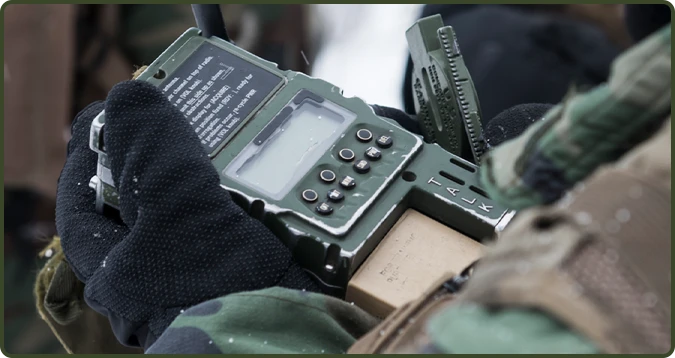
- UHF telemetry links for drones and robotics; public safety radio R&D
- Defense training ranges and spectrum research, where rugged VSWR tolerance helps
Why teams pick it
High gain means fewer driver stages; GaN ruggedness keeps it alive under mismatch; and the integrated sweep/LoRa modes simplify lab stacks. Many customers say setup time drops from hours to minutes—surprisingly noticeable on short rental slots.
Vendor snapshot (real‑world buying factors)
| Vendor | Output | Certs | Customization | Lead time |
|---|---|---|---|---|
| Drone‑System (Shenzhen) | ≈100 W, 100–1100 MHz | CE, RoHS (docs on request) | Filters, control I/F, connectors | ≈2–4 weeks |
| Global Vendor X | 50–120 W, narrowband | CE, UL | Limited | 6–10 weeks |
| Niche Lab Y | 20–80 W, wideband | CE | High (pricey) | 4–8 weeks |
Customization options
Options I noted: swap low‑pass filters for tighter harmonic control, add Ethernet/RS‑485 for remote enable and telemetry, choose N‑type vs. 7/16 connectors, and tweak gain distribution for linear vs. saturated service.
Field notes and mini case studies
- Utility LoRa pilot: a South China grid operator ran 27 dBm input into the PA, hitting ≈50 dBm ERP post‑filter, expanding test cells from 0.8 km to ≈6 km LOS. “We didn’t baby it; it just kept running,” the RF lead told me.
- EMC lab: used sweep mode to pre‑scan 150–1000 MHz. Harmonics measured at −58 to −62 dBc with the tightest LPF—good enough to trust pre‑compliance reads before chamber time.
Customer feedback trends: quieter fans than expected, predictable thermal behavior, and a few requests for a front‑panel display (fair point). Also, it seems the grf5536 tag helps folks find accessories—odd, but useful for procurement. If you track BOMs by keyword, keep grf5536 in your notes.
Compliance, test data, and standards touchpoints
Typical lab sheet shows P1dB ≈ 49.6 dBm @ 435 MHz, gain flatness ±1.2 dB across 400–700 MHz, and VSWR survival 10:1 for 60 s with power foldback. Safety aligns to IEC 62368‑1; emissions checked per CISPR 32. For LoRa evaluation, ETSI EN 300 220 and LoRaWAN PHY docs are the references you’ll want nearby.
Authoritative citations
- ETSI EN 300 220 – Short Range Devices; Technical characteristics and test methods.
- LoRa Alliance – LoRaWAN Regional Parameters & PHY specifications v1.x.
- IEC 62368‑1 – Audio/video, information and communication technology equipment – Safety requirements.
- CISPR 32 / CISPR 11 – Electromagnetic compatibility of multimedia/industrial equipment.
- MIL‑STD‑810H – Environmental Engineering Considerations and Laboratory Tests (thermal, vibration).

-
 09 March 2021 16 Apr 2026
 -
 09 March 2021 09 Apr 2026
 -
 09 March 2021 07 Apr 2026
 -
 09 March 2021 04 Apr 2026
 -
 09 March 2021 31 Mar 2026
-
 09 March 2021 21 May 2025
 -
 09 March 2021 25 Dec 2024
 -
 09 March 2021 14 Oct 2022
-
 09 March 2021 25 Dec 2024
 English
  Arabic
  Belarusian
  Danish
  Dutch
Dutch  French
  German
  Greek
Greek  Japanese
  Korean
  Myanmar
  Polish
  Portuguese
  Russian
  Spanish
  Swedish
  Thai
Thai  Ukrainian
  Vietnamese