

GRF5536 RF Amplifier: High Power, Wideband—Why Choose It?
Field Notes on a 100 W Broadband GaN RF Power Amplifier for 100–1100 MHz
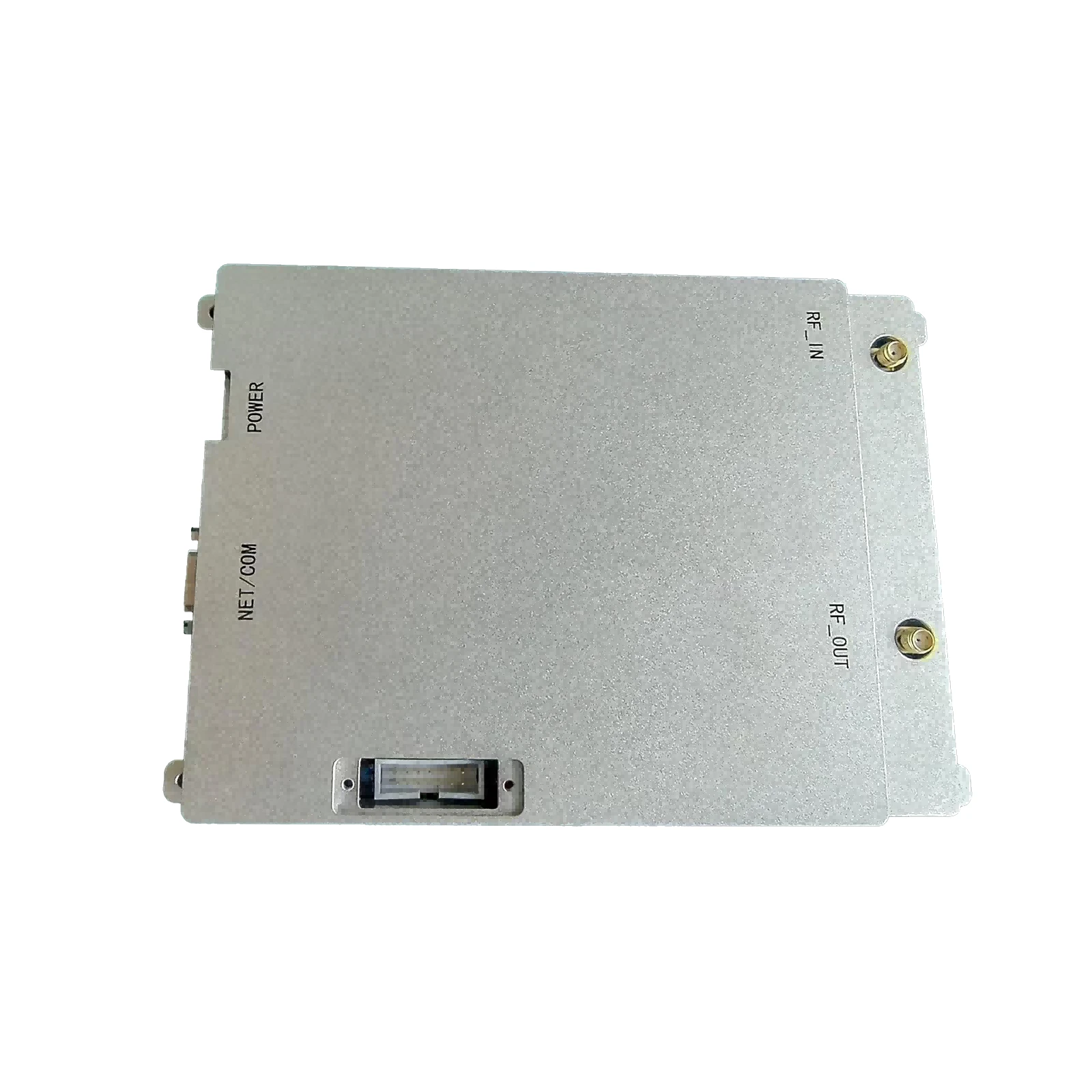
You’re looking at [grf5536] — a solid-state, high-gain RF power amplifier that spans 100–400 MHz, 400–700 MHz, and 700–1100 MHz with a stout 100 W CW output. Built in Longgang District, Shenzhen, it leans on modern GaN-on-SiC devices and, interestingly, integrates sweep source and LoRa source modes. That last bit is more practical than it sounds; it streamlines bench setups for EMC sweeps and IoT link testing without juggling extra boxes.
Industry-wise, the trend is clear: compact GaN PAs replacing bulky LDMOS racks, with smarter control and better protection. In fact, labs want fewer cables and more software hooks. To be honest, this unit’s “just works” feel is what many customers say they’re hunting for lately, especially teams trying to cover sub-GHz bands with one amplifier.
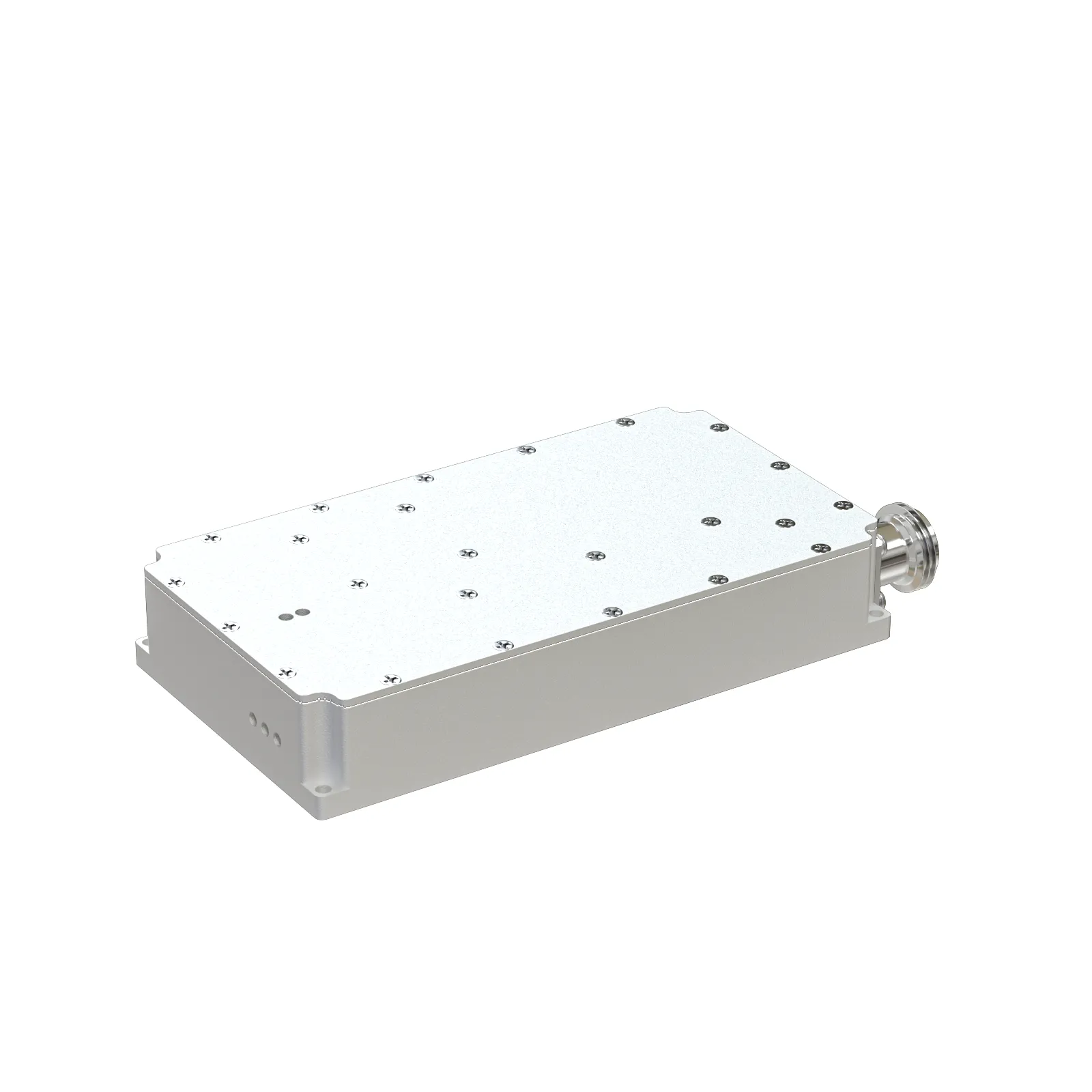
Quick Specs
| Parameter | Typical Value | Notes |
|---|---|---|
| Frequency bands | 100–400 / 400–700 / 700–1100 MHz | Broadband coverage |
| Output power | 100 W CW (≈50 dBm) | P1dB ≈ 49 dBm; OIP3 ≈ 62 dBm |
| Gain / flatness | ≈55 dB, ±2.5 dB | Real-world use may vary across bands |
| Efficiency | ≈45–55% | GaN-on-SiC devices |
| Input / VSWR | 0–10 dBm / ≤2:1 | Rugged to 3:1 at output |
| Supply / current | 28–32 VDC / up to ≈10 A | Full power, worst case |
| I/O & control | Sweep & LoRa source, GPIO/RS-485 (opt.) | Front-panel + remote control |
| Cooling | Forced-air heatsink | “Install-and-forget” vibe, surprisingly quiet |
| Dimensions / weight | ≈260×180×70 mm / ≈3.5 kg | Compact for 100 W class |
| Service life | MTBF > 50,000 h @ 40°C | Burn-in tested |
Where it’s used
- EMC immunity sweeps (IEC 61000-4-3) across 80–1000 MHz. - Manufacturing test benches for VHF/UHF radios. - LoRa network validation with strong-blocker tests. - Research labs needing one box for multiple sub-GHz bands. Many teams say the built-in sweep source trims setup time; the LoRa source is handy for quick over-the-air demos, though conducted tests with attenuators are still the pro move.
Process flow and quality
Materials: GaN-on-SiC HEMTs, high-Tg PCBs, copper heat spreaders. Methods: broadband matching networks, 2-tone linearity trim, 48 h burn-in, full-band sweep with harmonic check (H2/H3 typically ≤ -40 dBc with filtering). Standards and certifications: factory ISO 9001; RoHS/REACH components; safety aligned to IEC 62368-1. Use is professional—regulatory compliance depends on the end system and licensing.
Vendor snapshot
| Vendor / Model | Power | Bandwidth | Gain | Cooling | Lead time |
|---|---|---|---|---|---|
| [grf5536] | 100 W | 100–1100 MHz (3 spans) | ≈55 dB | Forced-air | Short (often in stock) |
| Vendor A (US lab brand) | 80–100 W | 80–1000 MHz | ≈50–55 dB | Forced-air, rack | 4–8 weeks |
| Vendor B (EU RF house) | 100 W | 700–2700 MHz | ≈52 dB | Liquid (option) | 6–10 weeks |
Values are typical; pricing and specs vary by config and test conditions.
Customization & integration
Connector choices (N/SMA), band-specific matching tweaks, firmware for sweep/LoRa scripting, and RS‑485 or Ethernet gateways are offered. Customers in public-safety radio testing often ask for tighter gain flatness around their service channels; IoT labs want scripted LoRa payloads with blockers. Both are doable.
Mini case studies
- EMC lab, 10 m chamber: Using [grf5536] plus a log-periodic antenna, they achieved 3–10 V/m fields across 200–1000 MHz per IEC 61000-4-3 with comfortable headroom, duty cycles up to 80% CW. Thermal behavior stayed stable after 2-hour dwell segments.
- IoT gateway validation: Conducted test with attenuators injected a strong adjacent-channel blocker at +27 dBm while sending a LoRa SF12 payload; the setup (driven by the LoRa source and the PA’s linear region) verified blocking performance to ETSI EN 300 220 methods, logging >80 dB selectivity at 433 MHz.
Compliance note: use within licensed bands and authorized facilities only. The amplifier is a professional instrument; end-system certification is required for on-air operation.
References

-
 09 March 2021 16 Apr 2026
 -
 09 March 2021 09 Apr 2026
 -
 09 March 2021 07 Apr 2026
 -
 09 March 2021 04 Apr 2026
 -
 09 March 2021 31 Mar 2026
-
 09 March 2021 21 May 2025
 -
 09 March 2021 25 Dec 2024
 -
 09 March 2021 14 Oct 2022
-
 09 March 2021 25 Dec 2024
 English
  Arabic
  Belarusian
  Danish
  Dutch
Dutch  French
  German
  Greek
Greek  Japanese
  Korean
  Myanmar
  Polish
  Portuguese
  Russian
  Spanish
  Swedish
  Thai
Thai  Ukrainian
  Vietnamese