

GRF5536 RF Power Amplifier - High-Efficiency, Wideband SSPA
Field Notes on Grf5536: A 100 W GaN Workhorse for 100–1100 MHz
Solid-state RF power is quietly replacing legacy tube lineups in VHF/UHF test racks and field kits. The shift is obvious: broadband coverage, lower maintenance, smarter protection. From Longgang District, Shenzhen, the 100-400/400-700/700-1100MHz 100W High Gain Solid State High GaN Power Amplifier lands right in the middle of that trend. People in labs and on rooftops keep telling me the same thing: fewer knobs, more uptime.
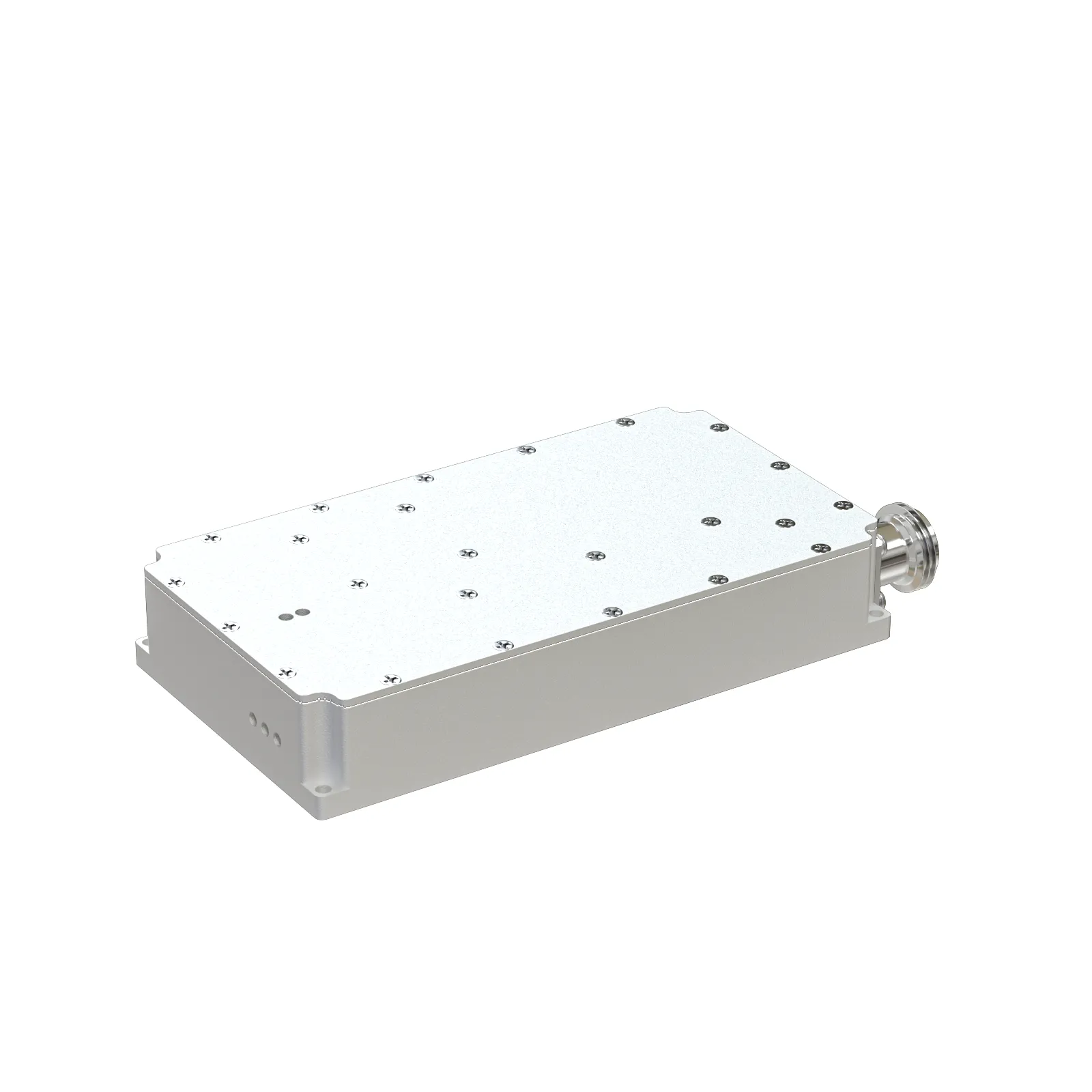
What it is, and why it’s interesting
At heart, the Grf5536 is a broadband GaN SSPA offered in three contiguous sub-bands (100–400, 400–700, 700–1100 MHz). It supports sweep source work and LoRa source applications (yes, people do that for coverage testing and gateway soak tests), while keeping the form factor practical for portable and benchtop use. Honestly, the surprise for me was its gain—high enough that many customers say they can retire an extra driver stage.
Key specifications (typical)
| Frequency coverage | 100–400 / 400–700 / 700–1100 MHz (select model) |
| Rated output power | 100 W P1dB (≈50 dBm), real-world use may vary |
| Gain | ≈47–55 dB; flatness ±1.5 dB across sub-band |
| Efficiency | ≈35–55% (freq and load dependent) |
| VSWR tolerance | 3:1 rugged-in with protection (fold-back/alarms) |
| Linearity/IMD3 | ≈−30 dBc @ two tones (5 W each, 1 MHz spacing) |
| Harmonics | ≤−50 dBc with external LPF; ≤−30 dBc typical without |
| Modulation support | CW, AM/FM, FSK/LoRa, OFDM (back-off as needed) |
| Supply | 28–36 VDC; GPIO PTT and fault indicators |
| Cooling | Forced-air heatsink, copper spreader |
| Service life | >50,000 h @ 55°C baseplate (MTBF estimate) |
| Origin | Longgang District, Shenzhen |
Materials, build, and testing workflow
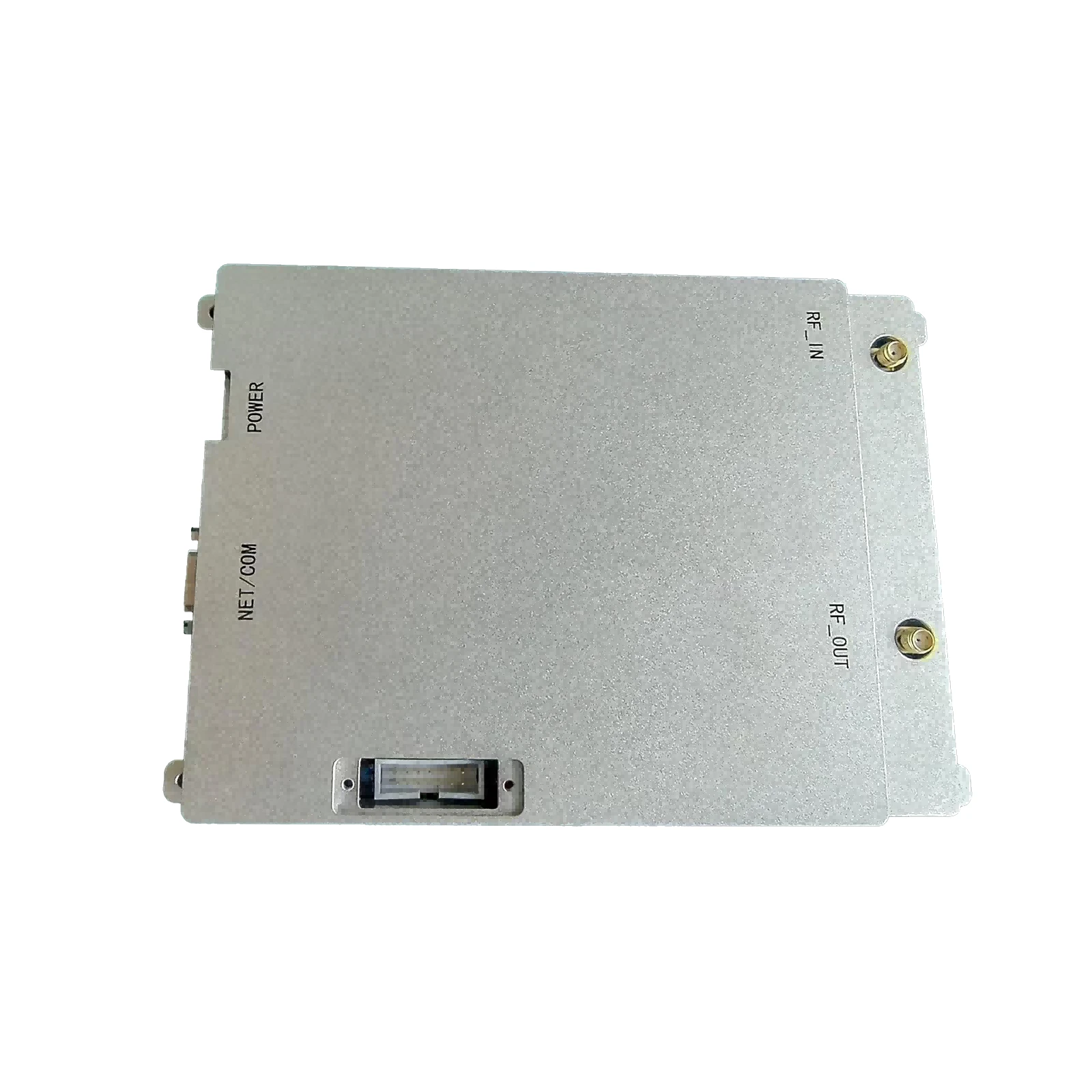
Under the lid you’ll typically see GaN-on-SiC transistors on a machined aluminum chassis with a copper heat spreader, semi-rigid interconnects, and N/SMA RF I/O. Methods are familiar: broadband matching, multi-stage gain with limiter, directional coupler for ALC, and thermal/VSWR protection. Testing is done versus IEC 62368-1 (safety), basic EMC per EN 301 489, conducted/radiated spurs sweeps, and thermal cycling akin to MIL‑STD‑810 methods. Line-up characterization includes P1dB, small-signal S-parameters, and two-tone IMD across each sub-band.
Where it gets used
- Lab sweep source chains for antenna/EMC pre-compliance.
- LoRa source coverage mapping and gateway stress (with proper licensing).
- UAV C2 link testing, public-safety network validation, education labs.
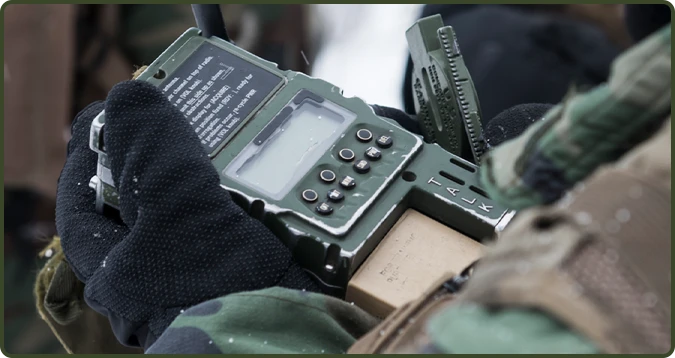
- Portable RF toolkits for field technicians—powerful, not fussy.
To be honest, the Grf5536 shines when teams need “set-and-forget” 100 W across a wide chunk of spectrum without babysitting the load.
Vendor snapshot (quick compare)
| Vendor / Model | Bands | Power | Eff. | Lead time | Notes |
|---|---|---|---|---|---|
| Drone-System 100–400/400–700/700–1100 (this) | Segmented 100–1100 MHz | 100 W | ≈40% | 2–5 weeks | High gain; sweep/LoRa friendly |
| Vendor A (broadband SSPA) | 100–1000 MHz | 80 W | ≈35% | 6–8 weeks | Lower noise figure |
| Vendor B (tactical PA) | 225–1000 MHz | 100 W | ≈38% | Stock/3–4 weeks | Ruggedized, pricier |
Customization
Teams often ask for N-female or SMA I/O, remote alarms (TTL/RS‑485), specific gain targets, and tailored heatsinking for 24/7 duty. The Grf5536 can be matched for slightly different loads and filtered for stricter harmonic masks. If you need rack ears or a DC feedthrough harness, say so up front—saves a round of emails.
Mini case studies
University antenna lab: Using the sweep source + PA chain, they cut S11/S21 scans from 30 minutes to 9, holding power flatness within ±1.2 dB across 400–700 MHz. No trips under 2.5:1 VSWR.
Municipal IoT pilot: Over a long weekend, a LoRa source with 10 dB back-off validated gateway sensitivity. IMD stayed around −28 to −32 dBc; harmonics under −45 dBc with a quick clamp-on LPF.
Compliance, safety, and the fine print
Vendor documents indicate CE marking, RoHS/REACH material declarations, and EMC testing aligned to EN 301 489. For on-air work, follow local spectrum rules (FCC Part 15/97 or ETSI EN 300 220 for unlicensed ISM, as applicable). Output filtering may be required to meet harmonic limits. Also, keep airflow unobstructed; thermal fold-back protects the device, but it’s not magic.
Customer feedback: “Plug-and-play power. We expected more tuning dramas—didn’t happen.” Another integrator said the fan curve “is audible but acceptable,” which, frankly, matches my own impression.
References
- ETSI EN 300 220 Short Range Devices; spectrum access and RF parameters.
- FCC 47 CFR Part 15: Radio Frequency Devices; emissions and interference limits.
- IEC 62368-1: Audio/video, information and communication technology equipment—Safety requirements.

-
 09 March 2021 16 Apr 2026
 -
 09 March 2021 09 Apr 2026
 -
 09 March 2021 07 Apr 2026
 -
 09 March 2021 04 Apr 2026
 -
 09 March 2021 31 Mar 2026
-
 09 March 2021 21 May 2025
 -
 09 March 2021 25 Dec 2024
 -
 09 March 2021 14 Oct 2022
-
 09 March 2021 25 Dec 2024
 English
  Arabic
  Belarusian
  Danish
  Dutch
Dutch  French
  German
  Greek
Greek  Japanese
  Korean
  Myanmar
  Polish
  Portuguese
  Russian
  Spanish
  Swedish
  Thai
Thai  Ukrainian
  Vietnamese