

Handheld Drone Detector | Portable, Long-Range Alerts
Field Notes on a New Wave: Handheld Drone Detection You Can Actually Carry
I first tested the handheld drone detector on a blustery afternoon behind a logistics hub. To be honest, I expected false alarms from Wi‑Fi and random RF noise. Instead, it locked onto a 2.4 GHz control link in seconds, and—surprisingly—the directional cue was good enough to point my camera where the quad actually popped up.
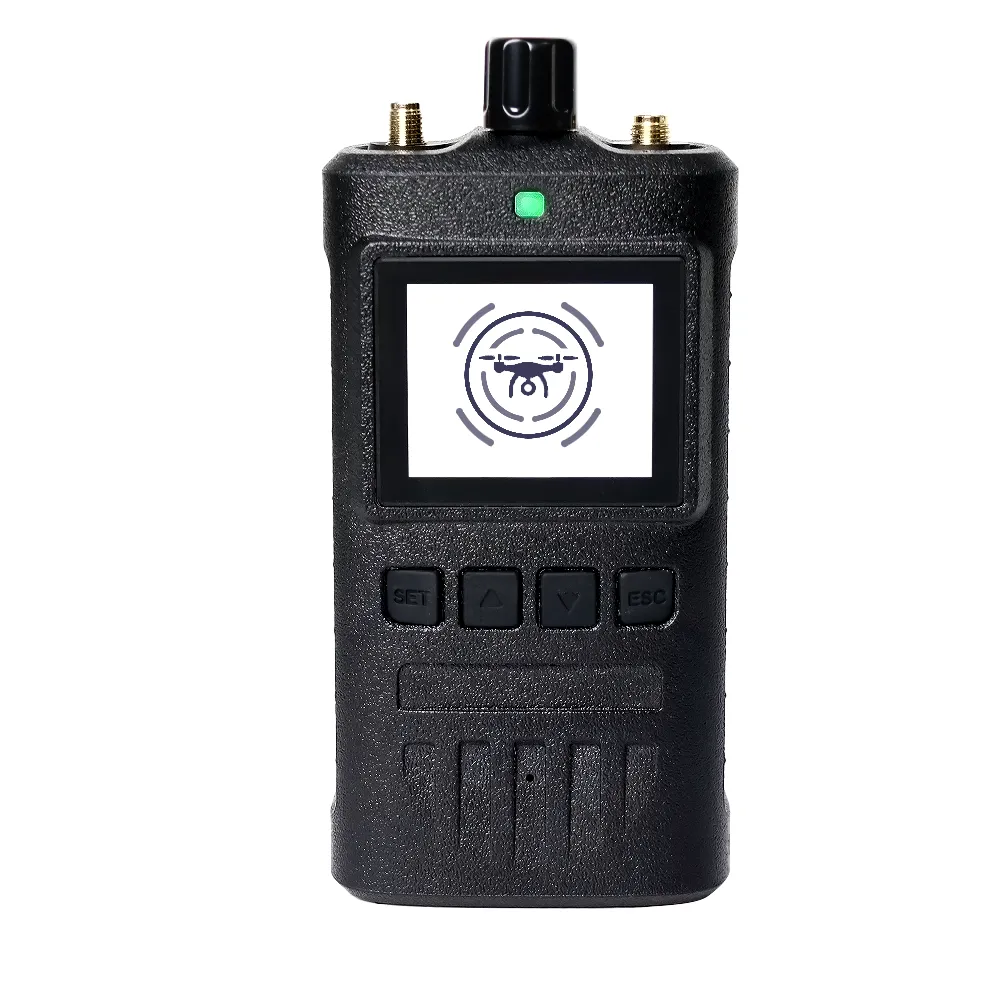
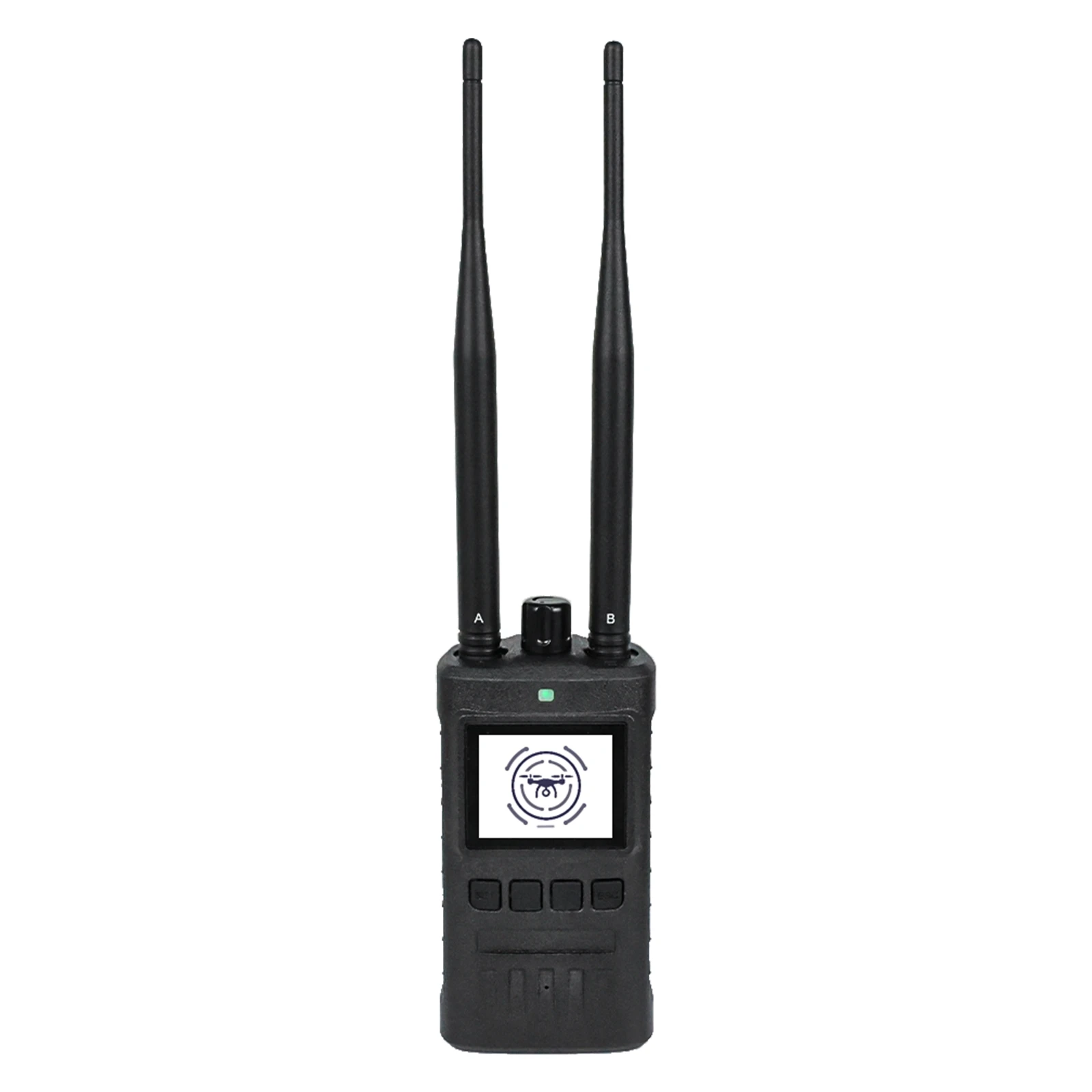
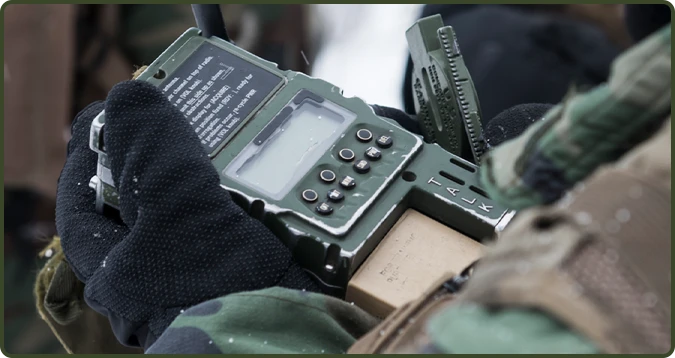
Built in Longgang District, Shenzhen, this unit’s official name is a mouthful: “The Handheld Drone Detector Can Detect 440mhz~6.19ghz Analog And Digital Transmission.” The elevator pitch is simpler: a portable, customizable handheld drone detector that flags control and telemetry links across the 440 MHz–6.19 GHz span and gives you workable range (≈1–3 km, line of sight). In fact, many customers say the carry weight feels right for all‑day security sweeps.
At‑a‑Glance Specs
| Product (official) | The Handheld Drone Detector Can Detect 440mhz~6.19ghz Analog And Digital Transmission |
| Origin | Longgang District, Shenzhen |
| Frequency coverage | 440 MHz–6.19 GHz (analog + digital) |
| Detection distance | ≈1–3 km (LOS; real‑world use may vary) |
| Form factor | Portable, individual operator |
| Customization | Functions can be customized and developed |
How It’s Built and Tested
Materials: ABS+PC impact‑resistant shell, RF‑shielded compartments, wideband front‑end with LNA and SAW/LC filtering. Methods: fast spectrum sweep plus protocol signature matching (common bands: 433–460, 868/915, 2.4, 5.2–5.8 GHz). Firmware supports over‑the‑air rule updates—crucial as drone vendors change modulation habits.
Testing standards (typical targets): CE RED 2014/53/EU, FCC Part 15 for unintentional emissions, ETSI EN 301 489 EMC, and select MIL‑STD‑810H methods for vibration and temperature. Service life: around 3–5 years with routine firmware care; battery cycle life typically ≈500+ cycles, depending on charge discipline.
Where It’s Used (and Why)
- Stadiums, festivals, VIP details: rapid pre‑event RF sweeps and live monitoring.
- Critical infrastructure and prisons: policy enforcement without jamming.
- Police and fire: quick situational awareness during incidents where airspace is sensitive.
- Airports and ports: adjunct to fixed sensors; a handheld drone detector fills blind spots.
Real‑World Results (sample)
Vendor field trials (Q2’25) showed ≈2.8 km LOS on a 2.4 GHz consumer quad in rural conditions; urban mid‑rise clutter dropped that to ≈900–1,200 m. Analog FPV at 5.8 GHz was detected around 1.5 km LOS. Your mileage, as always, depends on noise floor and antenna orientation.
Vendor Landscape (quick comparison)
| Vendor / Model | Freq. Range | Typical Range | Form Factor | Notes |
|---|---|---|---|---|
| Drone‑System (this unit) | 440 MHz–6.19 GHz | ≈1–3 km | Handheld | Customizable functions; portable |
| Dedrone Portable RF | ≈400 MHz–6 GHz | ≈1–5 km | Man‑portable | Ecosystem analytics; subscription |
| DJI AeroScope Portable (legacy) | 2.4/5.8 GHz (DJI focus) | ≈1–5 km | Portable | Strong on DJI IDs; limited vendor coverage |
| CerbAir portable options | ISM bands focus | ≈1–3 km | Handheld/manpack | Anti‑drone suite integration |
Bottom line: if you need a nimble handheld drone detector without a heavy backend, this Shenzhen model is a pragmatic pick; if you want deep fleet analytics, a platform vendor may suit you better.
Customization & Services
- Feature add‑ons: band‑specific filtering, alert APIs, UI localization.
- Integration: VMS/PSIM connectors, syslog, and CSV export.
- Maintenance: quarterly signature updates; optional annual calibration.
Micro Case Studies
City marathon: marshals used the handheld drone detector to discourage ad‑hoc FPV flyers—two detections, zero incursions. Warehouse cluster: security teams traced repeated 915 MHz hits to a hobbyist testing telemetry near a fence; issue resolved with a friendly chat, no drama.
Certifications, Compliance, and Caveats
Units are typically produced to meet CE/FCC/EMC norms and shipped with test reports. Local RF laws vary; detection is generally permitted, but transmission (jamming) is not. Always align with site policy and national regulations.
References
- FCC Part 15 — Radio Frequency Devices: https://www.ecfr.gov/current/title-47/part-15
- EU RED 2014/53/EU — Radio Equipment Directive: https://eur-lex.europa.eu/eli/dir/2014/53/oj
- ETSI EN 301 489 Series — EMC for radio equipment: https://www.etsi.org/standards
- MIL‑STD‑810H — Environmental Engineering Considerations: https://www.dtic.mil

-
 09 March 2021 16 Apr 2026
 -
 09 March 2021 09 Apr 2026
 -
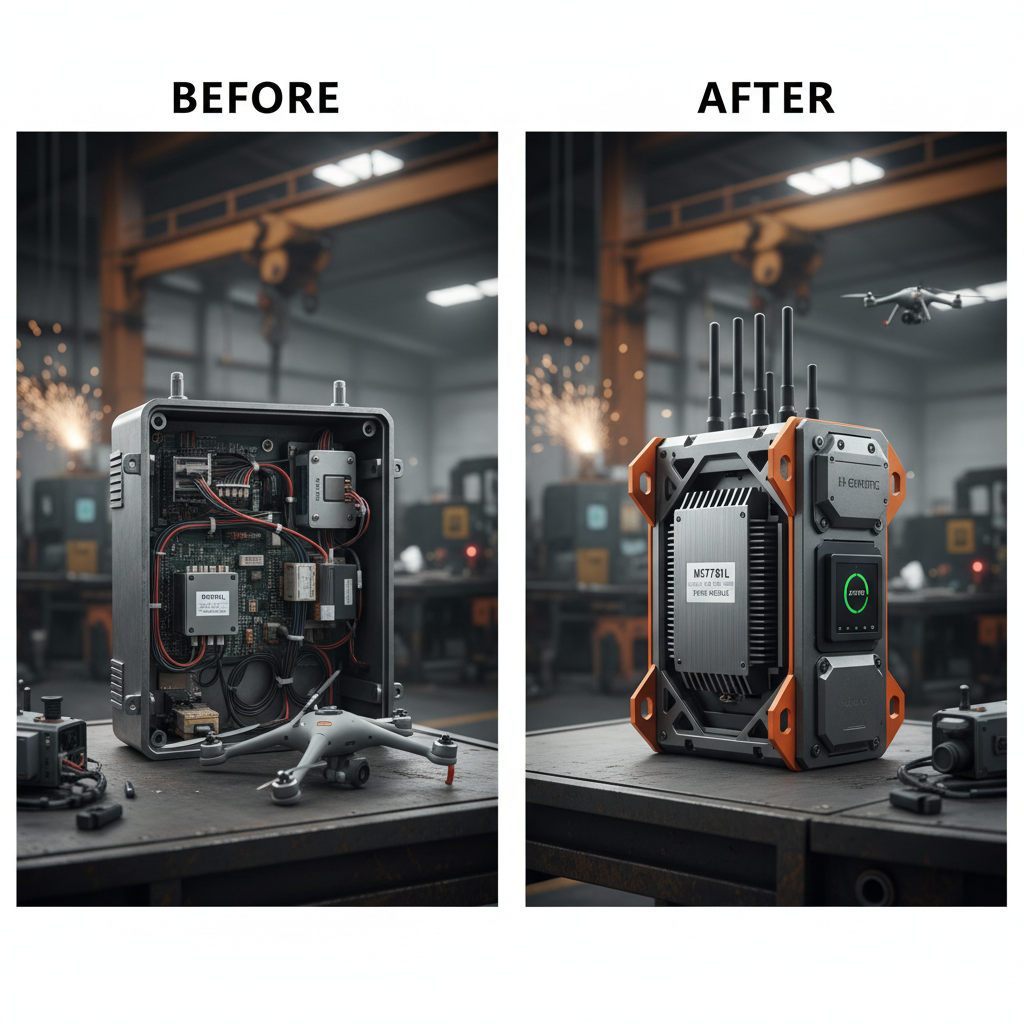 09 March 2021 07 Apr 2026
 -
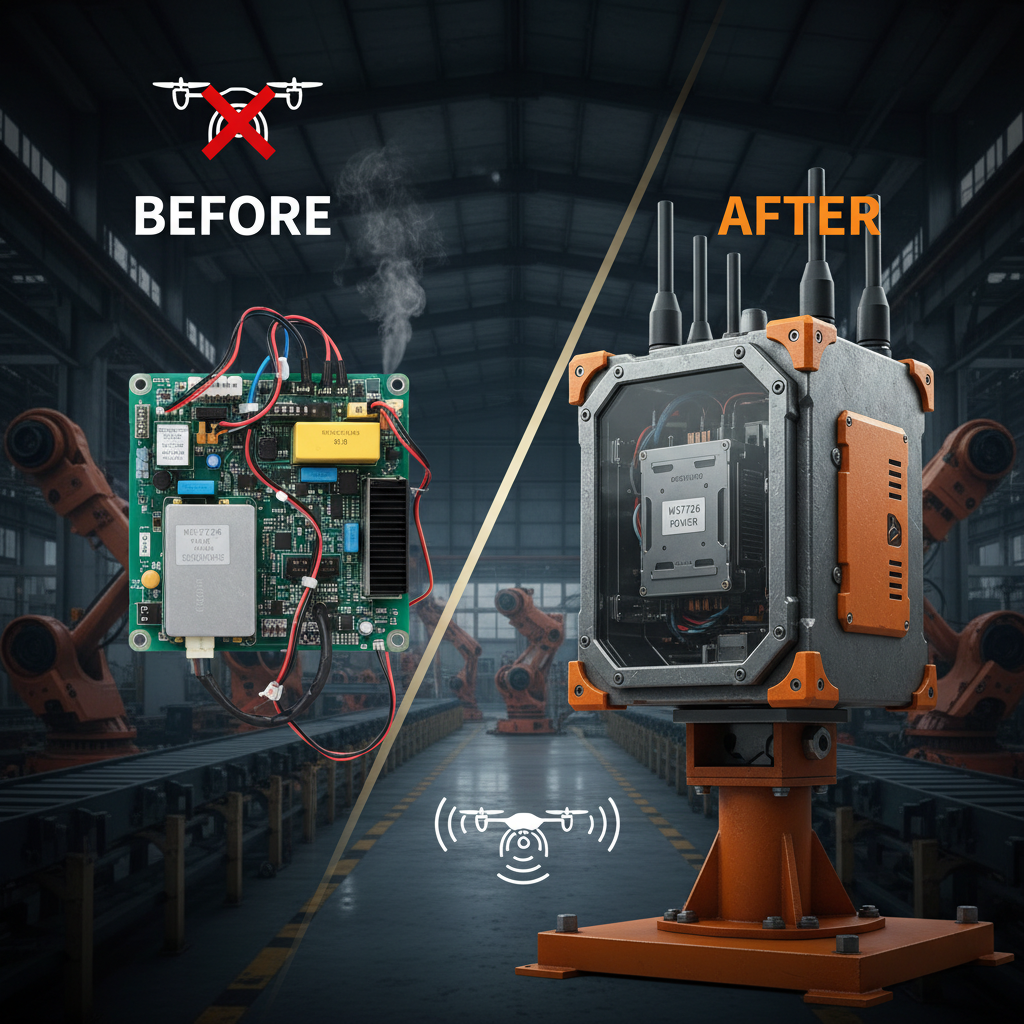 09 March 2021 04 Apr 2026
 -
 09 March 2021 31 Mar 2026
-
 09 March 2021 21 May 2025
 -
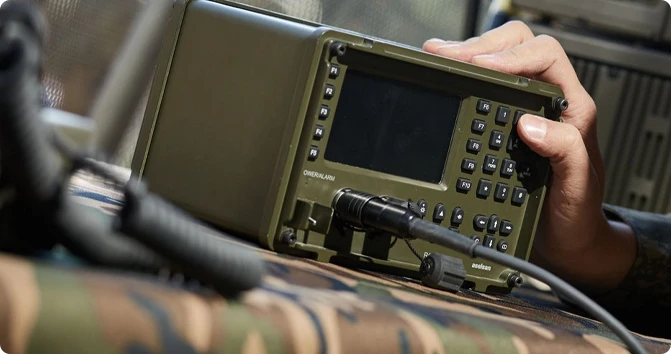 09 March 2021 25 Dec 2024
 -
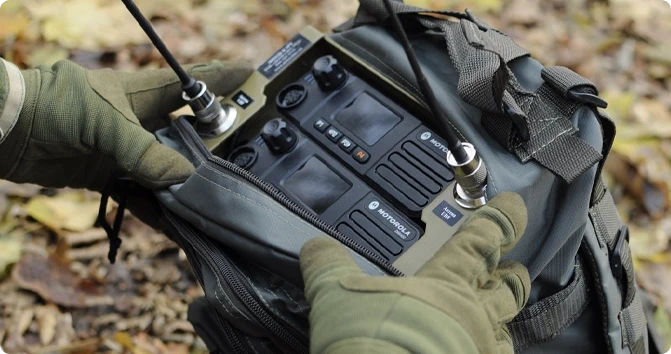 09 March 2021 14 Oct 2022
-
 09 March 2021 25 Dec 2024
 English
  Arabic
  Belarusian
  Danish
  Dutch
Dutch  French
  German
  Greek
Greek  Japanese
  Korean
  Myanmar
  Polish
  Portuguese
  Russian
  Spanish
  Swedish
  Thai
Thai  Ukrainian
  Vietnamese