

High Precision Photoelectric Detector for Reliable Industrial Sensing
Industry Trends in Advanced Photoelectric Detection Technologies
The landscape of industrial automation is undergoing rapid transformation, propelled by demands for higher precision, greater efficiency, and enhanced reliability. Central to this evolution is the continuous innovation in sensor technology. The development of Photoelectric Detector systems exemplifies this progression, with key industry trends shaping their design and deployment across various sectors.
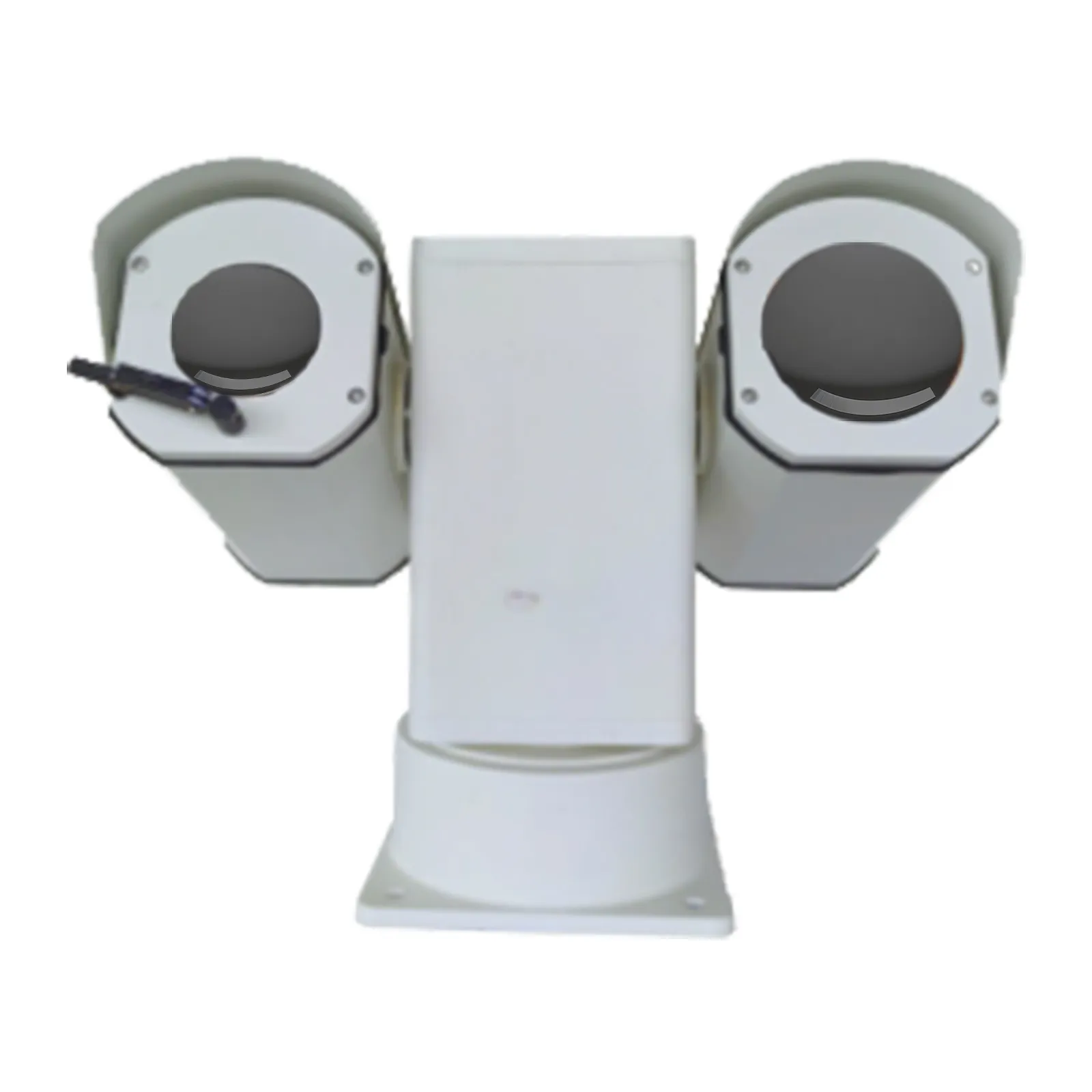
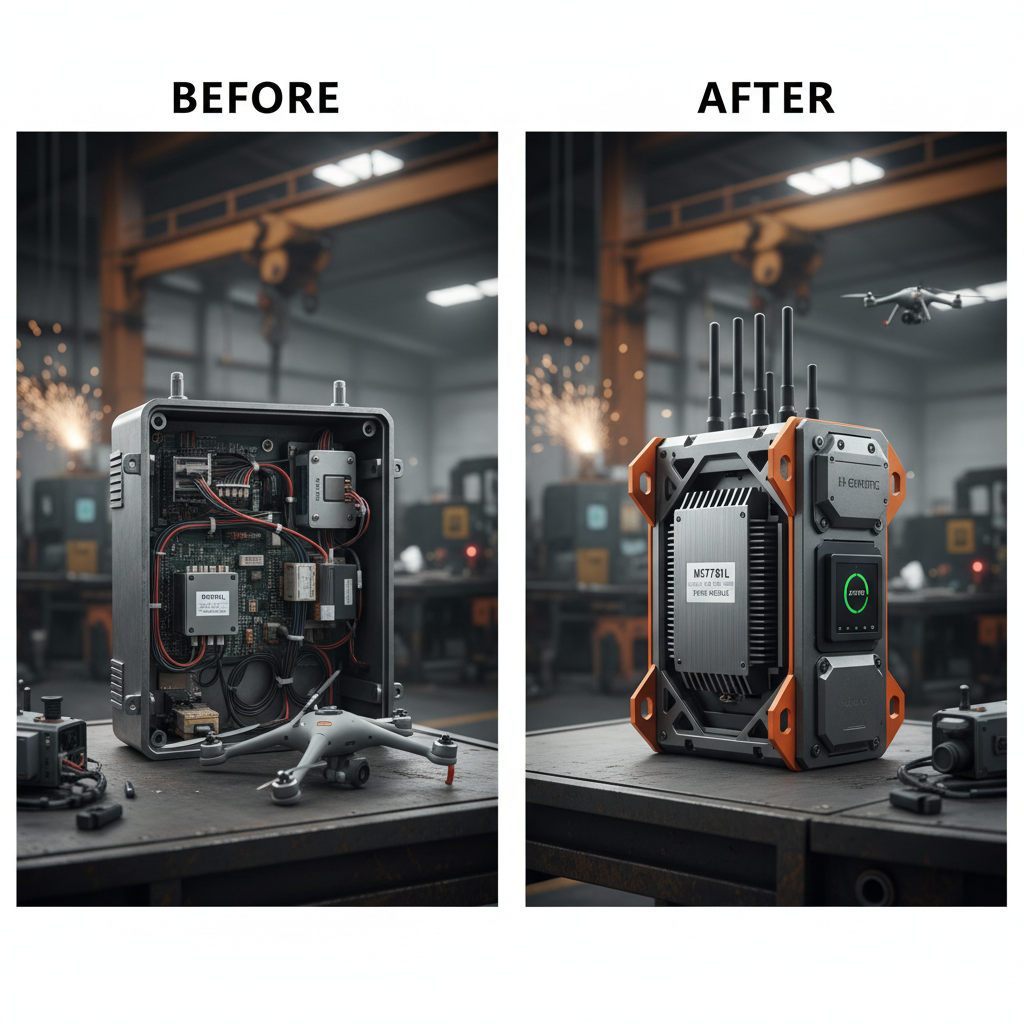
Figure 1: Advanced photoelectric detection systems integrated into modern industrial processes.
Miniaturization and Enhanced Sensitivity
The relentless push for miniaturization allows sensors to be integrated into increasingly confined spaces, critical for compact machinery and complex robotic arms. Concurrently, advancements in optoelectronics have led to significantly enhanced sensitivity, enabling detection of smaller objects or fainter light signals over longer distances. This trend is vital for applications requiring discrete object detection and precise positioning in high-density manufacturing environments.
Integration with IoT and AI
Modern photoelectric sensors are no longer mere binary output devices. They are increasingly being equipped with advanced communication protocols like IO-Link, facilitating seamless integration into Industrial Internet of Things (IIoT) ecosystems. This enables real-time data acquisition, predictive maintenance, and remote diagnostics. Furthermore, the incorporation of artificial intelligence (AI) and machine learning algorithms allows these sensors to adapt to changing environmental conditions, differentiate between complex targets, and reduce false positives, thereby enhancing operational intelligence.
Robustness for Harsh Environments
Industrial settings frequently expose equipment to extreme conditions including high temperatures, corrosive chemicals, washdowns, and significant mechanical stress. The demand for sensors capable of enduring such environments has driven innovations in material science and sealing technologies. Consequently, the latest photoelectric detection solutions boast superior ingress protection (e.g., IP69K), chemical resistance, and vibration tolerance, ensuring prolonged operational life and reducing downtime in challenging applications such as food and beverage processing, petrochemical plants, and heavy machinery.
Technical Specifications and Operating Parameters
Understanding the core technical specifications is crucial for selecting the optimal Photoelectric Detector for specific applications. These devices operate on the principle of converting light signals into electrical signals, with various technologies dictating their performance and suitability for diverse industrial tasks.
Key Operating Principles and Parameters
Photoelectric sensors typically employ one of three main operating principles: through-beam, retro-reflective, or diffuse-reflective. Each offers distinct advantages in terms of detection range, immunity to environmental interference, and target material characteristics. Key performance parameters include detection range, response time, light source type, output configuration (NPN/PNP, analog, IO-Link), and environmental protection rating.
Modern sensors often feature background suppression (BGS) or foreground suppression (FGS) capabilities, allowing precise detection regardless of background reflections or shiny objects in the foreground. Advanced optics, such as focused beams or polarizing filters, further enhance reliability in challenging scenarios, minimizing false triggers and maximizing detection accuracy. The wavelength of the light source, typically infrared, red LED, or laser, is selected based on target material and application requirements.
Typical Photoelectric Detector Specifications
The selection of an appropriate detection solution requires careful consideration of these parameters to ensure compatibility with the application's demands, optimizing both performance and longevity.
Manufacturing Process Flow for High-Performance Detectors
The production of a reliable Photoelectric Detector involves a meticulous multi-stage process, ensuring precision, durability, and consistent performance under stringent industrial conditions. Our manufacturing philosophy emphasizes quality control at every step, adhering to international standards like ISO 9001 for quality management and ANSI/IEC protocols for electrical safety and performance, contributing to an impressive service life often exceeding 100,000 operational hours.
Schematic Process Steps:
- Material Sourcing & Preparation: Selection of high-grade, corrosion-resistant materials such as 316L stainless steel for robust housings, chemical-resistant PEEK (Polyether Ether Ketone) for specialized applications, optical-grade polycarbonate or borosilicate glass for lenses, and high-purity silicon for photodiode components. All incoming materials undergo rigorous quality inspection to meet specified mechanical, optical, and chemical properties.
-
Component Manufacturing:
- Housing Production: Advanced CNC machining for precise shaping of metal or high-performance plastic housings, ensuring tight tolerances for environmental sealing (e.g., IP67, IP69K). For high-volume or complex geometries, precision injection molding or pressure die-casting is employed.
- Optical Element Fabrication: Precision grinding, polishing, and shaping of lenses and optical windows. Multi-layer anti-reflective (AR) coatings are applied in a cleanroom environment to maximize light transmission, minimize signal loss, and prevent unwanted reflections.
- Photodiode & Circuit Board Assembly: High-precision automated pick-and-place machines assemble miniature photodiodes, LEDs/lasers, and amplifying/processing circuitry onto multi-layer Printed Circuit Boards (PCBs). Soldering processes strictly adhere to IPC-A-610 Class 2 standards for electronic assemblies.
- Sub-Assembly & Calibration: Integration of the optical components with the sensitive circuit board and the sensor housing. Initial calibration of critical parameters such as detection range, sensitivity, and response time using standardized light sources and precision targets in a controlled environment. This ensures each unit meets its specified performance curve.
- Environmental Sealing: Application of robust sealing techniques, including chemically resistant O-rings, durable epoxy potting compounds, and ultrasonic welding for plastic components. This crucial step protects internal electronics from moisture, dust, and corrosive agents, indispensable for achieving high IP ratings required in petrochemical, metallurgy, and water supply & drainage industries.
-
Final Testing & Quality Assurance:
- Functional Testing: Comprehensive automated testing of electrical parameters, output accuracy, switching frequencies, and response time across the entire operational range.
- Environmental Stress Testing: Exposure to temperature cycling, high humidity, vibration (to IEC 60068-2-6 standard), and shock tests (to IEC 60068-2-27 standard) to ensure long-term reliability and robustness in anticipated operational environments.
- Lifetime Expectancy & Accelerated Aging Tests: Simulated operational cycles and accelerated aging tests are performed to validate the expected service life, which is a critical factor for total cost of ownership in industrial applications.
- Compliance Verification: Final checks for certification against CE, RoHS, UL, CSA, ATEX/IECEx (for hazardous areas), and other regional regulatory requirements.
- Packaging & Dispatch: Secure, protective packaging with appropriate documentation, including installation guides and conformity declarations, prepared for global distribution.
This rigorous and multi-faceted manufacturing process guarantees that each detector shipped from our facility meets the highest standards of performance, reliability, and extended service life, which is crucial for industrial applications where uptime and safety are paramount.
Versatile Application Scenarios and Technical Advantages
The adaptability and precision of photoelectric sensor technology make it indispensable across a multitude of industries. From automated manufacturing to harsh environmental monitoring, these sensors provide critical data and control functions, driving efficiency and safety. The robust design and advanced features ensure reliable operation in demanding conditions.
Target Industries and Specific Advantages:
-
Petrochemical: These sensors are crucial for liquid level detection in tanks, presence sensing of components on conveyor systems, and precise positioning in valve actuators within hazardous areas.
Advantages: Designed with explosion-proof certifications (e.g., ATEX, IECEx, UL Class I Div 1), high chemical resistance due to specialized housing materials, and robust construction to withstand aggressive, corrosive atmospheres and potentially explosive gas mixtures. This ensures critical safety and operational integrity.
-
Metallurgy: Essential for object detection in high-temperature processes like hot rolling mills, accurate position sensing of metal sheets or ingots, and monitoring continuous material flow in casting lines and annealing furnaces.
Advantages: Engineered for high-temperature resistance (up to 200°C), immunity to intense electromagnetic interference (EMI) from arc furnaces and induction heaters, and rugged, shock-resistant construction necessary for heavy industry operations.
-
Water Supply & Drainage: Utilized for monitoring water and wastewater levels in treatment tanks, detecting overflow conditions in pump stations, controlling sludge levels, and ensuring proper valve positioning in distribution networks.
Advantages: Feature superior IP ratings (IP68 for continuous submersion, IP69K for high-pressure washdowns), excellent corrosion resistance against treated water, wastewater, and disinfection chemicals, ensuring reliable operation in wet and humid environments.
-
Packaging & Logistics: Critical for high-speed object counting, accurate package detection on conveyors, error-proofing for product orientation, and precise control of automated material handling systems.
Advantages: Offer ultra-fast response times (sub-millisecond), highly precise small object detection, and robust performance in dusty or vibrating environments, contributing to increased throughput and reduced packaging errors.
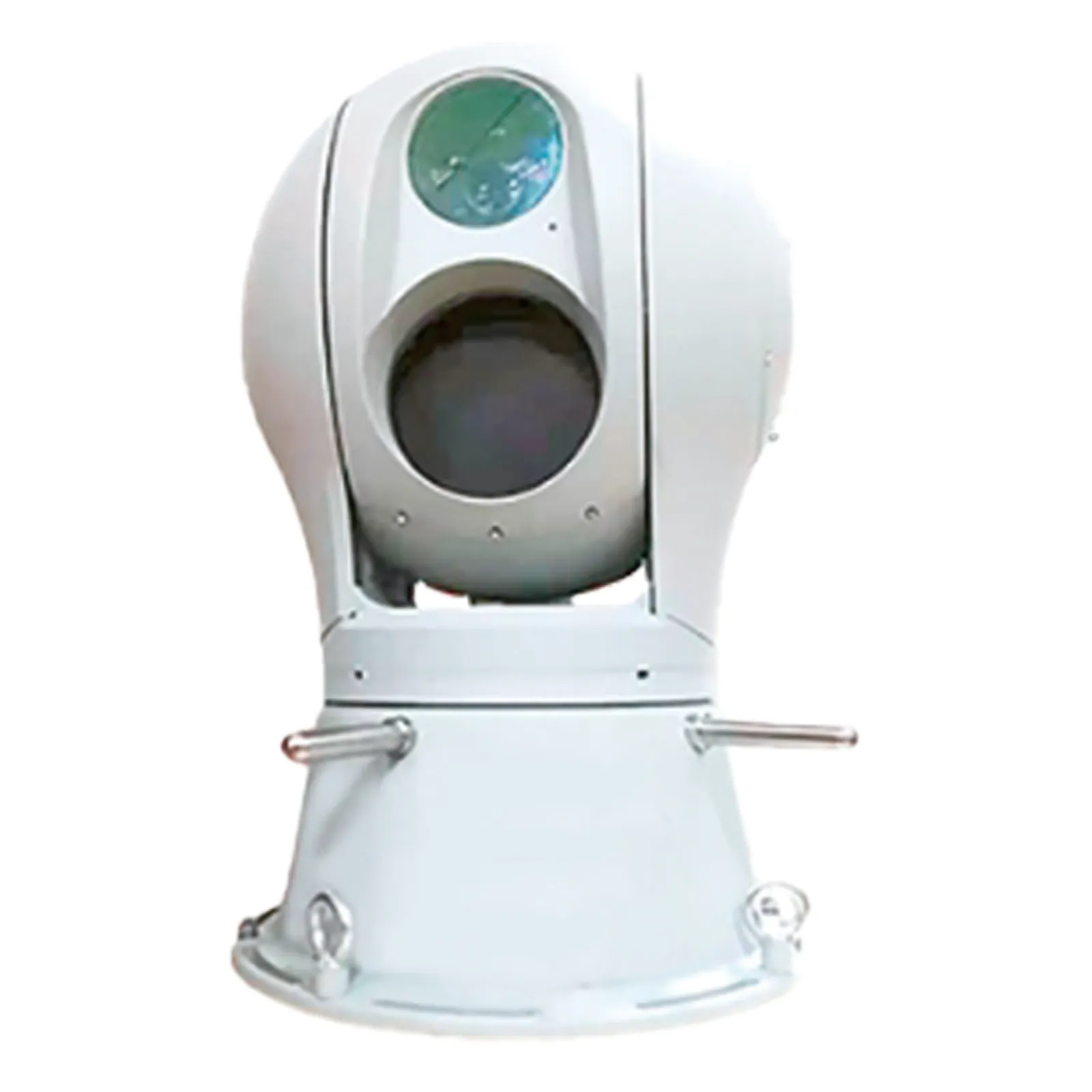
Figure 2: Precision photoelectric sensors ensuring accuracy in automated manufacturing.
Demonstrated Advantages in Typical Scenarios:
- Energy Saving: Our advanced detection systems feature low power consumption modes and efficient LED/laser light sources, contributing significantly to reduced operational costs for continuous monitoring systems. For instance, pulse-modulated light sources not only extend LED lifespan but also drastically reduce overall power draw compared to continuously emitting sources.
- Corrosion Resistance: By utilizing specialized housing materials (e.g., 316L stainless steel, PEEK) and hermetic sealing techniques, our sensors maintain long-term operational integrity in aggressive chemical environments. This extends sensor lifespan from months to years and minimizes costly replacement cycles in industries like chemical processing and marine applications.
- Enhanced Precision & Reliability: Equipped with sophisticated optics and advanced digital signal processing (DSP), our detectors maintain consistent performance even with challenging target variations (e.g., color, texture, transparency) or harsh environmental interferences (dust, fog, ambient light). This significantly reduces false positives and negatives, improving overall process efficiency and product quality.
- Reduced Downtime: The robust construction, stringent quality control, and high MTBF (Mean Time Between Failures) metrics of our sensors lead to significantly less unscheduled maintenance and fewer sensor failures, maximizing system uptime and overall productivity in critical industrial operations.
Vendor Comparison and Customized Solutions
Selecting the right sensor vendor involves more than just product specifications; it encompasses reliability, technical support, and the ability to provide tailored solutions for unique operational challenges. While many offer standard photoelectric products, true differentiation lies in specialized engineering expertise and client-centric services.
Comparative Analysis of Photoelectric Detector Providers
Our commitment at Drone-System to engineering excellence and customer satisfaction positions our photoelectric detection solutions as a superior choice for demanding industrial applications, offering both advanced technical capabilities and robust support.
Customized Photoelectric Detector Solutions
We understand that off-the-shelf solutions may not always meet the unique challenges of every industrial application. Our engineering team specializes in developing customized photoelectric sensor solutions, working closely with clients to address specific requirements:
- Optical Configuration: Tailoring lens materials, beam shapes (e.g., precise line-scan, micro-focused spot, wide-angle), and specific light wavelengths (e.g., UV, specific IR bands, polarized light) for highly specialized detection tasks involving transparent, highly reflective, or challenging colored targets.
- Housing & Material Adaptations: Design of custom form factors, specialized mounting options, or selection of exotic materials (e.g., Hastelloy, ceramics) for extreme temperature, high-pressure, vacuum, or highly corrosive chemical exposure environments. This ensures mechanical and environmental resilience beyond standard offerings.
- Integrated Logic & Connectivity: Embedding specific logical functions (e.g., advanced timers, counters, complex thresholding, window detection) directly into the sensor, or integrating with specialized communication protocols (e.g., IO-Link with custom profiles, EtherNet/IP, PROFINET) for seamless and intelligent integration into complex control systems.
- Application-Specific Calibration: Fine-tuning sensitivity, gain settings, and response curves to optimize performance for unusual target materials, specific distances, or challenging ambient conditions, providing unparalleled accuracy and reliability for critical processes.
Our collaborative design process, backed by years of experience and deep technical knowledge, ensures that customized detectors integrate seamlessly into existing systems and deliver optimal, long-term performance.
Real-World Application Case Studies
Our photoelectric detection solutions have been successfully deployed in a diverse range of challenging industrial environments, delivering tangible benefits to our clients. These case studies highlight our commitment to engineering robust and reliable sensing technology for critical applications.
Case Study 1: High-Speed Bottle Counting in Beverage Production
Client: Leading Global Beverage Manufacturer, Germany.
Challenge: The client required highly accurate, high-speed counting of glass bottles on a production line operating at 1,500 bottles per minute. Existing sensors suffered from frequent false counts due to reflections from the glass and vibration from conveyor machinery, leading to production inefficiencies and material waste.
Solution: We deployed a specialized through-beam Photoelectric Detector with a narrow, focused infrared beam and advanced digital background suppression algorithms. The sensor's robust, IP67-rated housing provided exceptional immunity to mechanical vibration and washdown procedures common in the food and beverage industry. Its rapid response time ensured no missed counts even at maximum line speed.
Results: Achieved an unprecedented 99.98% counting accuracy, effectively eliminating costly overfills and underfills. The sensor's ultra-fast response time (0.2 ms) ensured seamless integration with high-speed machinery, leading to a demonstrable 7% increase in line efficiency and annual savings of over $75,000 in reduced waste and improved inventory management.
Case Study 2: Material Level Monitoring in a Corrosive Chemical Reactor
Client: Specialty Chemical Producer, Texas, USA.
Challenge: Monitoring the precise level of highly corrosive sulfuric acid within a stainless steel reactor operating at elevated temperatures (up to 150°C). Conventional ultrasonic and capacitive sensors failed prematurely (within 3-6 months) due to severe chemical attack and high temperature, leading to frequent sensor replacements and hazardous maintenance procedures.
Solution: We engineered a customized photoelectric liquid level switch with a chemically inert PEEK housing and a specialized high-temperature borosilicate glass optical window. The sensor utilized a custom-tuned reflective principle, designed to function reliably with the fluctuating, viscous liquid surface properties and high vapor concentration within the reactor.
Results: The customized detector provided continuous, accurate level detection, significantly improving safety protocols and process control. The sensor's lifespan increased dramatically from 3-6 months to over 2.5 years, drastically reducing maintenance costs by over 90% and eliminating hazardous material exposure during frequent replacements. This resulted in an estimated $120,000 saving over two years, alongside enhanced safety compliance.
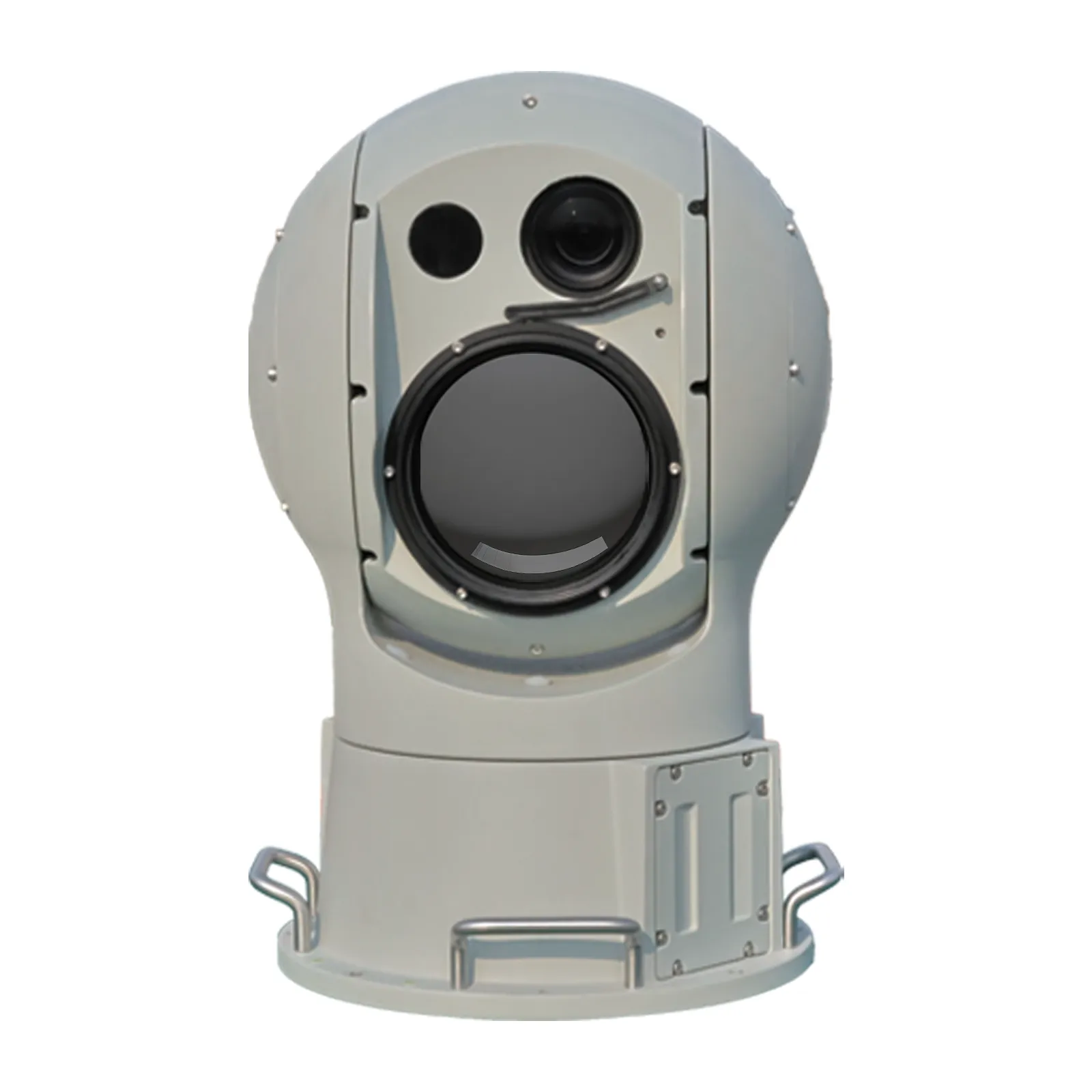
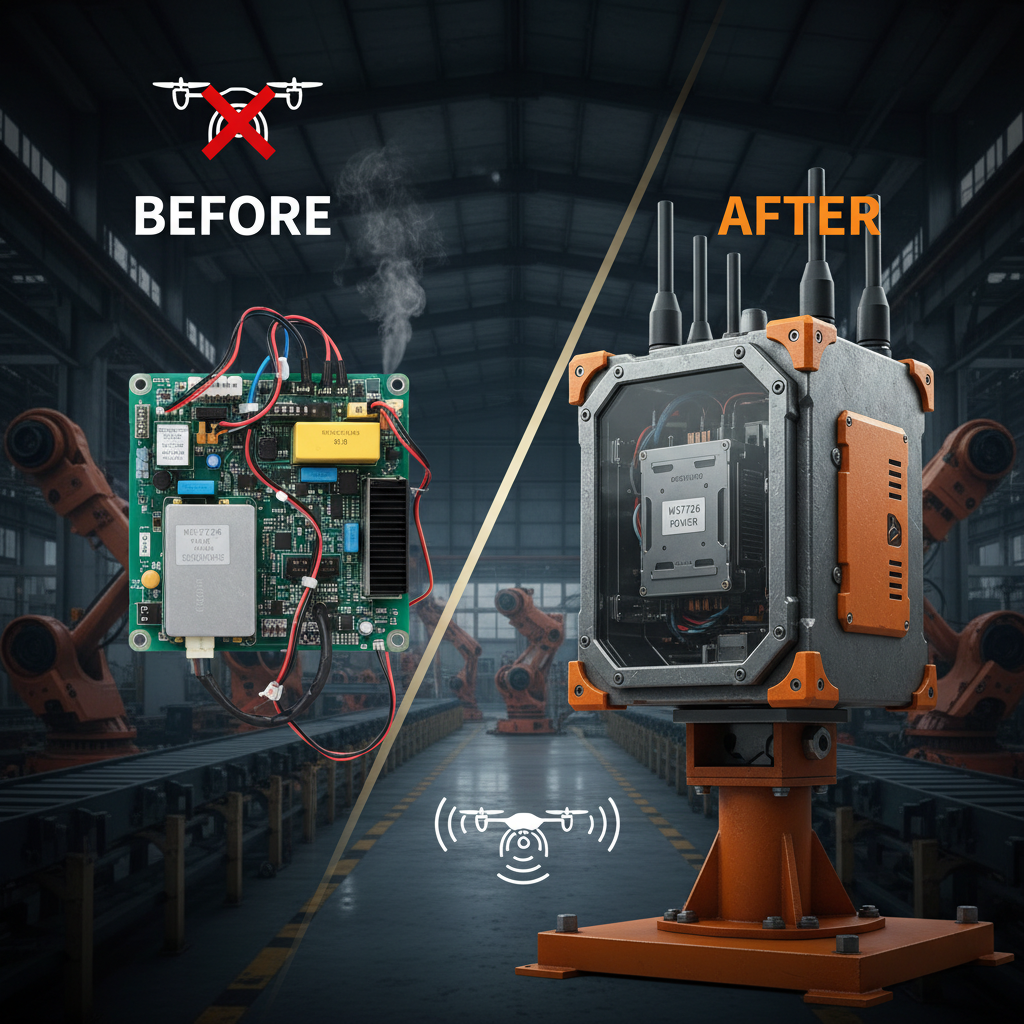
Figure 3: Customized photoelectric sensor integrated into a complex chemical processing system.
FAQs, Logistics, and Comprehensive Support
Frequently Asked Questions (FAQs)
Q: What is the typical service life of your photoelectric sensor units?
A: Our standard photoelectric sensor units are rigorously designed and tested for a service life of over 100,000 operational hours (approximately 11 years of continuous use) under nominal conditions. Specialized units for harsh environments, while engineered for maximum durability in their specific conditions, may have a slightly varied but still extensive service life, backed by robust materials and manufacturing processes.
Q: How do I select the correct photoelectric detector for my specific application?
A: Selecting the optimal photoelectric sensor requires considering several factors: detection range, target material characteristics (translucent, reflective, opaque, color), environmental conditions (temperature, dust, moisture, chemicals, vibration), required response time, and desired output type (NPN/PNP, analog, IO-Link). Our highly experienced technical sales team is readily available for in-depth consultation to guide you through this selection process and recommend the most suitable model for your precise operational needs.
Q: Are your photoelectric detectors compatible with existing PLC systems and industrial networks?
A: Yes, our photoelectric sensor units offer a broad range of standard NPN, PNP, and relay outputs, as well as analog (4-20mA, 0-10V) options, ensuring broad compatibility with the vast majority of industrial PLC (Programmable Logic Controller) and control systems. Furthermore, we offer advanced models with modern communication interfaces like IO-Link, EtherNet/IP, and PROFINET for seamless digital integration into contemporary industrial automation networks, facilitating advanced diagnostics and remote configuration.
Lead Time and Fulfillment Details
For standard photoelectric sensor models, typical lead times range from 2-4 weeks, depending on order volume and current stock levels. Our inventory management system is optimized to minimize delays. Custom-engineered solutions, due to their bespoke nature, require an initial consultation, a dedicated design phase, and specialized manufacturing, with lead times provided on a project-specific basis. We maintain a robust and diversified supply chain to ensure consistent component availability and timely delivery for all orders, globally.
Warranty Commitments
We stand unequivocally by the superior quality and inherent reliability of our products. Each photoelectric sensor unit comes with a standard 3-year limited warranty against manufacturing defects and material failures, underscoring our confidence in our engineering and production standards. For clients requiring extended assurance, extended warranty options for up to 5 years are available upon request for specific product lines or high-volume orders, providing unparalleled peace of mind and robust protection for your critical industrial investment.
Customer Support and After-Sales Service
Our commitment to our clients extends far beyond the point of sale. We offer comprehensive, world-class after-sales support designed to maximize the performance and longevity of your sensor systems:
- Expert Technical Assistance: Our dedicated team of highly skilled engineers provides prompt and precise guidance for installation, optimal configuration, advanced troubleshooting, and application-specific queries, available via multiple communication channels.
- Extensive Documentation & Resources: Clients have immediate access to comprehensive user manuals, detailed technical data sheets, precise CAD drawings, wiring diagrams, and an extensive online FAQ knowledge base, facilitating self-service and in-depth understanding.
- Efficient Repair & Replacement Services: We offer streamlined processing of warranty claims and provide prompt repair or replacement services to minimize operational disruptions and ensure continuous productivity.
- Customized Training Programs: We conduct tailored on-site or remote training sessions for your technical staff, equipping them with the knowledge and skills to optimize the use, maintenance, and longevity of our photoelectric sensor systems.
References
- International Organization for Standardization (ISO). ISO 9001:2015 Quality Management Systems – Requirements.
- International Electrotechnical Commission (IEC). IEC 60068 Series: Environmental Testing.
- Institute of Electrical and Electronics Engineers (IEEE). "Advances in Optical Sensing for Industrial Automation and Robotics." IEEE Sensors Journal, vol. 22, no. 15, pp. 15152-15165, Aug. 2022.
- Occupational Safety and Health Administration (OSHA). 29 CFR 1910.212: General Requirements for All Machines.
- European Committee for Electrotechnical Standardization (CENELEC). EN IEC 60947-5-2: Low-voltage switchgear and controlgear – Part 5-2: Control circuit devices and switching elements – Proximity switches.

-
 09 March 2021 16 Apr 2026
 -
 09 March 2021 09 Apr 2026
 -
 09 March 2021 07 Apr 2026
 -
 09 March 2021 04 Apr 2026
 -
 09 March 2021 31 Mar 2026
-
 09 March 2021 21 May 2025
 -
 09 March 2021 25 Dec 2024
 -
 09 March 2021 14 Oct 2022
-
 09 March 2021 25 Dec 2024
 English
  Arabic
  Belarusian
  Danish
  Dutch
Dutch  French
  German
  Greek
Greek  Japanese
  Korean
  Myanmar
  Polish
  Portuguese
  Russian
  Spanish
  Swedish
  Thai
Thai  Ukrainian
  Vietnamese