

Pallet RF Power Amplifiers: Durable Industrial Solutions Under the Hood
What You Need to Know About Pallet RF Power Amplifiers
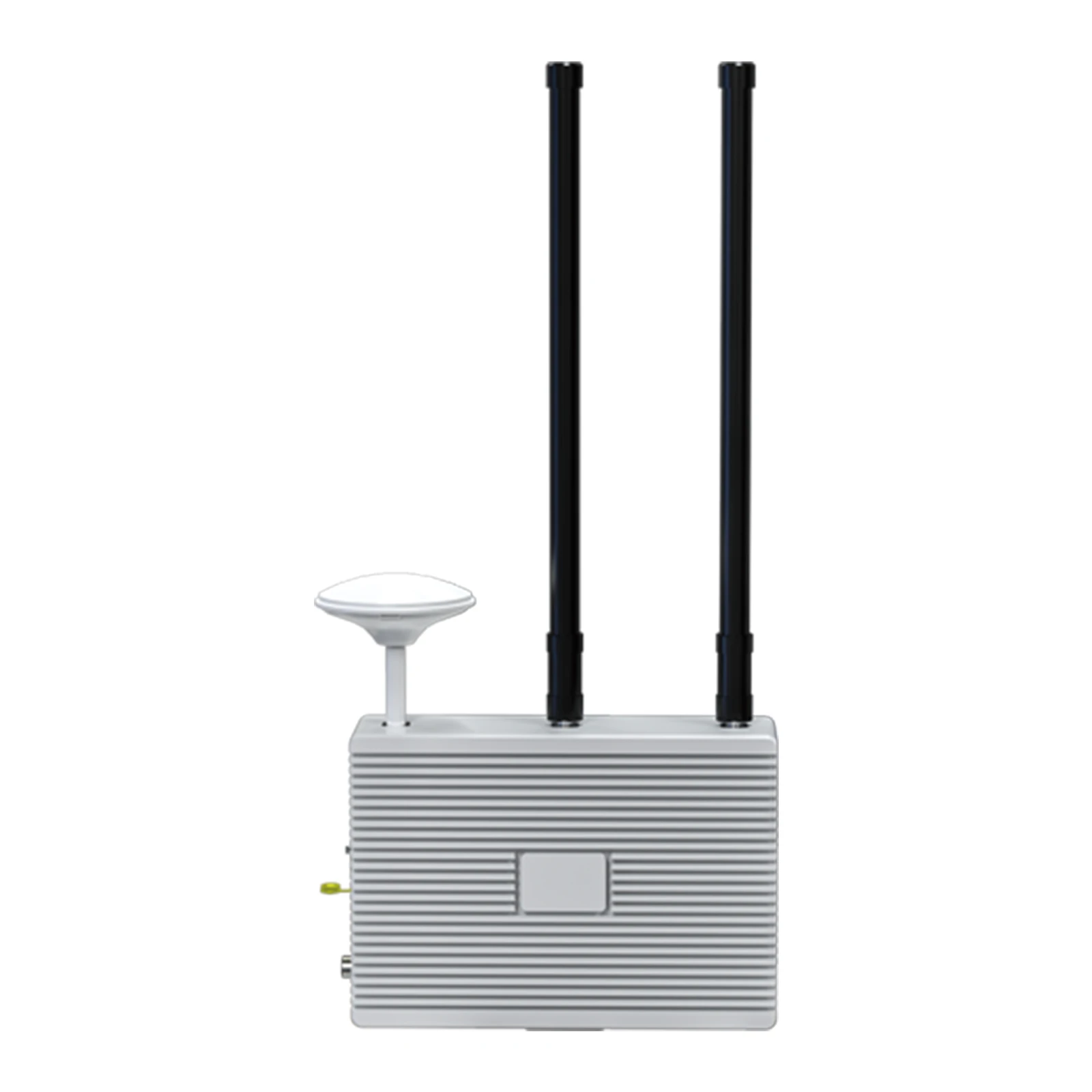
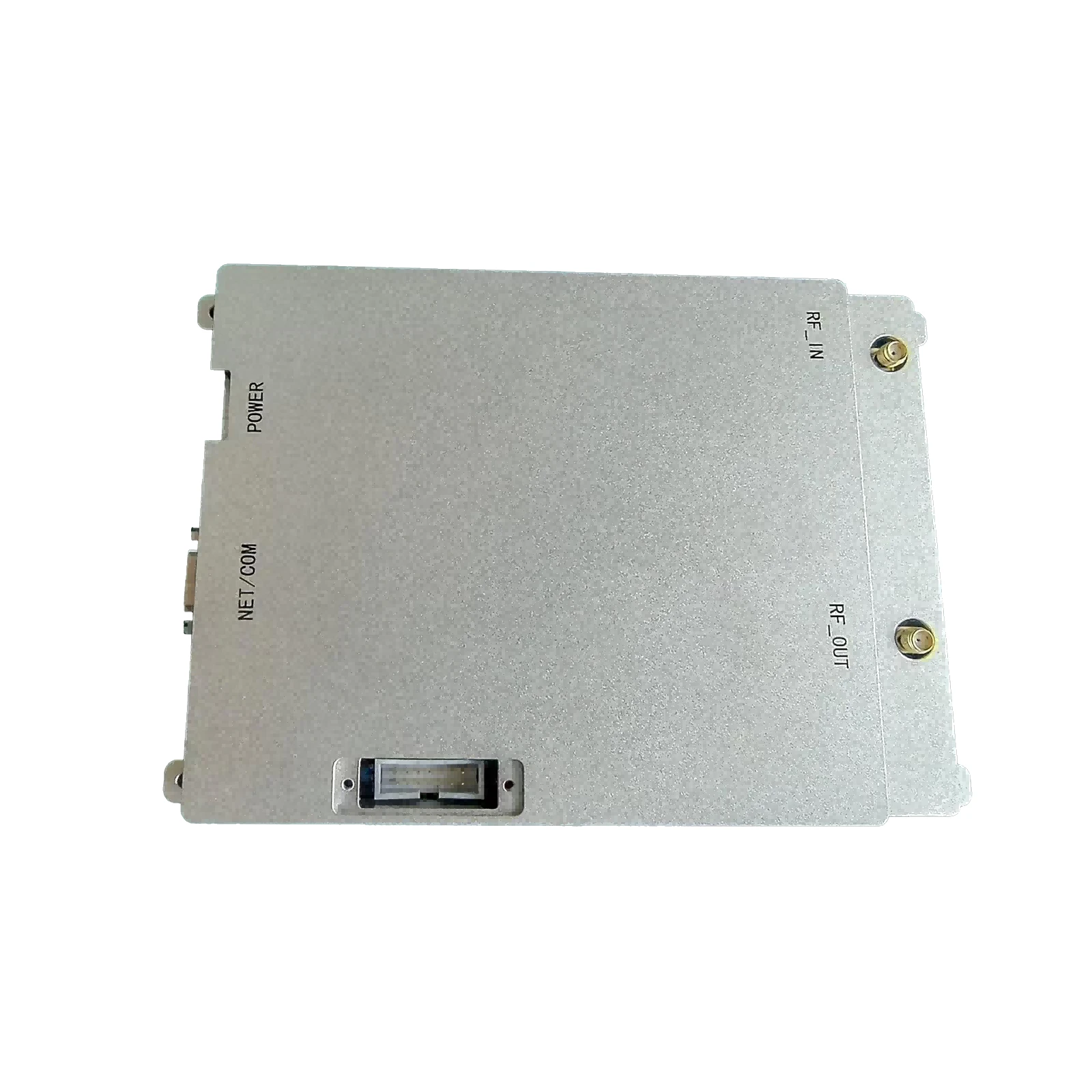
Having worked in the industrial equipment sector for over a decade, I’ve come across all sorts of RF solutions — but pallet RF power amplifiers always stand out due to their unique blend of robustness and power density. For those unacquainted, these are ruggedized amplifiers designed to boost radio-frequency signals in palletized modules, often used in logistics, warehousing, or communications infrastructure.
Oddly enough, even though they sound specialized, they’re quietly becoming a staple in automated material handling and drone communication setups. The demand stems from their reliability in harsh environments, ability to handle significant power outputs, and ease of integration. Frankly, once you get to know one, it feels like they fit somewhere between a piece of precision industrial art and a no-nonsense workhorse.
Design & Material Considerations
From my experience, the build quality rarely disappoints. The chassis is typically made of high-grade aluminum alloys with special coatings to prevent corrosion and dissipate heat efficiently—because, trust me, power amplifiers can get seriously hot when there's work to do. Inside, components like Gallium Nitride (GaN) transistors have increasingly replaced older silicon-based parts, offering higher efficiency and better thermal performance. Many engineers I talk to specifically look for those GaN-based amplifiers in pallet form for these reasons.
They also often come with built-in protection circuits—over-voltage, over-temperature, and sometimes even vibration damping. Since these units often sit on pallet racks or mobile platforms, the ruggedness isn’t just marketing speak.
Product Specs Overview
| Specification | Typical Value |
|---|---|
| Frequency Range | 1 GHz – 6 GHz |
| Output Power | Up to 100 Watts |
| Gain | 45 – 55 dB |
| Efficiency | > 60% |
| Operating Temperature | -40°C to +85°C |
| Dimensions (LxWxH) | 600mm x 400mm x 150mm |
One thing to note: specifications can vary a lot depending on vendor and customization options. Many providers allow tailored frequency ranges or enhanced cooling systems, which is important if you’re running these amplifiers in clustered environments.
Vendor Comparison: What to Watch For
| Vendor | Power Output | Frequency Coverage | Cooling System | Price Range |
|---|---|---|---|---|
| AmplifyCo | Up to 80W | 1.5 - 5 GHz | Air-cooled | $$$ |
| PowerRack Ltd. | 100W | 1 - 6 GHz | Liquid-cooled | $$$$ |
| RF Tech Solutions | 70W | 2 - 4.5 GHz | Air-cooled | $$ |
In real terms, talking to users in the field, liquidity-based cooling systems on these amplifiers often make a big difference for prolonged high-output scenarios — but they come at a steeper price and complexity. Conversely, air cooling is simpler and cheaper, which might be just right if your operation isn’t pushing the limits all day long.
Usage & Applications
One memorable project I was part of involved integrating pallet RF power amplifiers into an automated drone system for warehouse inventory scanning. The pallet RF power amplifier was essential in maintaining signal strength over large distances and through metallic racks — which can be quite challenging for RF signals. The setup ran 24/7 with minimal downtime, a testament to the solid engineering behind these units.
Moreover, customization is often key — whether that’s tailored frequency ranges or form factor tweaks to fit into existing pallets. Vendors who excel are those that listen closely and collaborate on the technical suite instead of selling off-the-shelf products without understanding context.
Final Thoughts
So, if you’re shopping around for a pallet RF power amplifier, keep in mind that it’s not just about raw power or specs on a datasheet. Reliability, thermal management, and vendor support can make all the difference. Honestly, it feels like these devices are the quiet heroes in many large-scale RF deployments — not flashy, but utterly dependable.
To wrap it up — when integrating such complex hardware, nothing beats experience and a trusted partner. That’s why I often point colleagues toward pallet RF power amplifier providers who have a track record in industrial applications. Their engineering depth often saves headaches down the line.
There’s a certain satisfaction in seeing a well-designed palletized amplifier quietly powering the backbone of a warehouse communication system — kind of like the unsung workhorse of RF technology.
References
- Smith, J. “Advances in GaN Amplifiers for Industrial Applications,” Industrial Electronics Review, 2022.
- Pathways Research Group, “Thermal Management in RF Power Amplifiers,” 2023 Whitepaper.
- Drone-System.com, Product Specs and Application Notes.

-
 09 March 2021 16 Apr 2026
 -
 09 March 2021 09 Apr 2026
 -
 09 March 2021 07 Apr 2026
 -
 09 March 2021 04 Apr 2026
 -
 09 March 2021 31 Mar 2026
-
 09 March 2021 21 May 2025
 -
 09 March 2021 25 Dec 2024
 -
 09 March 2021 14 Oct 2022
-
 09 March 2021 25 Dec 2024

 English
  Arabic
  Belarusian
  Danish
  Dutch
Dutch  French
  German
  Greek
Greek  Japanese
  Korean
  Myanmar
  Polish
  Portuguese
  Russian
  Spanish
  Swedish
  Thai
Thai  Ukrainian
  Vietnamese