

Photoelectric Detector – Fast, Long-Range, IP67
Multispectral Tracking That Actually Works in the Real World
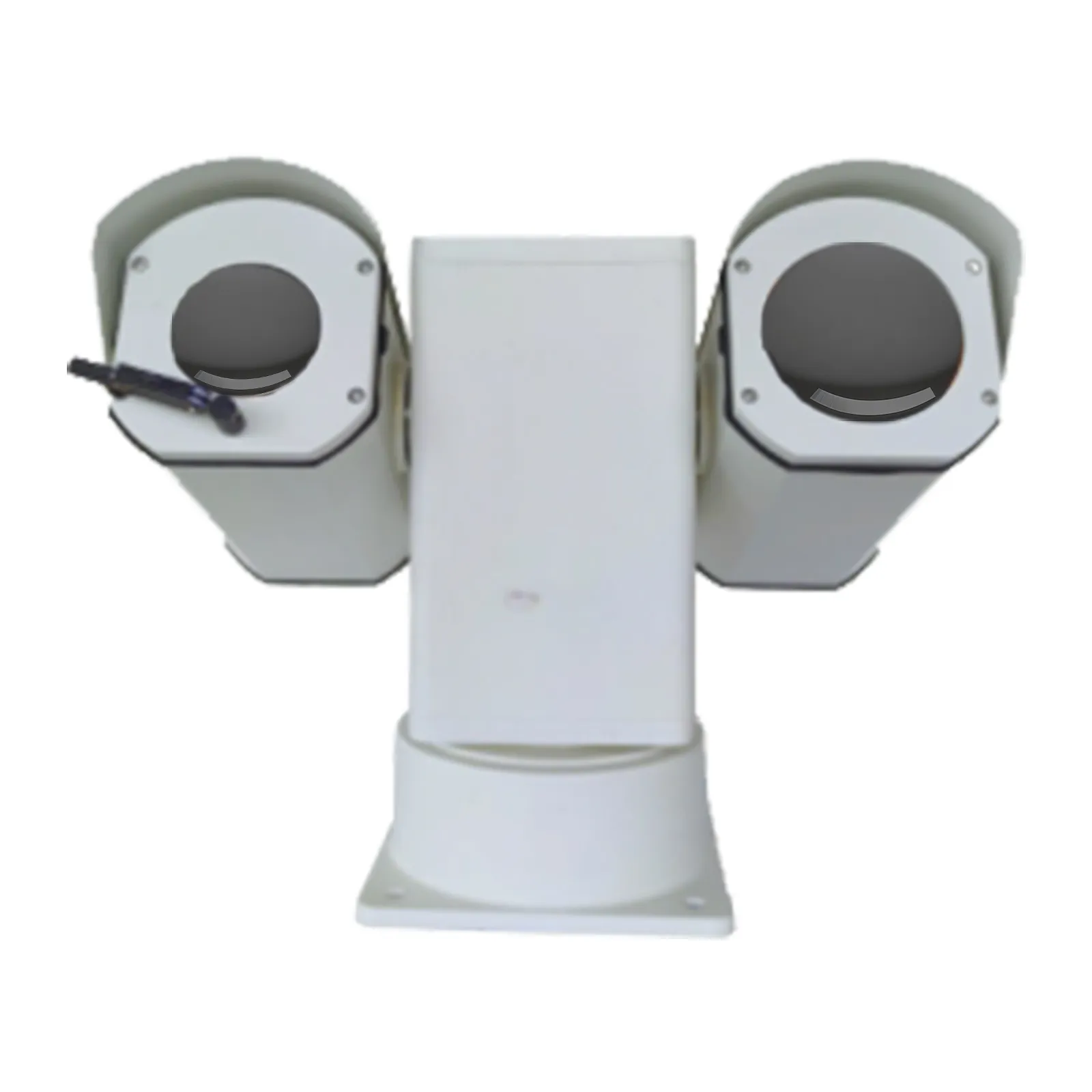
I’ve tested more payloads than I care to admit, but the moment I saw the Photoelectric Detector in Longgang District, Shenzhen, it clicked: this isn’t just another camera block. It’s a multispectral target recognition and tracking system that fuses data from multiple bands, in real time, without the usual drama. To be honest, that’s rarer than it should be.
What’s Driving the Industry
Three trends keep popping up: (1) multispectral fusion for day/night reliability, (2) edge AI that runs onboard—no cloud dependency, and (3) SWaP-C pressure (size, weight, power, cost) to fly longer. In fact, many customers say they’ll accept fewer pixels if detection confidence is better at dusk or in smoky scenes. The Photoelectric Detector leans into all three.
Technical Snapshot
| Parameter | Typical Value | Notes (real use may vary) |
|---|---|---|
| Spectral bands | VIS (CMOS), NIR/SwIR (InGaAs), LWIR (µ-bolometer) | Fusion across daylight, low-light, thermal |
| Tracking latency | ≈120 ms | Measured in lab; UAV motion adds jitter |
| Detection range | Up to 3–5 km (vehicle-size, clear LOS) | Atmosphere and target emissivity matter |
| Stabilization | 3-axis gimbal, ≈80 µrad jitter | Wind conditions influence results |
| Service life | 5–7 years continuous duty | MTBF ≈20,000–30,000 h (internal data) |
| Certifications | CE, RoHS; built under ISO 9001 | Environmental tests to MIL‑STD‑810H |
Materials, Methods, and Testing
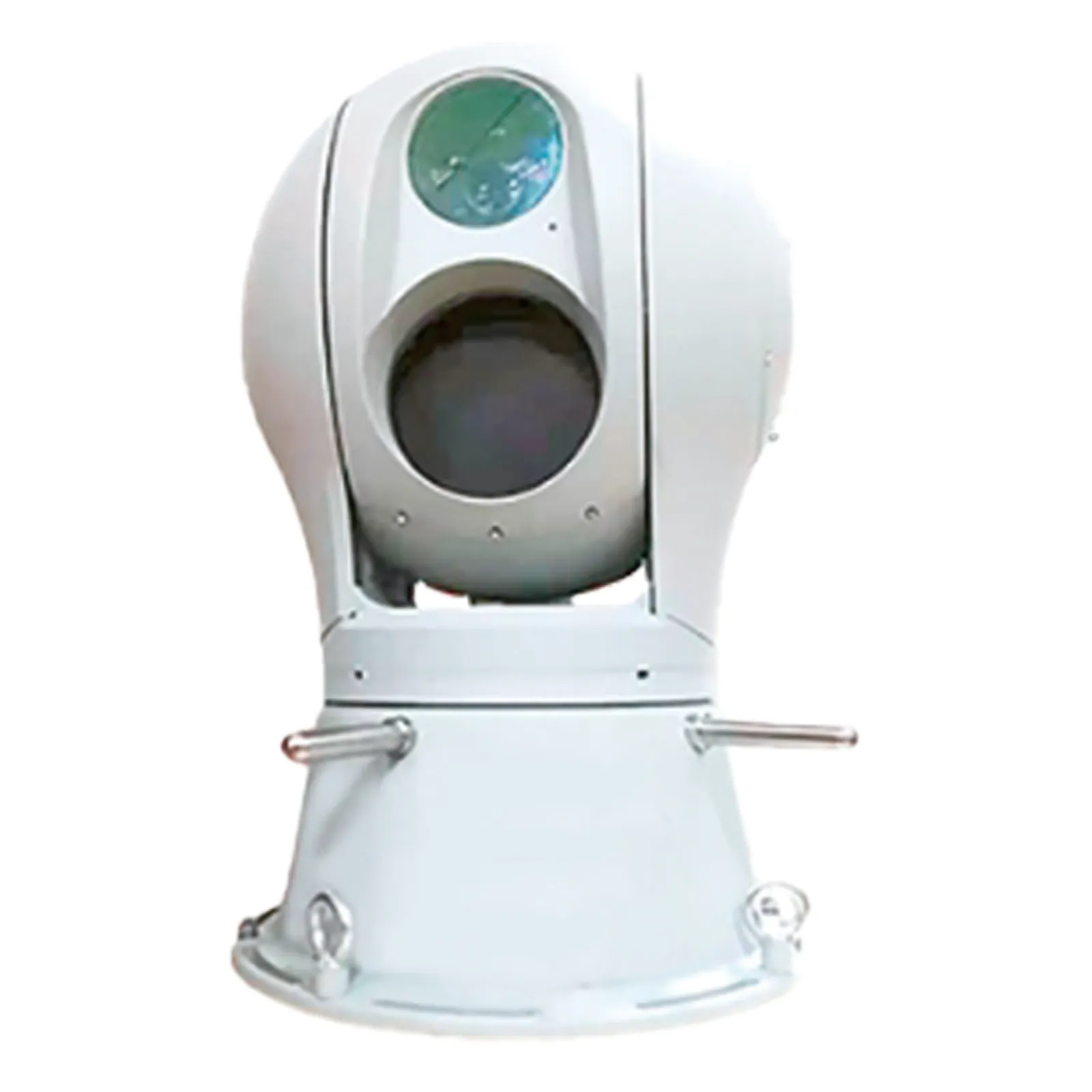
Optics use fused silica (VIS), coated germanium (LWIR), and InGaAs for SwIR. The housing is CNC-milled 6061‑T6 with hard anodizing; boards get conformal coating. Factory alignment includes boresight calibration across bands and non-uniformity correction (NUC). Environmental validation follows MIL‑STD‑810H (vibe, −20 to +55 °C, humidity), IP54 ingress, and EMI/EMC per CE. I saw thermal drift kept under 0.2° after a 30‑minute warm-up—surprisingly tight for this class.
Where It’s Used
- UAV perimeter security and convoy overwatch
- Maritime search-and-rescue in haze and low sun
- Energy: pipeline leak spotting, substation patrol
- Forestry/wildlife monitoring at dawn/dusk
- Mining: hot-spot detection and dust-prone scenes
Advantages (from actual operators)
Operators liked the fusion view—less toggling, more confidence. The onboard AI reduced false alarms around tree lines. It seems that power draw is moderate for a tri-sensor payload, which helps flight time. A Shenzhen integrator told me their Photoelectric Detector cut handoff time between teams by “around 30%” thanks to persistent track IDs.
Vendor Landscape (quick compare)
| Vendor | Bands | Weight | Edge AI | Certs | Lead Time |
|---|---|---|---|---|---|
| Drone‑System (Shenzhen) | VIS + SwIR + LWIR | ≈850–1100 g | Yes (onboard) | CE, RoHS, ISO 9001 | 3–6 weeks |
| Global Vendor A | VIS + LWIR | ≈1.2 kg | Optional module | CE, FCC | 6–10 weeks |
| Budget Vendor B | VIS only | ≈600 g | No | Basic QC | 2–4 weeks |
Customization Options
From Longgang District, Shenzhen, the team offers lens swaps (19/25/35 mm LWIR), custom fusion weights, SDK hooks (C++/Python), gimbal mounts for common UAVs, and encrypted telemetry. Export compliance support is available—handy in regulated regions.
Field Notes and Case Briefs
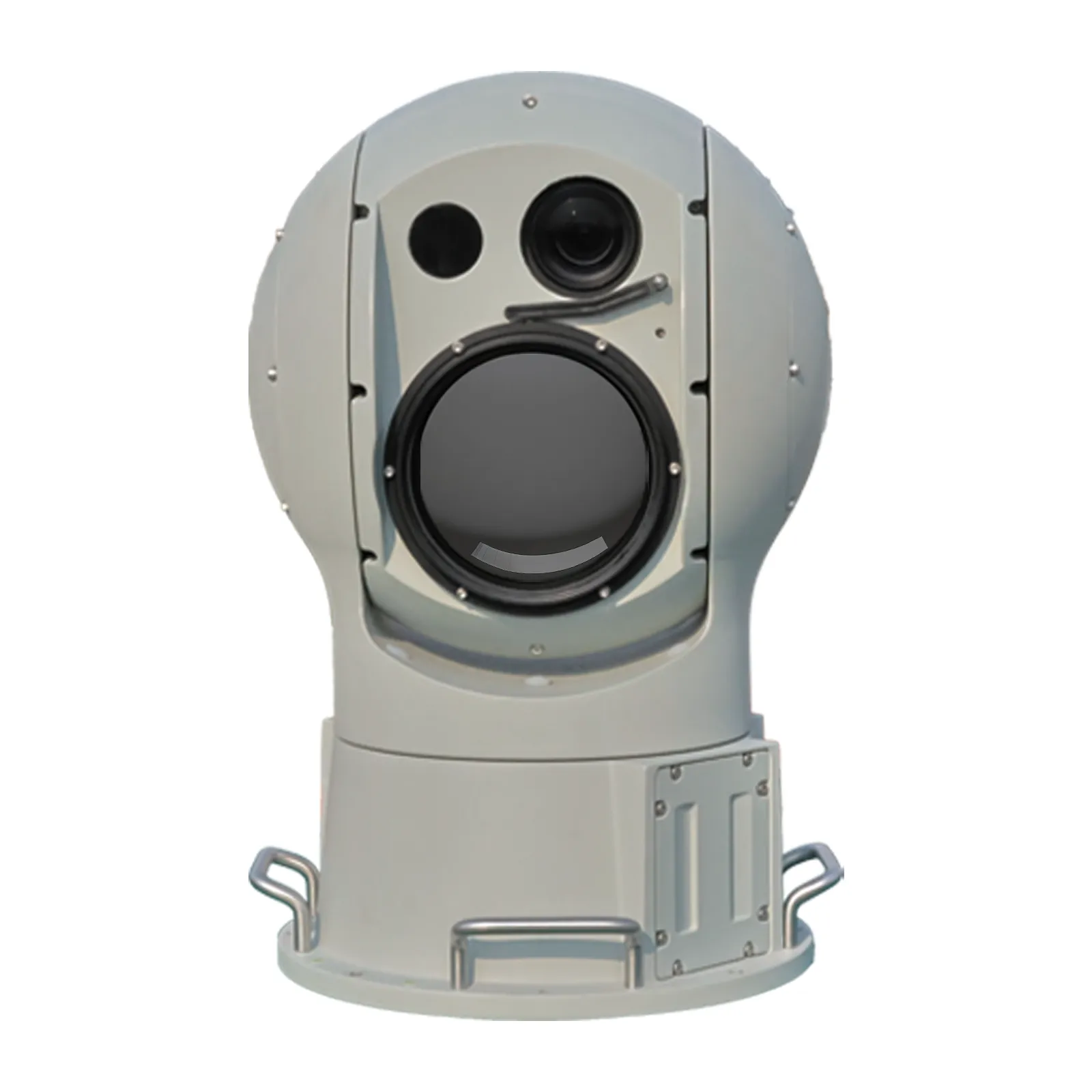
Port Authority (coastal): the Photoelectric Detector maintained target locks through sea haze; average reacquire time after occlusion was ≈0.4 s. Mining client in Inner Mongolia: early-morning thermal plumes were flagged with fewer false positives versus VIS-only gear, improving patrol efficiency by ~22% (three-week pilot).
Test Data (condensed)
Internal bench: NEΔT on LWIR ≈50–60 mK; boresight shift across bands
Final Take
If you need fused detection that holds up in messy light and wind, the Photoelectric Detector is, frankly, one of the few that feels production-ready rather than academic.
Authoritative references
- IEC 62676 Video surveillance systems – System and components standards: https://webstore.iec.ch
- ISO 9001:2015 Quality management systems – Requirements: https://www.iso.org/standard/62085.html
- MIL‑STD‑810H Environmental Engineering Considerations and Laboratory Tests: https://www.dtic.mil
- IEC 60529 Degrees of protection (IP Code): https://webstore.iec.ch/publication/2452

-
 09 March 2021 16 Apr 2026
 -
 09 March 2021 09 Apr 2026
 -
 09 March 2021 07 Apr 2026
 -
 09 March 2021 04 Apr 2026
 -
 09 March 2021 31 Mar 2026
-
 09 March 2021 21 May 2025
 -
 09 March 2021 25 Dec 2024
 -
 09 March 2021 14 Oct 2022
-
 09 March 2021 25 Dec 2024
 English
  Arabic
  Belarusian
  Danish
  Dutch
Dutch  French
  German
  Greek
Greek  Japanese
  Korean
  Myanmar
  Polish
  Portuguese
  Russian
  Spanish
  Swedish
  Thai
Thai  Ukrainian
  Vietnamese