

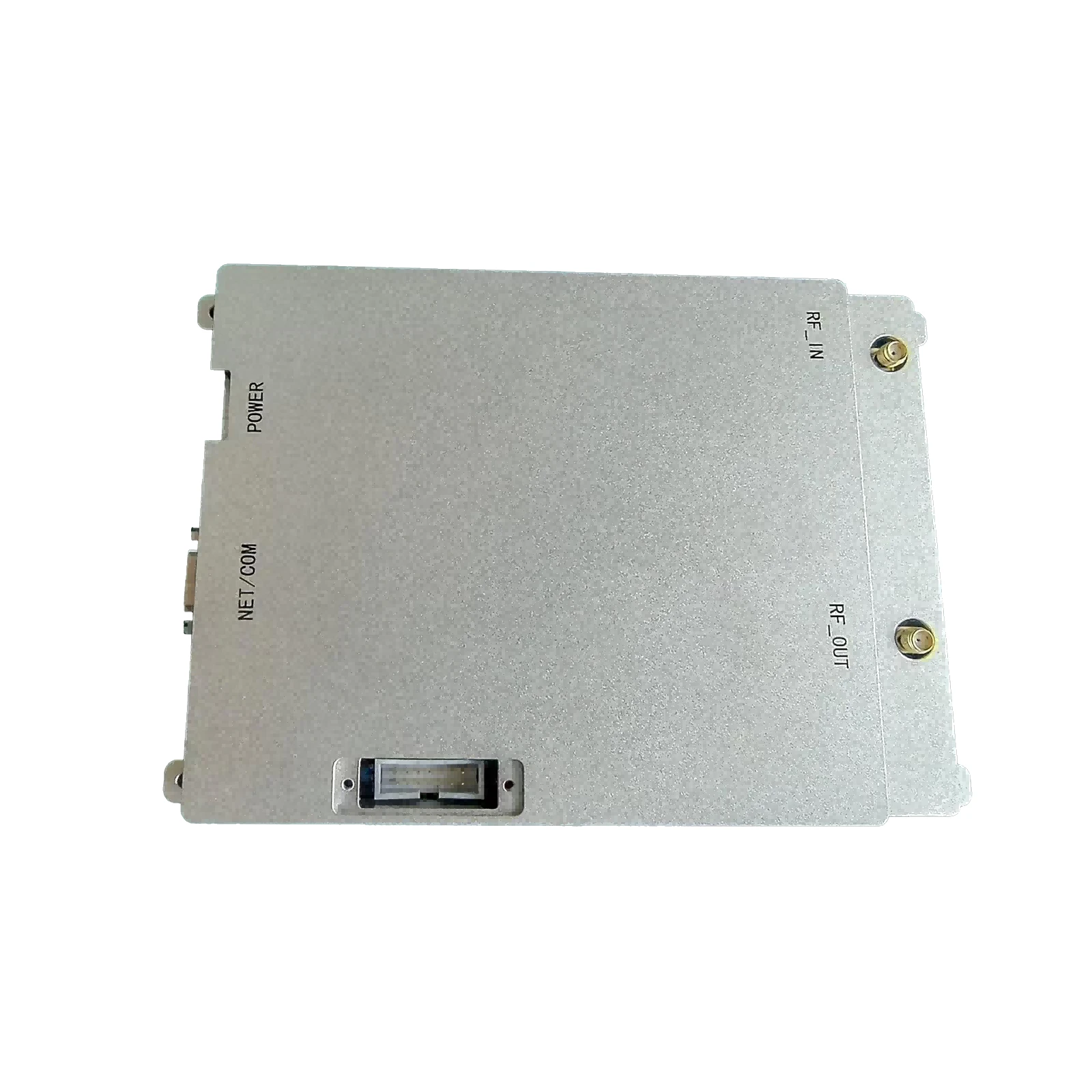
Photoelectric Detector - High-Precision, Fast Response, IP67
Meet the Photoelectric Detector built for real-time multispectral tracking
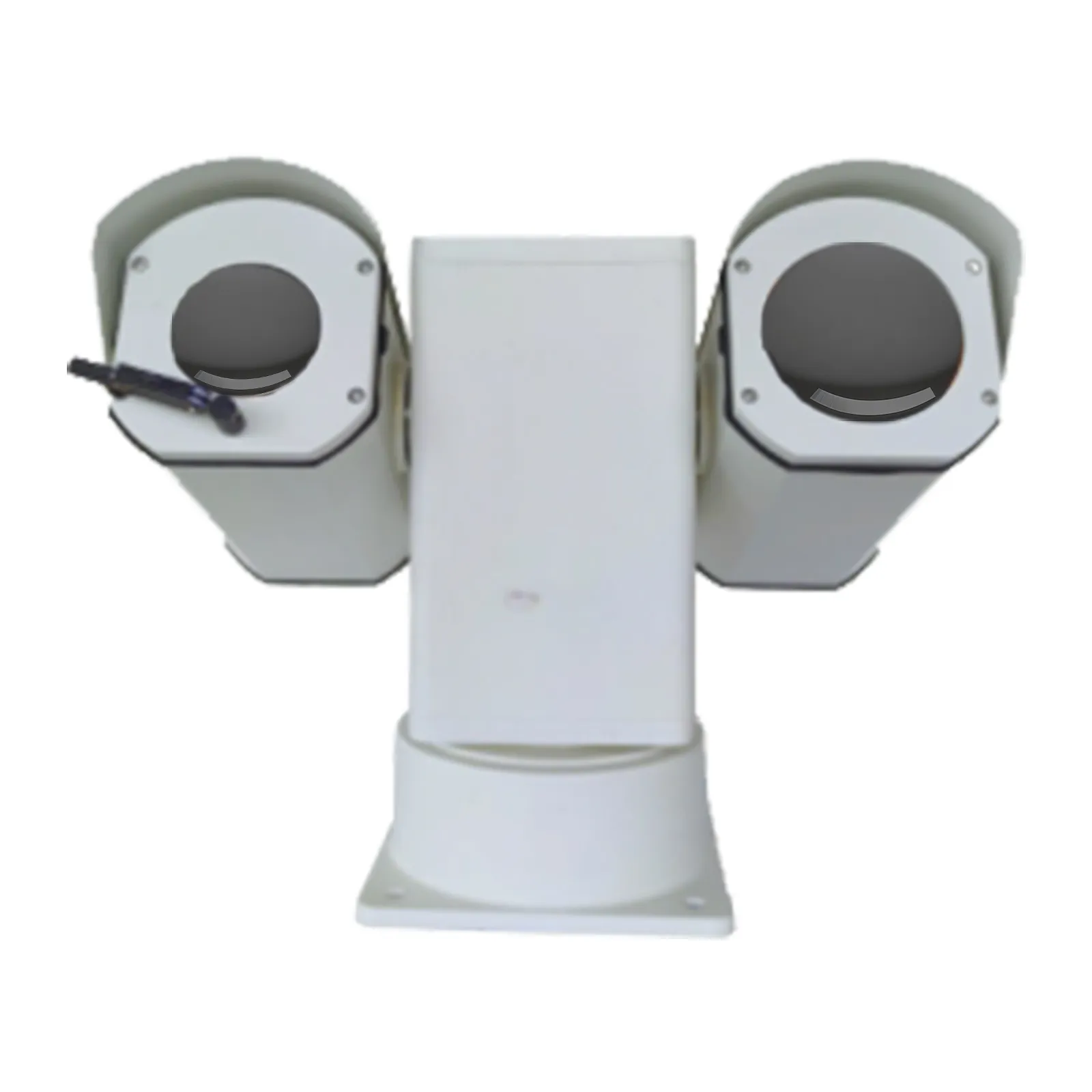
I’ve been around enough field trials to know: detection is easy; keeping a lock is hard. This system tackles that head‑on. It fuses visible, NIR/SWIR, and thermal data on the edge, then runs target recognition in real time. To be honest, the first time I saw it hold track through fog and urban clutter, I did a double take.
Why it matters right now
Industry momentum is shifting toward AI-at-the-edge, low-SWaP gimbals, and sensor fusion that refuses to blink when the weather or lighting changes. The Photoelectric Detector leans into that trend with on-board inference, low latency, and—importantly—practical integration options. Many customers say the big win isn’t just detection range, it’s fewer false alarms and smoother track continuity.
Technical snapshot
| Spec | Value (≈, real-world may vary) |
|---|---|
| Spectral bands | VIS 400–700 nm; NIR 700–900 nm; optional SWIR 900–1700 nm; LWIR 8–14 μm |
| Optics | Athermal germanium (LWIR) + coated glass (VIS/NIR), continuous zoom |
| Resolution / Frame rate | Up to 4K VIS, 640×512 LWIR @ 30–60 fps |
| Tracking latency | ≈60–90 ms end-to-end |
| Gimbal stabilization | |
| Detection range (vehicle) | ≈3–5 km daytime VIS; ≈2–3 km LWIR at night (atmosphere dependent) |
| Interfaces | GigE, HDMI, UART, SDK/API (C++/Python) |
| Ingress / Environment | IP66; tested to IEC 60068 and MIL‑STD‑810H profiles |
| Service life | MTTF ≈20,000 h |
Where it’s used
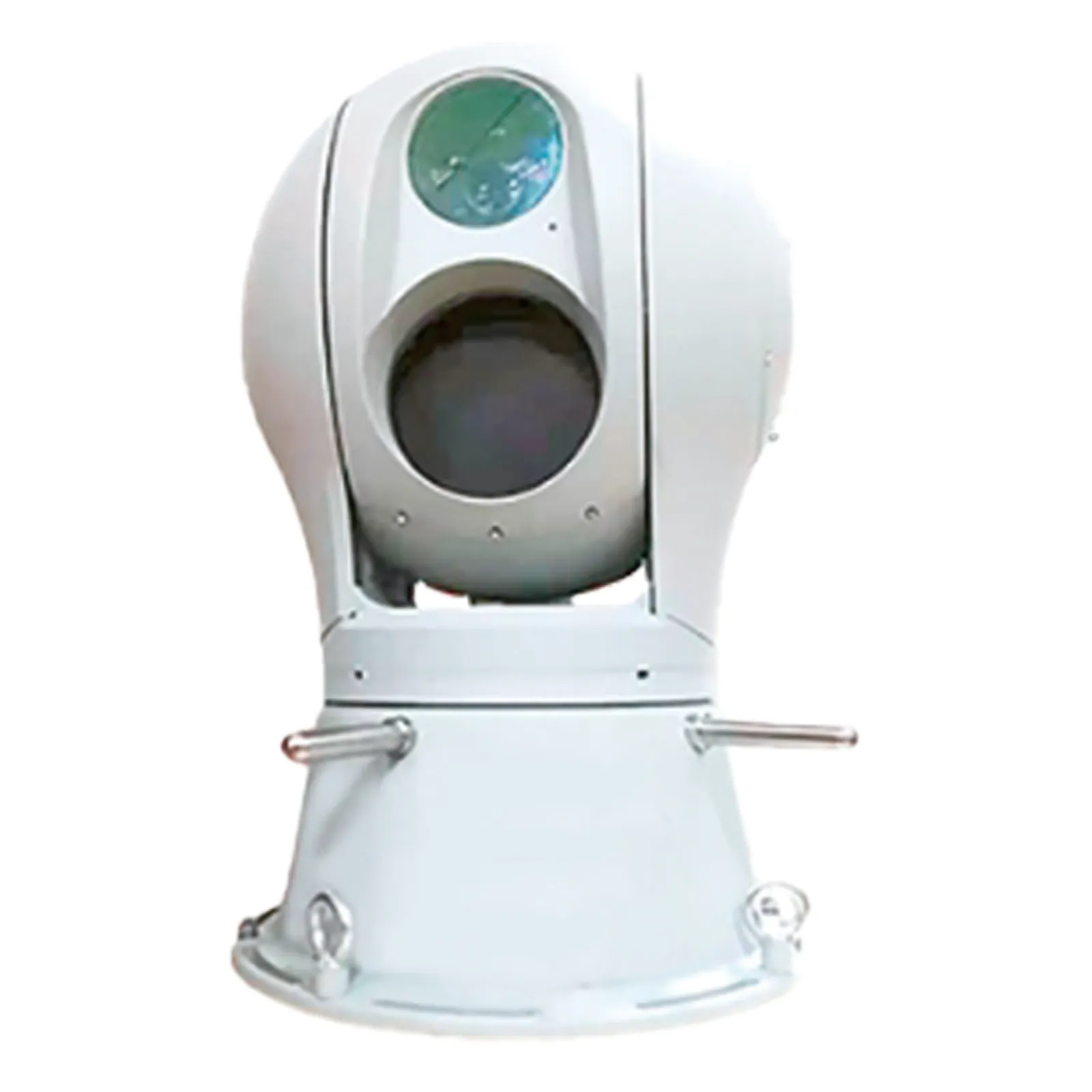
- UAV perimeter security and convoy overwatch
- Search & rescue in smoke, haze, or low-light
- Powerline and substation hot-spot scanning
- Wildfire early detection and fireline tracking
- Coastal and riverine small-craft monitoring
Process flow and quality
Origin: Longgang District, Shenzhen. Materials: aerospace‑grade magnesium alloy housing, athermalized germanium for LWIR, InGaAs (when SWIR is configured). Methods: CNC machining, anodizing, nitrogen-purged optical paths, precise boresight alignment. Testing: IEC 60068 temperature/vibration, MIL-STD‑810H vibe/shock, and IP tests per IEC 60529. Typical MTF on VIS path: ≈0.35 at 50 lp/mm; boresight drift
Vendor landscape (quick take)
| Vendor | Bands | On-board AI | Weight | Certs | Notes |
|---|---|---|---|---|---|
| Photoelectric Detector | VIS+LWIR (+SWIR opt.) | Yes (edge) | ≈1.1–1.6 kg (config.) | CE/FCC/RoHS | Fusion + low latency |
| Global Brand A | VIS+LWIR | Partial | ≈1.8 kg | Broad | Strong ecosystem |
| Value Import B | VIS only | No | ≈0.9 kg | Limited | Budget, less robust |
Customization and integration
Options include SWIR channel enablement, custom LWIR FOV, encrypted RTSP, on-board model updates, and airframe mounts. The SDK is sane—JSON control, gimbal API, and a Python wrapper. Actually refreshing.
Real-world notes
Utility pilot test: the Photoelectric Detector flagged insulator hotspots ≥25 °C over ambient at ≈120 m AGL, cutting manual re-inspections by about one-third over two weeks (weather was iffy, so that’s saying something). Maritime trial: held track on a 5 m RIB at ≈2.3 km with moderate chop; operators liked the auto handoff between VIS and LWIR. Feedback was candid—“not perfect, but fewer rabbit holes.” Fair.
Bottom line
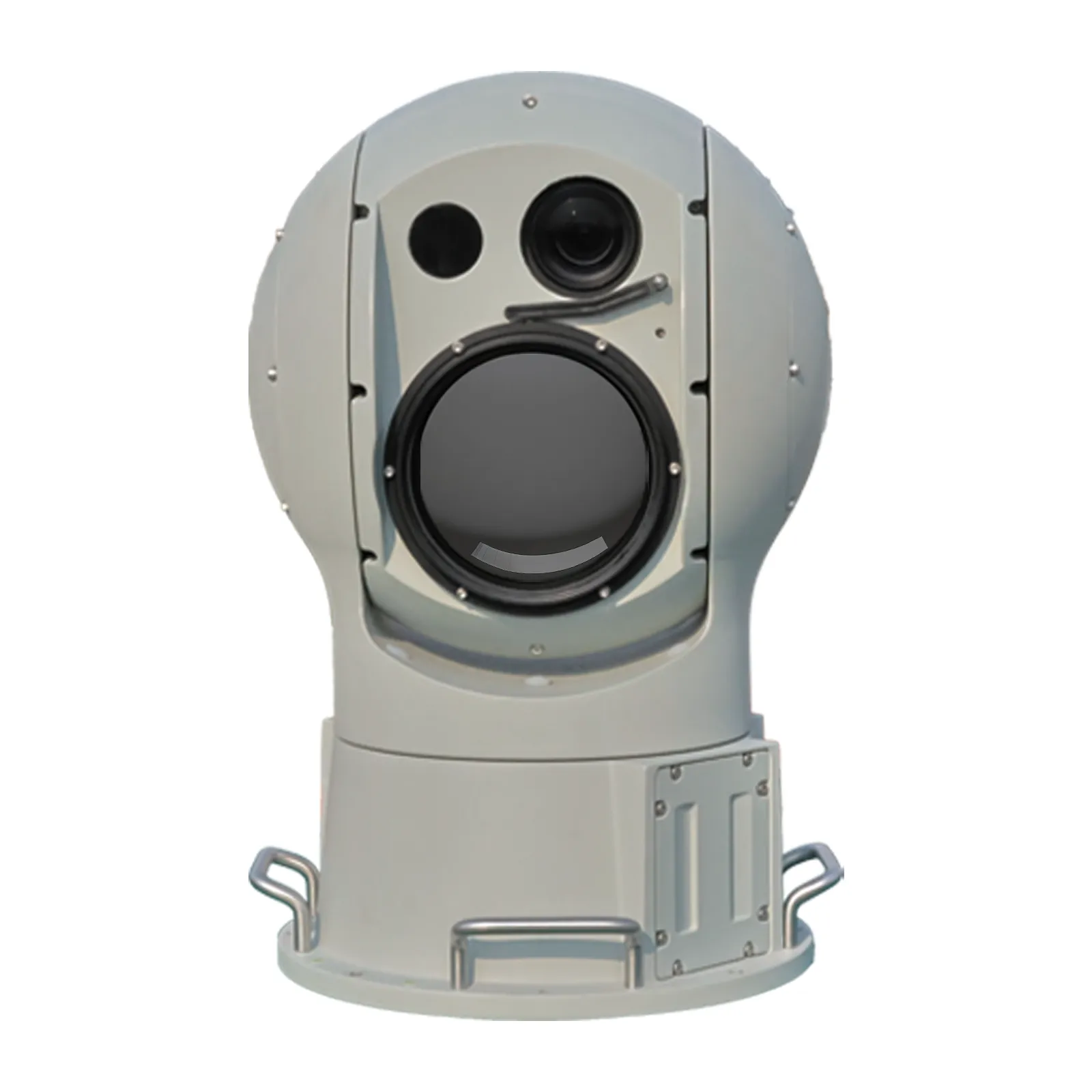
If you need persistent, multispectral tracking without hauling a van full of servers, the Photoelectric Detector hits a sweet spot: fusion that behaves, latency that feels snappy, and build quality that holds up in grit and salt air.
Standards & citations
- IEC 60068 Environmental testing methods and severities. https://webstore.iec.ch
- MIL‑STD‑810H Environmental Engineering Considerations and Laboratory Tests. https://quicksearch.dla.mil
- IEC 60529 Degrees of protection (IP Code). https://webstore.iec.ch
- ISO 12233:2017 Photography — Resolution and spatial frequency responses. https://www.iso.org

-
 09 March 2021 16 Apr 2026
 -
 09 March 2021 09 Apr 2026
 -
 09 March 2021 07 Apr 2026
 -
 09 March 2021 04 Apr 2026
 -
 09 March 2021 31 Mar 2026
-
 09 March 2021 21 May 2025
 -
 09 March 2021 25 Dec 2024
 -
 09 March 2021 14 Oct 2022
-
 09 March 2021 25 Dec 2024
 English
  Arabic
  Belarusian
  Danish
  Dutch
Dutch  French
  German
  Greek
Greek  Japanese
  Korean
  Myanmar
  Polish
  Portuguese
  Russian
  Spanish
  Swedish
  Thai
Thai  Ukrainian
  Vietnamese