

Photoelectric Detector | High Sensitivity, Fast Response
Multispectral Tracking Gets Practical: A Field View on the Photoelectric Detector
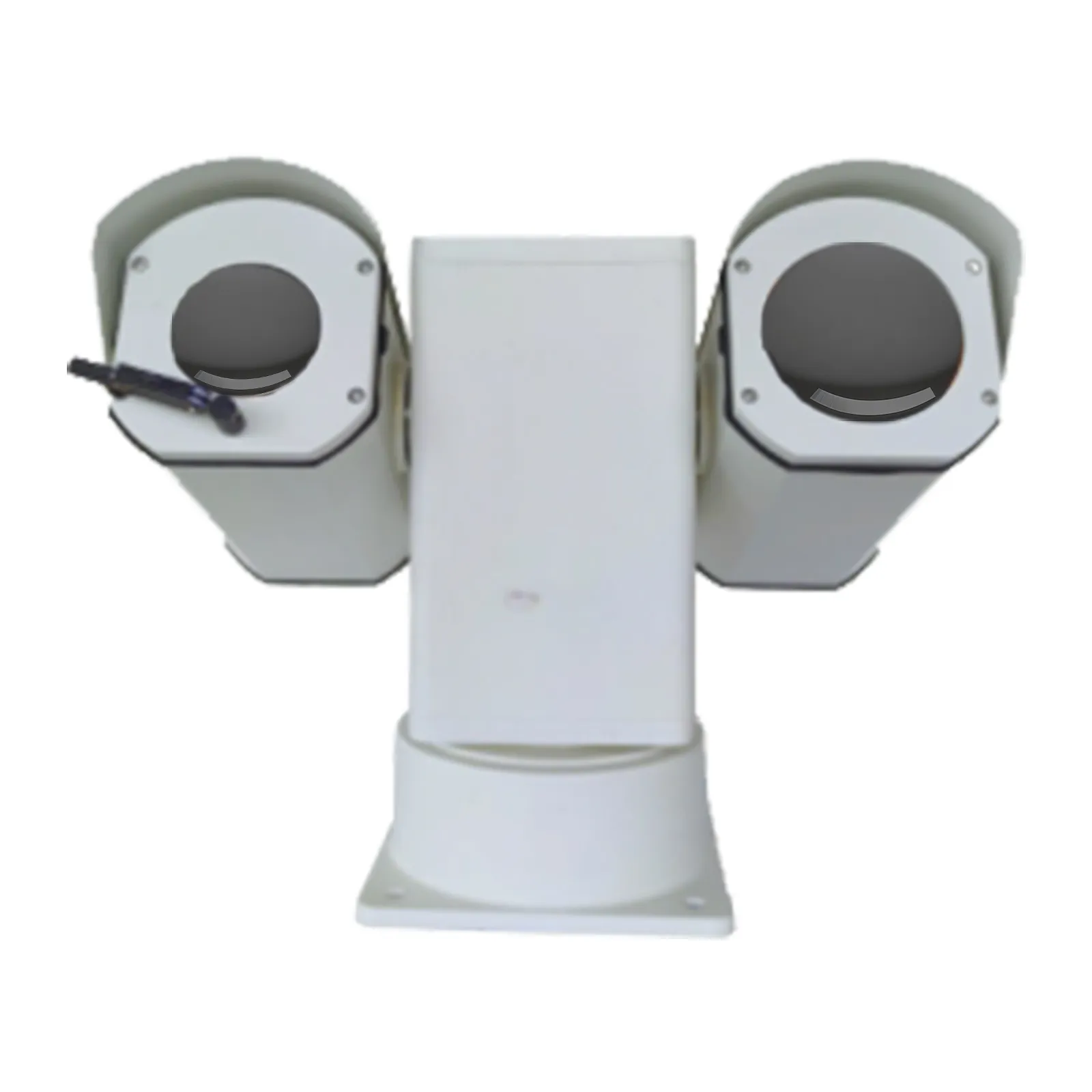
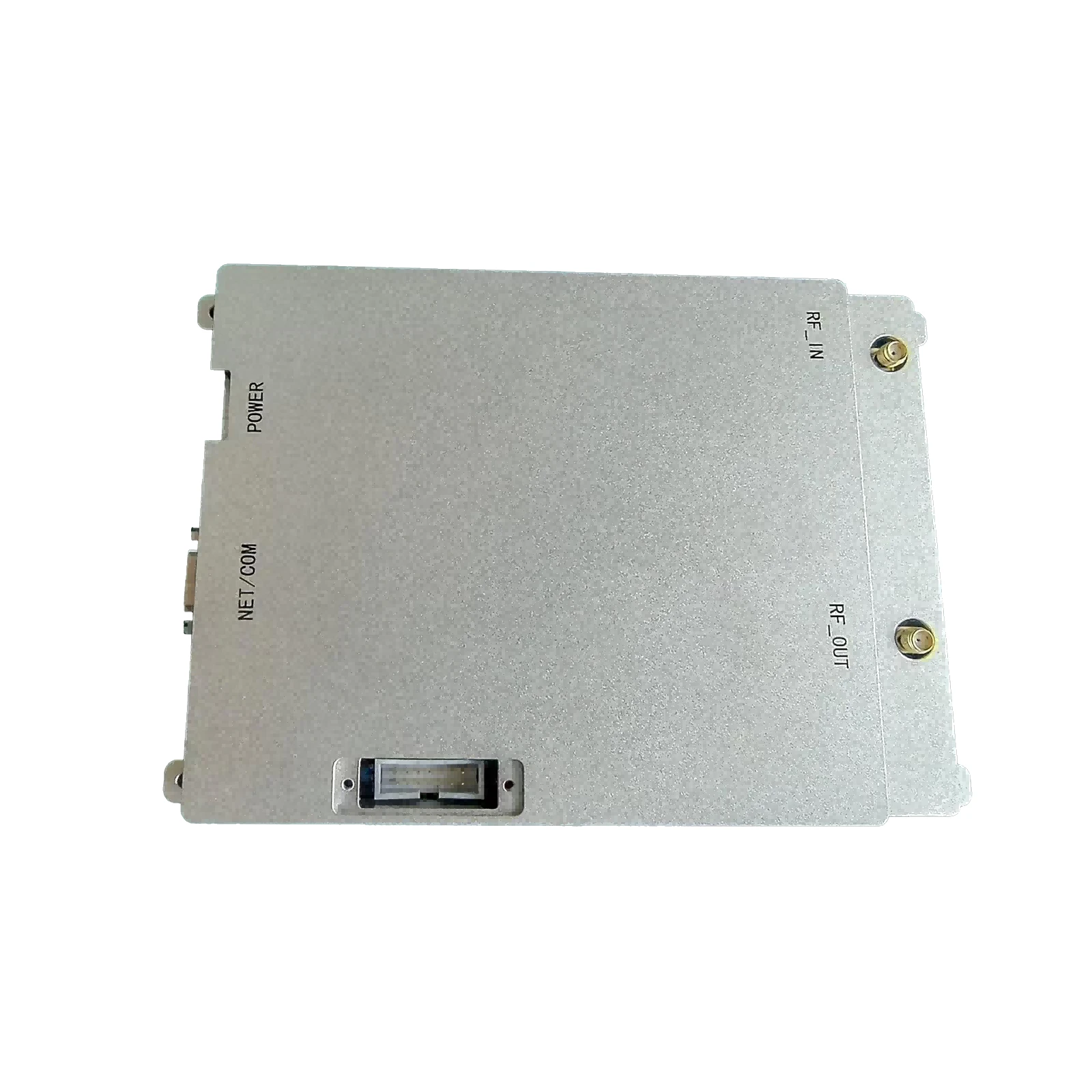
If you’ve spent time around UAV payloads or perimeter security kits, you’ll know the buzz. Multispectral is no longer a lab demo—it’s the new normal. Built in Longgang District, Shenzhen, this system fuses visible, NIR/SWIR and thermal bands, then locks onto targets in real time. To be honest, that’s the part operators care about: do I see it, do I track it, and does it stay locked when the scene gets messy?
What’s trending (and why it matters)
Three shifts are happening: (1) sensor fusion at the edge—FPGA/SoC does the heavy lifting; (2) hot-swappable optics with smarter calibration; (3) open SDKs so integrators aren’t stuck. Many customers say they want “one payload for day, haze, and night.” The Photoelectric Detector is very much built for that job, not just a spec sheet trophy.
Product specs (typical configuration, real-world use may vary)
| Spectral Bands | VIS, NIR, SWIR (≈0.9–1.7 µm InGaAs), MWIR/LWIR (VOx or HOT MWIR) |
| Resolution | 4K VIS, 640×512 SWIR, 640×512 LWIR (12 µm) |
| Tracking Latency | ≈60–90 ms edge-to-edge |
| Stabilization | 2-axis gimbal, ≈0.02° RMS |
| FOV Options | Narrow 6–12°, Medium 18°, Wide 45° (interchangeable) |
| SNR / NEDT | SWIR SNR > 45 dB; LWIR NEDT ≈ 40–50 mK |
| Interfaces | GigE, HDMI, UART, MAVLink; SDK (C++/Python) |
| Ingress / Temp | IP66; −20 to +55 °C ops (extended on request) |
| Power / Weight | 12–24 VDC, 18–28 W; ≈950 g payload |
How it’s built (materials, methods, life)
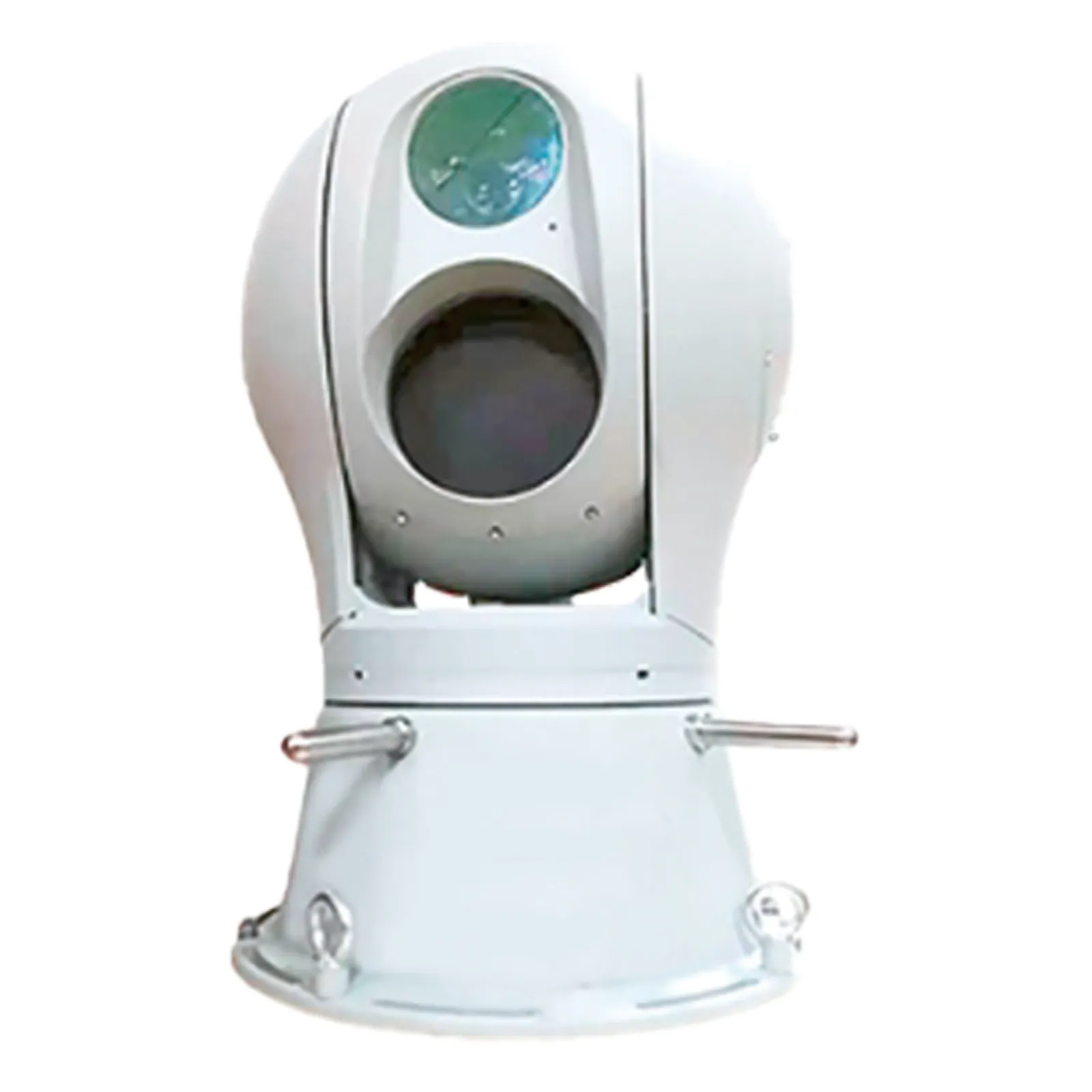
Optics use germanium/chalcogenide with hard DLC coatings; sensors mix InGaAs (SWIR) and VOx microbolometer (LWIR). Assembly flows like this: sensor selection → optical alignment (auto-collimator) → boresight calibration → fusion model training (Kalman + CNN-based classifier) → NUC and MTF checks → environmental sealing. Service life? For the uncooled configuration, MTBF ≈ 20,000–30,000 h; system life 7–10 years with annual recalibration.
Testing and certifications
- Environmental: IEC 60068-2 vibration/thermal; MIL-STD-810H method refs.
- EMI/EMC: CE/FCC; materials RoHS compliant.
- Optical: MTF @ 50% contrast, boresight drift
- Latency: lab median 72 ms (n=30 runs, 1080p pipeline).
Applications, advantages, and real feedback
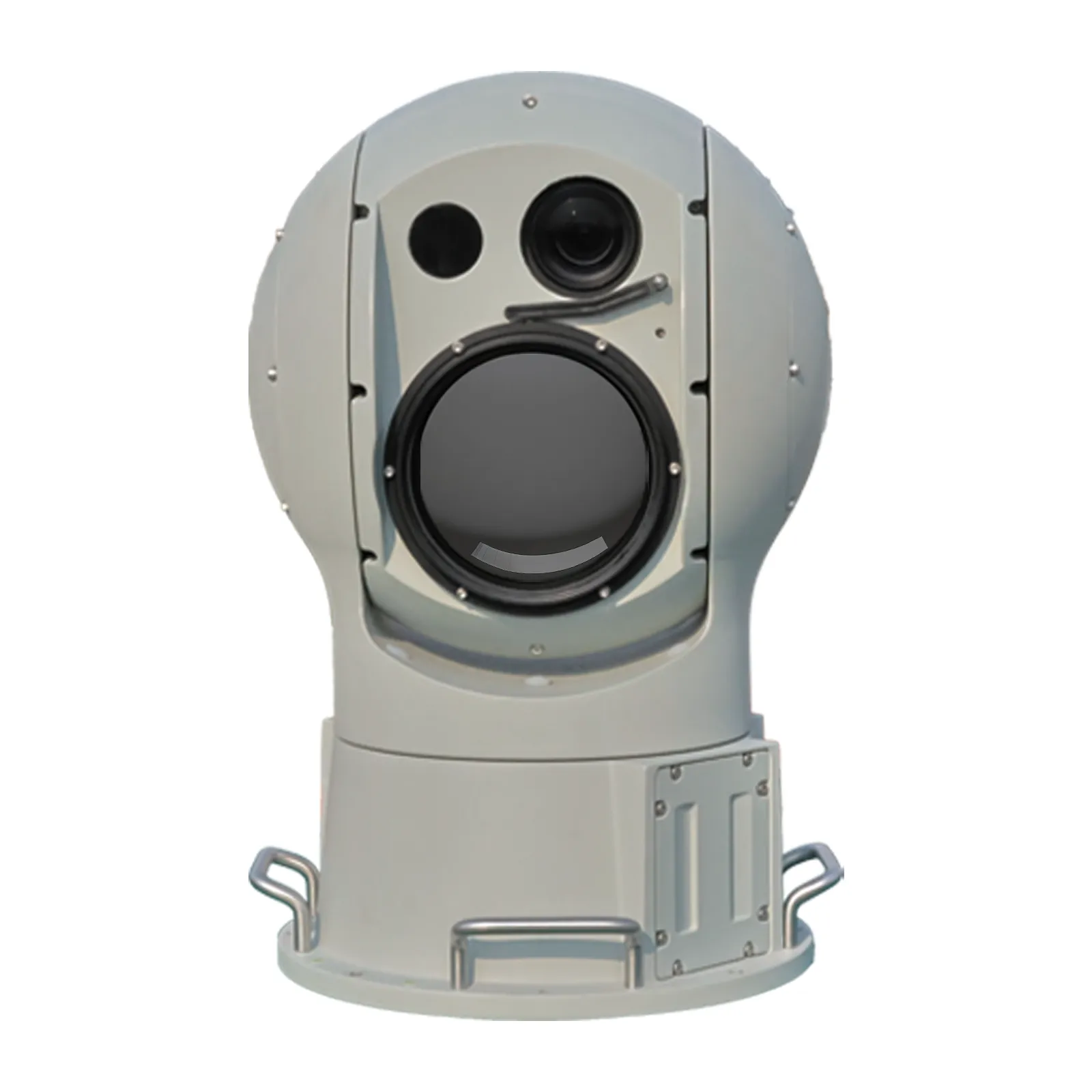
Photoelectric Detector deployments span UAV ISR, wildfire overwatch, maritime search, critical infrastructure, and traffic analytics. Advantages: persistent tracking through haze/smoke, lower false alarms thanks to cross-band confirmation, and, surprisingly, easier operator training because fused visuals “just make sense,” as one utilities customer told me.
Vendor snapshot (indicative, around-market)
| Vendor | Strength | Bands | SDK | Price | Lead Time |
|---|---|---|---|---|---|
| Drone-System (Shenzhen) | Balanced fusion + value | VIS/SWIR/LWIR | Open, C++/Py | $$ | 4–6 weeks |
| FLIR-type payloads | Thermal pedigree | VIS/LWIR | Mature | $$$ | 6–10 weeks |
| Industrial vision brand | High-res VIS | VIS/SWIR | Good | $$–$$$ | 3–8 weeks |
Customization menu
Lens kits (6°, 12°, 25°), encrypted recording (AES-256), ONVIF/MAVLink profiles, conformal coating for salt-fog duty, and a ruggedized gimbal. Origin matters to supply chain teams: built in Longgang District, Shenzhen, with ISO 9001 processes.
Two quick case notes
- Border patrol (Central Asia): vehicle tracking at ≈3.5 km in dusk haze; false alarms dropped ~28% after SWIR fusion, per operator logs.
- Offshore wind O&M: hot-spot detection on nacelles; LWIR alarms confirmed in VIS within 2 s; salt-fog test per IEC 60068 passed prior to deployment.
Bottom line
The Photoelectric Detector isn’t flashy for the sake of it. It’s the kind of multispectral rig that quietly makes crews faster and calmer—because targets stay on screen when weather and lighting don’t cooperate.
References
- IEC 60068 Environmental Testing Series.
- MIL-STD-810H Environmental Engineering Considerations.
- CE/FCC/EMC conformity guidelines for video equipment.
- ISO 9001:2015 Quality Management Systems.

-
 09 March 2021 16 Apr 2026
 -
 09 March 2021 09 Apr 2026
 -
 09 March 2021 07 Apr 2026
 -
 09 March 2021 04 Apr 2026
 -
 09 March 2021 31 Mar 2026
-
 09 March 2021 21 May 2025
 -
 09 March 2021 25 Dec 2024
 -
 09 March 2021 14 Oct 2022
-
 09 March 2021 25 Dec 2024
 English
  Arabic
  Belarusian
  Danish
  Dutch
Dutch  French
  German
  Greek
Greek  Japanese
  Korean
  Myanmar
  Polish
  Portuguese
  Russian
  Spanish
  Swedish
  Thai
Thai  Ukrainian
  Vietnamese