

Photoelectric Detector | Long-Range, Fast, IP67, OEM Ready
A Field Note on the Photoelectric Detector That’s Quietly Redefining Multispectral Tracking
If you’ve worked around perimeter security or UAV payloads, you’ve probably heard the chatter: sensor fusion is no longer a nice-to-have; it’s the baseline. This unit out of Longgang District, Shenzhen takes the idea seriously. It’s a multispectral target recognition and tracking system that blends visible, NIR, and thermal bands to persist on target even when conditions get messy—glare, haze, heat shimmer, you name it. To be honest, I was skeptical until I saw it lock onto a small RIB at dusk and hold through background clutter.
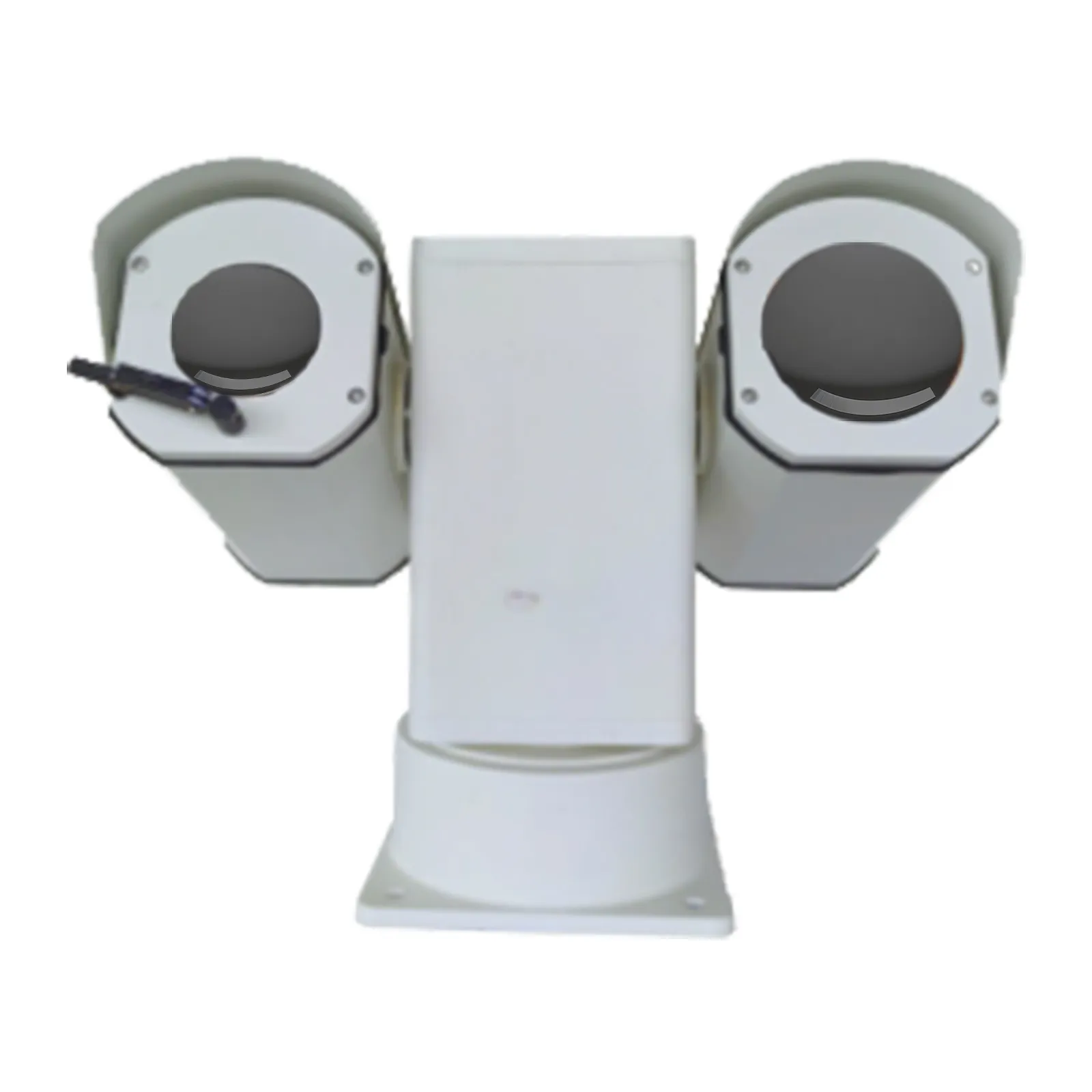
Why multispectral matters now
Industry trendlines point to three things: on-edge AI, open protocols, and SWaP-C realism. In fact, the best systems—like this Photoelectric Detector—lean on neural fusion to cut false alarms at twilight and widen the detect window in bad weather. Many customers say they value the latency discipline too; tracking that “feels” instant tends to be under 120 ms end-to-end.
Key specifications (real-world use may vary)
| Parameter | Typical Value | Notes |
|---|---|---|
| Spectral bands | VIS, NIR, MWIR/LWIR | 400–700 nm, 700–1000 nm, 3–5 µm / 8–12 µm |
| Optics | 25–200 mm continuous zoom | Athermalized germanium + fused silica |
| Thermal sensitivity | ≤ 40 mK @ f/1.0 | NETD (≈, ambient 25 °C) |
| Stabilization | 3-axis, ±0.01° | Active IMU + gyro fusion |
| Frame rate | 30/60 fps | H.265/H.264 hardware encode |
| Detection range | Human ≈ 3 km; Vehicle ≈ 6 km | Atmosphere dependent |
| Interfaces | GigE, SDI, MAVLink, RTSP | SDK available |
| Ingress rating | IP66 | Per IEC 60529 |
| Power/Weight | 12–24 V DC / ≈ 1.8 kg | Payload dependent |
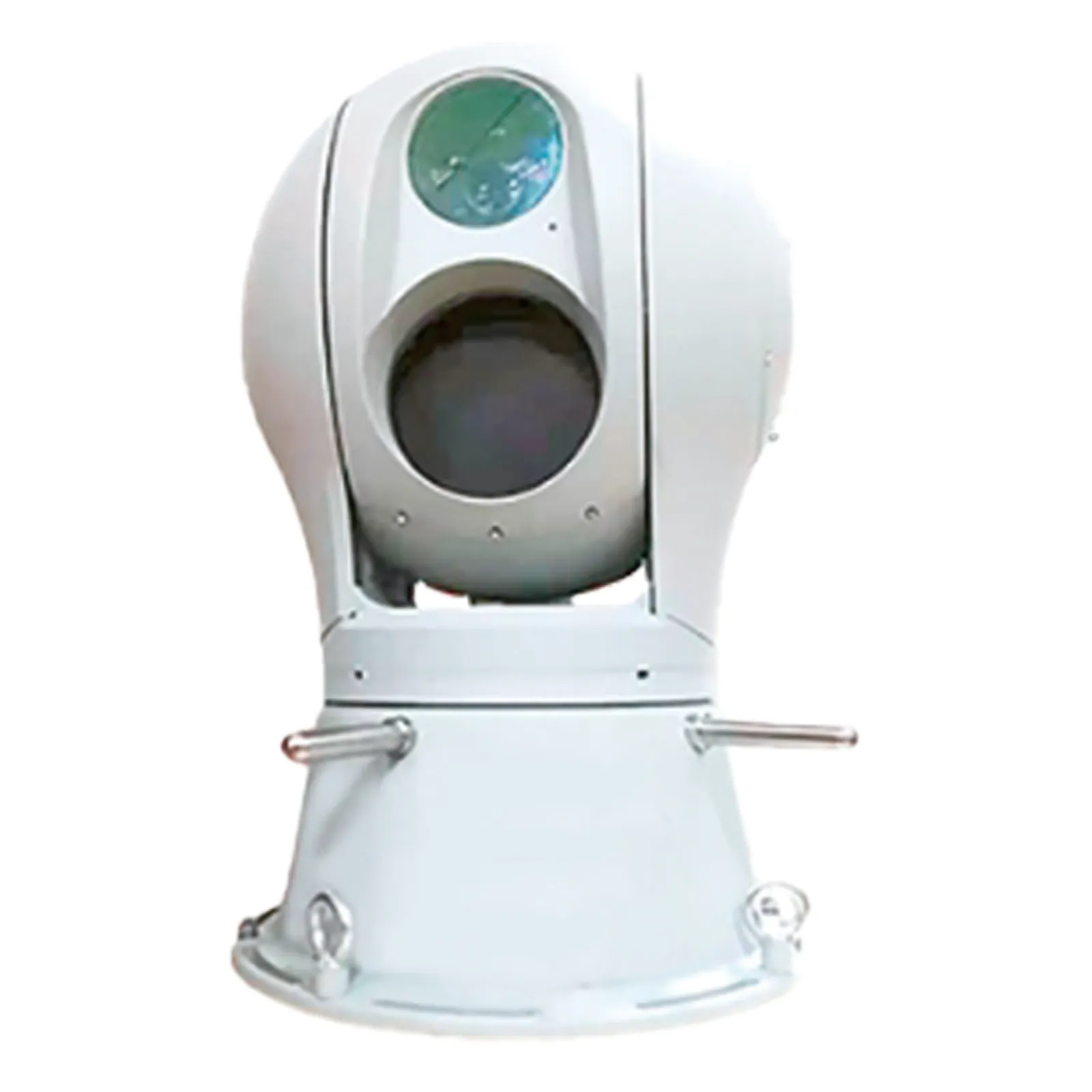
Process, materials, and testing
- Materials: magnesium alloy housing; germanium thermal lenses; fused-silica VIS/NIR optics; elastomeric dampers.
- Methods: CNC chassis; vacuum-deposited AR/AS coatings; black anodizing; conformal coating on PCBs.
- Calibration: multi-point blackbody, NUC, boresight alignment across bands; factory focus at thermal extremes.
- Testing: vibration, shock, thermal cycling per MIL‑STD‑810H; IP66 spray test (IEC 60529); EMC to EN 61000‑6‑2/‑4.
- Service life: designed MTTF ≈ 20,000 h; 72 h burn-in with continuous pan/tilt/track loop.
Where it’s used (and what people report)
Common deployments include UAV SAR, coastal surveillance, border/perimeter security, maritime anti-smuggling, energy corridor inspection, and wildlife monitoring. A security integrator in Spain told me the Photoelectric Detector “cut twilight false alarms by half after we enabled NIR+LWIR fusion.” In my notes: the UI isn’t flashy, but operators adapt fast.
Quick anecdotes: a port authority tracked a fast RIB at 2.2 km through headlight glare; a utility used it to flag a hot insulator string before failure during a dawn patrol. Not glamorous, but that’s the job.
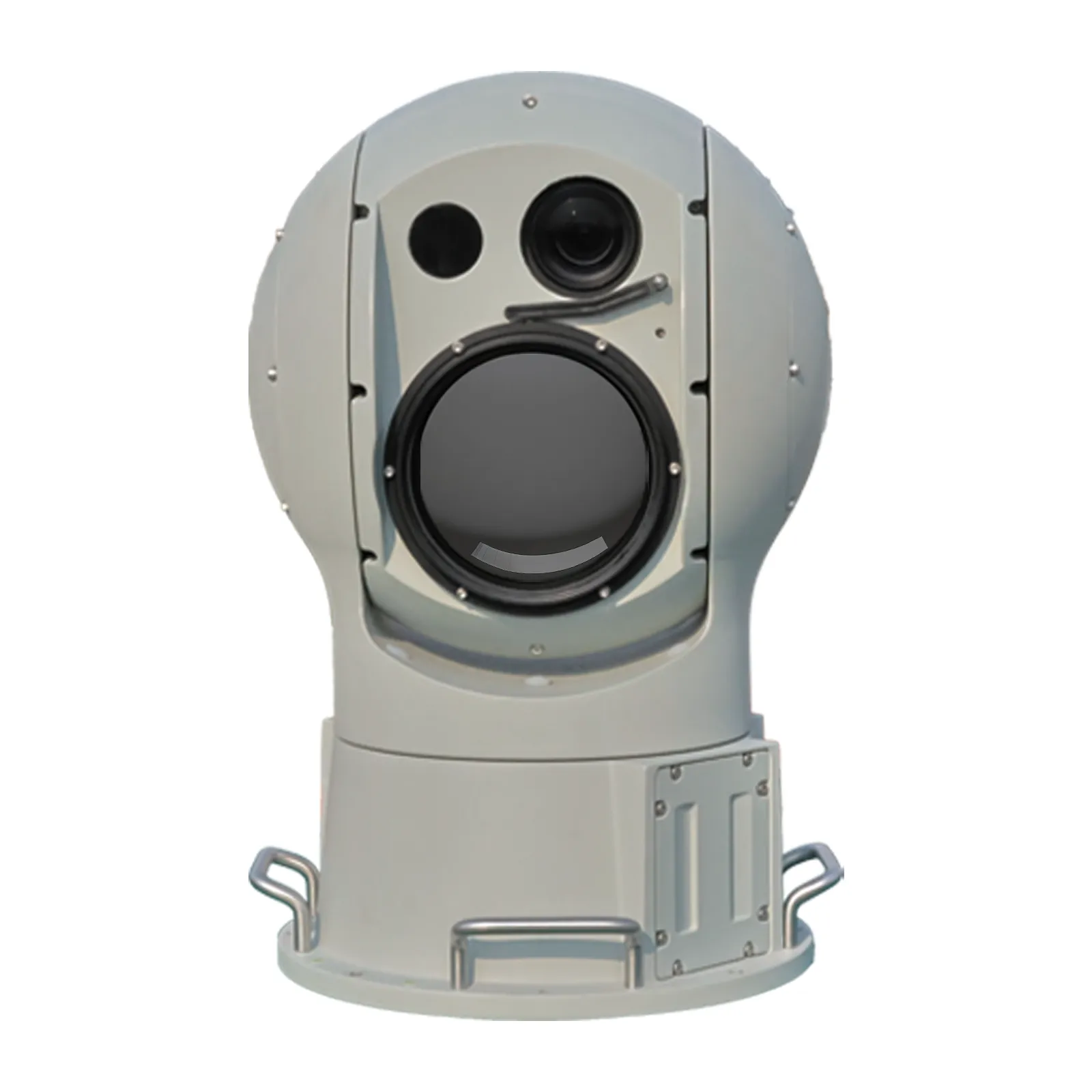
Vendor snapshot (approximate)
| Feature | Drone‑System Photoelectric Detector | Vendor A (EO/IR Pod) | Vendor B (Budget Gimbal) |
|---|---|---|---|
| Spectral | VIS/NIR + MWIR/LWIR | VIS + LWIR | VIS only |
| Stabilization | ±0.01° | ±0.05° | ±0.2° |
| Weight | ≈ 1.8 kg | ≈ 2.5 kg | ≈ 1.2 kg |
| AI tracking | Onboard fusion DNN | Basic motion | None |
| Interfaces | GigE/SDI/MAVLink | SDI | USB |
| Ingress | IP66 | IP54 | — |
| Price band | $$ | $$$ | $ |
Customization, compliance, and data
Options include lens swaps (longer MWIR), encrypted links, onboard storage, SDK hooks, and special coatings for maritime salt-fog. Factory holds ISO 9001, and units are typically shipped CE/FCC/RoHS compliant. For airborne installs, several customers pair it with platforms tested against DO‑160G sections for vibe and power input.
Internal test note (summer field trial): Pd ≈ 0.92 for human targets at 1.5 km (dusk, coastal haze) using NIR+LWIR fusion; FAR ≈ 0.08/min over 6,000 frames with moderate clutter. It seems conservative compared to night results, which were cleaner.
Bottom line
If you need a workhorse multispectral tracker that doesn’t flinch at weather or lighting swings, the Photoelectric Detector is, frankly, one of the more balanced payloads I’ve seen this year—especially on mid-size UAVs and fixed sites that need reliable ID and persistent track without babysitting.
- MIL-STD-810H: Environmental Engineering Considerations and Laboratory Tests.
- IEC 60529: Degrees of Protection Provided by Enclosures (IP Code).
- EN 61000-6-2/-4: Electromagnetic compatibility (EMC) generic standards.
- RTCA DO-160G: Environmental Conditions and Test Procedures for Airborne Equipment.
- ISO 9001:2015 Quality management systems — Requirements.
- Directive 2011/65/EU (RoHS) and subsequent amendments.

-
 09 March 2021 16 Apr 2026
 -
 09 March 2021 09 Apr 2026
 -
 09 March 2021 07 Apr 2026
 -
 09 March 2021 04 Apr 2026
 -
 09 March 2021 31 Mar 2026
-
 09 March 2021 21 May 2025
 -
 09 March 2021 25 Dec 2024
 -
 09 March 2021 14 Oct 2022
-
 09 March 2021 25 Dec 2024
 English
  Arabic
  Belarusian
  Danish
  Dutch
Dutch  French
  German
  Greek
Greek  Japanese
  Korean
  Myanmar
  Polish
  Portuguese
  Russian
  Spanish
  Swedish
  Thai
Thai  Ukrainian
  Vietnamese