

Power Amplifier RF Design: Industry Insights & Practical Tips
Power Amplifier RF Design: Insights From a Seasoned Industrial Engineer
Having spent quite a few years in the industrial equipment sector, I've come to truly appreciate the nuances that surround power amplifier RF design. Frankly, it's one of those areas where theory meets real-world grit – you know, the kind of design challenge that demands not just textbooks but hands-on experience and a good dose of patience.
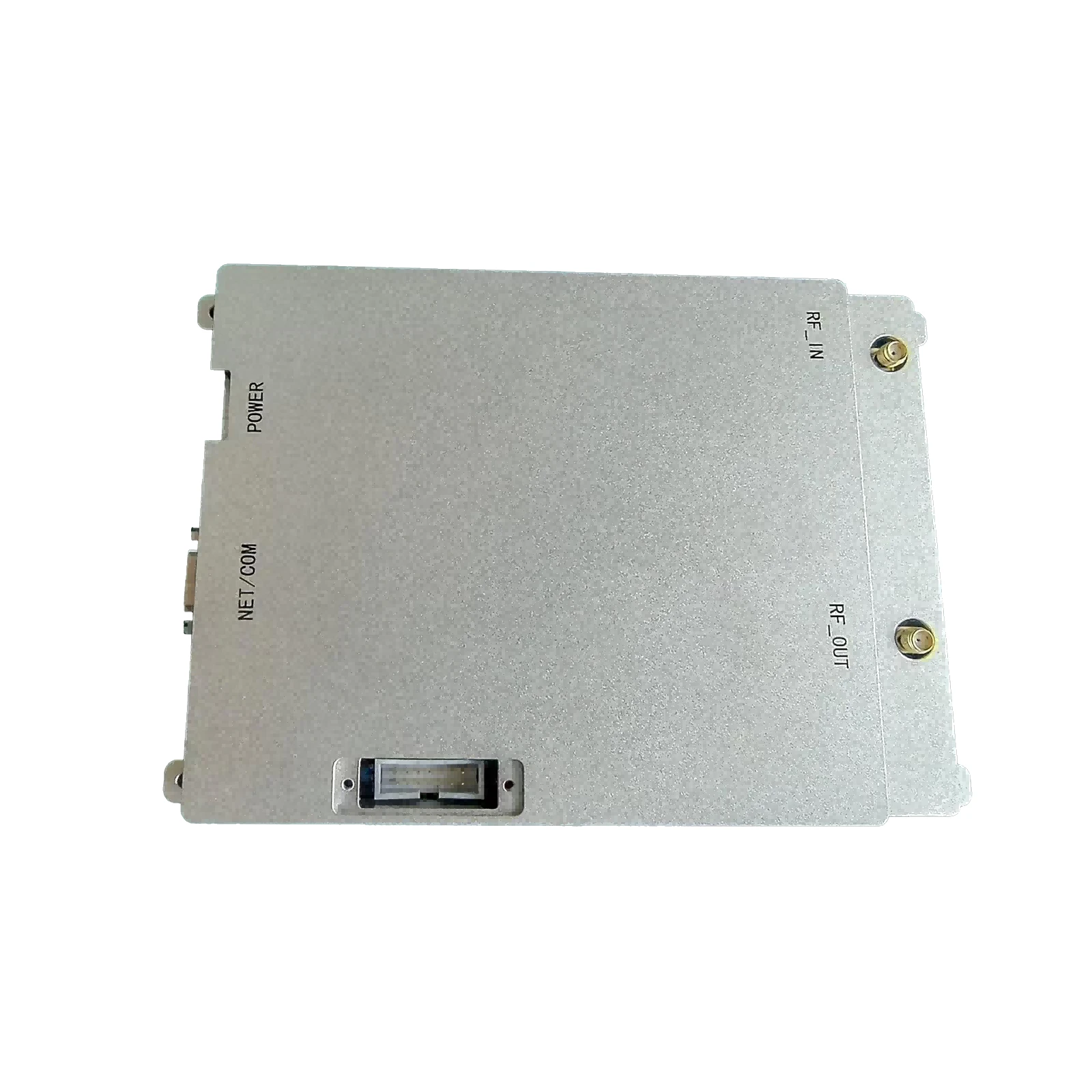
Over time, I've noticed that the basics remain constant: boosting radio frequency signals efficiently and reliably. But the devil's in the details—selecting the right transistor technology (GaN vs. LDMOS), tackling thermal management, and optimizing linearity without sacrificing gain. Oddly enough, even with all the computational tools available now, there's still a fair share of trial, error, and measuring in a lab involved.
Product designers aim for a balance between power output, efficiency, and signal fidelity. It's kind of like tuning a musical instrument; you need the right tension without dampening the sound. In RF amplifiers, this means focusing on impedance matching, managing parasitic reactances, and carefully designing the PCB layout to minimize losses and interference.
Early in my career, I remember working on an amplifier module where overheating was a persistent issue. Back then, materials science was a bit behind, and we had to improvise with enhanced heat sinks and even liquid cooling for a prototype. Today, with advances in substrate materials and packaging, designers can get more power density without frying the device. This means smaller, lighter, but more robust units — quite critical for industrial applications where space and durability matter.
Testing methods too have evolved. Whereas we used to rely heavily on network analyzers and bench measurements, modern setups often integrate real-time spectrum analysis and automated tuning. Yet, some engineers I know still swear by a hands-on feel: adjusting based on subtle changes in output spectrum noise, or watching how the amplifier behaves under unexpected loads.
Before diving into specifics, here's a quick glance at a typical power amplifier's specs I've worked closely with:
| Specification | Typical Value | Unit |
|---|---|---|
| Frequency Range | 1.8 – 2.2 | GHz |
| Output Power (P1dB) | 50 | Watts |
| Gain | 16 | dB |
| Efficiency | 55 | % |
| IMD3 (Third-order Intermod.) | -30 | dBc |
| Operating Voltage | 28 | Volts |
Now, if you're evaluating vendors or components, I've found it useful to compare key players side-by-side. Here's a quick comparison of some commonly used RF amplifier vendors:
| Vendor | Technology | Max Output Power | Typical Efficiency | Price Range |
|---|---|---|---|---|
| AmplifyTech | GaN | 100 W | 60% | $$$ |
| PowerWave | LDMOS | 75 W | 50% | $$ |
| RF Solutions | SiC | 120 W | 65% | $$$$ |
Of course, selecting a vendor also involves support, customization options, and lead times—often as critical as specs themselves. I once had a situation where a rushed deployment needed a component swap last minute, and a vendor with great customer service saved the day. You can’t always plan for everything.
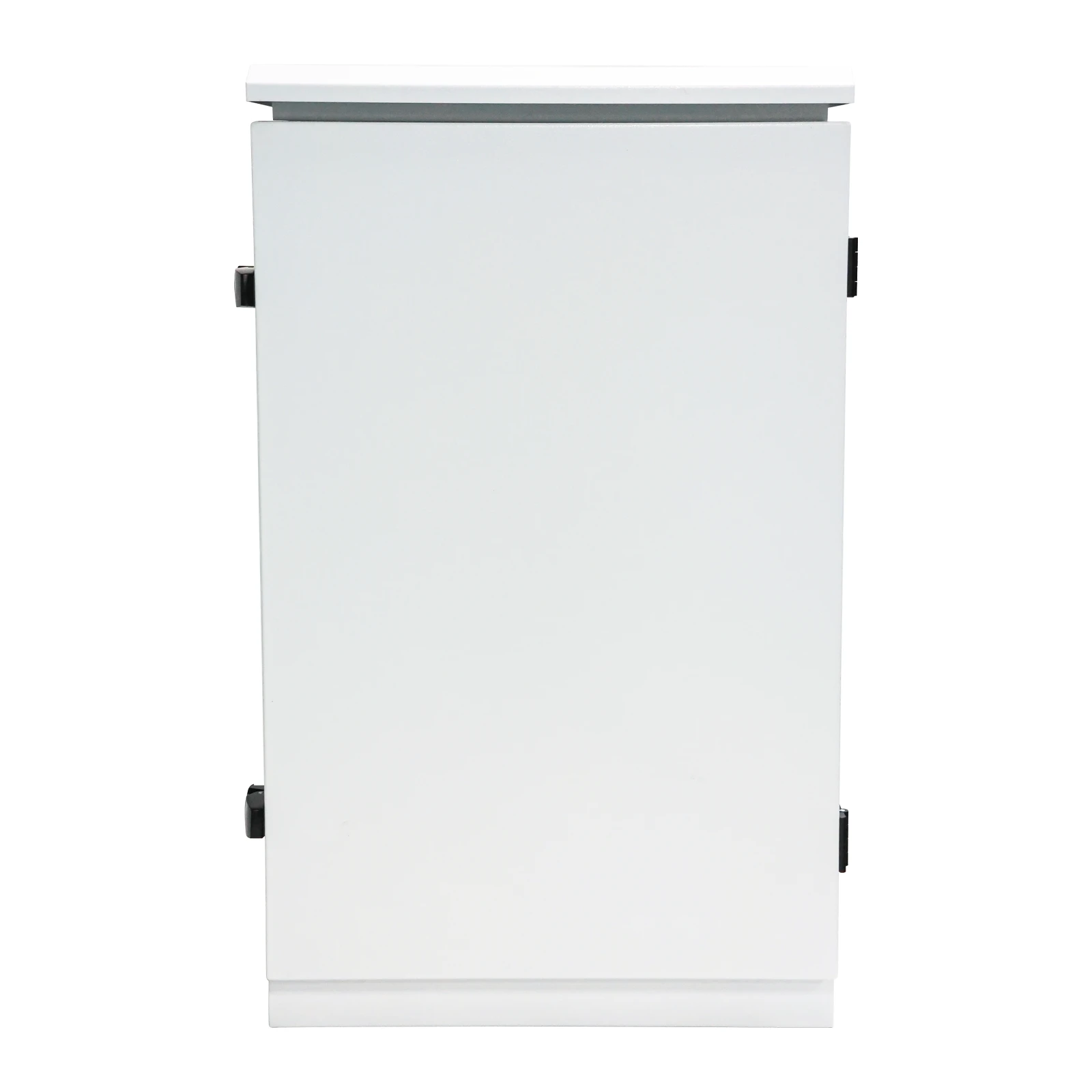
Speaking of customization, many industries demand tailored solutions—whether it's for specialized frequency bands, ruggedized enclosures, or integrated control interfaces. I personally admire those vendors and design teams that remain flexible and open. It's that kind of collaboration which leads to products that don’t just meet specs, but exceed real-world needs.
Before I sign off, I suppose the big takeaway is this: power amplifier RF design is as much art as it is science. It's continuously evolving, blending tried-and-true methods with cutting-edge tech. For anyone diving in, keep a curious mind, stay hands-on, and never underestimate the value of good vendor relationships.
References:
1. “High-Power RF Amplifiers” by Marian K. Kazimierczuk
2. IEEE Transactions on Microwave Theory and Techniques, various issues
3. Personal experience and industry collaborations, 2008–present

-
 09 March 2021 16 Apr 2026
 -
 09 March 2021 09 Apr 2026
 -
 09 March 2021 07 Apr 2026
 -
 09 March 2021 04 Apr 2026
 -
 09 March 2021 31 Mar 2026
-
 09 March 2021 21 May 2025
 -
 09 March 2021 25 Dec 2024
 -
 09 March 2021 14 Oct 2022
-
 09 March 2021 25 Dec 2024
 English
  Arabic
  Belarusian
  Danish
  Dutch
Dutch  French
  German
  Greek
Greek  Japanese
  Korean
  Myanmar
  Polish
  Portuguese
  Russian
  Spanish
  Swedish
  Thai
Thai  Ukrainian
  Vietnamese