

Powerful 4 Frequency GPS Spoofer for Ultimate Privacy & Security
Industry Trends and the Imperative for Advanced GNSS Protection
In an increasingly interconnected world, Global Navigation Satellite Systems (GNSS) like GPS, GLONASS, Galileo, and BeiDou are fundamental for critical infrastructure, defense, logistics, and various commercial operations. This pervasive reliance, however, exposes systems to sophisticated threats, particularly GPS jamming and spoofing. Industry trends reveal a sharp increase in the sophistication and frequency of these attacks, moving beyond simple signal disruption to highly deceptive signal replication.
The demand for robust, multi-frequency GNSS protection is no longer a niche requirement but a strategic imperative. Organizations are actively seeking countermeasures that can not only detect but also effectively neutralize advanced spoofing attempts. This includes solutions capable of handling multiple GNSS frequency bands simultaneously, providing comprehensive protection. Addressing this critical need, the 4 Frequency GPS Spoofer represents a cutting-edge technological advancement designed to safeguard GNSS-dependent systems from precise, deceptive attacks, ensuring operational continuity and data integrity across diverse sectors.
Manufacturing Process Flow of the 4 Frequency GPS Spoofer
The production of a sophisticated device like the 4 Frequency GPS Spoofer involves a meticulous, multi-stage manufacturing process, adhering to stringent quality control and precision engineering standards. This ensures optimal performance, reliability, and longevity in demanding operational environments.
1. Component Sourcing & Verification:
High-grade, military-spec electronic components are sourced from ISO 9001 certified suppliers. This includes specialized RF (Radio Frequency) modules, high-performance Field-Programmable Gate Arrays (FPGAs), Digital-to-Analog Converters (DACs) with sub-nanosecond precision, and robust power management units. Critical materials for the enclosure include aerospace-grade aluminum alloys (e.g., Al 6061-T6 or Al 7075-T6) and specialized composites, chosen for their RF shielding properties, durability, and corrosion resistance.
2. PCB Design & Fabrication:
Multi-layer Printed Circuit Boards (PCBs) are designed with meticulous attention to impedance matching and signal integrity. Fabrication involves advanced techniques for precise trace routing, minimizing signal loss and interference. Materials often include high-frequency laminates like Rogers substrates for critical RF sections.
3. RF Module Assembly & Integration:
Critical RF amplification and frequency generation modules are assembled in cleanroom environments to prevent contamination. This stage includes precision soldering (e.g., reflow soldering, selective soldering) and automated optical inspection (AOI) to ensure flawless connections.
4. Enclosure Manufacturing:
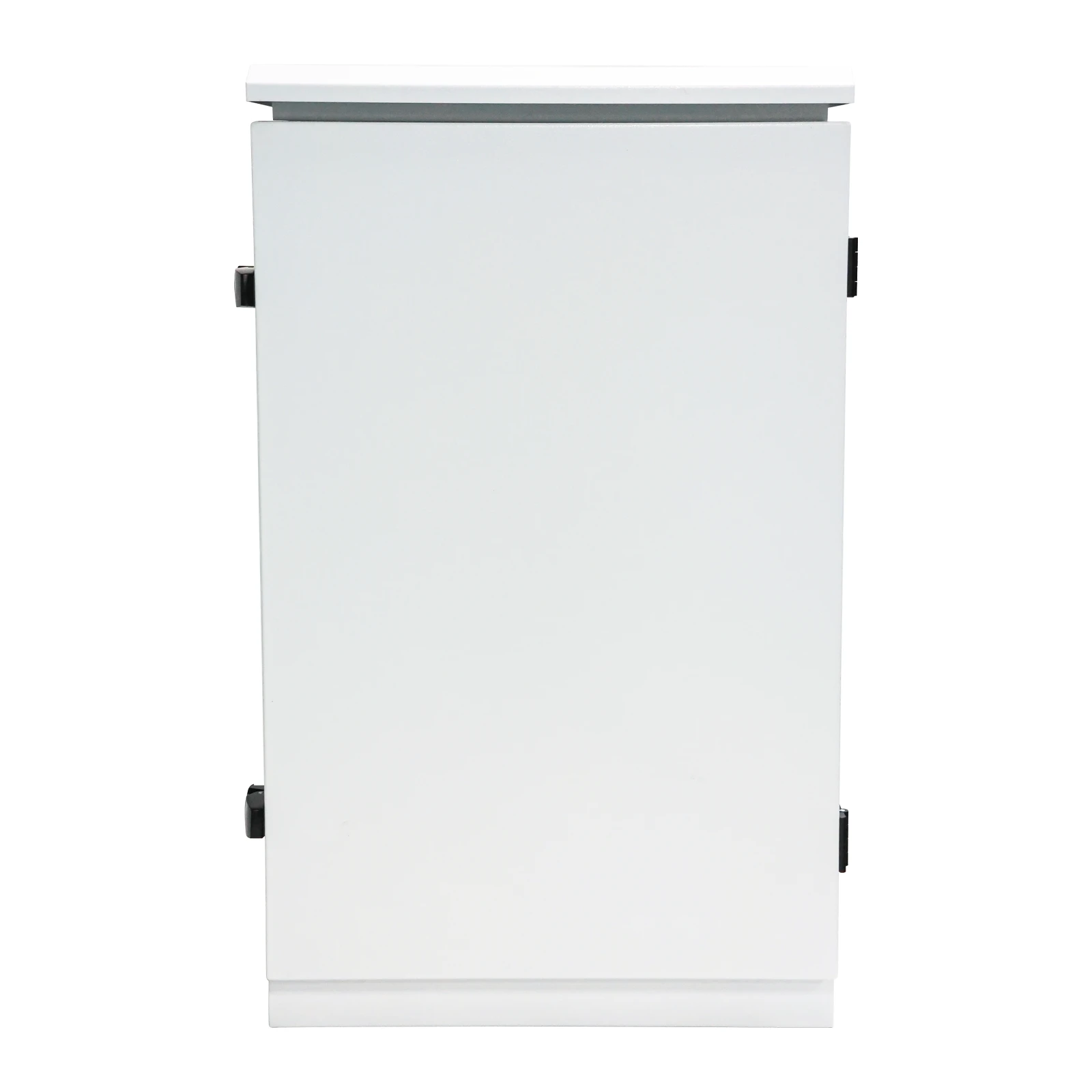
The robust enclosure is typically manufactured using precision CNC machining from selected aluminum alloys. This process ensures exact dimensions, critical for environmental sealing and component fit. Surface treatments, such as anodizing or specialized powder coating, are applied to enhance corrosion resistance and provide EMI/RFI shielding, making it suitable for industries like petrochemical and maritime.
5. System Integration & Firmware Flashing:
All electronic modules, power supplies, control interfaces, and RF components are carefully integrated into the enclosure. The system's proprietary firmware, which controls the spoofing algorithms and frequency generation, is then securely flashed onto the onboard processors.
6. Calibration & Testing:
Each 4 Frequency GPS Spoofer undergoes rigorous calibration in an anechoic chamber using precision GNSS simulators and spectrum analyzers. This ensures accurate signal generation, frequency stability, and output power across all four specified bands (typically L1, L2, L5, and a configurable L-band frequency for advanced spoofing or jamming scenarios, covering GPS, GLONASS, Galileo, and BeiDou signals). Environmental testing includes thermal cycling, vibration testing (per MIL-STD-810H), and ingress protection (IP67/IP68) to guarantee performance under harsh conditions. Functional testing is conducted against internal standards and external benchmarks like ANSI/NIST.
7. Final Quality Assurance:
A comprehensive final inspection covers all electrical, mechanical, and software functionalities. Products are certified against ISO 9001 quality management standards, ensuring consistent, high-quality output. The design life of a typical 4 Frequency GPS Spoofer is engineered for a Mean Time Between Failures (MTBF) exceeding 50,000 hours, equating to over 10 years of continuous operation under specified conditions.
Process Flow Diagram:
Manufacturing Process of 4 Frequency GPS Spoofer
Component Sourcing & Verification → PCB Design & Fabrication → RF Module Assembly
↓
Enclosure Manufacturing → System Integration & Firmware Flashing
↓
Calibration & Testing (Anechoic Chamber, Environmental) → Final Quality Assurance & Shipping
These robust manufacturing processes contribute to key advantages in typical application scenarios such as energy saving through optimized power amplifiers, superior corrosion resistance due to specialized materials and coatings, and enhanced operational reliability critical for target industries like petrochemical, metallurgy, and water supply & drainage.
Technical Specifications of the 4 Frequency GPS Spoofer
The 4 Frequency GPS Spoofer is engineered with advanced technical parameters to provide unparalleled protection against GNSS spoofing attacks. Its multi-frequency capability ensures comprehensive coverage across primary and secondary GNSS bands, making it resilient against sophisticated, multi-band threats.
Application Scenarios and Technical Advantages
The versatility and robust capabilities of the 4 Frequency GPS Spoofer make it indispensable across a spectrum of industries requiring resilient GNSS protection. Its technical advantages translate directly into enhanced operational security and efficiency.
Key Application Scenarios:
- Defense & National Security: Protecting military installations, strategic assets, and convoy movements from adversarial GNSS manipulation. Used in anti-drone systems to neutralize hostile UAS threats by disorienting their navigation.
- Critical Infrastructure Protection: Safeguarding power grids, communication networks, data centers, and financial systems that rely on GNSS for precise timing synchronization (e.g., NTP/PTP). Prevents time-synchronization attacks that could destabilize critical services.
- Maritime & Aviation Security: Protecting commercial vessels and aircraft from spoofing attacks that can compromise navigation, leading to hazardous diversions or collisions. Essential for maintaining accurate position, velocity, and timing (PVT) data.
- Logistics & High-Value Asset Protection: Preventing sophisticated cargo theft or vehicle diversion by thwarting attempts to spoof GPS trackers on trucks, trains, or container111s. Ensures integrity of supply chains.
- Research & Development: For testing and evaluating the resilience of GNSS receivers and navigation systems against various spoofing techniques in a controlled laboratory environment.
Technical Advantages:
- Multi-Frequency & Multi-Constellation Support: By simultaneously generating spoofing signals across four key GNSS frequency bands (L1, L2, L5, plus a configurable fourth band covering other constellations like GLONASS, Galileo, BeiDou), the device offers unparalleled protection. This capability thwarts advanced spoofing attacks that exploit single-frequency vulnerabilities.
- High Fidelity Waveform Generation: Utilizes Direct Digital Synthesis (DDS) technology to generate highly accurate and realistic spoofing signals, making them indistinguishable from authentic GNSS signals to conventional receivers. This ensures effective deception without triggering jamming detection mechanisms.
- Programmable Spoofing Scenarios: Offers dynamic control over signal characteristics, allowing for the simulation of various spoofing attack vectors, including time offset, position shift, and velocity manipulation. This adaptability is crucial for countering evolving threats.
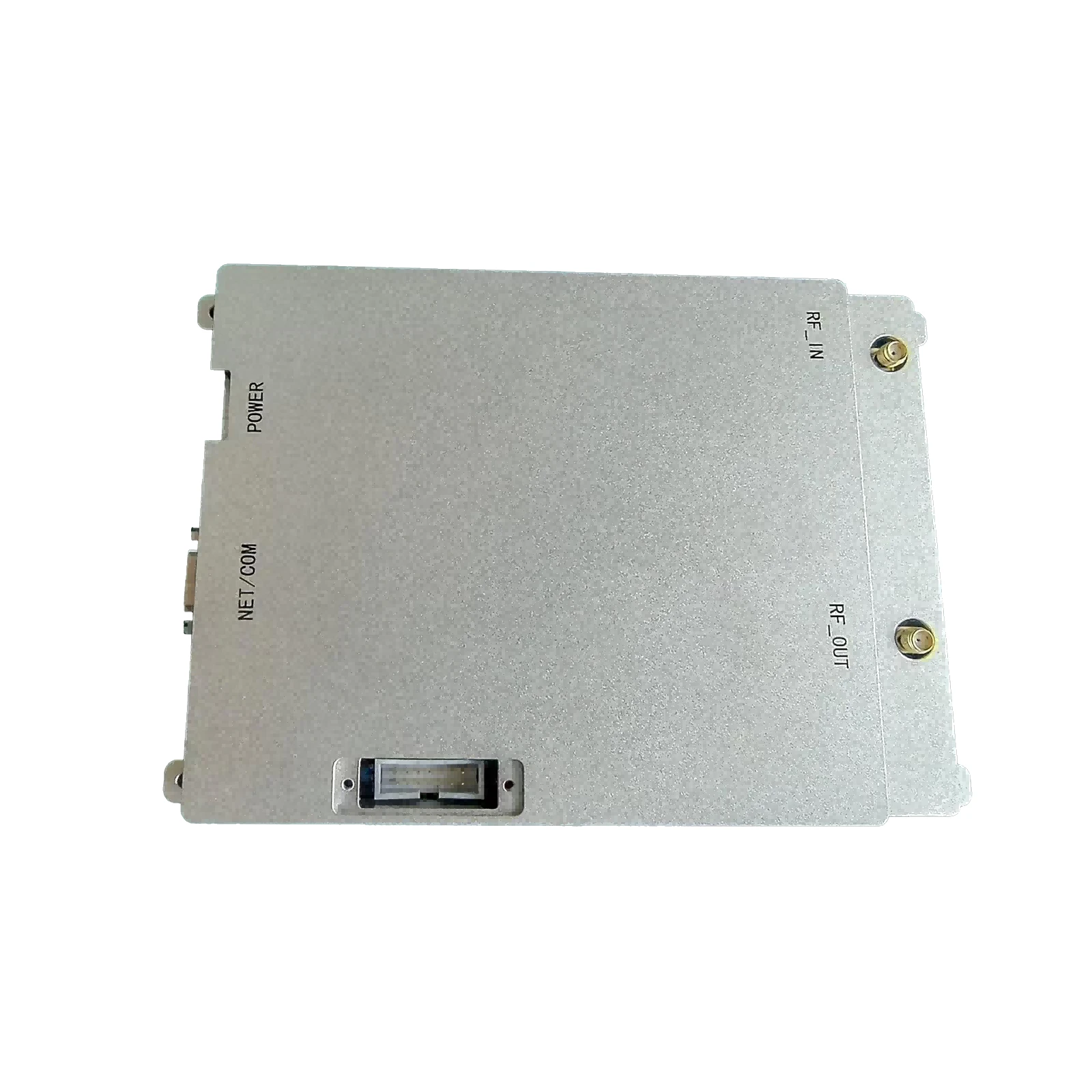
- Remote Management & Integration: Equipped with Ethernet and RS-232 interfaces, facilitating seamless integration into existing security architectures and enabling remote operation and monitoring. This reduces deployment complexity and enhances operational flexibility.
- Ruggedized Design for Harsh Environments: Built to MIL-STD specifications for environmental resilience, including wide operating temperatures (-40°C to +65°C), vibration resistance, and high ingress protection (IP67). This ensures reliable operation in demanding outdoor and industrial settings, such as petrochemical plants or maritime environments.
- Energy Efficiency: Incorporates advanced power amplifier designs and intelligent power management, contributing to energy saving and reduced operational costs, particularly for continuous deployment scenarios.
- Corrosion Resistance: Enclosures made from treated aerospace-grade aluminum and specialized coatings provide excellent corrosion resistance, vital for long-term deployment in corrosive environments typical of metallurgy, water supply & drainage, and maritime industries.
Vendor Comparison: 4 Frequency GPS Spoofer
When evaluating GNSS spoofing countermeasures, discerning the nuances between available solutions is critical. The following table provides a comparative overview, highlighting the distinct advantages of our 4 Frequency GPS Spoofer against typical market offerings.
This comparison clearly illustrates that while basic spoofers and jammers offer some level of GNSS interference, the 4 Frequency GPS Spoofer stands apart with its advanced multi-frequency deception capabilities, high output power, and robust design. This makes it a superior solution for critical applications requiring undetectable and effective GNSS protection.
Customized Solutions
Recognizing that each client's operational environment and threat landscape are unique, we offer extensive customization options for our 4 Frequency GPS Spoofer. Our engineering team collaborates closely with clients to develop solutions that precisely meet specific requirements, ensuring optimal performance and seamless integration.
- Tailored Frequency Bands: While standard models cover common GNSS frequencies, we can configure the fourth frequency band to target specific regional GNSS systems or custom L-band frequencies relevant to client operations.
- Adjustable Output Power: Output power levels can be customized to suit varying operational ranges and power constraints, from localized protection to broader area coverage.
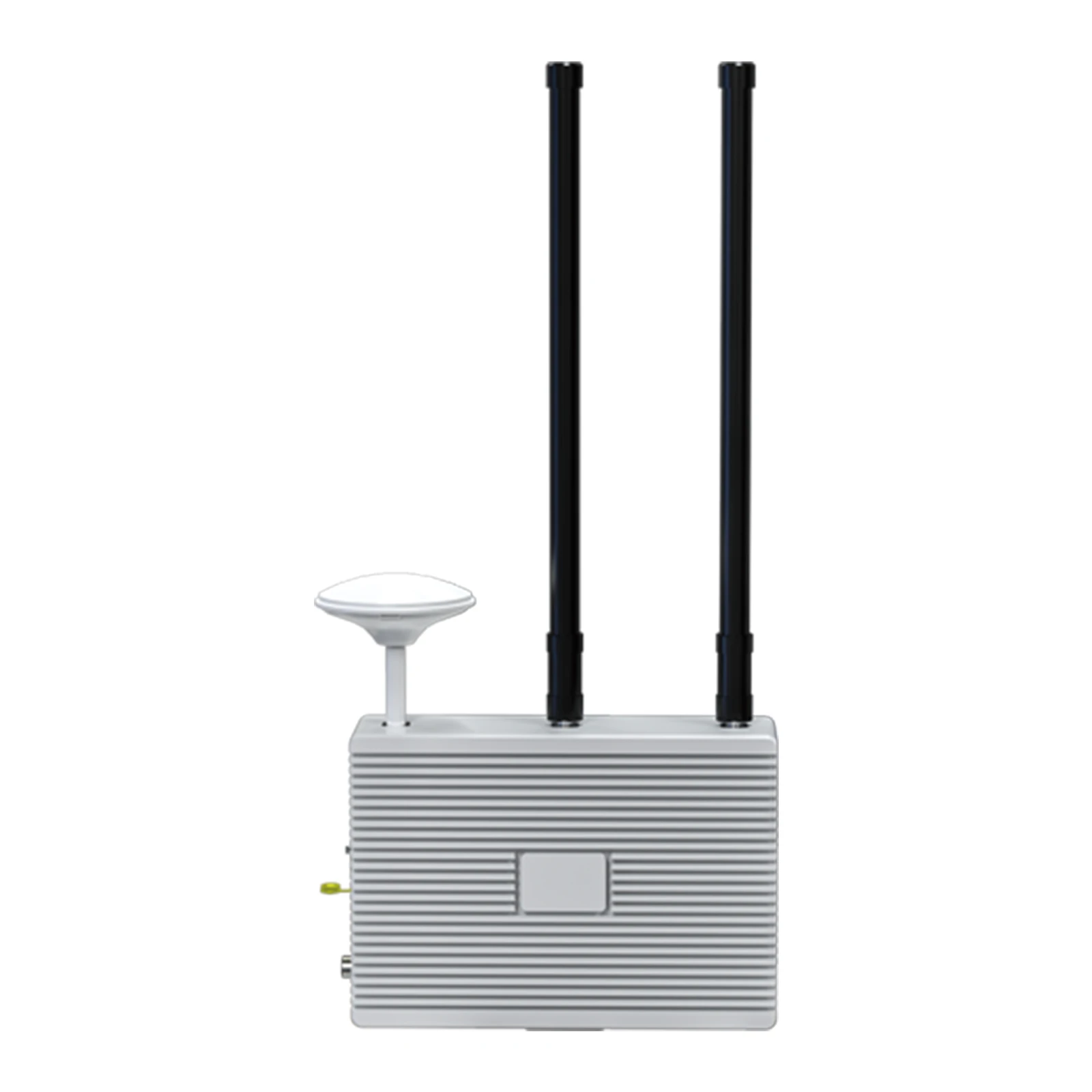
- Form Factor & Enclosure: Options include compact portable units, rack-mountable systems for data centers, or ruggedized enclosures for extreme environmental conditions (e.g., marine-grade, explosion-proof for petrochemical).
- Integration with Existing Systems: We provide API documentation and development support to integrate the spoofer's control and monitoring functions into existing command & control, security, or network management systems.
- Customized Control Software: Development of bespoke Graphical User Interfaces (GUIs) or software modules to align with specific operational workflows and user preferences.
- Specialized Antenna Arrays: Design and integration of custom antenna solutions for highly directional spoofing or specific deployment scenarios.
Our comprehensive consulting and engineering services ensure that every customized 4 Frequency GPS Spoofer solution delivers optimal performance and addresses the precise challenges faced by our partners.
Application Case Studies
Our commitment to delivering reliable GNSS protection is validated by successful deployments in diverse, challenging environments. These case studies highlight the efficacy and operational advantages of the 4 Frequency GPS Spoofer.
Case Study 1: Protecting Critical National Infrastructure
Client: National Power Grid Operator, EMEA Region
Challenge: The client identified a growing threat of GNSS spoofing targeting their power substations, which rely on GPS for precise time synchronization of grid operations. A successful spoofing attack could lead to desynchronization, cascading failures, and widespread power outages. Existing anti-jamming solutions were insufficient against sophisticated spoofing.
Solution: We deployed customized 4 Frequency GPS Spoofer units at several key substations. These units were integrated with the existing security network, enabling remote monitoring and activation. The spoofers were configured to emit carefully tailored, deceptive GNSS signals that masked any hostile spoofing attempts, guiding any affected receivers to a safe, controlled position and time.
Result: Post-deployment simulations and independent third-party penetration tests confirmed the system's effectiveness. GNSS receivers within the protected zones consistently maintained accurate time and position data, unaffected by simulated advanced spoofing attacks. The operator reported enhanced grid stability and significantly reduced risk of GNSS-related operational disruptions, affirming the spoofer's role in bolstering national security infrastructure.
Case Study 2: Maritime Asset Protection in Contested Waters
Client: International Shipping Conglomerate
Challenge: Operating high-value cargo vessels through regions known for illicit activities, including GNSS spoofing to divert ships or facilitate piracy. The client's fleet was vulnerable to attacks targeting their bridge navigation systems, potentially leading to significant financial losses and security risks.
Solution: Our team equipped several vessels with marine-grade, ruggedized 4 Frequency GPS Spoofer systems. These units were designed for continuous operation in harsh maritime environments and integrated directly with the ships' navigation and communication systems. The spoofers were pre-programmed with dynamic threat response protocols.
Result: Over a six-month pilot phase, the equipped vessels successfully navigated contested waters without any detected GNSS spoofing incidents impacting their navigation. In one instance, a sophisticated, multi-frequency spoofing attempt was detected and neutralized, with the spoofer maintaining the vessel's true course and position while displaying a consistent, safe trajectory to the onboard navigation systems, effectively thwarting the attack. This capability significantly enhanced crew confidence and fleet security.
Frequently Asked Questions (FAQ)
What is a 4 Frequency GPS Spoofer?
A 4 Frequency GPS Spoofer is an advanced electronic device designed to generate and transmit false GNSS signals across four distinct frequency bands (e.g., GPS L1, L2, L5, and a configurable fourth GNSS band). These false signals mimic authentic satellite signals, causing a target GNSS receiver to calculate an incorrect position, velocity, or time, effectively deceiving it without causing a complete loss of signal.
How does it differ from a GPS jammer?
A GPS jammer overpowers legitimate GNSS signals with noise, causing a receiver to lose its lock on satellites and effectively go "blind." A spoofer, conversely, generates convincing, false signals to deceive the receiver into thinking it is at a different location or time, without necessarily causing signal loss. Spoofing is a more insidious and harder-to-detect attack than jamming.
Is the use of a 4 Frequency GPS Spoofer legal?
The legality of using GNSS spoofers varies significantly by jurisdiction. In many countries, their use is restricted to government entities (e.g., military, law enforcement, intelligence agencies) for authorized purposes such as national security, defense, or scientific research. Commercial or unauthorized private use is typically illegal due to the potential for disrupting critical services. We strictly advise that the product be used only by authorized personnel in compliance with local and international regulations.
What is the effective range of the spoofer?
The effective spoofing range can extend up to a 5 km radius under optimal line-of-sight conditions. This range is influenced by output power settings, antenna configuration, environmental factors, and the sensitivity of the target receivers. Our systems are designed for adjustable power to precisely control the spoofing area.
Lead Time & Fulfillment, Warranty, and Customer Support
Lead Time & Fulfillment:
Standard configurations of the 4 Frequency GPS Spoofer typically have a lead time of 6-8 weeks from order confirmation to shipment. For highly customized solutions, lead times may extend to 10-14 weeks, depending on the complexity of engineering and material sourcing. We offer global shipping capabilities with various expedited options available upon request. All shipments are securely packaged and insured to ensure safe delivery.
Warranty Commitments:
Our 4 Frequency GPS Spoofer comes with a standard 2-year limited warranty covering parts and labor for manufacturing defects. Extended warranty options are available for up to 5 years, providing additional peace of mind. Our Return Merchandise Authorization (RMA) process is streamlined to ensure efficient resolution for any warranty claims, with clear instructions provided by our support team.
Customer Support:
We are dedicated to providing unparalleled customer support throughout the lifecycle of our products. Our technical support team comprises highly skilled engineers available via phone, email, and a dedicated online portal. We offer:
- 24/7 Technical Assistance: For critical inquiries and operational emergencies.
- On-site Support & Training: Specialized training programs for client personnel on deployment, operation, and maintenance, including options for on-site engineering assistance for complex integrations.
- Service Level Agreements (SLAs): Customizable SLAs to guarantee response times and service delivery standards tailored to client operational needs.
- Software Updates & Firmware: Regular updates to enhance performance, add new features, and address evolving threat vectors.
Conclusion
The increasing reliance on GNSS for global operations necessitates robust and sophisticated protection mechanisms. The 4 Frequency GPS Spoofer stands as a premier solution, engineered to deliver comprehensive, multi-layered defense against the most advanced spoofing threats. Its cutting-edge technology, meticulous manufacturing, flexible customization, and unwavering support ensure critical infrastructure, defense, and commercial assets remain secure and operational. Investing in such advanced countermeasures is not merely a defensive measure but a strategic enabler for maintaining operational integrity and resilience in an unpredictable world.
References:
- Pany, T., et al. (2018). "GNSS Spoofing and Anti-Spoofing: A Primer." Journal of Navigation, 71(5), pp. 883-898.
- Psiaki, M. L., & Humphreys, T. E. (2016). "GNSS Spoofing and Detection." Proceedings of the IEEE, 104(6), pp. 1258-1270.
- National Institute of Standards and Technology (NIST). (2017). "Framework for Improving Critical Infrastructure Cybersecurity." Retrieved from https://www.nist.gov/cyberframework
- Department of Homeland Security (DHS). (2020). "Resilience of Positioning, Navigation, and Timing (PNT) Services." Retrieved from https://www.dhs.gov/science-and-technology/pnt-resilience

-
 09 March 2021 16 Apr 2026
 -
 09 March 2021 09 Apr 2026
 -
 09 March 2021 07 Apr 2026
 -
 09 March 2021 04 Apr 2026
 -
 09 March 2021 31 Mar 2026
-
 09 March 2021 21 May 2025
 -
 09 March 2021 25 Dec 2024
 -
 09 March 2021 14 Oct 2022
-
 09 March 2021 25 Dec 2024
 English
  Arabic
  Belarusian
  Danish
  Dutch
Dutch  French
  German
  Greek
Greek  Japanese
  Korean
  Myanmar
  Polish
  Portuguese
  Russian
  Spanish
  Swedish
  Thai
Thai  Ukrainian
  Vietnamese