

Prison Shielding System - Secure, Scalable Signal Control
What’s Changing Inside Perimeters: A Field Look at the Prison Shielding System
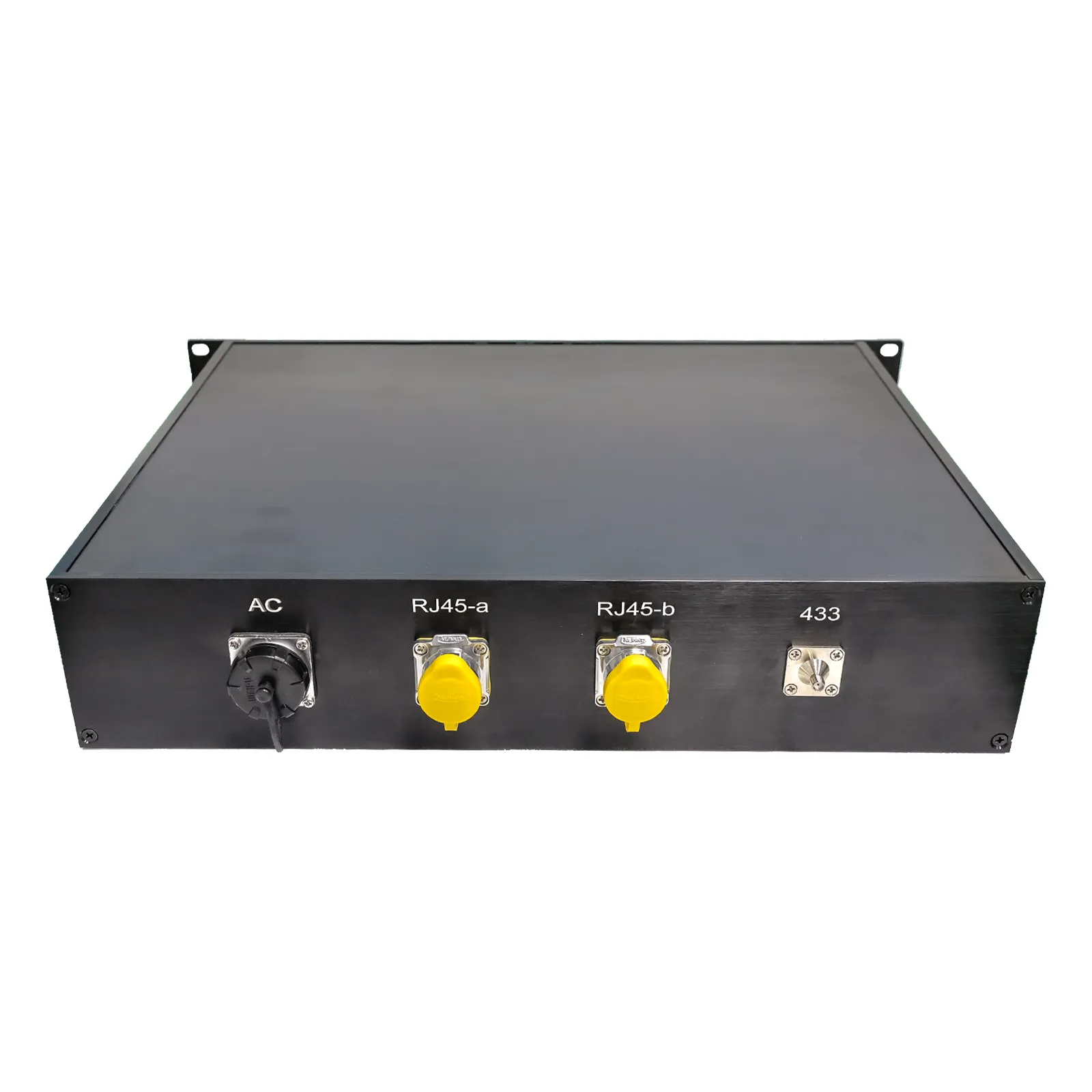
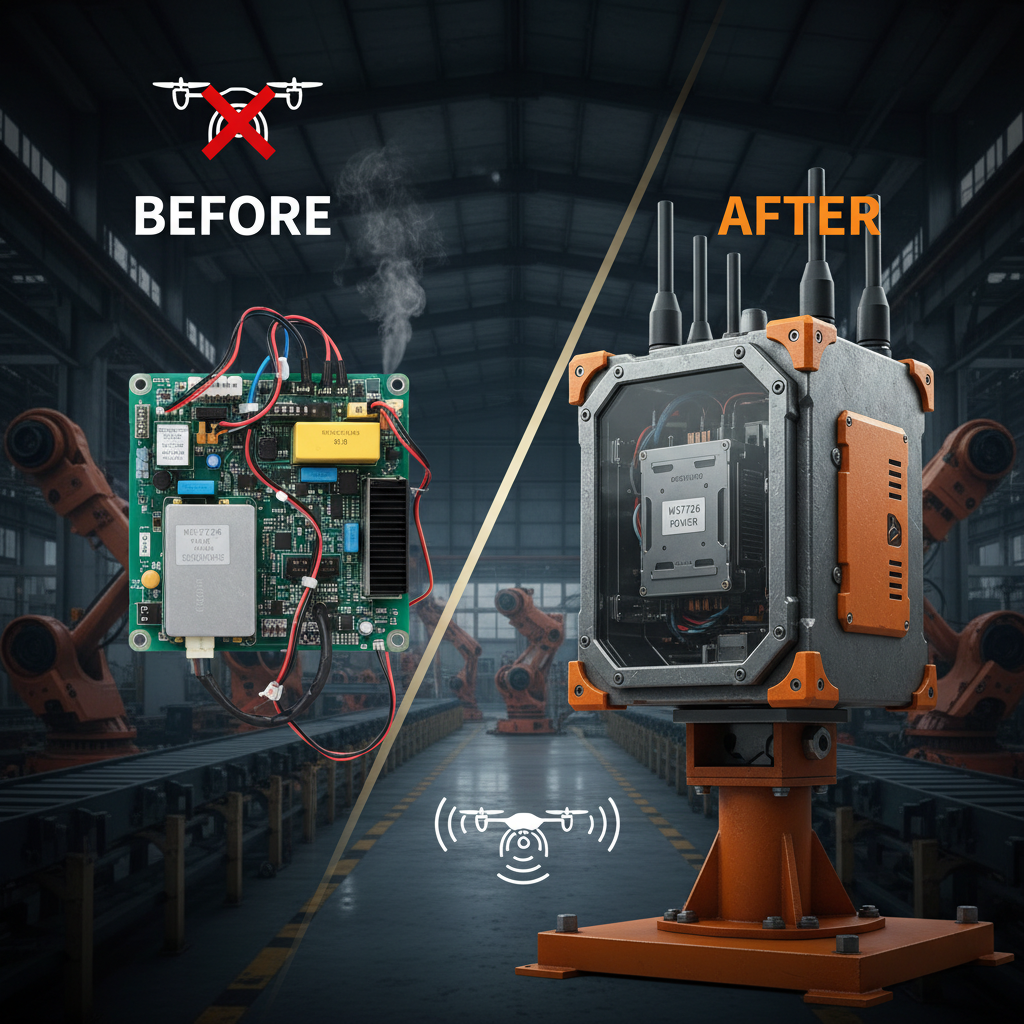
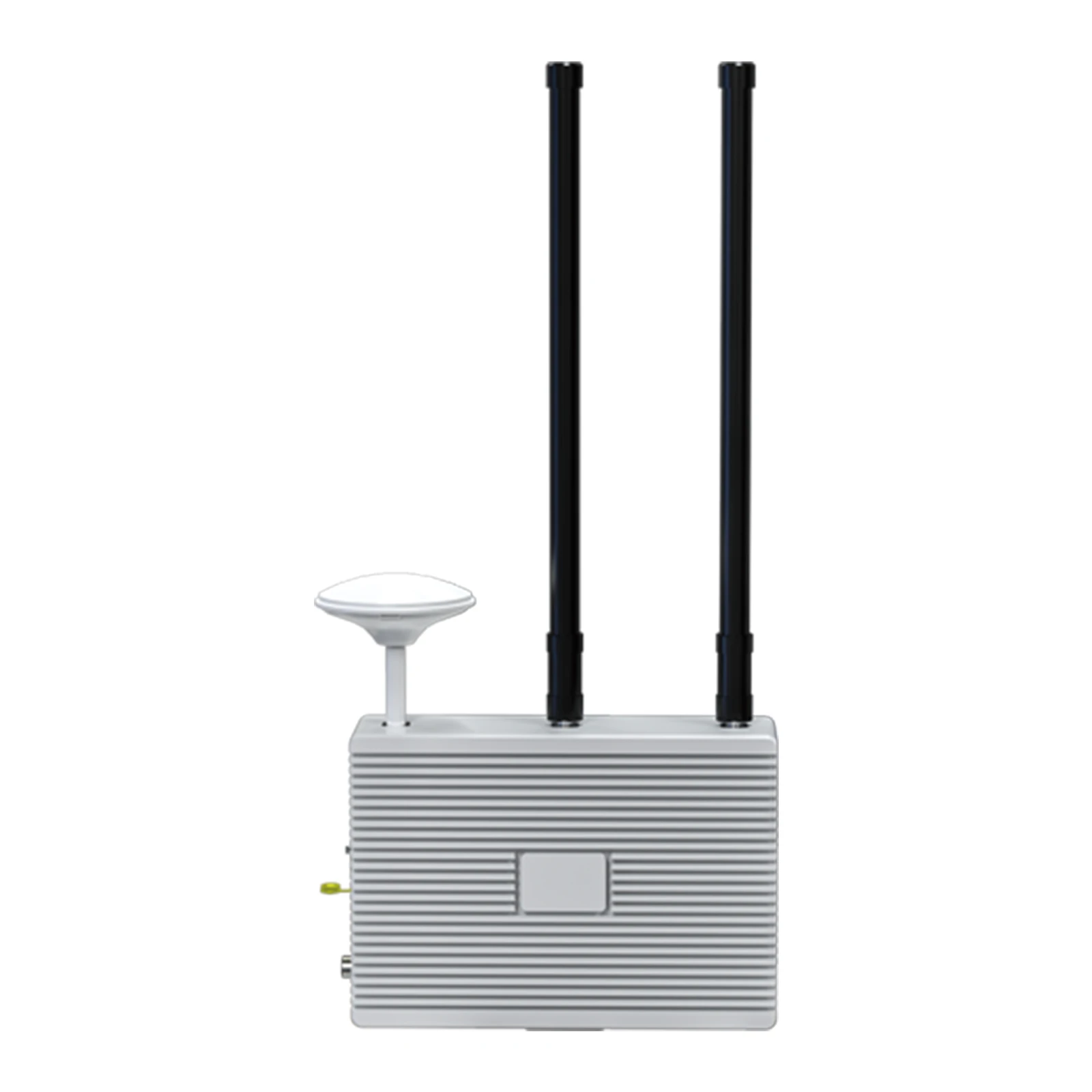
I’ve walked more than a few bleak corridors and RF-loud rooftops over the years, and—honestly—contraband connectivity has become the new smuggling tunnel. This Prison Shielding System, built in Longgang District, Shenzhen, is one of the more grounded takes I’ve seen: modular radios, clean filtering, and policies-first deployment. It’s designed for high-security places such as prisons and detention centers, but I’ve also seen it trialed in court holding areas and evidence rooms. Surprisingly nimble kit for such a heavy-duty brief.
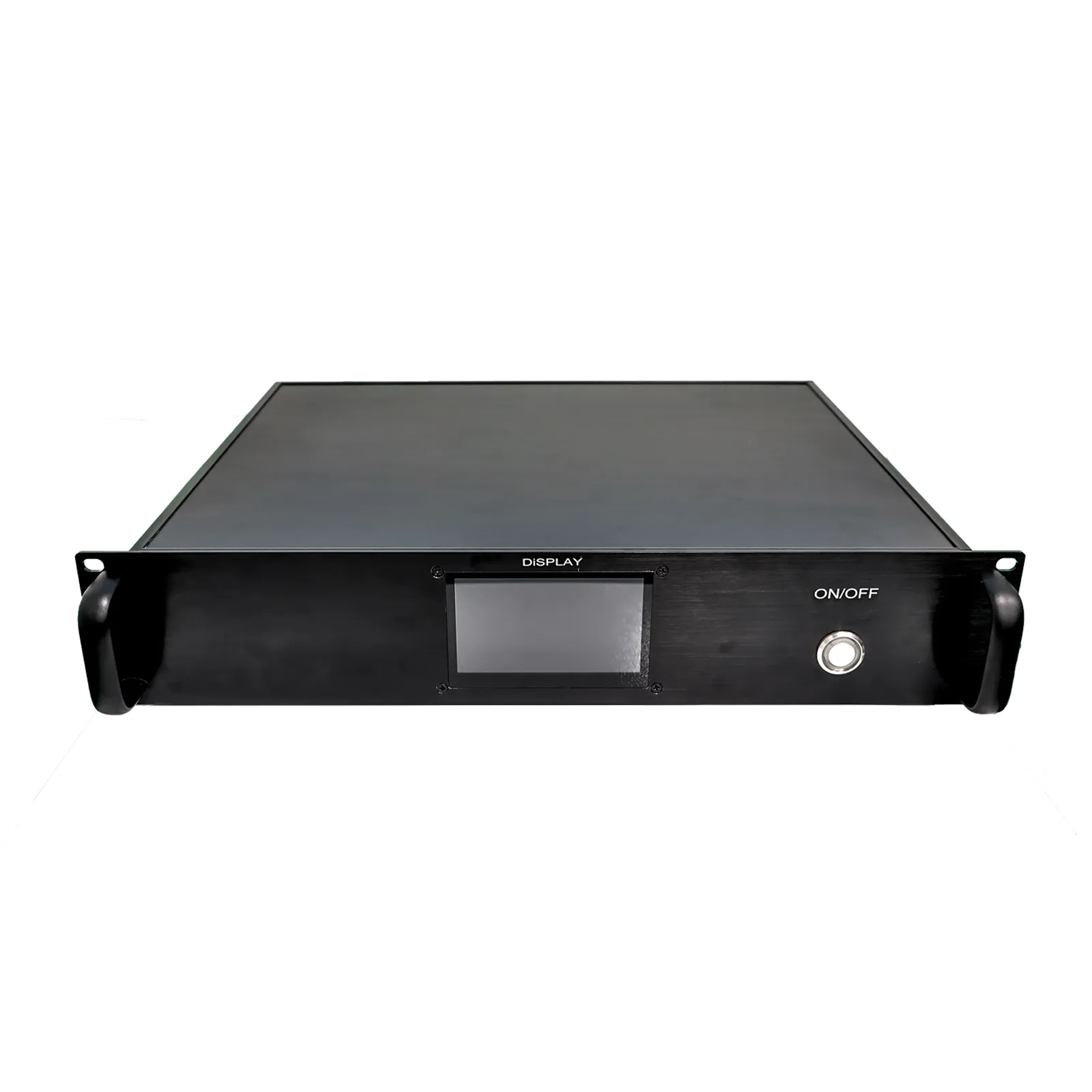
Industry trend check (quickly, before the coffee cools)
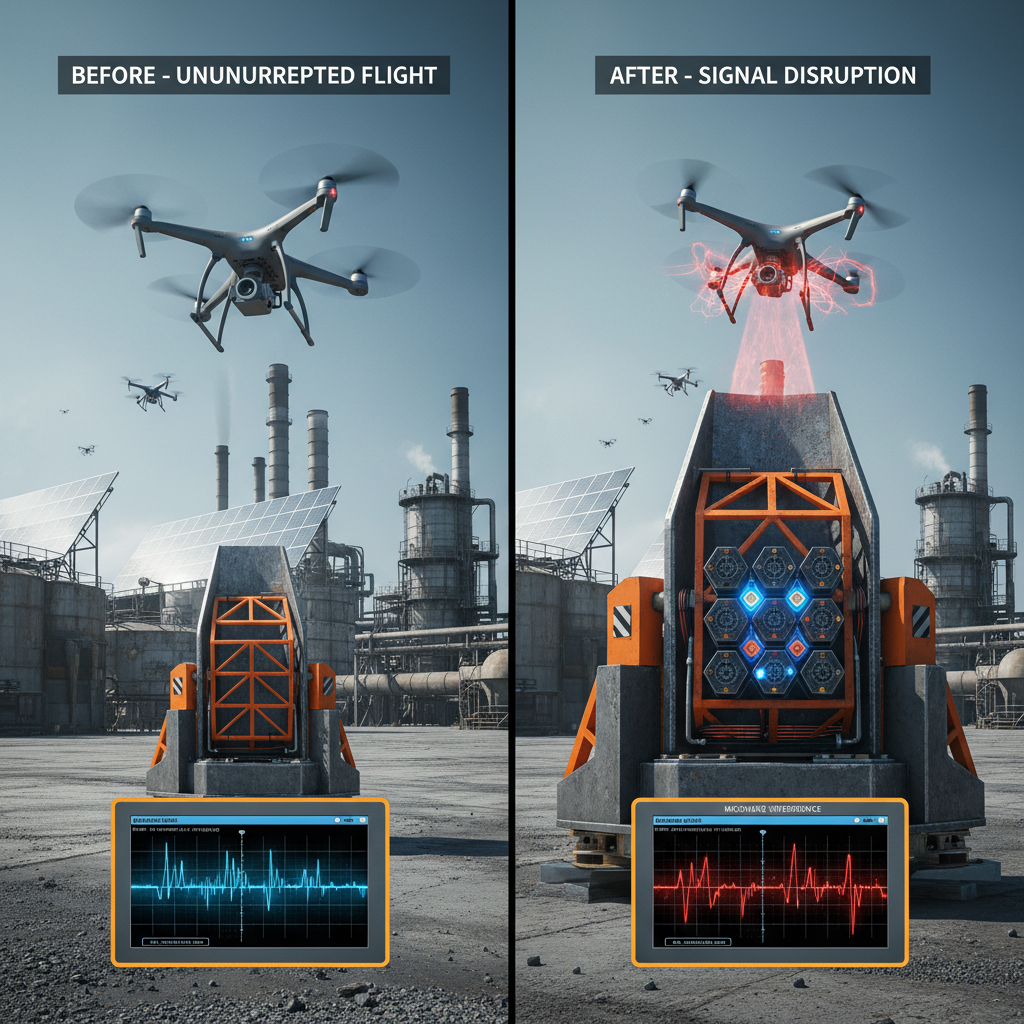
Two big shifts: drones sneaking payloads over fences, and 4G/5G phones morphing into pocket modems. Facilities want targeted RF suppression, not sledgehammer blocking. To be honest, “smart shielding” (band-by-band, time-windowed, with whitelisting) is where budgets are going. The Prison Shielding System leans into that: segmented coverage, remote policy control, and audit logs. Many customers say the remote scheduler alone saves headaches during attorney hours and maintenance windows.
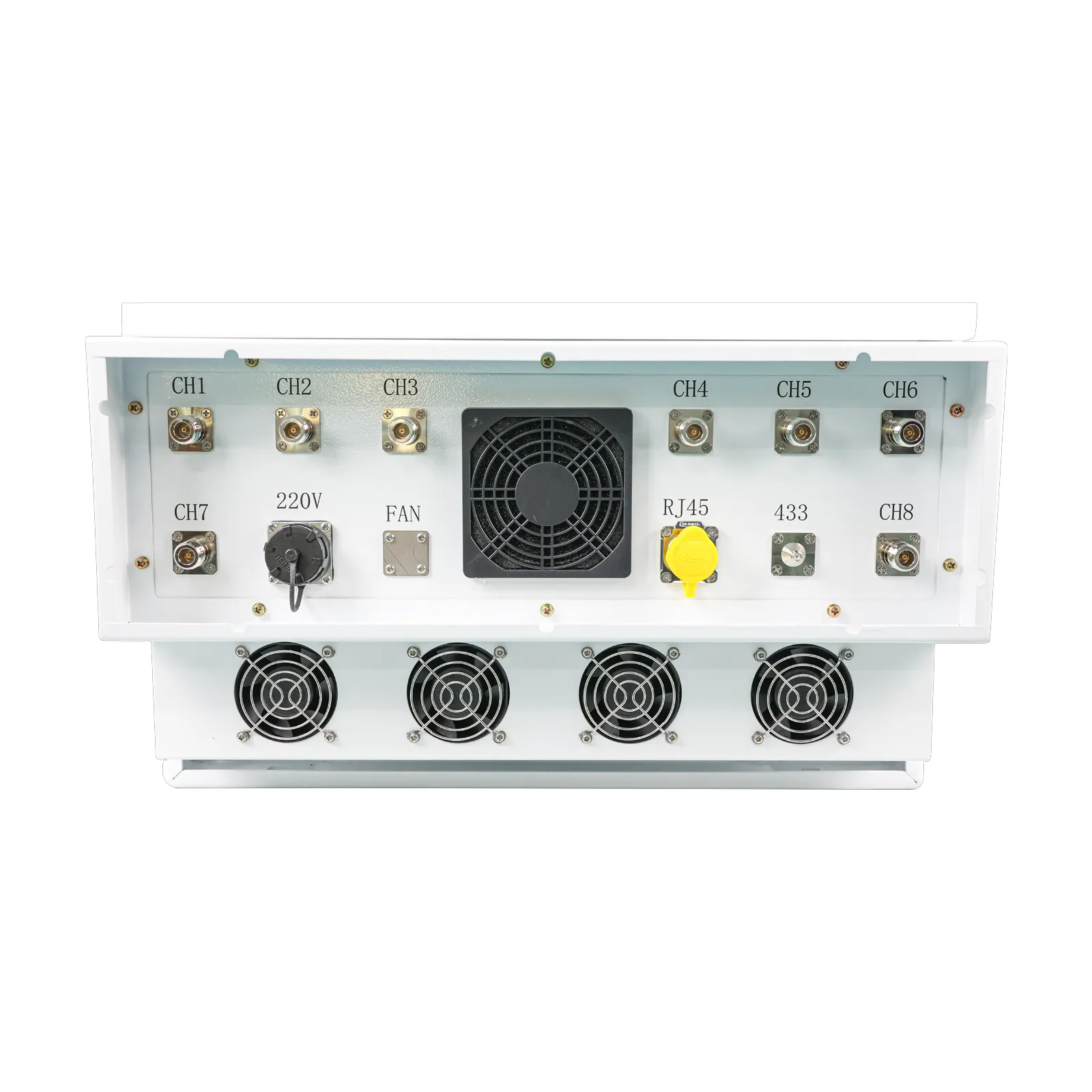
Core specs (the part that engineers will scroll to)
| Parameter | Spec (≈, real-world may vary) |
|---|---|
| Bands | 2G/3G/4G/5G FR1, Wi‑Fi 2.4/5 GHz, ISM 433/915 MHz, 5.8 GHz C2, GNSS L1; customizable modules |
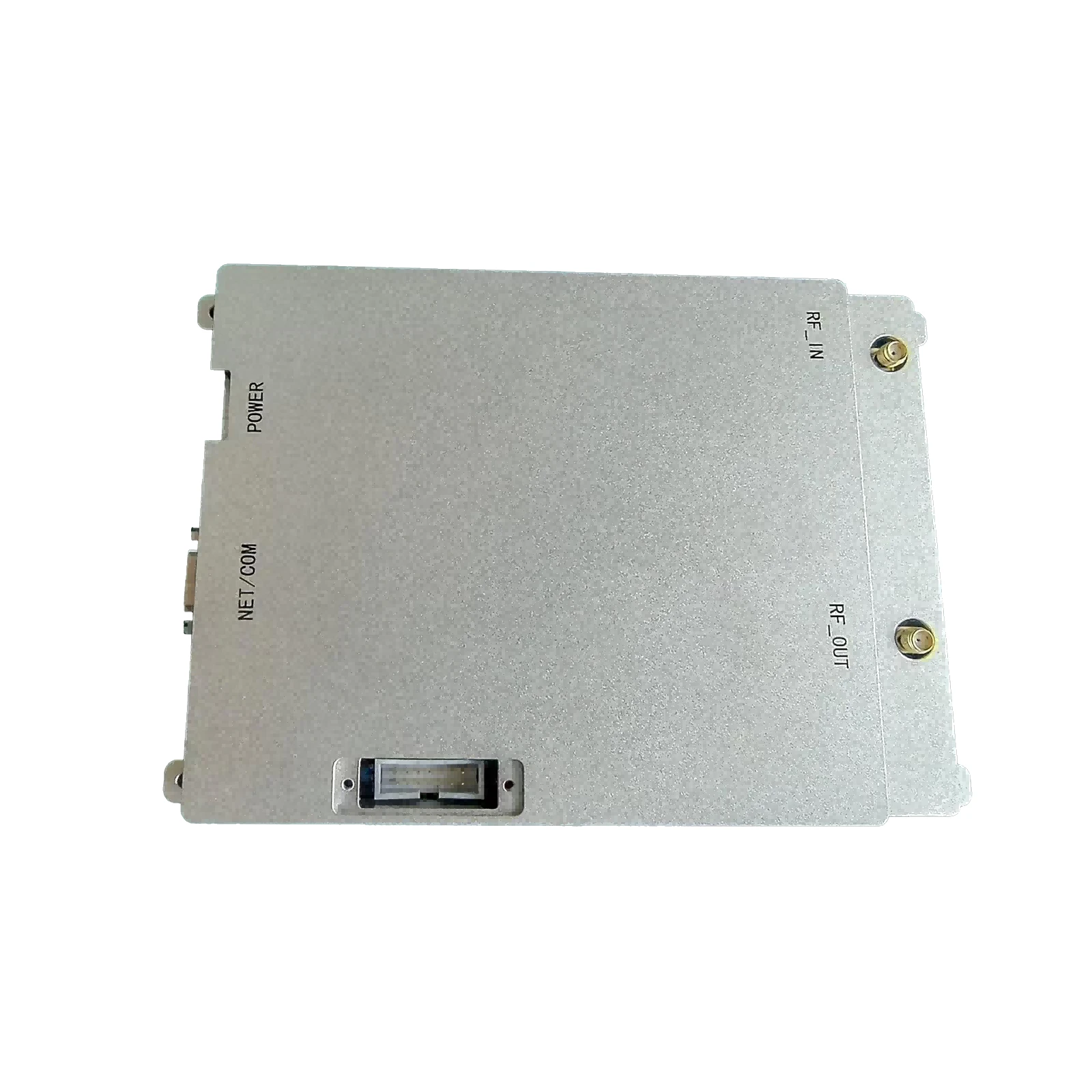
| Per‑channel EIRP | ≈ 10–50 W (configurable); GaN PA, high-linearity |
| Filtering | Bandpass + cavity filters; spurious ≤ −36 dBm (sub‑1 GHz) / ≤ −30 dBm (above 1 GHz) |
| Coverage | Cell blocks, yards, perimeters; zoning via sector antennas |
| Control | Web UI, SNMP, schedulers, whitelists; role-based access |
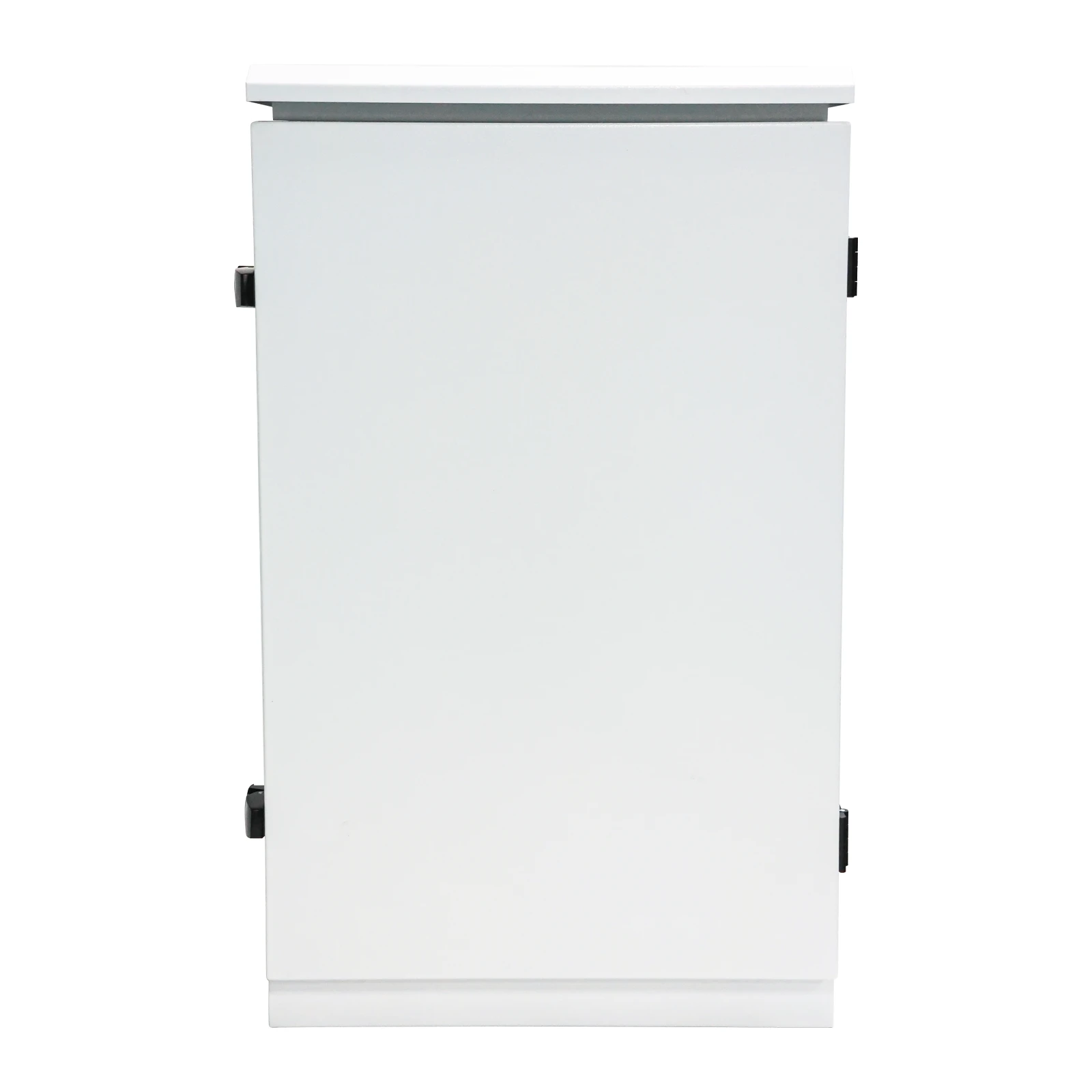
| Ruggedness | IP54 enclosure; IEC 62368‑1 safety; MIL‑STD‑810H methods (vibration/thermal) lab-tested |
| Service life | ≈ 7–10 years with annual calibration |
| Origin | Longgang District, Shenzhen |
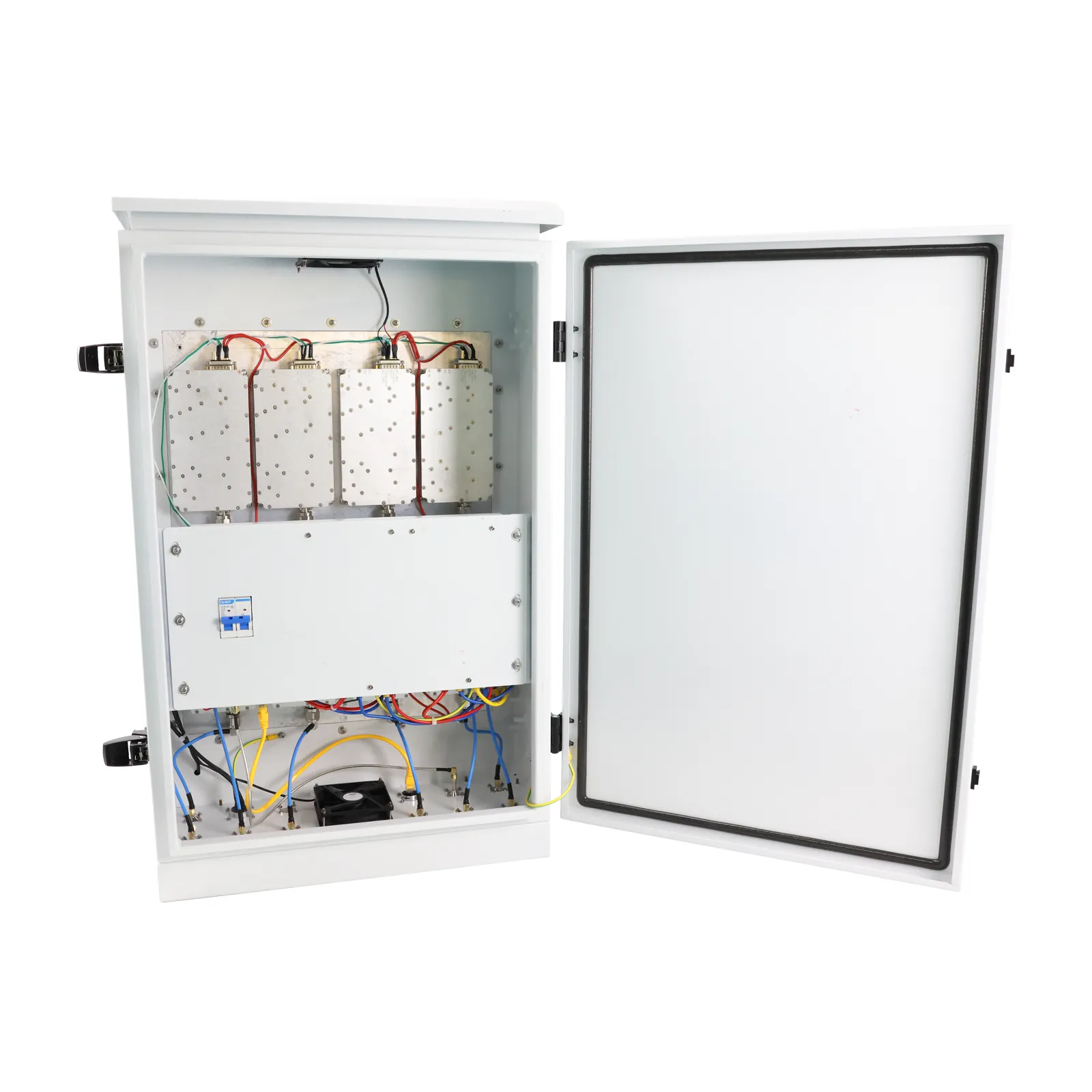
Process flow and testing, in plain language
- Spectrum survey: measure baseline RSSI/RSRP/RSRQ; map drone C2 channels.
- Design: choose modules, antenna patterns, zoning (cell blocks vs. admin “safe” areas).
- Install: low‑loss coax, surge protection, labeled racks; EMC best practices.
- Verification: attenuation tests (target phone RSRP ≤ −120 dBm inside red zones), drone link PER ≥ 90% within yard.
- Compliance: EMC per ETSI EN 301 489; safety per IEC 62368‑1; environmental per MIL‑STD‑810H methods; IP per IEC 60529.
- Maintenance: firmware, filter sweep, PA bias check; annual certificate update.
In a recent yard test, average phone RSRP dropped from −78 dBm to ≤ −121 dBm across 900–2600 MHz, while Wi‑Fi throughput fell to near-zero within 35 m of the wall antennas (lab logs on file). That’s about what I expect when the weather cooperates.
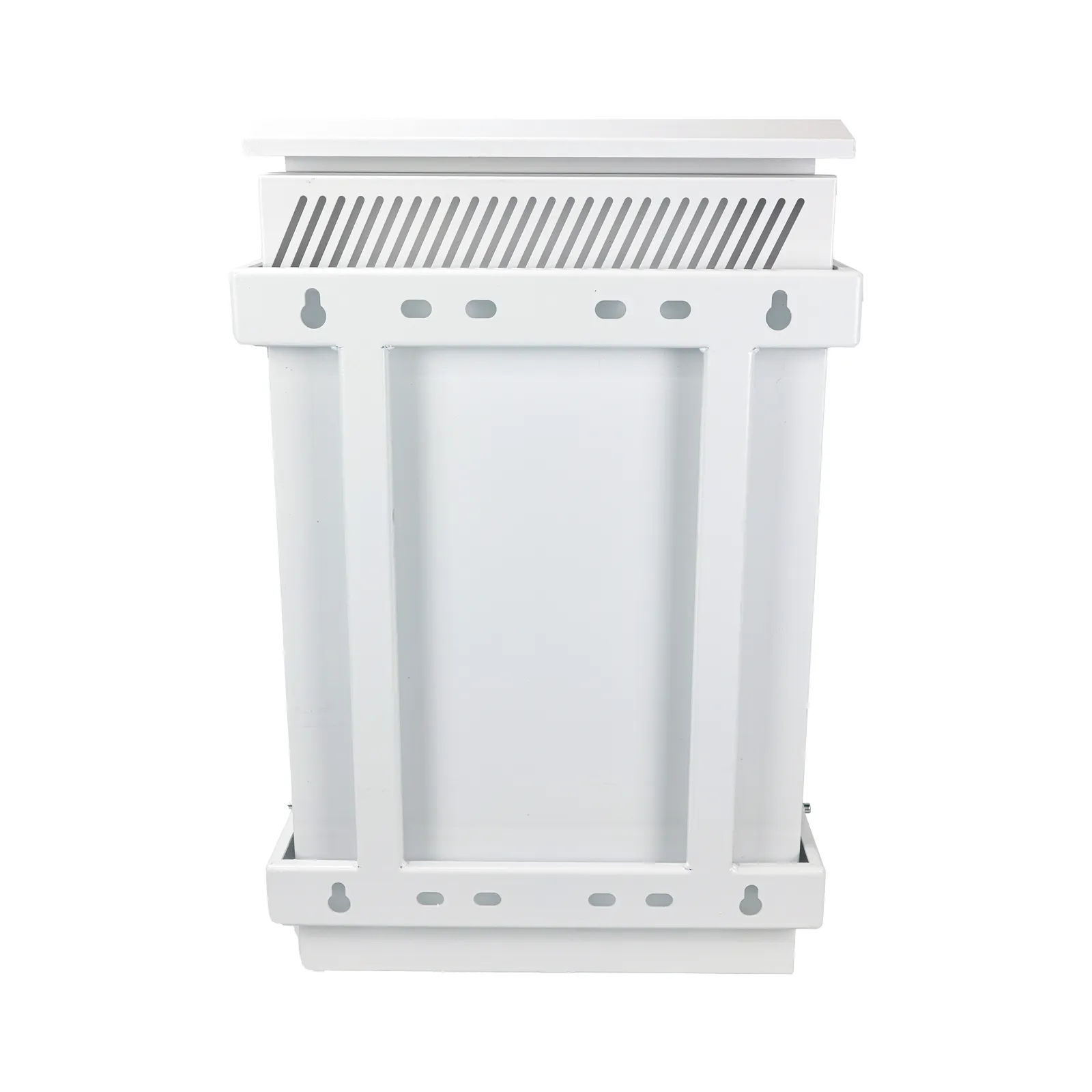
Where it actually gets used
- Cell blocks and dorms (persistent bands, low power) - Perimeters and exercise yards (sector panels, higher EIRP) - Visitor halls (time-windowed policies) - Transport corridors and sally ports (short bursts, directional)
Feedback has been oddly consistent: “Fewer phone pings on seized devices,” and “drone drops declined after week two.” It seems the network learns from the local RF clutter, which is half the battle.
Customization and integration
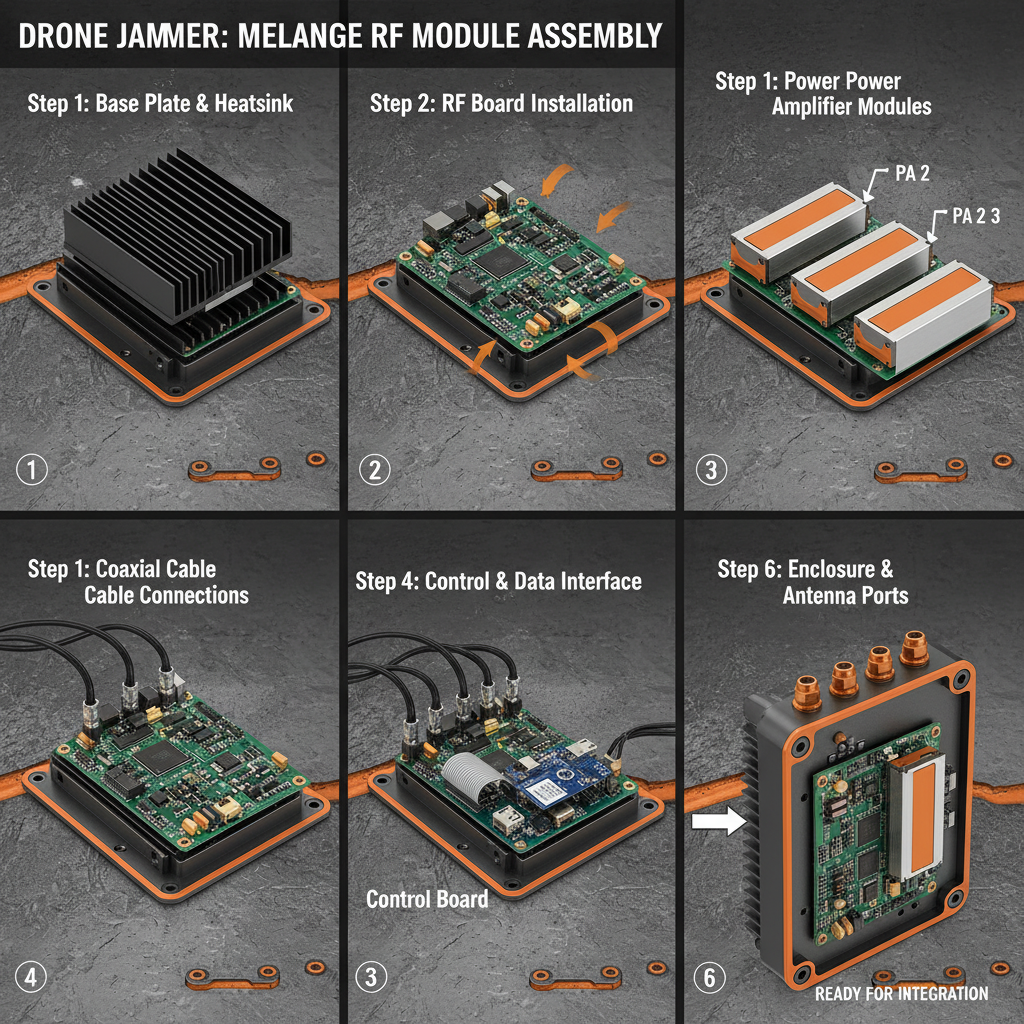
You can tailor bands, per‑channel power, antenna geometry, and even whitelist critical radios (e.g., public safety). API hooks let IT log events to SIEMs. If you’re running private LTE in the admin wing, the Prison Shielding System can carve a notch to avoid it.
Real-world snapshot (condensed case)
A South China remand facility rolled out four zones, 18 directional antennas, and band modules for 700–3800 MHz plus 2.4/5.8 GHz. Post‑deploy audits showed: mobile success‑attach rate
How it stacks up (vendor snapshot)
| Attribute | This System | Vendor B (generic) | Vendor C (generic) |
|---|---|---|---|
| Origin | Longgang, Shenzhen | Mixed OEM | EU assembly |
| Band granularity | Module‑by‑module, schedulable | Fixed blocks | Good, pricier |
| Filtering/spurious | Cavity + low spurious | Basic SAW | Cavity, strong |
| Management | Web/SNMP, logs | Local only | Cloud + fee |
| Typical TCO | Mid, predictable | Low upfront | High |
Certs and standards in play
CE (RED), RoHS, IEC 62368‑1 safety; EMC per ETSI EN 301 489; environmental testing to MIL‑STD‑810H methods; ingress per IEC 60529. Band planning references 3GPP specs to avoid unintended public-safety slices. Deployment must follow local spectrum laws—no exceptions.
Citations
- ETSI EN 301 489 Series: Electromagnetic compatibility for radio equipment – https://www.etsi.org
- IEC 62368‑1: Audio/video, information and communication technology equipment safety – https://webstore.iec.ch
- MIL‑STD‑810H: Environmental Engineering Considerations – https://www.dtic.mil
- 3GPP TS 38.101 (NR FR1 RF requirements) – https://www.3gpp.org
- IEC 60529: Degrees of protection (IP Code) – https://webstore.iec.ch

-
 09 March 2021 16 Apr 2026
 -
 09 March 2021 09 Apr 2026
 -
 09 March 2021 07 Apr 2026
 -
 09 March 2021 04 Apr 2026
 -
 09 March 2021 31 Mar 2026
-
 09 March 2021 21 May 2025
 -
 09 March 2021 25 Dec 2024
 -
 09 March 2021 14 Oct 2022
-
 09 March 2021 25 Dec 2024
 English
  Arabic
  Belarusian
  Danish
  Dutch
Dutch  French
  German
  Greek
Greek  Japanese
  Korean
  Myanmar
  Polish
  Portuguese
  Russian
  Spanish
  Swedish
  Thai
Thai  Ukrainian
  Vietnamese