

Prison Shielding System: Enhanced Security for Correctional Facilities
The Critical Imperative of Advanced Security in Correctional Facilities
In an era marked by rapid technological advancement, correctional facilities face unprecedented challenges in maintaining security and order. The proliferation of readily available and increasingly sophisticated communication devices, coupled with the escalating threat of unauthorized drone incursions, necessitates a proactive and robust defensive posture. Traditional security measures, while foundational, are often insufficient against these evolving threats. This growing vulnerability underscores the vital role of advanced electronic countermeasures.
A comprehensive Prison Shielding System represents the vanguard of modern correctional security. Designed to neutralize illicit communications and drone activities within designated perimeters, these systems are not merely a luxury but a fundamental requirement for ensuring the safety of staff, inmates, and the public. They effectively mitigate risks associated with contraband smuggling, organized criminal activity, escape attempts, and unauthorized data exfiltration, thereby reinforcing the integrity of the correctional environment. This document delves into the intricacies of such systems, exploring their technological underpinnings, operational advantages, and strategic deployment in contemporary correctional security frameworks.
Evolving Threats and Industry Trends in Correctional Security
The landscape of correctional security is continuously reshaped by emerging technologies and adapting criminal methodologies. Understanding these dynamics is crucial for implementing effective countermeasures. The two primary vectors of technological threat are unauthorized mobile communication and drone-based contraband delivery.
The Proliferation of Contraband Mobile Devices
Despite stringent security protocols, mobile phones and other unauthorized communication devices continue to infiltrate correctional facilities globally. These devices facilitate a range of illicit activities, including:
- Organized Crime Coordination: Inmates use phones to coordinate drug trafficking, gang activities, and extortion schemes both inside and outside the facility.
- Witness Intimidation: Direct communication with outside parties enables threats against witnesses or victims, compromising judicial processes.
- Escape Planning: Real-time communication can aid in orchestrating complex escape plans, often involving external accomplices.
- Fraud and Identity Theft: Illicit communication allows inmates to engage in various forms of financial fraud.
The sheer volume of calls and data traffic within a typical prison environment highlights the scale of this problem. Conventional cell signal blocking has evolved from basic frequency suppression to sophisticated solutions that target specific bands while allowing authorized communications (e.g., staff radios, emergency services) to function unimpeded.
The Aerial Threat of Drones
Drones represent a relatively new but rapidly escalating threat. Their ability to deliver contraband (drugs, weapons, phones) directly into prison yards or even specific cells without human intervention poses a significant security challenge. Key trends include:
- Accessibility: Consumer-grade drones are affordable and easily modified for payload delivery.
- Stealth: Small drones can be difficult to detect visually or with radar, especially at night.
- Payload Capacity: Even small drones can carry significant amounts of contraband, ranging from narcotics to compact firearms.
- Technological Sophistication: Drones increasingly feature advanced navigation (GPS), encrypted communication links, and obstacle avoidance, making them harder to counteract.
In response, the industry has shifted towards multi-layered counter-drone strategies, incorporating detection (RF, radar, acoustic), identification, and mitigation (jamming, net capture, GNSS spoofing). A comprehensive Prison Shielding System must integrate both cellular and drone countermeasures.
Regulatory Landscape and Compliance
The deployment of signal jamming technologies is highly regulated. In many jurisdictions, the use of jammers is restricted to government entities, particularly law enforcement and correctional facilities, due to concerns about interference with legitimate communications. Compliance with national telecommunications authorities (e.g., FCC in the US, CE in Europe, relevant national bodies elsewhere) is paramount. A reputable Prison Shielding System provider will ensure their solutions meet these stringent legal and ethical requirements, offering features like selective jamming and geo-fencing to minimize collateral impact.
Technical Architecture and Key Parameters of a Robust Prison Shielding System
A modern Prison Shielding System is a sophisticated amalgamation of advanced RF engineering, digital signal processing, and robust network management. Understanding its core components and parameters is essential for evaluating its effectiveness.
Core System Components:
- RF (Radio Frequency) Modules: These are the heart of the system, generating high-power jamming signals. Each module typically covers a specific frequency band (e.g., GSM, 3G, 4G, 5G, Wi-Fi 2.4/5.8GHz, GPS L1/L2). Modern systems often employ Software-Defined Radio (SDR) or Direct Digital Synthesis (DDS) technologies for precise and adaptive signal generation.
- Antenna Arrays: Crucial for transmitting jamming signals effectively. Systems deploy both omnidirectional antennas (for broad area coverage) and directional antennas (for focused jamming in specific zones or against detected drones). Antenna gain, beamwidth, and polarization are key considerations for optimal coverage.
- Control and Monitoring Unit (CMU): The central brain of the system. It manages individual RF modules, allows for remote activation/deactivation, adjusts power levels, monitors system health, and logs operational data. Advanced CMUs integrate network connectivity for remote management via a user-friendly interface.
- Power Supply & Distribution: Designed for continuous, stable operation, often with redundancy. Includes AC/DC conversion, power conditioners, and surge protection. Uninterruptible Power Supplies (UPS) are often integrated for resilience against power outages.
- Thermal Management System: High-power RF components generate significant heat. Robust cooling solutions (e.g., active fan cooling, liquid cooling, heat sinks, forced air circulation) are essential for maintaining optimal operating temperatures and ensuring system longevity and stability.
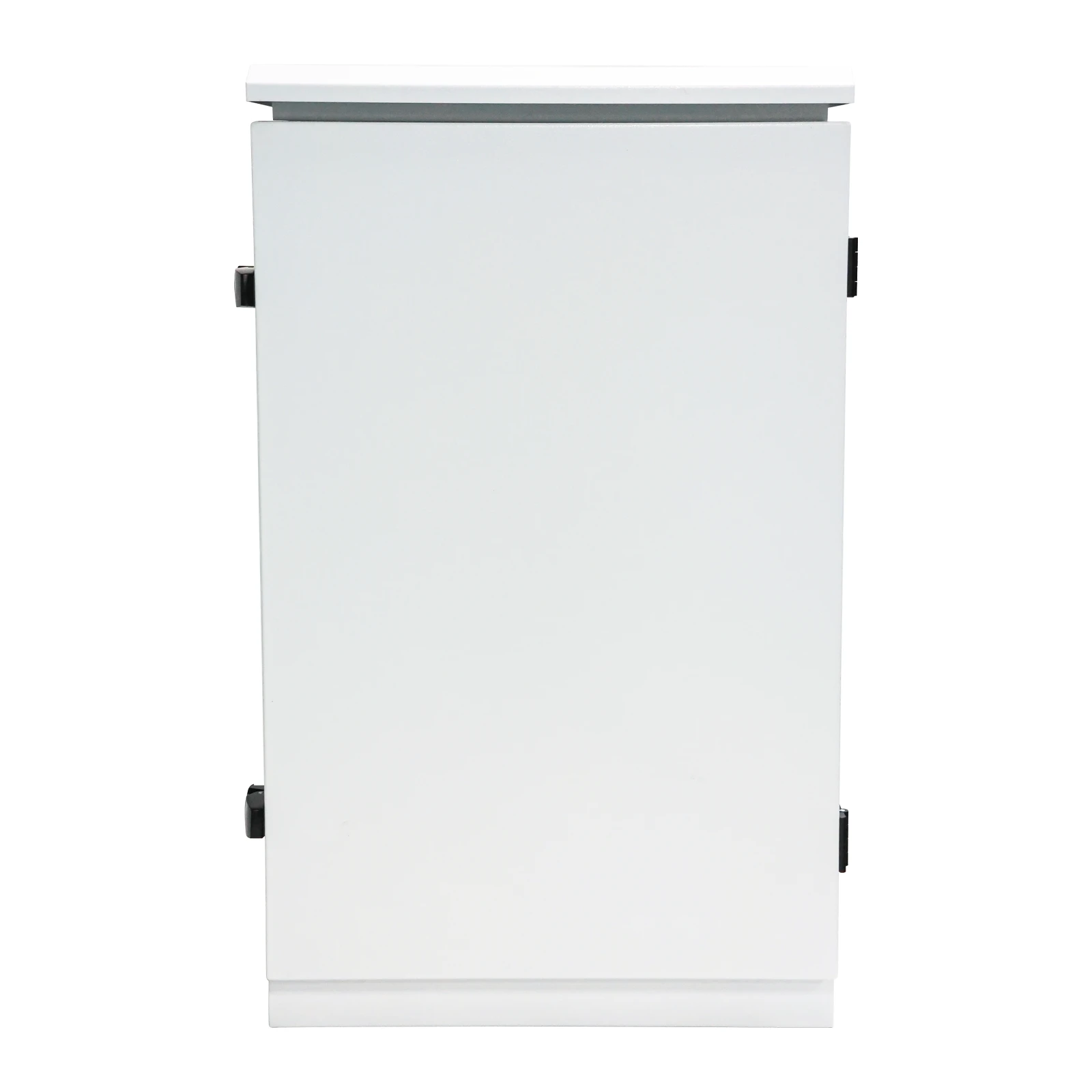
- Robust Enclosure: Critical for protecting internal components from environmental factors (weather, dust, vandalism) and tampering. Often constructed from durable, anti-corrosion materials with specific IP ratings (e.g., IP65, IP66 for outdoor units).
Key Technical Parameters and Specifications:
The performance of a Prison Shielding System is defined by a set of critical technical parameters:
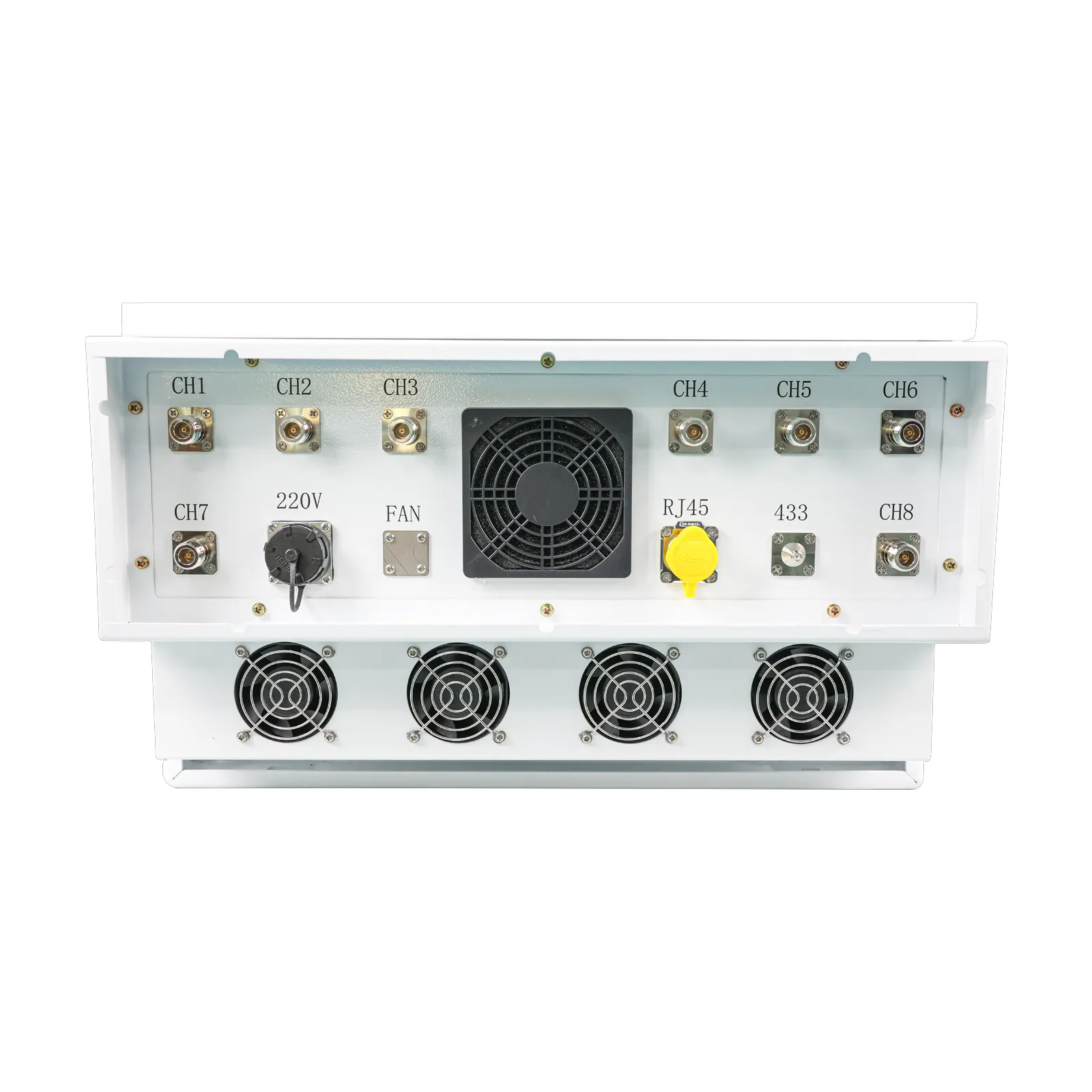
Figure 1: Example of an advanced user interface for a Prison Shielding System, enabling remote monitoring and control.
| Parameter | Specification Range / Description |
|---|---|
| Jamming Frequencies | GSM900/1800/1900, 3G (UMTS 2100), 4G LTE (700/800/1800/2300/2600MHz), 5G (sub-6 GHz: 600/700/1500/2500/3500/3700/4900MHz), Wi-Fi (2.4GHz, 5.2GHz, 5.8GHz), Bluetooth, GPS (L1, L2, L5), GLONASS, Galileo, Beidou, Walkie-talkie (VHF/UHF), Satellite Phones. Customizable bands. |
| Total RF Output Power | 500W to 2000W+ (ERP – Effective Radiated Power). Each band typically 50W-100W per module. |
| Jamming Range | 100m to 500m+ radius, depending on antenna configuration, output power, and environmental factors. Drone jamming effective up to 1-2 km. |
| Jamming Type | White Noise, Swept Jamming, DDS (Direct Digital Synthesis), Smart Jamming (detect-then-jam), GNSS Spoofing (for drones). |
| Antenna Types | Omnidirectional (e.g., 3-5 dBi), Directional (e.g., 9-18 dBi patch or panel antennas), High-gain Yagi for specific drone frequencies. |
| Power Supply | AC 220V/110V (50/60Hz), typically 20A-50A; Integrated UPS for backup. |
| Power Consumption | 1500W to 5000W+ (depending on configuration and active modules). |
| Cooling System | Intelligent forced air cooling with temperature sensors, often redundant fans, advanced heat sinks. Optional liquid cooling for extreme conditions. |
| Operating Temperature | -20°C to +60°C (-4°F to +140°F) for outdoor units. |
| Humidity | 5% to 95% non-condensing. |
| Enclosure Protection | IP65 or IP66 compliant for outdoor environments (dust-tight, protected against powerful water jets). Anti-corrosion aluminum alloy. |
| Control Interface | RJ45 (Ethernet) for remote control and monitoring via TCP/IP, Web UI, SNMP. Optional local LCD/touch screen. |
| Modular Design | Hot-swappable RF modules for easy maintenance and upgrades. |
| Weight & Dimensions | Varies significantly by power and configuration. E.g., 50-200 kg for a full outdoor unit; dimensions up to 1m x 0.8m x 0.5m. |
The selection of specific parameters depends heavily on the facility's size, layout, proximity to civilian areas, and the precise threat assessment. Customization is key to achieving optimal performance while minimizing interference with legitimate external communications.
The Meticulous Craftsmanship Behind a Reliable Prison Shielding System
The reliability and performance of a Prison Shielding System are not merely a function of its raw technical specifications but are deeply rooted in its manufacturing precision, material selection, and rigorous quality assurance processes. This section details the meticulous craftsmanship that goes into producing a system capable of operating continuously in demanding environments.
Materials and Enclosure Manufacturing:
The primary enclosure for outdoor Prison Shielding System units is typically crafted from aerospace-grade aluminum alloy. This material is chosen for its exceptional strength-to-weight ratio, superior thermal conductivity, and inherent resistance to corrosion. The manufacturing process often involves:
- Precision CNC Machining: To achieve exact tolerances for component fitting, thermal management paths, and secure sealing against environmental ingress. CNC machining ensures the uniformity and integrity of each housing.
- Anodization or Powder Coating: Applied after machining to enhance corrosion resistance, UV stability, and provide an aesthetic finish. This protective layer is crucial for long-term outdoor deployment, preventing degradation from harsh weather conditions, including extreme temperatures and humidity.
- Sealing Technologies: High-grade silicon gaskets and robust locking mechanisms ensure an IP65/IP66 ingress protection rating, safeguarding sensitive electronics from dust, moisture, and potential vandalism.
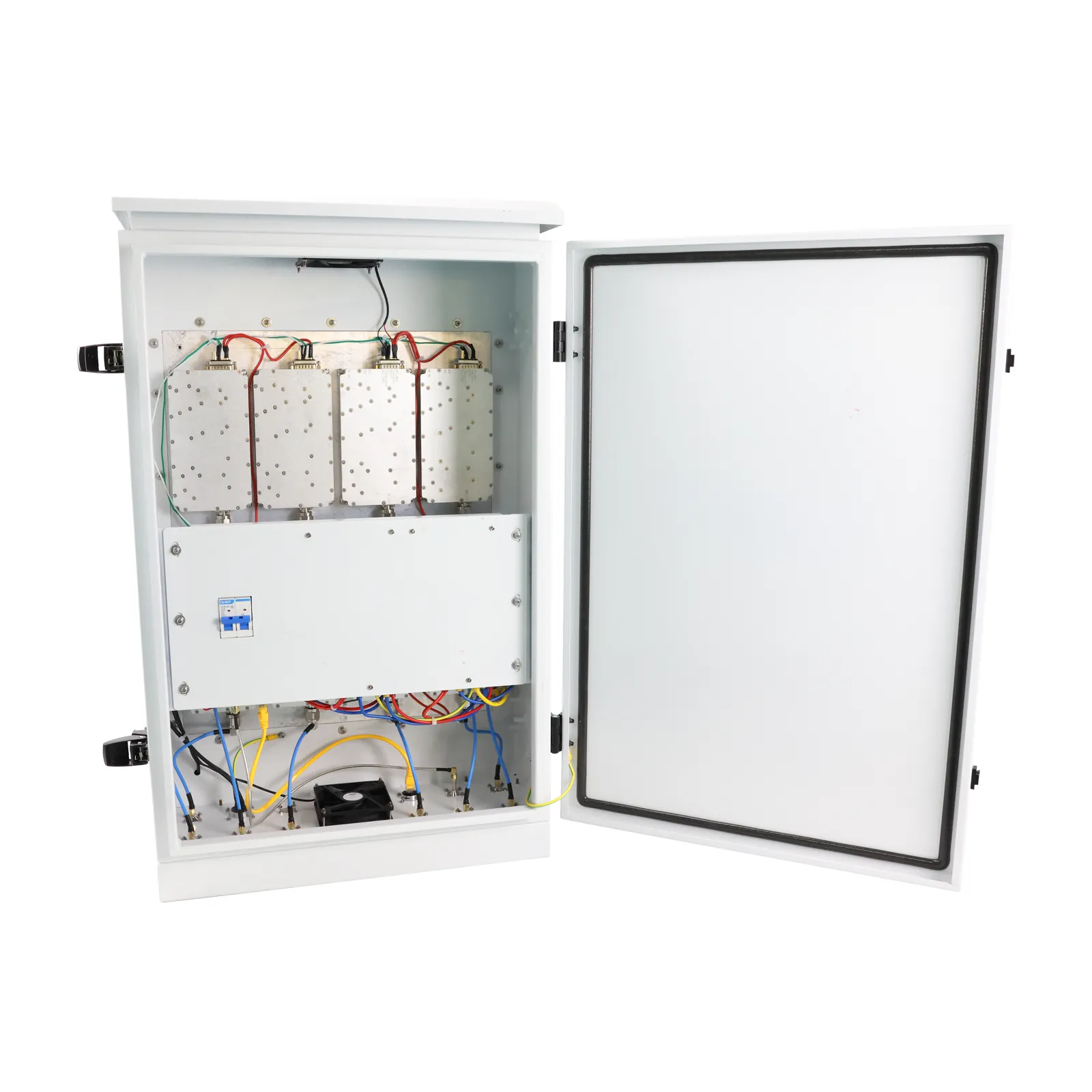
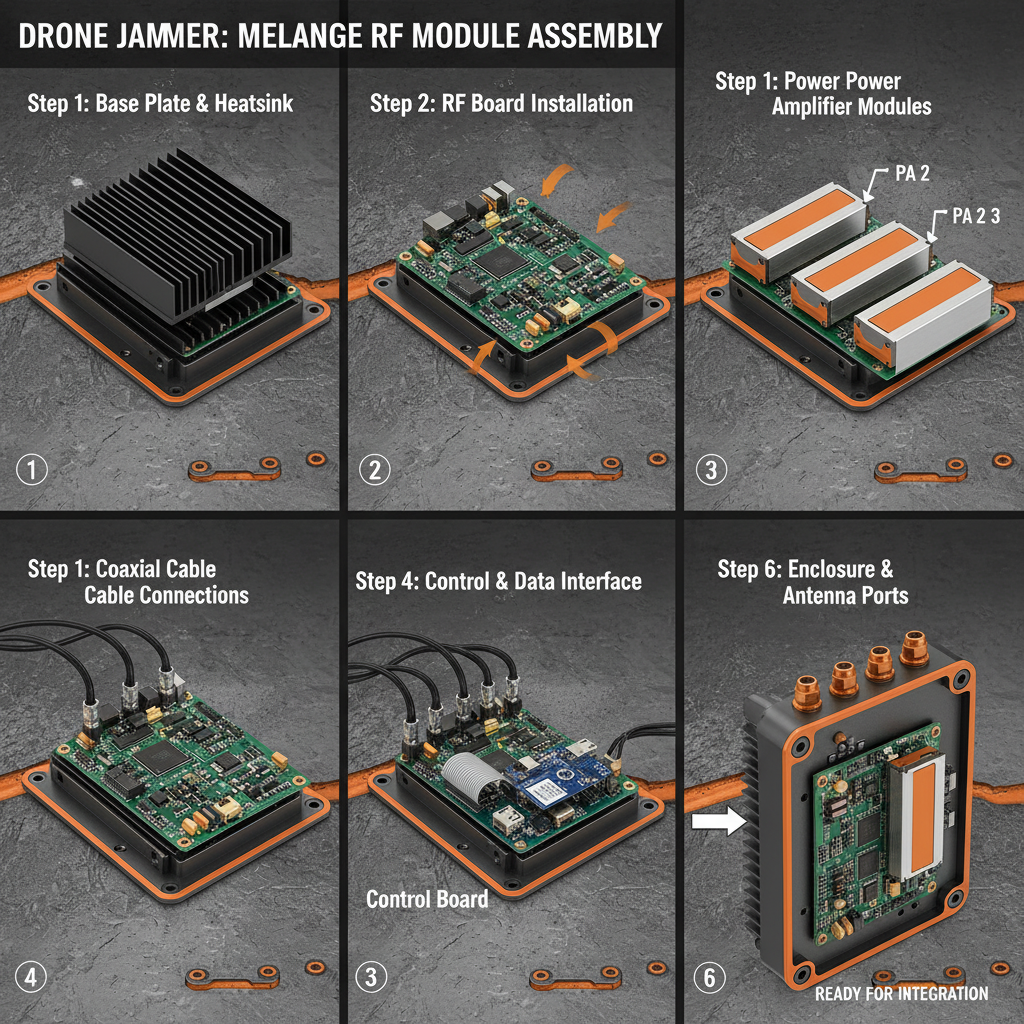
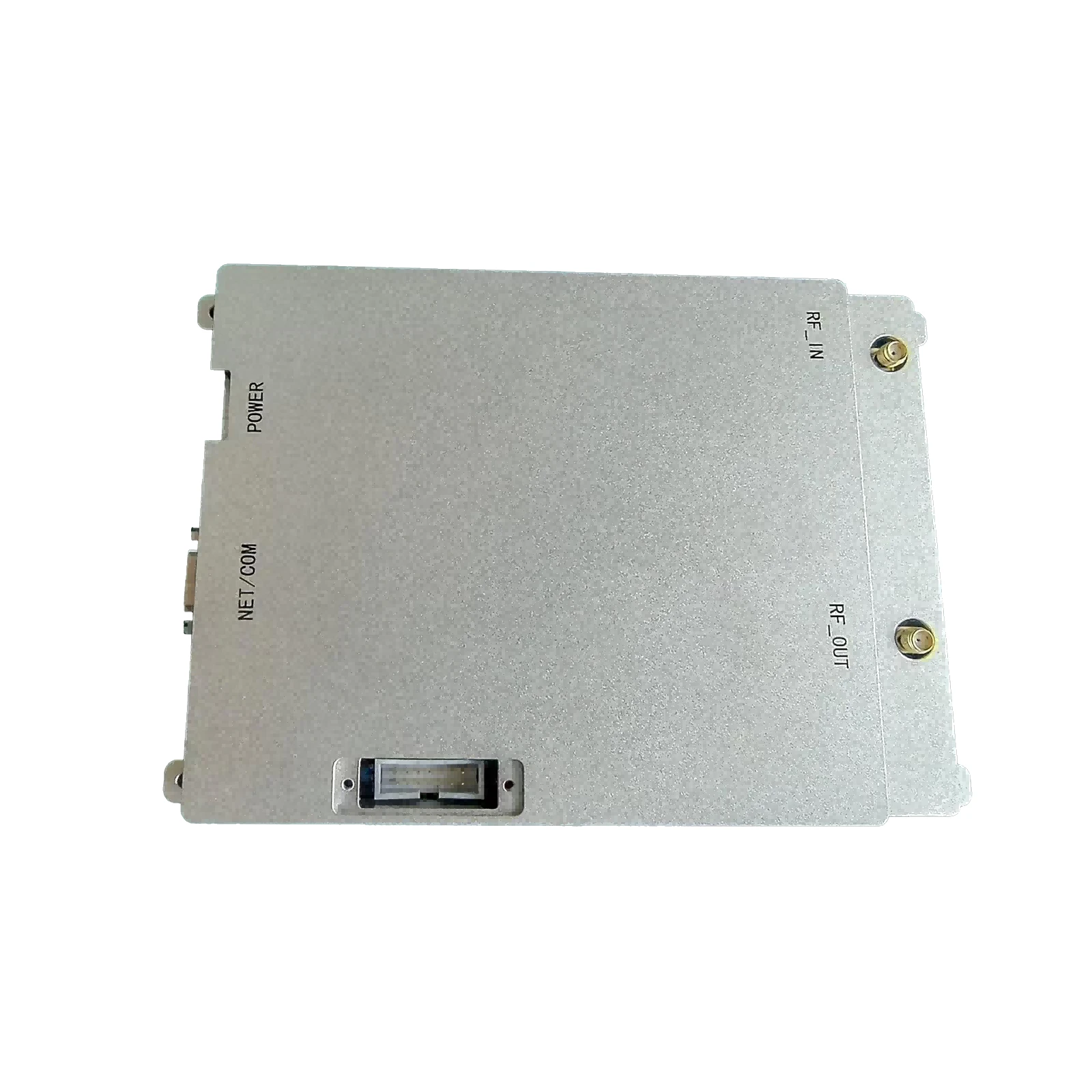
Figure 2: Precision engineering of internal modules within a Prison Shielding System, emphasizing modularity and thermal design.
RF Module and Electronics Fabrication:
The internal RF modules and control boards require highly specialized manufacturing processes to ensure signal purity, power efficiency, and long-term stability:
- PCB Design and Fabrication: Multi-layer Printed Circuit Boards (PCBs) are designed for optimal RF signal integrity, minimizing interference and signal loss. High-frequency laminates are often employed for critical RF paths.
- Automated SMT Assembly: Surface Mount Technology (SMT) assembly uses robotic pick-and-place machines for precise placement of components, including sensitive RF transistors, oscillators, and digital signal processors (DSPs). This automation ensures consistency and reduces human error.
- Component Sourcing: Only industrial-grade, high-reliability components from trusted suppliers are used, ensuring performance across the specified temperature range and operational lifespan.
- Soldering and Rework: Controlled soldering processes (e.g., reflow soldering) and stringent inspection protocols (e.g., Automated Optical Inspection - AOI) ensure robust electrical connections.
Thermal Management Integration:
Heat dissipation is paramount for the longevity and stable operation of high-power RF systems. The manufacturing process incorporates:
- Custom Heat Sink Fabrication: Precision-machined aluminum or copper heat sinks are thermally bonded to RF power amplifiers and processors to efficiently draw heat away.
- Integrated Cooling Channels: Enclosures are designed with internal airflow channels to maximize the efficiency of forced air cooling systems (fans), which are typically industrial-grade, long-life units. Some advanced systems may even use sealed liquid cooling loops for critical components.
- Thermal Paste/Pads: High-performance thermal interface materials are carefully applied to ensure maximum heat transfer efficiency between components and heat sinks.
Rigorous Testing and Quality Assurance:
Every Prison Shielding System undergoes a multi-stage testing and quality control process to meet stringent industry standards:
- Component-Level Testing: Individual RF modules and power supplies are tested for output power, frequency accuracy, spectral purity, and stability.
- Environmental Stress Testing: Units are subjected to extended periods in environmental chambers to simulate extreme operating conditions (e.g., thermal cycling from -20°C to +60°C, humidity exposure) to identify potential failures before deployment.
- Vibration and Shock Testing: To ensure mechanical integrity during transport and long-term operation.
- EMC/EMI Compliance: Testing against standards like FCC Part 15 (for unintentional radiators), CE (European conformity), and other national electromagnetic compatibility regulations to ensure the system does not cause undue interference with other electronic devices.
- Functionality and Performance Verification: Comprehensive system-level tests verify overall jamming effectiveness, remote control functionality, and alarm systems. This includes field testing to ensure specified jamming ranges are achieved.
- ISO 9001 Certification: Manufacturing facilities adhering to ISO 9001 quality management standards ensure consistent product quality and continuous improvement.
The result of this meticulous process is a Prison Shielding System with an extended operational lifespan, typically exceeding 50,000 hours MTBF (Mean Time Between Failures) for key electronic components. The robust design and advanced manufacturing make these systems incredibly reliable and resilient, minimizing maintenance needs and ensuring uninterrupted security coverage.
Strategic Application Scenarios for a Prison Shielding System
The versatility of a Prison Shielding System allows for its deployment in various critical zones within and around a correctional facility, each addressing specific security vulnerabilities. Effective deployment involves a thorough site assessment to tailor the system's configuration to the unique architectural and operational demands of each area.
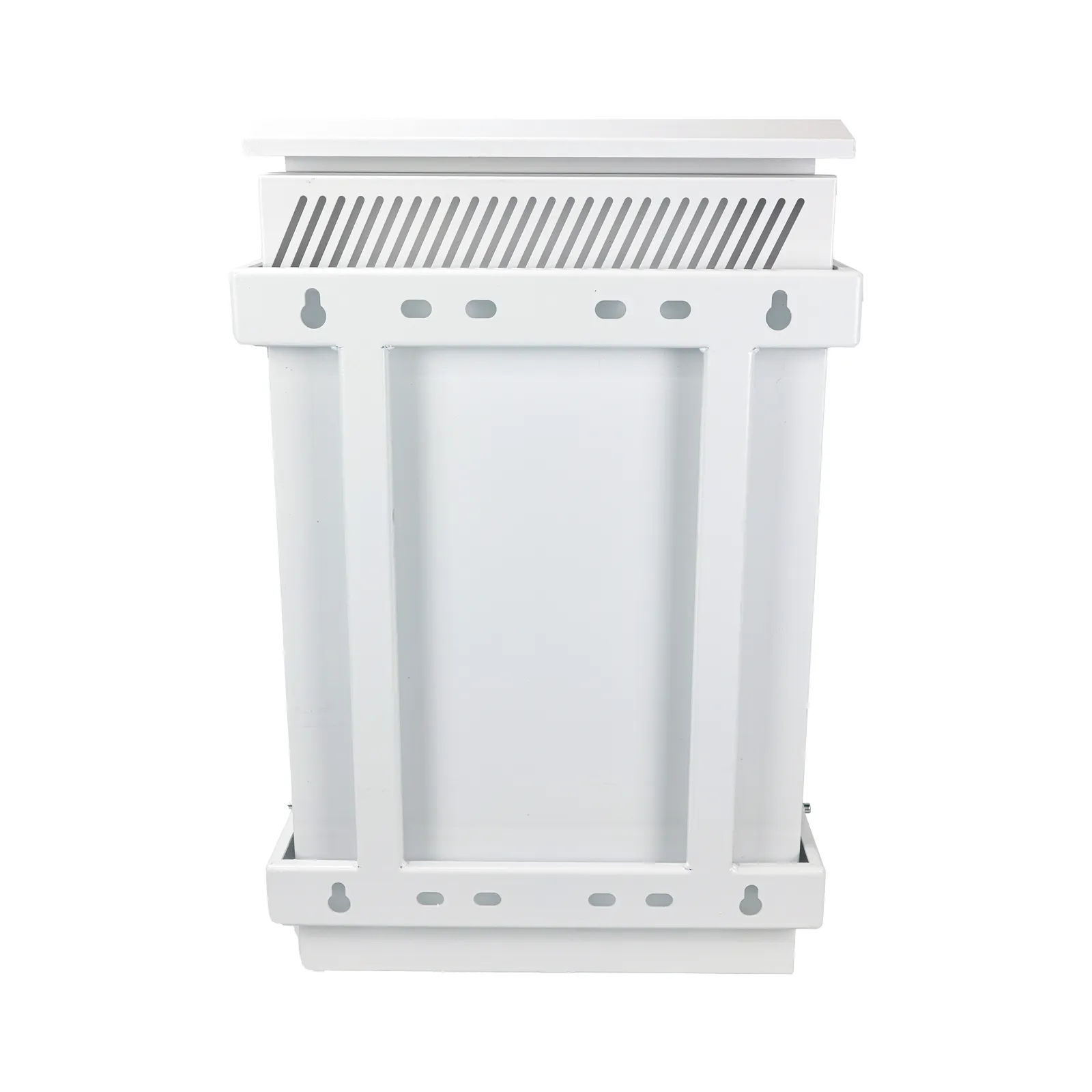
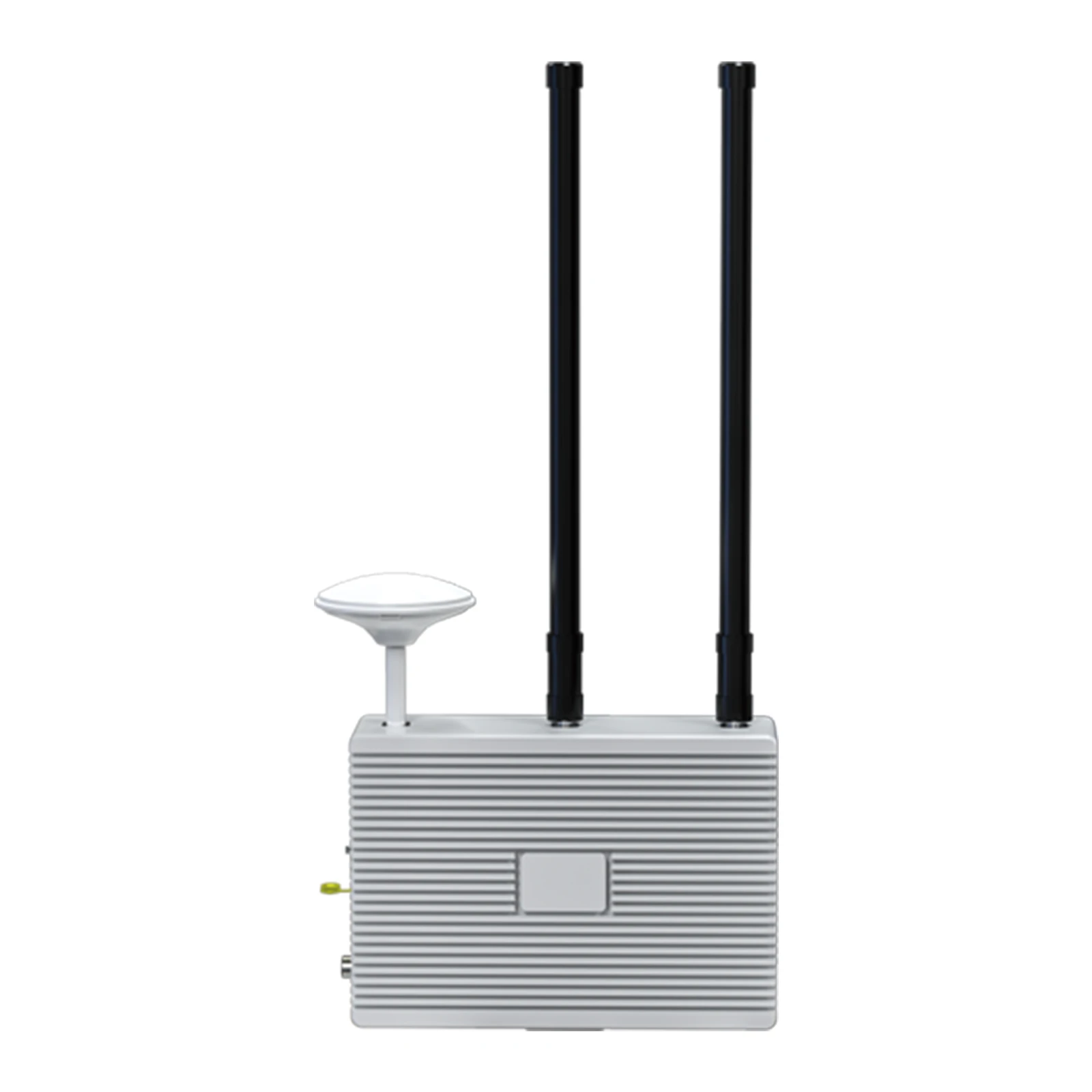
Figure 3: Rear view of a Prison Shielding System unit, highlighting robust connectivity and ventilation, crucial for diverse application environments.
Perimeter Defense: Fortifying the Outer Layer
The outer perimeter is the first line of defense against aerial and ground-based threats. Here, the Prison Shielding System focuses on broad-area coverage and drone neutralization:
- Drone Incursion Prevention: High-power, directional antennas targeting common drone control frequencies (2.4GHz, 5.8GHz) and GNSS (GPS, GLONASS, Galileo) are strategically positioned. This can either force a drone to land safely, return to its operator, or disrupt its flight path, preventing contraband delivery.
- External Communication Blackout: Jamming cellular signals (GSM, 3G, 4G, 5G) extending outwards from the prison walls ensures that attempts to communicate with inmates from outside are thwarted, and external coordination for escapes or contraband drops is disrupted.
- Strategic Placement: Systems are often mounted on guard towers, perimeter fences, or rooftops to maximize line-of-sight and coverage area.
Cell Block and Living Unit Security: Eliminating Internal Communication
Inside the cell blocks, the focus shifts to preventing inmate-to-inmate and inmate-to-external communication via contraband phones. This often requires more localized, targeted jamming to avoid affecting external civilian areas:
- Controlled Zoning: By precisely controlling output power and using carefully chosen antenna patterns (e.g., leaky feeder cables, low-power omnidirectional antennas within specific sections), the system can create "dead zones" for illicit mobile signals while allowing essential staff communications (e.g., two-way radios) to function.
- Mitigating Threats: Prevents inmates from coordinating assaults, initiating riots, engaging in extortion, or accessing external networks for fraudulent activities.
- Modular Deployment: Smaller, modular jamming units can be deployed within individual cell blocks or wings, providing granular control and minimizing overspill.
Visitation Areas and Administrative Zones: Regulated Communication
These areas present unique challenges, as staff and visitors need legitimate access to communication, while preventing illicit inmate activity remains paramount. Smart shielding systems can provide nuanced control:
- Selective Jamming: Advanced systems can be configured to selectively block only specific unwanted frequencies or devices, allowing legitimate staff phones and visitor communications (e.g., Wi-Fi hotspots for visitors) to remain active. This relies on sophisticated signal discrimination capabilities.
- Time-Based Activation: Jamming can be activated only during visitation hours or when certain inmates are present, providing flexibility.
- Data Exfiltration Prevention: Prevents unauthorized transfer of sensitive information via Wi-Fi or Bluetooth in administrative areas.
Recreational Yards and Open Spaces: Comprehensive Coverage
Open-air recreational areas are particularly vulnerable to drone drops and signal reception. Here, a robust Prison Shielding System ensures comprehensive aerial and ground coverage:
- Omnidirectional Protection: High-power omnidirectional jammers provide a wide umbrella of protection against both cellular signals and drone control frequencies across the entire yard.
- Integrated Detection: Often paired with drone detection systems (RF sniffers, radar) that alert security personnel to incoming threats, allowing the shielding system to be fully activated or focused on the detected threat.
- Prevention of Signal Boosting: Mitigates any attempts by inmates to use signal boosters or external antennas smuggled into these areas.
In all these scenarios, the primary advantage of a well-designed Prison Shielding System lies in its ability to offer dynamic, multi-layered defense. It not only disrupts threats but also deters future attempts by making the prison environment a "no-fly zone" for illicit communications and drone operations. The strategic deployment, rather than brute force jamming, ensures efficiency, compliance, and minimal impact on legitimate operations.
Unparalleled Technical Advantages of Advanced Prison Shielding Systems
Beyond simply blocking signals, state-of-the-art Prison Shielding System solutions offer a suite of sophisticated technical advantages that set them apart from rudimentary jamming devices. These benefits translate directly into enhanced security, operational efficiency, and long-term cost savings for correctional facilities.
1. Broadband & Multi-Frequency Coverage: Comprehensive Threat Neutralization
Modern systems cover a vast spectrum of frequencies, from traditional GSM and 3G/4G/5G cellular bands to Wi-Fi (2.4/5.8GHz), Bluetooth, GPS, and various drone control frequencies. This broadband capability ensures that new communication technologies or drone models cannot exploit frequency gaps, providing future-proof protection against evolving threats.
2. Intelligent Jamming Techniques: Precision and Efficiency
- DDS (Direct Digital Synthesis) & SDR (Software Defined Radio): These technologies allow for highly precise, agile frequency hopping and waveform generation. Instead of brute-force noise across a wide band, systems can generate specific jamming signals that effectively disrupt target frequencies with minimal power, reducing heat generation and power consumption.
- Smart Jamming (Detect-and-Jam): Integrated RF scanners can detect active illicit signals, and the system then dynamically allocates jamming power to those specific frequencies, allowing other bands to remain clear. This selective approach enhances energy efficiency and minimizes collateral interference.
- GNSS Spoofing (for Drones): Beyond simple GPS jamming, advanced systems can transmit spoofed GPS signals that trick a drone into believing it's in a different location, leading it to land or return to a "safe" zone rather than simply crashing, enabling forensic analysis and potential capture.
3. Modular and Scalable Architecture: Adaptability and Future-Proofing
The use of hot-swappable RF modules allows for easy maintenance, upgrades, and customization. Facilities can add or remove frequency bands as threats evolve, scale the system up or down in coverage area, and replace individual modules without taking the entire system offline. This significantly reduces downtime and simplifies long-term management.
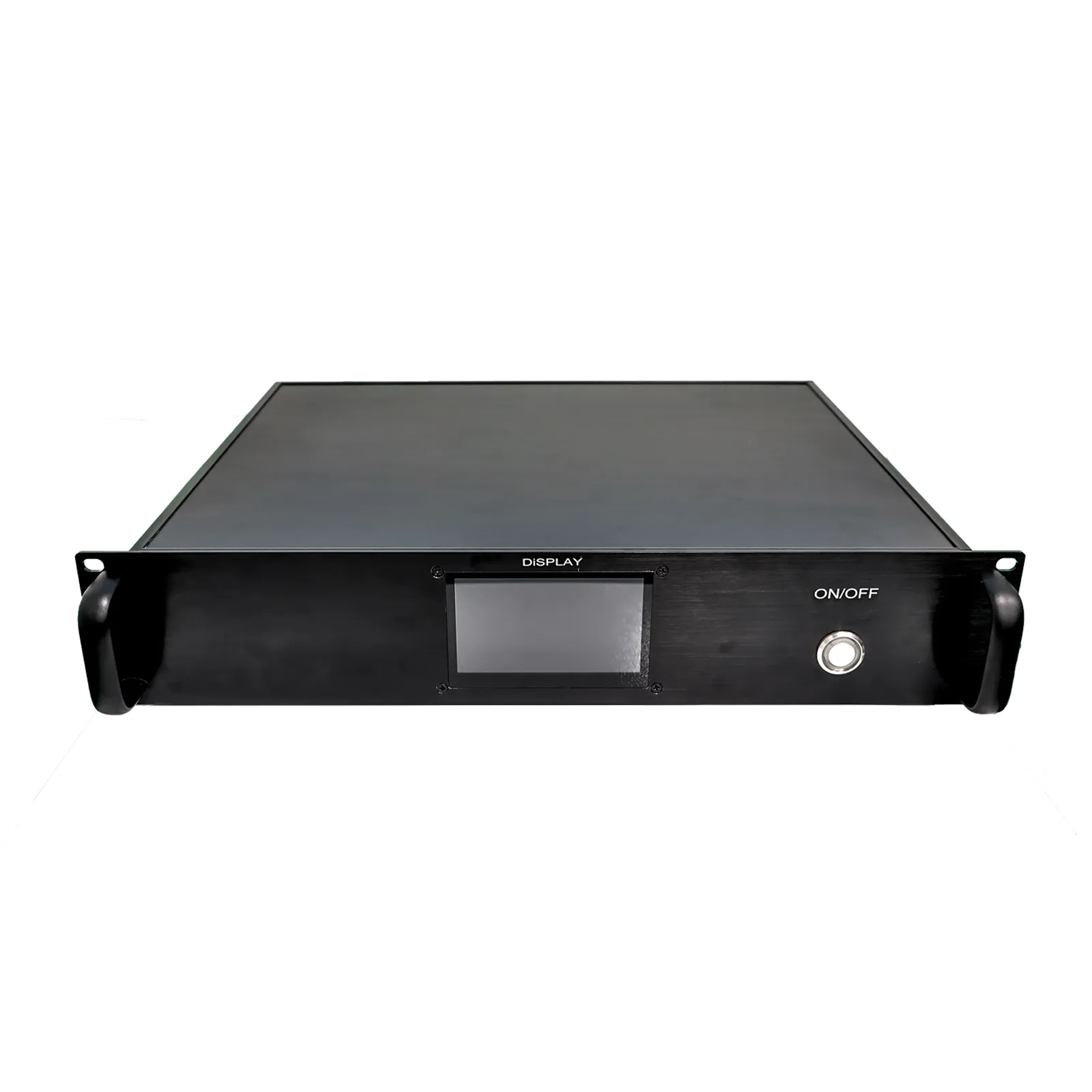
Figure 4: Front panel of a Prison Shielding System, showcasing modular design and antenna connectivity for flexible deployment.
4. Remote Management and Monitoring: Enhanced Operational Control
Centralized control software accessible via a network (Ethernet, fiber optic) or a secure web interface enables real-time monitoring of system status, power levels, temperature, and alarm conditions. Operators can remotely activate/deactivate specific bands, adjust power output, and receive alerts. This minimizes the need for physical inspections and enables rapid response to incidents.
5. Robustness and Environmental Resilience: Uninterrupted Operation
Designed for continuous operation in harsh environments, these systems feature:
- High IP Ratings (IP65/IP66): Ensuring protection against dust, rain, and powerful water jets, vital for outdoor installations.
- Wide Operating Temperature Range: Capable of functioning reliably from extreme cold to intense heat (-20°C to +60°C).
- Anti-Corrosion Materials: Aluminum alloy enclosures with special coatings resist rust and degradation over time.
- Surge Protection & Redundant Power: Built-in safeguards against power fluctuations and optional UPS integration for continuous operation during outages.
6. Minimal Maintenance and Longevity: Reduced Total Cost of Ownership
Due to industrial-grade components, intelligent thermal management, and robust design, these systems require minimal routine maintenance. This translates into significant cost savings over their operational lifespan, typically 10+ years. Remote diagnostics further reduce maintenance effort.
7. Energy Efficiency: Optimized Power Consumption
While high-power systems, advanced designs incorporate features that optimize power consumption:
- Dynamic Power Control: Adjusting output power based on the immediate signal environment, rather than constantly transmitting at maximum power.
- Efficient Amplifiers: Utilizing high-efficiency RF amplifiers that convert more electrical power into RF power, reducing wasted energy as heat.
- Smart Cooling: Fan systems that only activate or increase speed when necessary, minimizing power draw.
These advantages collectively ensure that a state-of-the-art Prison Shielding System is not just a reactive measure but a strategic asset, providing a resilient, adaptable, and cost-effective solution for comprehensive correctional security.
Choosing the Right Partner: Manufacturer Comparison and Customization
Selecting a Prison Shielding System is a significant investment requiring careful consideration of various factors beyond just technical specifications. The choice of manufacturer and their approach to customization, integration, and ongoing support can drastically impact the long-term effectiveness and value of the solution. This section provides a framework for comparison.
Key Differentiators Among Prison Shielding System Providers:
| Factor | Leading Provider (e.g., Drone-System) | Generalist/Budget Provider |
|---|---|---|
| R&D Investment & Innovation | High; Focus on SDR, AI-driven threat intelligence, 5G readiness, advanced counter-drone methods (e.g., GNSS spoofing). Continuous firmware updates. | Low-moderate; Focus on fixed-frequency jamming. Slower to adapt to new cellular generations or drone technologies. |
| Customization Capability | Full customization: site-specific RF planning, modular frequency band selection, integration with existing security platforms, bespoke control software features. | Limited: Offers standard models with few configuration options. May not address unique site challenges effectively. |
| Quality & Durability | Industrial-grade components, ISO-certified manufacturing, extensive environmental testing, high MTBF. Long operational lifespan (10+ years). | Commercial-grade components, basic testing. Shorter lifespan, more prone to failure in harsh conditions. |
| Regulatory Compliance & Ethics | Deep understanding of national telecom regulations. Features like geo-fencing, selective jamming, and lawful interception support. Certified to relevant standards (CE, FCC-compatible). | May lack full compliance features, potentially causing overspill or legal issues. |
| Installation & Integration Support | Comprehensive site surveys, RF planning, professional installation services, integration with VMS/Access Control systems. Dedicated project management. | Basic installation guides; limited integration support, often relies on customer's own IT/security team. |
| After-Sales Support & Warranty | Long-term warranty (e.g., 2-5 years), 24/7 technical support, remote diagnostics, modular component replacement, regular software/firmware updates. | Shorter warranty (e.g., 1 year), limited support hours, often requires sending unit back for repair. |
| Training & Documentation | Extensive on-site training for operators and technical staff. Comprehensive, clear documentation. | Basic user manuals, minimal training. |
The Importance of Tailored Solutions: Customization Process
No two correctional facilities are identical, making a "one-size-fits-all" shielding solution ineffective. A reputable provider of a Prison Shielding System will follow a structured customization process:
- Phase 1: Comprehensive Site Survey & Threat Assessment:
- On-site analysis of architectural blueprints, building materials, and existing security infrastructure.
- RF environment analysis: identification of local cellular towers, Wi-Fi hotspots, and potential overspill risks to nearby civilian areas.
- Drone flight path analysis: identifying common approaches and potential launch sites for aerial threats.
- Identification of specific target frequencies based on local carrier networks and common illicit devices.
- Phase 2: System Design & RF Planning:
- Development of a detailed RF coverage map, indicating optimal placement of jamming units and antenna types (omnidirectional vs. directional, high-gain vs. low-gain).
- Selection of appropriate RF modules and power levels for each zone, ensuring effective jamming without unnecessary overspill.
- Design of the control network (wired or wireless) for remote management.
- Phase 3: Integration & Implementation:
- Seamless integration with existing security systems, such as CCTV, access control, and alarm systems, providing a unified security posture.
- Professional installation by certified technicians, adhering to all safety and regulatory guidelines.
- Phase 4: Calibration, Testing & Handover:
- Fine-tuning of jamming parameters on-site to achieve optimal performance and verify compliance.
- Extensive testing to confirm target areas are effectively shielded and non-target areas remain unaffected.
- Comprehensive training for prison staff on operation, monitoring, and basic troubleshooting.
A truly effective Prison Shielding System is therefore a bespoke solution, meticulously planned and executed by a partner with deep industry expertise, commitment to innovation, and a robust support infrastructure. This ensures maximum security efficacy and long-term operational peace of mind.
Real-World Impact: Application Cases of Prison Shielding Systems
The theoretical advantages of a sophisticated Prison Shielding System translate into tangible security enhancements in diverse correctional environments. While specific client details remain confidential, the following archetypal cases illustrate the transformative impact of these systems.
Case Study 1: High-Security Federal Penitentiary - Drone Interdiction Success
A large federal penitentiary faced a persistent threat from drones attempting to deliver narcotics, mobile phones, and even small tools into the facility. Conventional measures like netting and watchtowers proved insufficient due to the vast perimeter and diverse approach vectors. After a comprehensive site survey, a multi-layered Prison Shielding System was implemented.
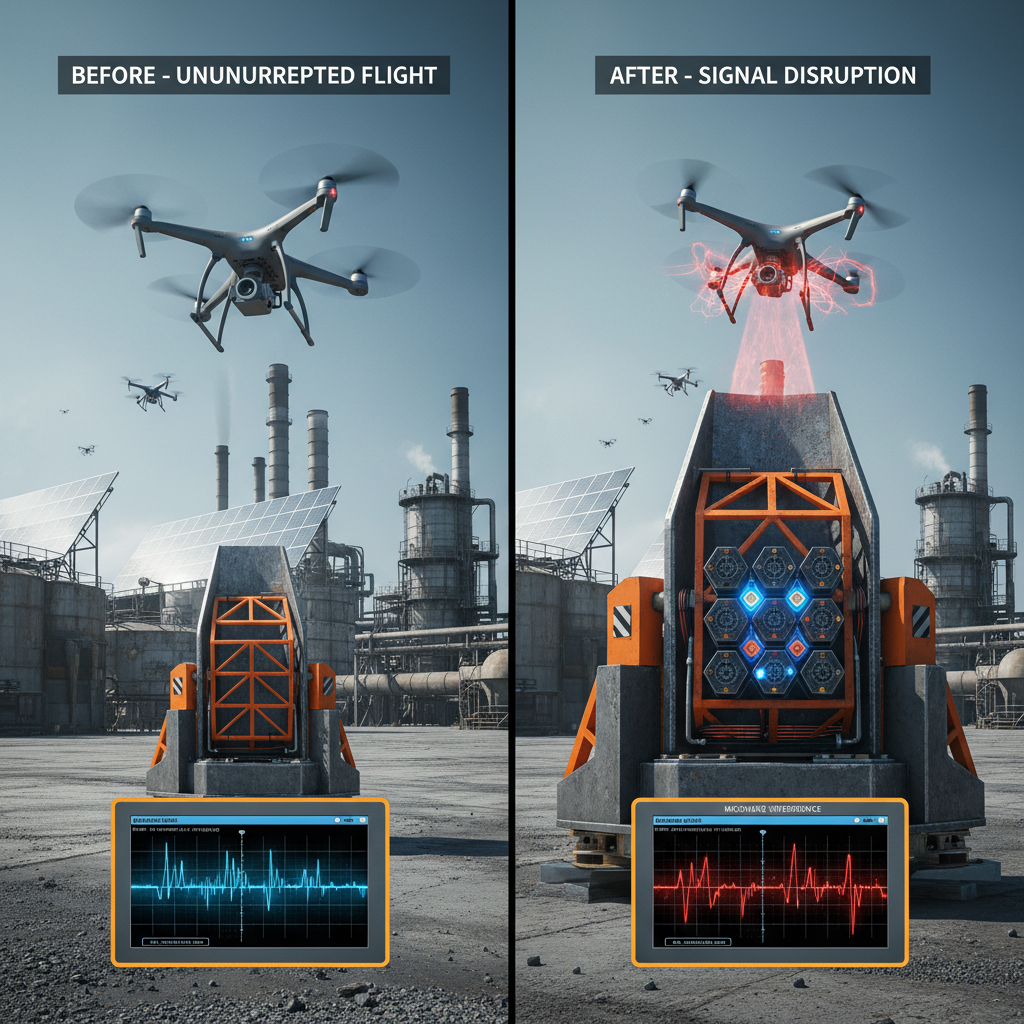
- Solution Implemented: High-power directional drone jamming modules with GNSS spoofing capabilities were strategically placed on perimeter towers, covering a 1.5 km radius. These were integrated with RF detection sensors that provided early warning.
- Outcome: Within the first six months, drone incursions dropped by over 90%. Several drones were forced to land within the prison grounds due to GNSS spoofing, allowing for their capture and forensic analysis. This provided crucial intelligence on external smuggling networks. The facility reported a significant reduction in contraband seizures linked to aerial delivery, enhancing internal security and reducing inmate-on-staff assaults related to drug disputes.
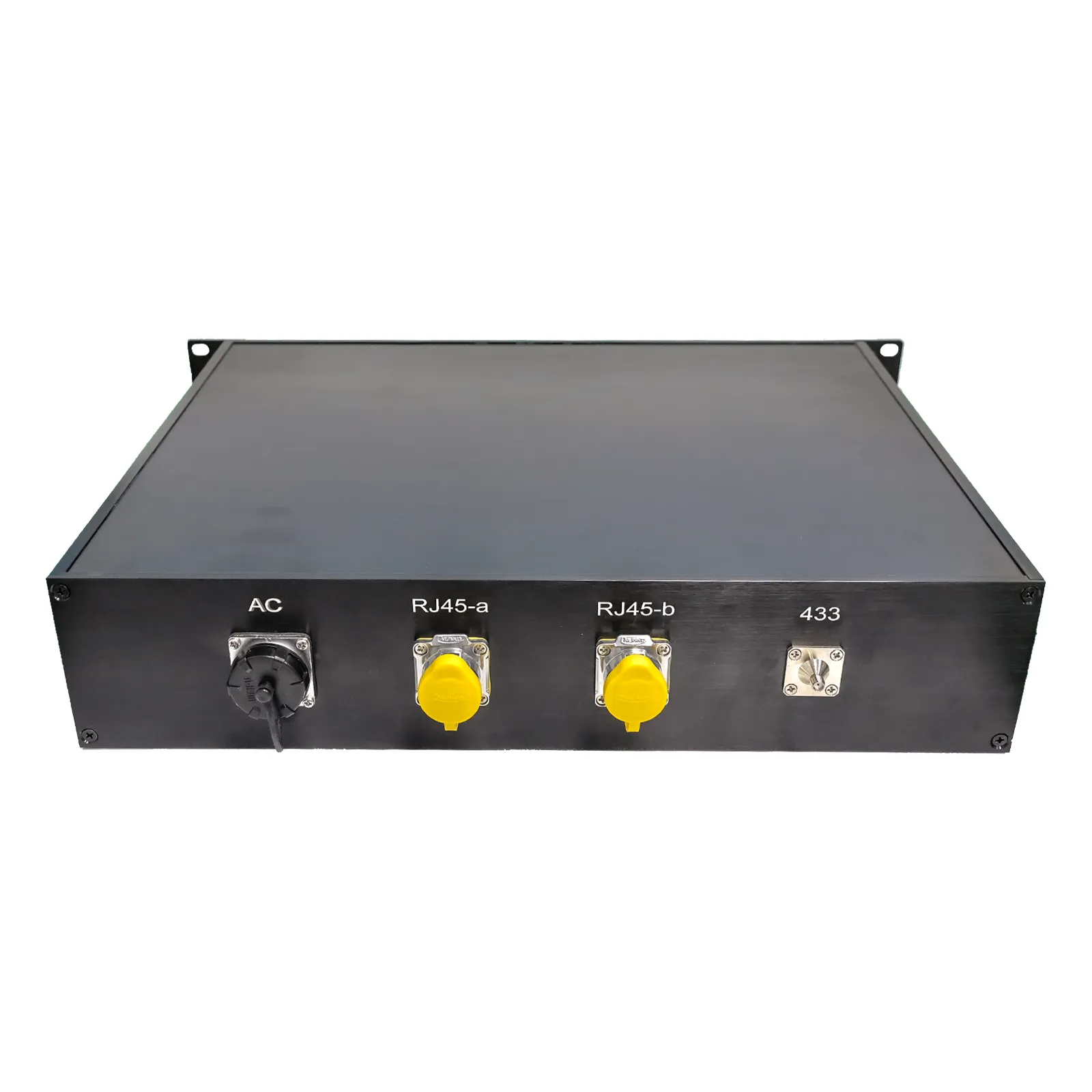
Figure 5: Power and control interface of a Prison Shielding System, illustrating its robust build for critical operations.
Case Study 2: Medium-Security Correctional Facility - Illicit Mobile Communication Shutdown
A medium-security facility struggled with rampant illicit mobile phone use, leading to coordination of internal unrest and external criminal activities. The challenge was to block inmate communications without impacting cellular service for residents in an adjacent residential area.
- Solution Implemented: A "smart" Prison Shielding System with precise RF power control and directional antennas was deployed. Internal cell blocks received low-power, targeted jamming, while outer-facing units used highly directional antennas to focus signals inward. The system was configured to specifically target known cellular bands used by illicit devices, allowing for staff's official radios and emergency lines to remain active.
- Outcome: Mobile phone activity within the inmate population dropped dramatically, with call attempts reduced by over 98% in the first month. Intelligence gathering improved significantly as inmates could no longer coordinate surreptitiously. Crucially, complaints from nearby residents about cellular interference were non-existent, demonstrating the precision of the system's deployment. Staff morale improved due to a safer, more controlled environment.
Case Study 3: Metropolitan Detention Center - Integrated Security Solution
This detention center, located in a densely populated urban area, required a solution that not only blocked illicit communications but also integrated seamlessly with its existing state-of-the-art video surveillance and access control systems.
- Solution Implemented: A modular Prison Shielding System was chosen for its API compatibility. It was integrated into the central security management platform. This allowed security operators to monitor the shielding system's status, receive alerts on potential signal leaks or system malfunctions, and even activate/deactivate specific jamming zones directly from their unified command console.
- Outcome: The integrated approach provided a holistic view of the security posture. Incidents involving unauthorized communication were rapidly detected and addressed. For instance, if a drone was detected by the radar system, the shielding system could automatically intensify jamming in that specific sector. The centralized management significantly streamlined operations and improved response times, validating the benefits of a truly integrated security ecosystem.
These cases underscore that a well-implemented Prison Shielding System is a proactive and indispensable tool in modern correctional management, offering robust defense against evolving threats and contributing significantly to the overall safety and security of facilities.
Ensuring Trust and Reliability: FAQs, Delivery, and Warranty
Establishing trust with correctional facilities and government entities is paramount. A transparent approach to product information, logistics, and post-sales support builds confidence and ensures long-term operational success. This section addresses common concerns and outlines commitment to client satisfaction.
Frequently Asked Questions (FAQs)
-
Q1: Is the Prison Shielding System legal to operate?
A1: The legality of signal jamming devices varies by jurisdiction. Our Prison Shielding System is designed specifically for authorized government and correctional use, adhering to national telecommunications regulations (e.g., FCC regulations regarding federal agency use, specific governmental exemptions in EU countries). We ensure our solutions comply with all applicable laws and assist clients in navigating the regulatory landscape for lawful deployment.
-
Q2: Will the system interfere with external cellular networks or emergency services?
A2: No. Our systems are precisely engineered and site-calibrated to minimize overspill. Through advanced RF planning, directional antennas, and intelligent power control, we create "RF containment zones" that limit jamming to the designated prison perimeter. Furthermore, we can configure specific frequency exclusions to ensure vital services like 911/112 emergency calls and staff radio communications remain operational.
-
Q3: What maintenance does the Prison Shielding System require?
A3: Our systems are designed for high reliability and minimal maintenance. Routine checks typically involve verifying power supply, ensuring cooling fans are clear, and monitoring system status via the remote management interface. Annual or bi-annual professional inspections are recommended to ensure optimal performance and address any potential wear and tear. Modular design facilitates quick replacement of components if needed.
-
Q4: How long does installation take, and what is the typical delivery schedule?
A4: The overall project timeline, from initial consultation to full operational readiness, typically ranges from 8 to 16 weeks, depending on system complexity and site size. This includes detailed site survey (1-2 weeks), system manufacturing and customization (4-8 weeks), shipping (1-2 weeks), and on-site installation and calibration (2-4 weeks). We provide clear project plans and regular updates throughout the process.
-
Q5: What kind of training and support is provided?
A5: We provide comprehensive on-site training for your security and technical staff on system operation, monitoring, and basic troubleshooting. Detailed user manuals and technical documentation are also supplied. Post-installation, we offer 24/7 technical support, remote diagnostics capabilities, and various service level agreements (SLAs) for ongoing maintenance and emergency response.
Delivery, Installation & Commissioning Process
Our commitment extends beyond product delivery to ensuring seamless integration and operational readiness. The process is managed end-to-end:
- Project Planning: A dedicated project manager is assigned to coordinate all phases, including site preparation requirements, logistics, and resource allocation.
- Secure Shipping: Systems are securely packed and shipped via trusted logistics partners to ensure safe delivery to your facility.
- Professional Installation: Our certified technicians or authorized partners handle all aspects of installation, including mounting, cabling, power connection, and antenna alignment.
- System Commissioning & Calibration: Post-installation, the system undergoes rigorous commissioning, including precise RF power calibration and coverage verification, to ensure it meets all specified performance metrics and regulatory requirements.
- Acceptance Testing: We conduct joint acceptance testing with your security team to confirm full operational functionality and effectiveness.
Warranty and Post-Sales Support
We stand by the quality and performance of our Prison Shielding System with a robust warranty and comprehensive support:
- Standard Warranty: A comprehensive 2-year warranty covers parts and labor for manufacturing defects and failures under normal operating conditions. Extended warranty options up to 5 years are available.
- Technical Support: Access to our expert technical support team via phone, email, and a dedicated online portal.
- Software & Firmware Updates: Regular updates are provided to adapt to evolving threats, enhance performance, and introduce new features.
- Spare Parts & Repair: A readily available stock of critical spare parts ensures quick turnaround for repairs. Our modular design philosophy allows for faster component replacement, minimizing downtime.
Our commitment is to be a long-term partner in correctional security, providing not just cutting-edge technology but also the expertise and support necessary to ensure its continuous, effective operation.
Conclusion: Securing the Future of Correctional Facilities
The operational integrity and safety of correctional facilities worldwide are under increasing pressure from technologically sophisticated threats. Illicit mobile communications and unauthorized drone incursions represent significant vulnerabilities that can compromise security, facilitate criminal activity, and endanger both staff and inmate populations. The evolution of these threats demands an equally advanced and adaptable response.
A state-of-the-art Prison Shielding System is more than just a piece of equipment; it is a critical component of a comprehensive security strategy. By deploying cutting-edge RF jamming technologies, intelligent signal processing, and robust, environmentally resilient hardware, these systems create an impenetrable shield against airborne and electronic contraband. Their modular design, remote management capabilities, and precise frequency control ensure effective neutralization of threats while adhering to stringent regulatory requirements and minimizing external interference.
Investing in such a system is a strategic decision that fortifies a facility's defenses, enhances operational control, and significantly contributes to a safer, more orderly environment. As threats continue to evolve, a flexible, future-proof Prison Shielding System from a trusted and experienced provider becomes an indispensable asset, ensuring that correctional facilities can maintain their critical mission of public safety and rehabilitation without compromise.
Authoritative References
- National Institute of Justice. (2018). Drones in Corrections: An Overview of the Threat and Mitigating Strategies. U.S. Department of Justice.
- European Union Agency for Cybersecurity (ENISA). (2020). Cybersecurity of Drone Systems: Challenges and Recommendations.
- Federal Communications Commission. (n.d.). Consumer Alert: Jamming Devices are Illegal. FCC Public Notice.
- IEEE Communications Magazine. (2019). Special Issue on Cellular-enabled UAV Communication.
- Journal of Forensic Sciences. (2021). The Growing Threat of Contraband in Correctional Facilities: Methods of Introduction and Mitigation.

-
 09 March 2021 16 Apr 2026
 -
 09 March 2021 09 Apr 2026
 -
 09 March 2021 07 Apr 2026
 -
 09 March 2021 04 Apr 2026
 -
 09 March 2021 31 Mar 2026
-
 09 March 2021 21 May 2025
 -
 09 March 2021 25 Dec 2024
 -
 09 March 2021 14 Oct 2022
-
 09 March 2021 25 Dec 2024
 English
  Arabic
  Belarusian
  Danish
  Dutch
Dutch  French
  German
  Greek
Greek  Japanese
  Korean
  Myanmar
  Polish
  Portuguese
  Russian
  Spanish
  Swedish
  Thai
Thai  Ukrainian
  Vietnamese