

RF Amplifier Circuit Design Essentials for Industrial Applications
RF Amplifier Circuit Design: Insights from the Industrial Trenches
After spending more than a decade in the industrial equipment sector—where every decibel, watt, and ohm counts—I can't help but appreciate the fine art behind RF amplifier circuit design. It’s not just a matter of stacking transistors or tossing components onto a board. Frankly, it’s about understanding the quirks of real-world signals, power constraints, and environmental stressors that you won't find in textbooks.
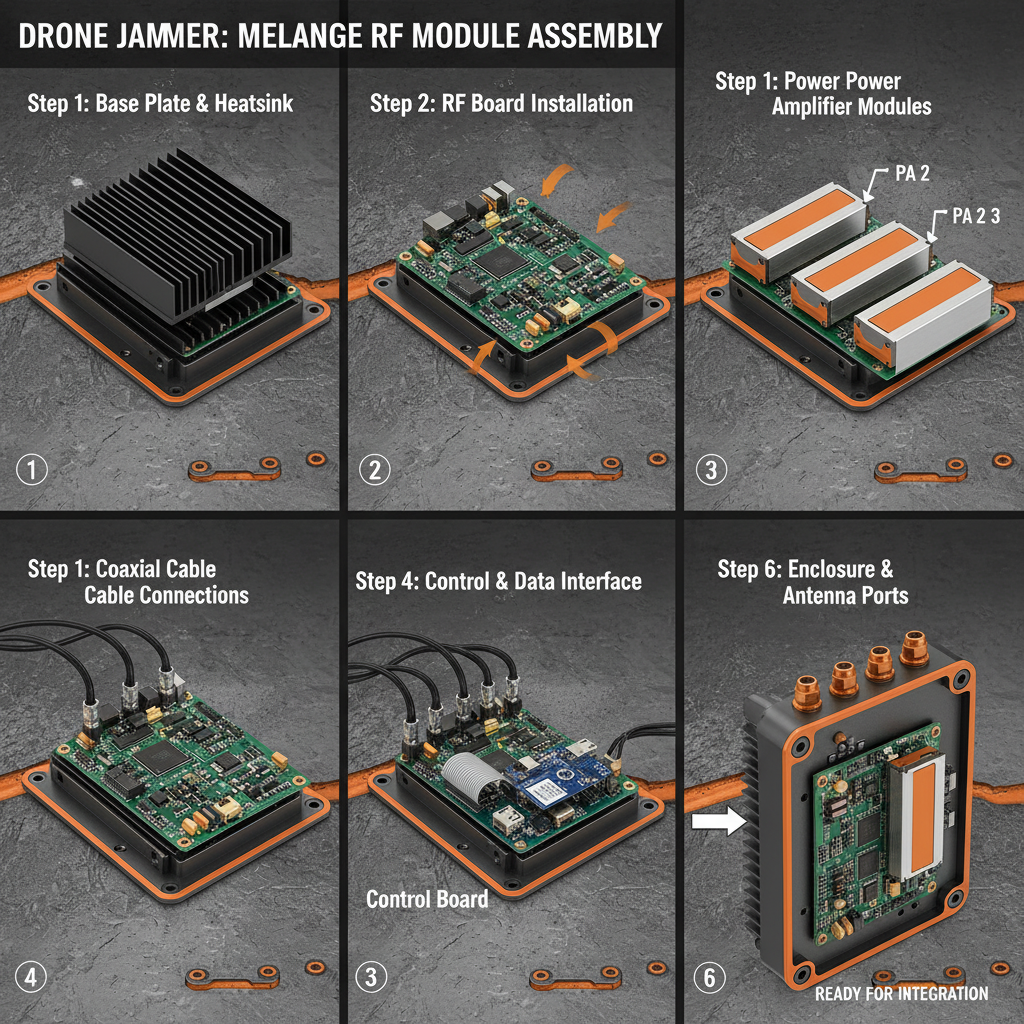
It feels like the complexity starts right at component selection. You have your GaN (gallium nitride) and GaAs (gallium arsenide) transistors, each suited for different frequency bands and power outputs. I recall designing an amplifier for an industrial radar system—oddly enough, choosing GaN gave us nearly 30% higher power efficiency. But that efficiency came at the cost of thermal management challenges, which meant we had to rethink our heat sink design and PCB layout.
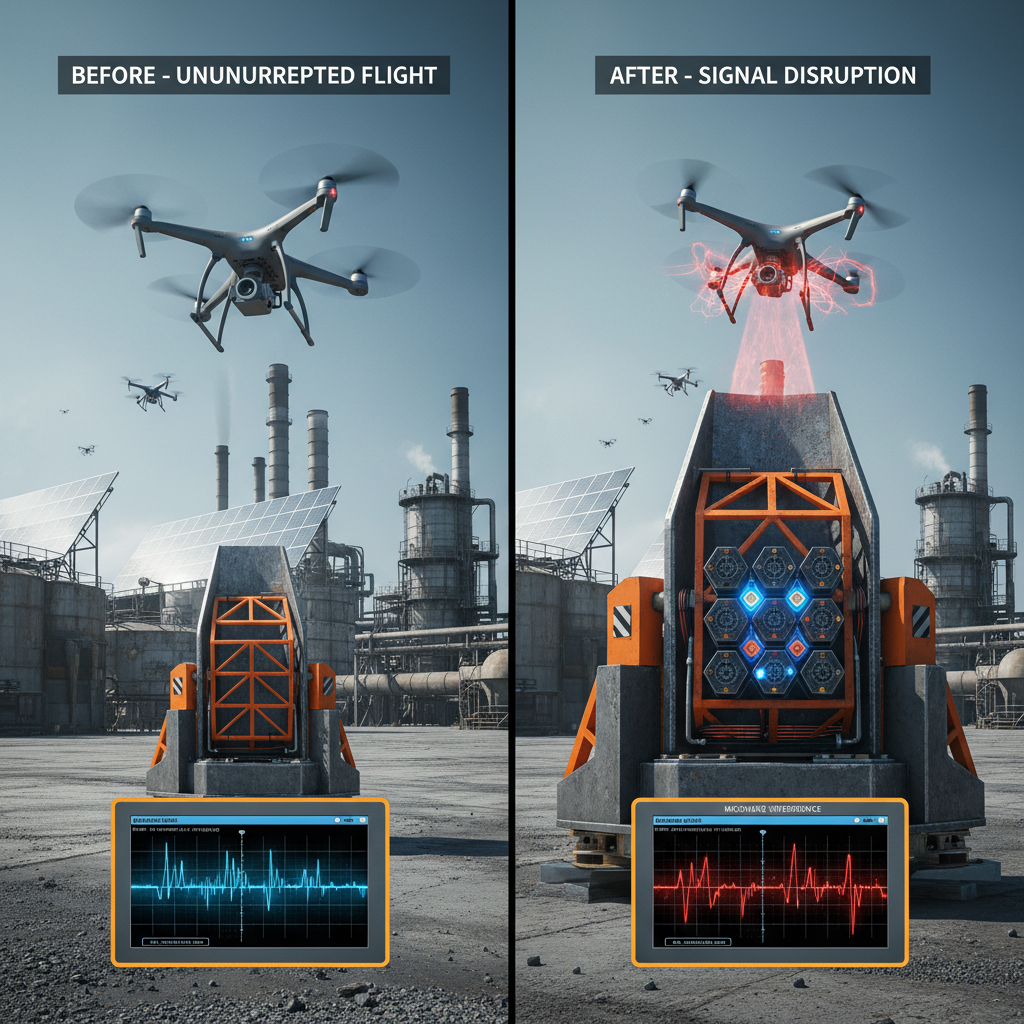
This makes me appreciate why industry pros often say: “Design is testing in disguise.” Testing under realistic operational loads reveals subtle non-linearities and noise floor elevations. One customer story that sticks with me involved a drone communication system struggling with unexpected signal distortion. After weeks of trials, we pinpointed layout parasitics and solved it by rerouting ground planes and switching to low-loss substrates like Rogers 4350B.
Key Specifications of a Typical RF Amplifier for Industrial Use
| Specification | Typical Range | Comments |
|---|---|---|
| Frequency Range | 1 MHz – 6 GHz | Covers broad industrial & communication bands |
| Gain | 20 – 45 dB | Varies by stages & transistor choice |
| Output Power | 1 W to 50 W | Dependent on application and cooling |
| Noise Figure | 3 – 6 dB | Important for sensitive receivers |
| Power Supply | +5V to +28V DC | Flexibility for various systems |
Another point that often gets overlooked is the impact of PCB materials on amplifier performance. In one project, switching from standard FR4 to a high-frequency laminate dramatically reduced insertion loss and enhanced gain flatness. It's subtle, but in real terms, those small gains make a world of difference when the amplifier is inside critical communication gear.
Comparing Top RF Amplifier Vendors for Industrial Solutions
| Vendor | Frequency Range | Max Output Power | Customization Options | Lead Time |
|---|---|---|---|---|
| AmplifyTech Inc. | 500 MHz – 4 GHz | Up to 40 W | Standard modules only | 4-6 weeks |
| RF Dynamics | 1 MHz – 6 GHz | Up to 50 W | Highly customizable | 6-8 weeks |
| SignalForge | 100 MHz – 3 GHz | Up to 25 W | Limited custom options | 3-5 weeks |
When choosing a vendor, it’s worth asking about design support and post-sale testing services. This industry is very unforgiving of surprises—so having engineers who understand nuances makes a big difference, kind of like having an experienced pit crew in motorsports.
If you’re diving into RF amplifier circuit design for your system, keep in mind there’s no “one size fits all.” Power, linearity, noise figure, and thermal factors must align with your end application. I suppose that kind of tailoring is what makes this field both challenging and rewarding — it’s a continual puzzle.
In the end, solid RF amplifier design is about marrying component expertise, thoughtful layout, and lots of real-world testing to wring out the best performance possible.
References:
- "RF Circuit Design", Christopher Bowick, 2017
- Industry whitepapers from IEEE and Microwave Journal, 2021
- Practical thermal management tips from Texas Instruments application notes

-
 09 March 2021 16 Apr 2026
 -
 09 March 2021 09 Apr 2026
 -
 09 March 2021 07 Apr 2026
 -
 09 March 2021 04 Apr 2026
 -
 09 March 2021 31 Mar 2026
-
 09 March 2021 21 May 2025
 -
 09 March 2021 25 Dec 2024
 -
 09 March 2021 14 Oct 2022
-
 09 March 2021 25 Dec 2024
 English
  Arabic
  Belarusian
  Danish
  Dutch
Dutch  French
  German
  Greek
Greek  Japanese
  Korean
  Myanmar
  Polish
  Portuguese
  Russian
  Spanish
  Swedish
  Thai
Thai  Ukrainian
  Vietnamese