

RF in Op Amp: Unlocking High-Frequency Amplifier Potential | Expert Guide
Understanding RF in Op Amp: A Key to Modern Electronics
In the realm of electronics, the term rf in op amp often comes up when designing circuits that handle high-frequency signals. It’s a bit like the unsung hero of radio frequency (RF) applications: while operational amplifiers (op amps) have their bread-and-butter at low frequencies, integrating RF capabilities opens doors to countless innovations—from wireless communication to precision instrumentation. Grasping how RF interacts with op amps isn’t just a niche curiosity; it’s central to enabling technologies that serve industries globally, from telecommunications hubs in Asia to aerospace firms in North America.
Why does this topic matter on a global scale? According to the International Telecommunication Union (ITU), over 5 billion people worldwide rely on wireless communications daily — many of which hinge on circuits employing op amps with RF considerations. Understanding the balancing act of RF parameters within op amps can lead to more efficient, reliable devices that improve everything from emergency response systems to everyday consumer tech.
Mini takeaway: Mastering RF in op amps isn’t just academic – it’s fundamental in shaping our connected world and pushing the boundaries of electronic design.
The Global Context: Why RF in Op Amps Matters Today
If you zoom out, electronics — particularly RF-enabled ones — drive the backbone of economic development worldwide. From the Internet of Things devices tracking climate stats in Africa to 5G rollouts in Europe and Asia, the demand for optimized RF components is sky-high. The op amp, a classic and versatile building block of analog circuits since the mid-20th century, has evolved to meet these demands.
However, it faces significant challenges at RF frequencies: gain drops, phase shifts, unwanted parasitic inductances, and noise all conspire to degrade performance. The ISO 15652 standard touches on the importance of maintaining signal integrity across RF components — something engineers wrestling with op amps simply can't ignore. In fact, balancing these factors affects not just component designers but entire industries relying on signal fidelity, from satellite communications to defense systems.
Mini takeaway: The clash between traditional op amp designs and the demands of high-frequency RF applications is a global design puzzle with big economic and social stakes.
What Does RF in Op Amp Mean?
Let's break it down. “RF in op amp” refers to how an operational amplifier behaves when it’s exposed to radio frequency signals or operates within RF circuits. While op amps traditionally excel in low-frequency (audio or control) domains, when pushed into the RF spectrum — say, tens of MHz or higher — unexpected effects arise.
These can include gain roll-off, output impedance issues, or phase distortion. To designers, understanding this means tweaking the device or circuit so the op amp can function effectively within RF applications without succumbing to instability or noise.
Functionally, it’s about bridging low-frequency analog prowess with the high-frequency agility demanded by modern telemetry, radar, or wireless sensor networks. The growing interconnectedness of devices means this junction between RF performance and op amp design will only grow more critical.
rf in op amp is not just technical jargon — it’s a gateway to improving sensitive, high-speed analog circuits.
Mini takeaway: RF in op amp involves the delicate art and science of making operational amplifiers play nice with radio frequencies, ensuring signal clarity and circuit stability.
Key Factors Influencing RF Performance in Op Amps
1. Gain Bandwidth Product (GBP)
The GBP denotes the frequency at which an op amp’s gain drops to 1. At RF, high GBP is critical for maintaining adequate gain without distortion. Many standard op amps hit their limits, so specialized RF op amps boast GHz-range GBPs. This parameter often dictates what applications a particular op amp can serve.
2. Input and Output Impedance
Mismatches here cause reflections and signal loss, which can be catastrophic in RF scenarios. Designers must carefully align impedances to maintain efficient signal transfer and minimize noise.
3. Noise Figure
Even a tiny amount of noise can swamp a weak RF signal. Low noise op amps or amplifiers with optimized RF front-end parameters preserve signal integrity, vital in environments like satellite receivers or medical imaging devices.
4. Stability and Phase Margin
RF signals’ high frequencies can easily make op amps oscillate or produce ringing if stability parameters aren’t tuned. Careful frequency compensation and layout design are the name of the game here.
5. Power Consumption & Heat Dissipation
Running at high frequencies generally means more power and heat – a particular concern in compact or remote systems. Balancing power efficiency without sacrificing performance is an ongoing challenge.
6. Packaging and Parasitic Elements
Rugged, small footprint packages reduce parasitic capacitance and inductance, which distort RF signals. Innovations like chip-scale packaging help push op amps further into RF territory.
Mini takeaway: To excel at RF, op amps must satisfy a delicate cocktail of gain, impedance, noise, stability, and thermal factors — a technical tightrope that defines design success.
How RF in Op Amp Shapes Global Industries and Use Cases
The practical impact of RF in op amp extends far beyond the lab bench:
- Telecommunications: From 4G/5G base stations to IoT sensor hubs, op amps designed for RF handle data amplification and filtering, ensuring crisp, fast connections worldwide.
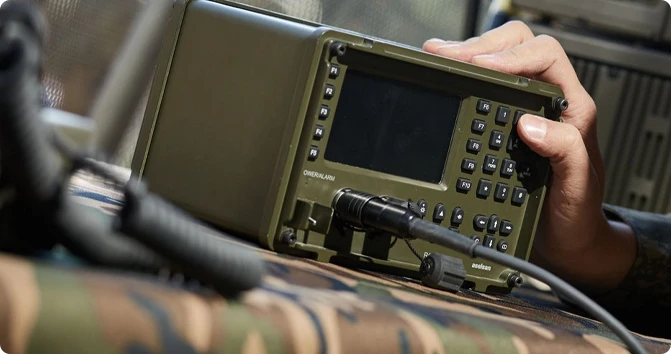
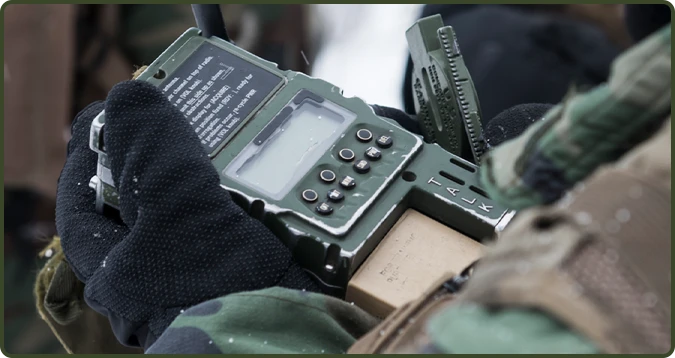
- Aerospace & Defense: Radar, satellite comms, and secure military radios rely on RF-optimized op amps to enhance signal clarity and resilience in harsh environments.
- Medical Equipment: Imaging and diagnostic tools use RF op amps to boost weak signals from sensors, enabling earlier and more accurate detection.
- Industrial Automation: Remote, sensor-heavy zones in oil fields or manufacturing plants benefit from RF-enabled op amps for reliable wireless monitoring and control.
- Post-Disaster Relief: Temporary communication networks and drones leveraging RF op amps help coordinate rescue efforts in areas where wired infrastructure is devastated.
Mini takeaway: From lives saved in emergencies to your daily smartphone call, RF in op amp technology underpins a huge swath of modern life’s connectivity and safety.
Advantages and Long-Term Value of RF-Optimized Operational Amplifiers
When implemented expertly, RF in op amps brings measurable benefits:
- Cost Efficiency: Integrating high-frequency capability into a single op amp reduces component count and manufacturing complexity.
- Sustainability: Efficient designs mean less power wasted as heat — crucial for battery-operated or solar-powered devices.
- Reliability: Enhanced stability and noise performance yield fewer system failures and longer product lifespans.
- Social Impact: Improved communication hardware promotes better information flow in underserved regions, enhancing education, healthcare, and safety.
- Innovation: RF-capable op amps enable next-gen product designs from wearable tech to autonomous vehicles.
There’s also an emotional weight — the comfort of knowing your device won’t drop a crucial call or sensor reading at a vital moment builds trust and assurance.
Mini takeaway: RF=optimized op amps transform circuits into cost-effective, energy-wise, and dependable components that empower both industry leaders and everyday consumers.
Technology Trends Shaping the Future of RF in Op Amps
The field is evolving fast, with several exciting trends:
- Green Energy Integration: Designing ultra-low-power RF op amps for solar-powered IoT devices expands deployment options in remote areas.
- Digital Transformation: Hybrid analog-digital op amps that adapt frequency response dynamically for smarter signal processing.
- Advanced Materials: Using gallium nitride (GaN) and silicon carbide (SiC) semiconductors boosts frequency range and power handling.
- Automation & AI: Machine learning to optimize layout and component selection for RF op amps tailored to specific applications.
Mini takeaway: Tomorrow’s RF op amps will be smarter, greener, and more adaptable — a promising horizon for engineers and end-users alike.
Challenges in RF Op Amp Design and How Experts Are Addressing Them
Let's be honest — RF in op amp design isn’t cakewalk. Mostly, the headaches cluster around:
- Signal Distortion: Countered with improved compensation techniques and feedback architectures.
- Thermal Management: Advanced packaging and heat spreaders keep devices cool under load.
- Manufacturing Variability: Tight testing protocols ensure consistency even at high frequencies.
- Integration Complexity: Modular designs let engineers pick and mix solutions, easing customization.
Developers today use mixed-signal simulators, high-speed test benches, and iterative prototyping to tame these challenges.
Mini takeaway: Cutting-edge tools and clever engineering are steadily making RF-ready op amps more accessible and reliable.
Product Specification Table: Typical RF Op Amp Parameters
| Parameter | Typical Range | Description |
|---|---|---|
| Gain Bandwidth Product (GBP) | 200 MHz – 3 GHz | Frequency range where gain = 1 |
| Input Noise Voltage | 0.5 – 5 nV/√Hz | Low noise crucial for sensitive signals |
| Input Impedance | 10 kΩ – 1 MΩ | Designed for RF signal matching |
| Power Supply Range | 3 V – 12 V | Supports low and standard voltage designs |
| Operating Temperature | -40°C to +85°C | Suitable for industrial and harsh environments |
| Package Type | SOT-23, QFN, SOIC | Compact, low-parasitic physical formats |
Vendor Comparison Table: Leading RF Op Amp Manufacturers
| Vendor | Typical GBP | Noise Performance | Power Range | Notable Products |
|---|---|---|---|---|
| Texas Instruments | Up to 1.5 GHz | Low (~1 nV/√Hz) | 3 – 12 V | OPA847, THS3091 |
| Analog Devices | Up to 3 GHz | Ultra-Low (~0.5 nV/√Hz) | 3 – 10 V | ADA4817, ADA4899 |
| Maxim Integrated | Up to 700 MHz | Moderate (~2 nV/√Hz) | 3.3 – 5 V | MAX4238, MAX4107 |
| ON Semiconductor | Up to 500 MHz | Low (~1.5 nV/√Hz) | 3 – 12 V | NCS20010, NCS20011 |
Frequently Asked Questions About RF in Op Amp
- Q: What differentiates an RF op amp from a standard op amp?
- A: RF op amps are specifically designed to operate effectively at high frequencies, meaning they have higher gain bandwidth products, better noise performance, and optimized input/output impedances compared to standard op amps suited for low-frequency signals.
- Q: Can I use a standard op amp for RF applications?
- A: Generally, standard op amps struggle with stability and gain at RF. While they might work in low MHz ranges, true RF applications usually require specialized devices to avoid signal distortion and instability issues.
- Q: How do packaging and layout affect RF op amp performance?
- A: Packaging impacts parasitic elements such as capacitance and inductance, which can detune RF performance. Careful printed circuit board (PCB) layout techniques and compact, low-parasitic packages are vital for maintaining signal integrity at RF frequencies.
- Q: Are RF op amps more expensive, and why?
- A: Yes, typically they cost more due to specialized semiconductor processes, tighter testing, and packaging requirements. The advanced specs and reliability justify the premium in demanding applications.
Conclusion: Why RF in Op Amp Is a Must-Know for Innovators
Delving into rf in op amp territory is more than a technical exercise; it’s an investment in future-proof design that supports connectivity, efficiency, and reliability. As global industries press toward higher frequency, faster data, and smaller footprints, mastering these concepts empowers engineers and companies to lead the pack.
If you’re intrigued by expanding your circuit’s capabilities, there’s no better time to explore RF op amps and incorporate their benefits into your projects. Visit us at https://www.drone-system.com to learn more about components, design tips, and innovations in this exciting field.
References:
1. Operational amplifier - Wikipedia
2. ITU Telecommunications Statistics
3. ISO 15652 - High Frequency Components

-
 09 March 2021 16 Apr 2026
 -
 09 March 2021 09 Apr 2026
 -
 09 March 2021 07 Apr 2026
 -
 09 March 2021 04 Apr 2026
 -
 09 March 2021 31 Mar 2026
-
 09 March 2021 21 May 2025
 -
 09 March 2021 25 Dec 2024
 -
 09 March 2021 14 Oct 2022
-
 09 March 2021 25 Dec 2024

 English
  Arabic
  Belarusian
  Danish
  Dutch
Dutch  French
  German
  Greek
Greek  Japanese
  Korean
  Myanmar
  Polish
  Portuguese
  Russian
  Spanish
  Swedish
  Thai
Thai  Ukrainian
  Vietnamese