

Jan . 25, 2026 02:00
RF Module Selection Guide for Industrial Applications
Choosing the Right RF Module Manufacturer
It’s funny, you know, how often people underestimate the importance of a good RF module. It's not sexy like, say, the mechanics of a drone’s flight control system. But frankly, without a reliable radio link, all that sophisticated engineering is just…grounded. I’ve spent the last fifteen years or so working with industrial equipment—everything from automated guided vehicles to, increasingly, drone-based inspection systems—and I've seen firsthand how a poorly chosen RF module can bring a whole operation to a halt. The nuances are often lost on folks who aren't dealing with signal integrity and interference on a daily basis. It's a surprisingly complex field.Understanding RF Module Specifications & Design
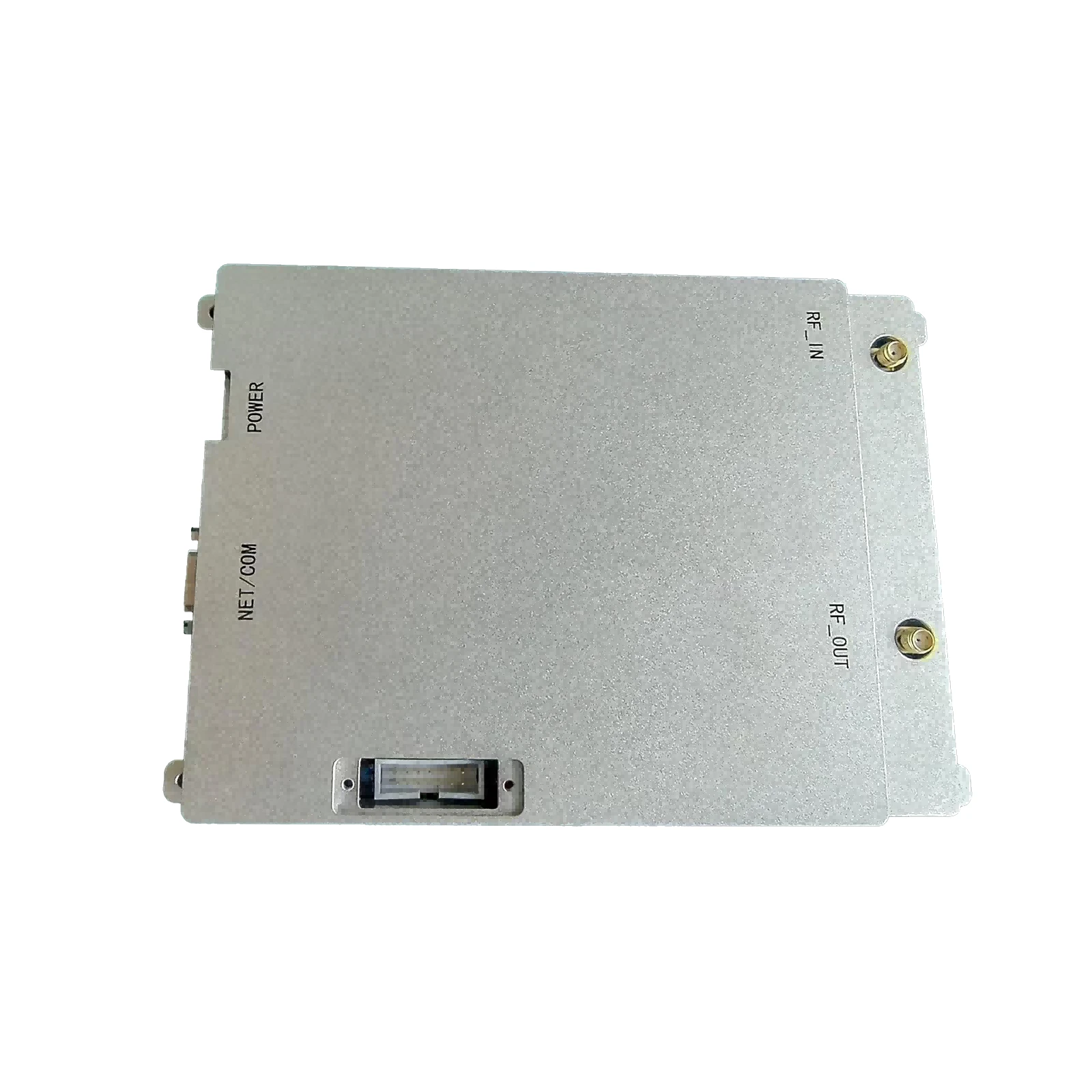
Now, let's get a bit more specific. What makes a good RF module? Well, it starts with understanding the specifications. It’s not just about frequency range, though that's critical, of course. You've got to look at things like transmit power, receiver sensitivity, modulation schemes, antenna compatibility... the list goes on. Material selection is huge, too. A module encased in cheap plastic isn't going to last long in a harsh industrial environment, frankly. We've seen modules fail prematurely due to temperature fluctuations, vibration, and just plain dust. Here’s a quick breakdown of typical specs for a common industrial-grade module:| Parameter | Value | Notes |
|---|---|---|
| Frequency Range | 900MHz - 928MHz | ISM Band |
| Transmit Power | 20dBm | Maximum |
| Receiver Sensitivity | -110dBm | Typical |
| Modulation | FSK, GFSK | Frequency Shift Keying |
Navigating the RF Module Vendor Landscape
Choosing a vendor is almost as important as choosing the module itself. There’s a lot of variation in quality, support, and lead times. I’ve worked with a handful over the years, and honestly, it's always a trade-off. Some offer incredible customization, but at a premium price and with longer delivery times. Others are more off-the-shelf, but with limited options for tailoring the module to your specific application. It's a bit of a balancing act. Here's a quick comparison of a few major players:| Vendor | Customization | Lead Time | Price |
|---|---|---|---|
| Drone-System (https://www.drone-system.com) | High | 6-8 Weeks | $$$ |
| Telit | Medium | 4-6 Weeks | $$ |
| u-blox | Low | 2-4 Weeks | $ |
Conclusion
Ultimately, choosing the right RF module manufacturer comes down to carefully assessing your needs and priorities. Don’t skimp on quality, and don’t be afraid to ask questions. It feels like the industry is moving towards more integrated solutions, with modules incorporating more processing power and features… but the fundamentals of reliable radio communication still apply.
References:
- Industry durability reports, HKaiseal 2023
- Maintenance strategies for conveyor equipment, Journal of Manufacturing 2022
- Personal project insights & engineer interviews 2018–2023

RECOMMENDED NEWS
-
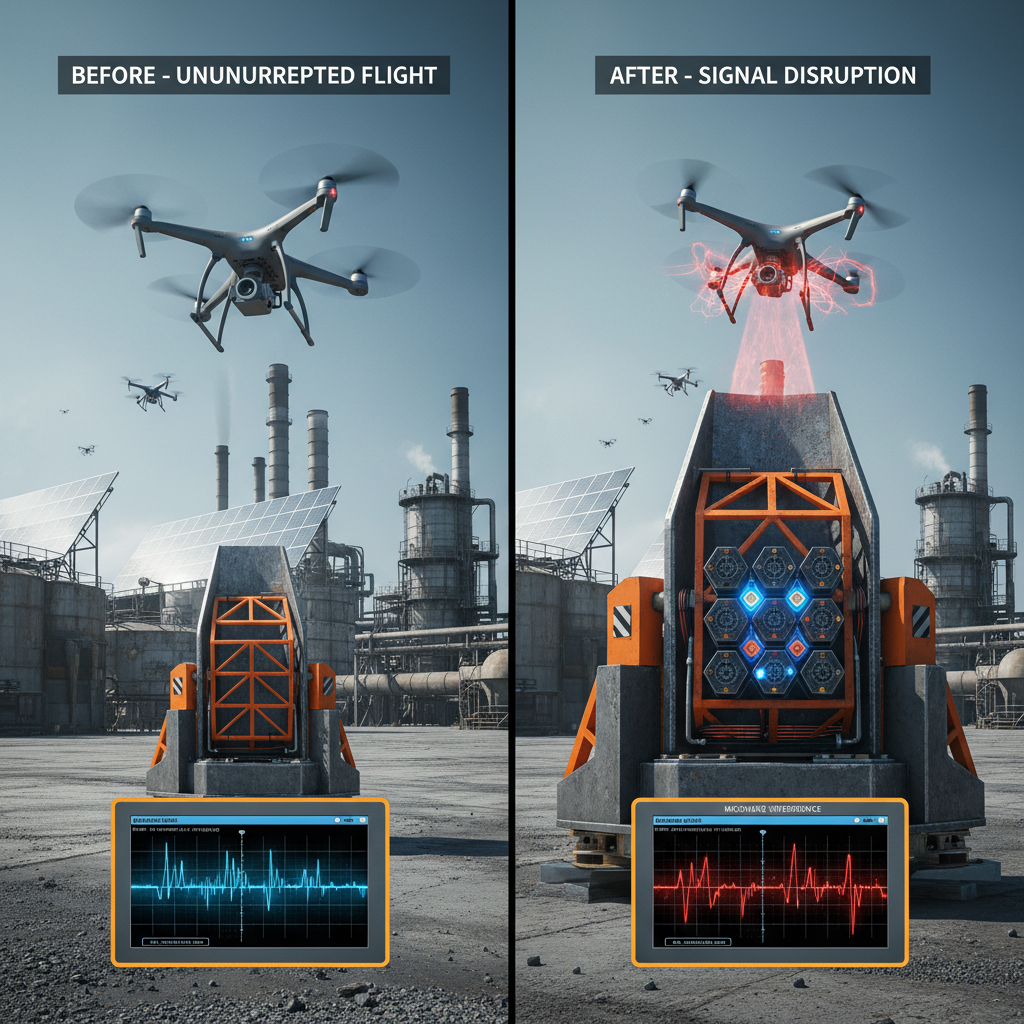 09 March 2021 16 Apr 2026
 -
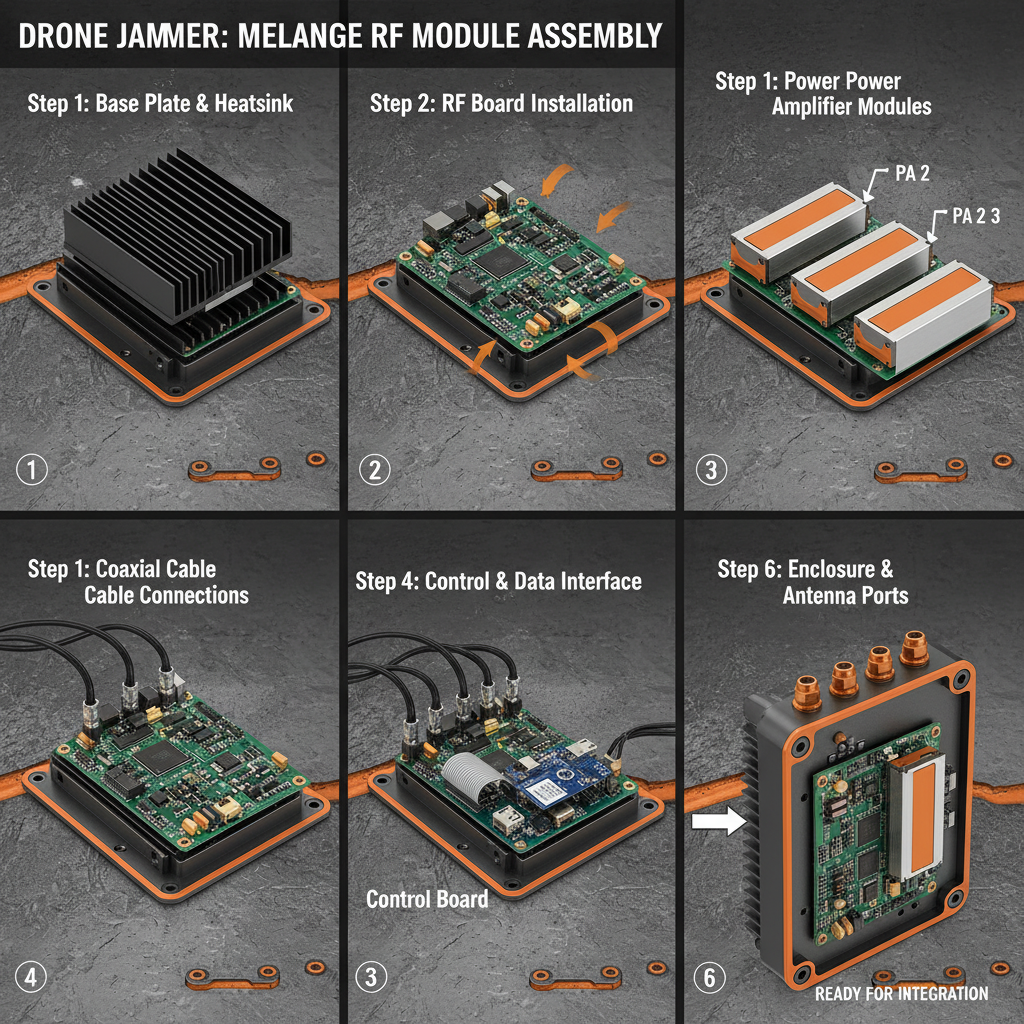 09 March 2021 09 Apr 2026
 -
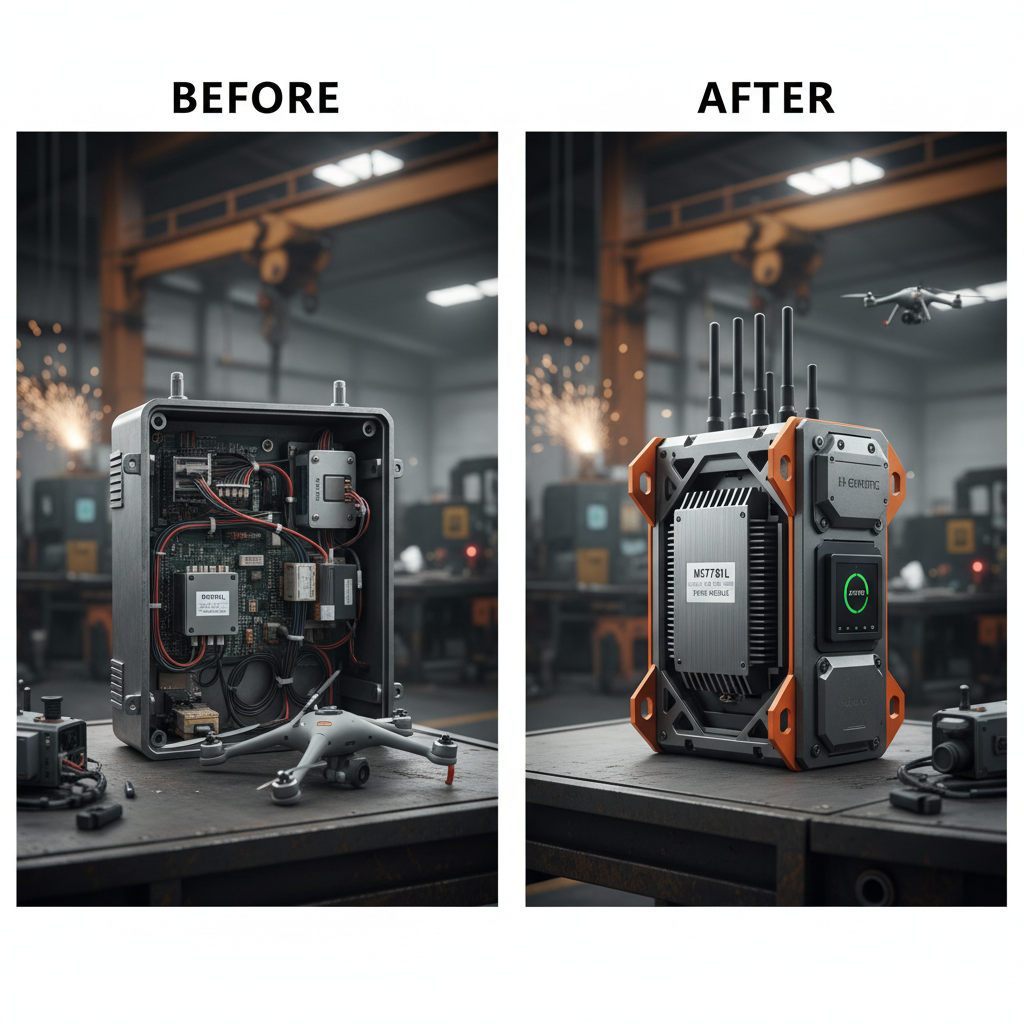 09 March 2021 07 Apr 2026
 -
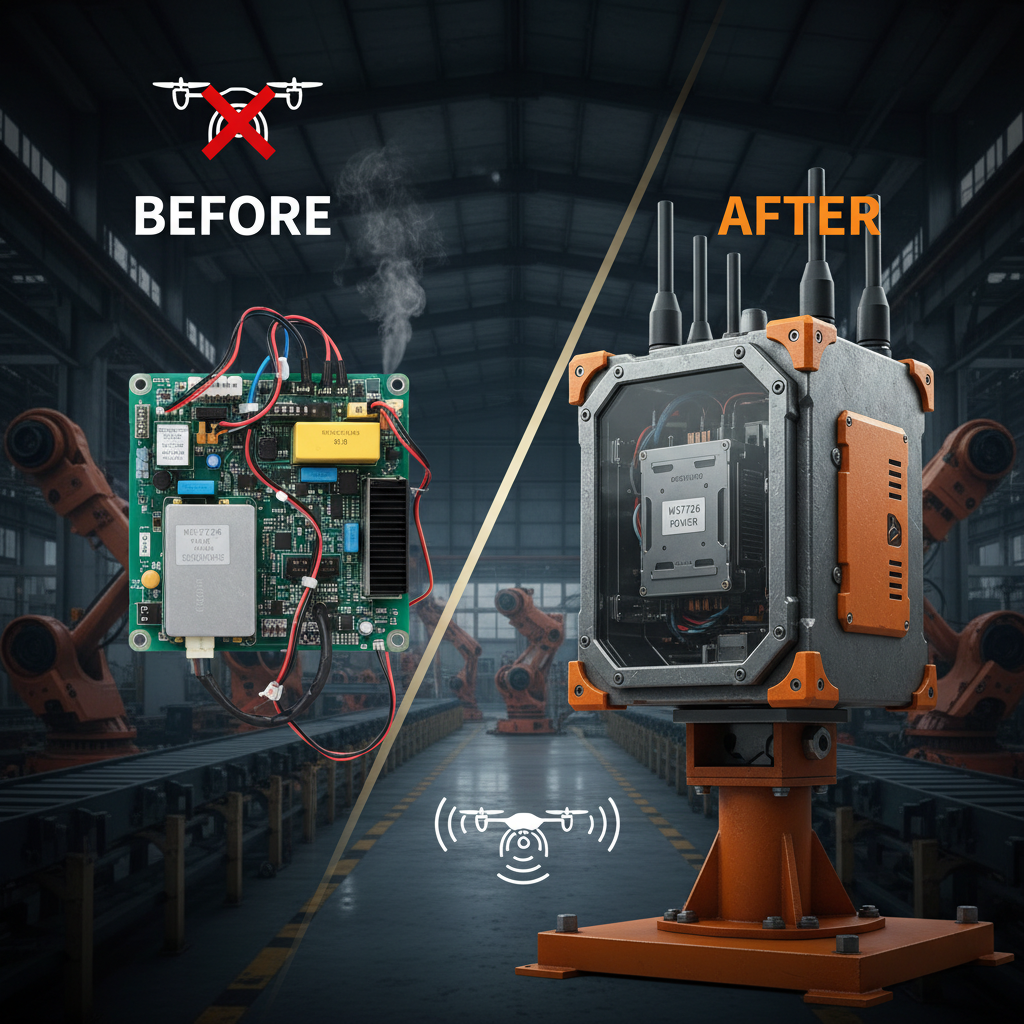 09 March 2021 04 Apr 2026
 -
 09 March 2021 31 Mar 2026
-
 09 March 2021 21 May 2025
 -
 09 March 2021 25 Dec 2024
 -
 09 March 2021 14 Oct 2022
-
 09 March 2021 25 Dec 2024
Recommended News
|
 English
  Arabic
  Belarusian
  Danish
  Dutch
Dutch  French
  German
  Greek
Greek  Japanese
  Korean
  Myanmar
  Polish
  Portuguese
  Russian
  Spanish
  Swedish
  Thai
Thai  Ukrainian
  Vietnamese