

RF Pallet Amplifier: Enhancing Signal Strength for Remote and Industrial Communication
Understanding RF Pallet Amplifier: The Silent Workhorse in Communication
In today’s hyperconnected world, technologies that enhance communication quality and reliability are more critical than ever. Among these is the RF pallet amplifier, a device working behind the scenes to boost radio frequency signals—ensuring clearer transmission over distances. It matters globally not just for industrial applications but also humanitarian operations, remote communications, and even in high-tech logistics.
Simply put, grasping how RF pallet amplifiers function can unlock better design choices, operational savings, and eventually, innovations that trend toward sustainability. From vast telecommunication grids to compact drone payloads, the subtle art of boosting RF signals is quietly shaping the way we connect.
The Global Context: Why RF Pallet Amplifiers Matter Worldwide
The rise in wireless data traffic is staggering—according to the International Telecommunication Union (ITU), global mobile data traffic grew over 30% annually in recent years. Yet many remote, rural, or disaster-stricken regions suffer from poor signal coverage, hampering emergency responses and community connectivity. That’s where RF pallet amplifiers come in.
Industries such as telecommunications, logistics, defense, and humanitarian aid rely heavily on signal fidelity—which often deteriorates with distance or interference. An RF pallet amplifier is a compact yet potent solution to this dilemma, boosting weak signals and extending the reach of communications hardware. Globally, organizations recognize that without reliable amplifiers, delivering timely information or controlling remote devices can become guesswork.
Mini takeaway: As wireless demand surges, boosting signal strength efficiently with RF pallet amplifiers isn’t optional — it’s essential for connectivity equity and operational success.
What Exactly Is an RF Pallet Amplifier?
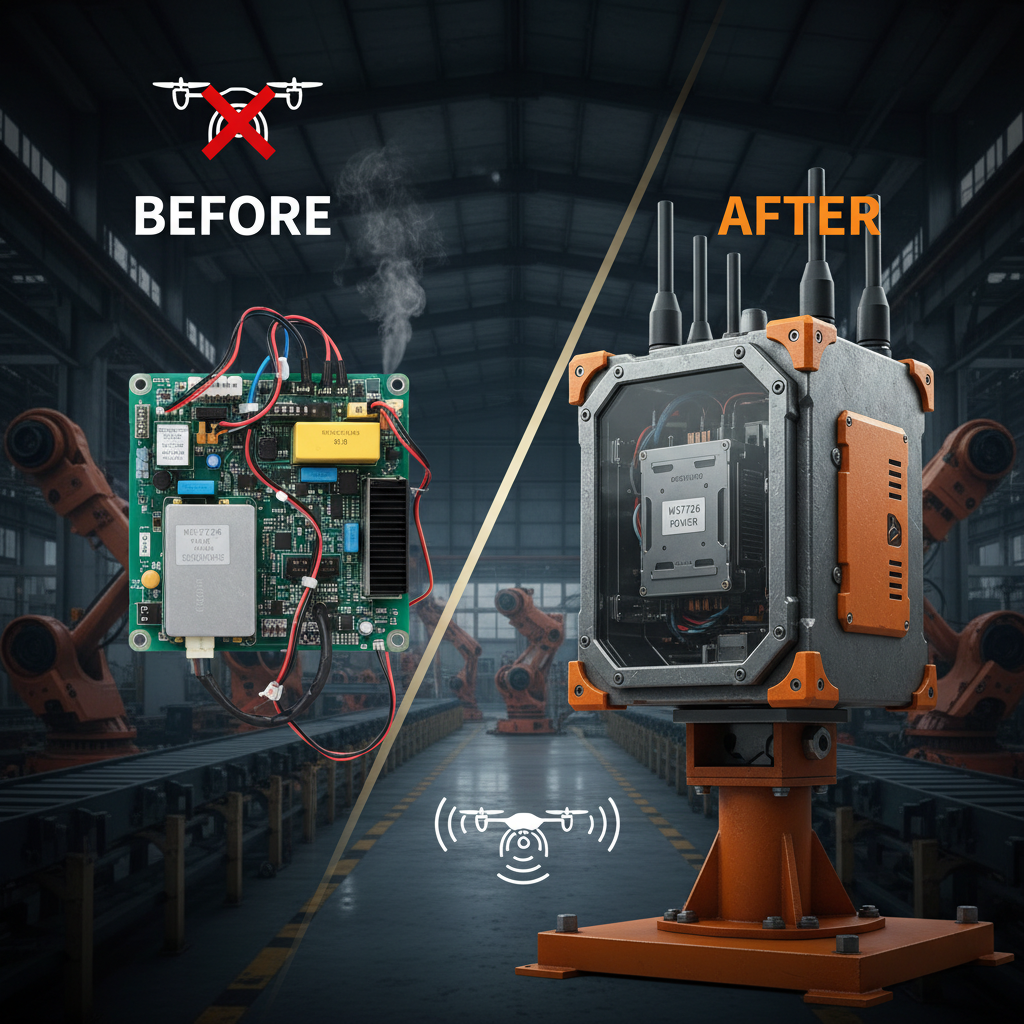
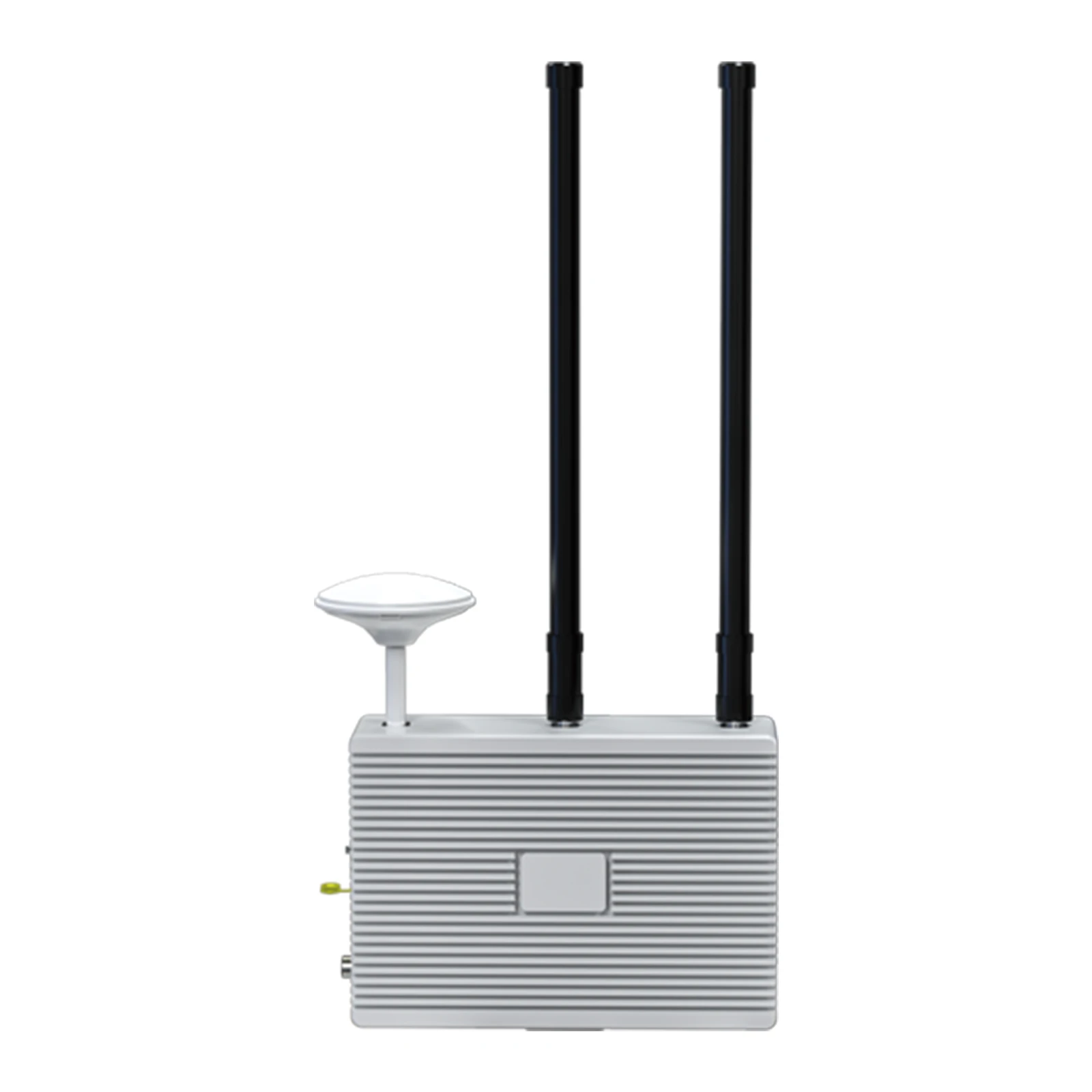
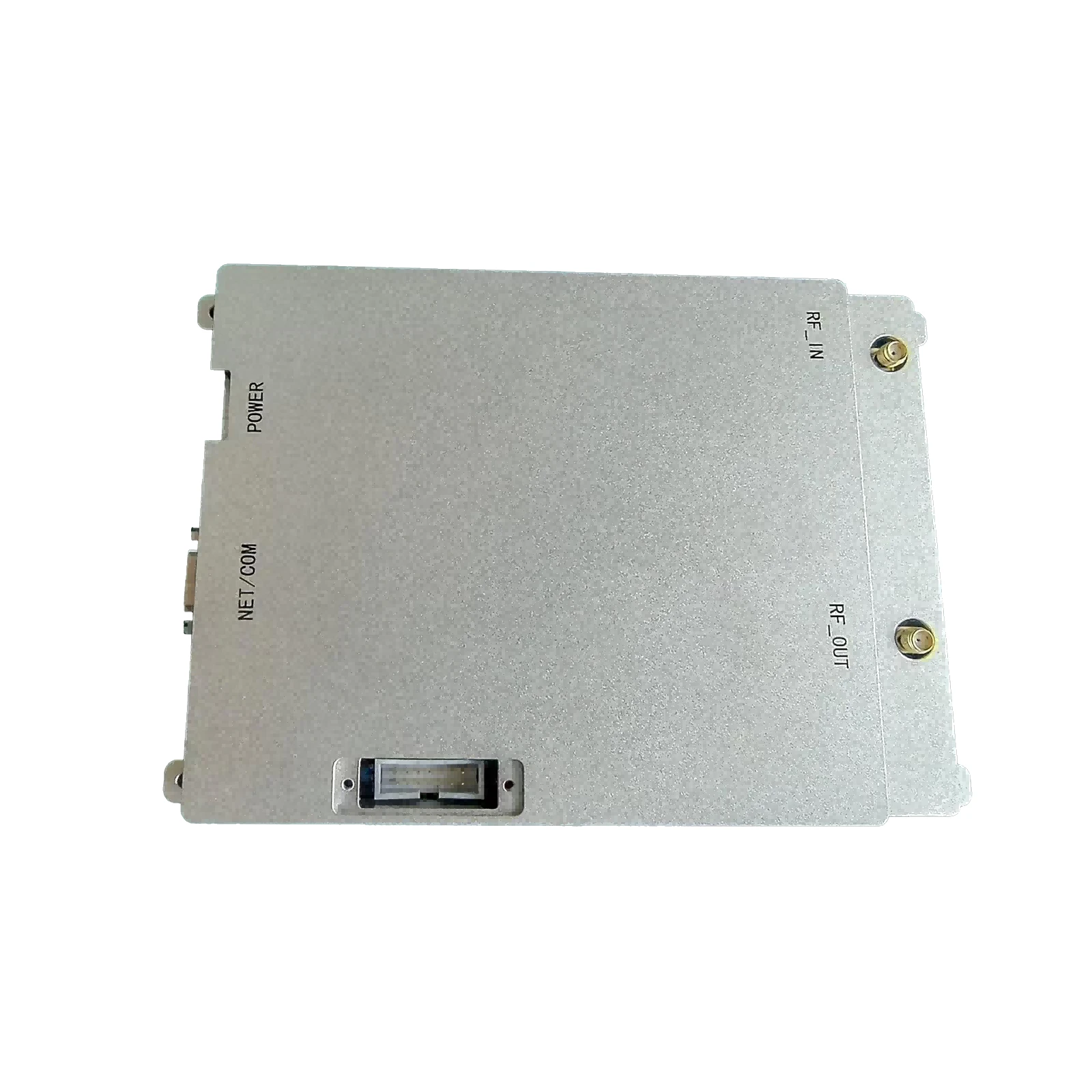
If you’re picturing some bulky, complex machine, hold on—it’s often more modest than you’d expect. In essence, an RF pallet amplifier is a module or assembly that increases the power of radio frequency signals within a certain range of frequencies. This helps signals travel further, pass through obstacles better, and maintain clarity.
Think about it as the volume knob for radio waves, but one that’s exact and technically tuned. In industrial or field settings, these amplifiers get installed in pallets or standardized modules—hence the name—making them easy to integrate into larger devices or mobile units.
These devices aren’t just tech gadgets; they’re crucial in disaster relief, remote medical communications, and beyond. For example, NGOs use mobile communication hubs with RF pallet amplifiers to coordinate efforts when cellphone towers fail. It’s a fine line between chaos and coordination, and amplifiers help keep that line alive.
Core Components and Factors Behind RF Pallet Amplifier Performance
1. Frequency Range
The specific band or spectrum an RF pallet amplifier covers is pivotal; some are optimized for UHF, others for VHF, or even specialized satellite frequencies. Selecting the right range avoids wasted energy and interference.
2. Power Output and Gain
How much the amplifier boosts the input signal—expressed in decibels (dB)—directly translates to improved transmission distance and quality. Yet, it's a balancing act: too much power invites noise or distortion.
3. Size and Integration
Many engineers appreciate RF pallet amplifiers are designed in modular pallets, simplifying integration with existing hardware platforms or drones. Compactness is key, especially in cramped industrial environments or airborne applications.
4. Durability and Weather Resistance
Outdoor or mobile use demands ruggedness—rain, dust, heat—survive all these. Amplifiers often come with sealed casings meeting at least IP65 standards to endure harsh conditions.
5. Power Efficiency
Especially in remote zones powered by solar or limited batteries, the efficiency of an RF pallet amplifier affects operational hours. Designs striving for minimal energy draw without sacrificing gain are in high demand.
6. Noise Figure
A low noise figure indicates better signal clarity by reducing unwanted background signals or distortions introduced during amplification.
Mini takeaway: RF pallet amplifiers aren’t one-size-fits-all. You need to match frequency bands, power needs, and environmental specs carefully to get real-world performance.
Where and How Are RF Pallet Amplifiers Changing the Game?
They’re everywhere you might least expect—kept under wraps but powering critical ops:
- Disaster Relief Missions: After hurricanes or earthquakes sever communication infrastructure, mobile units with RF pallet amplifiers extend coverage, aiding coordination.
- Remote Industrial Zones: Mining or pipeline fields use these amplifiers to maintain contact where wired connections are impossible or costly.
- Border Security & Defense: Patrol drones and ground stations rely on amplifiers for secure, long-range communications.
- Large-Scale Logistics: RFID-enabled cargo systems embed RF pallet amplifiers to ensure tracking signals aren’t lost in transit hubs.
- Telecom Infrastructure: Small cell networks employ compact amplifiers to enhance urban coverage in tricky signal "dead zones."
Oddly enough, some NGOs find these amplifiers invaluable beyond technical specs—they’re a tool for sovereignty and dignity, enabling isolated communities to connect on their own terms.
Comparing Leading RF Pallet Amplifier Models
| Specification | Model A | Model B | Model C |
|---|---|---|---|
| Frequency Range | 700-900 MHz | 2.4-2.5 GHz | 1.8-2.1 GHz |
| Gain (dB) | 30 dB | 25 dB | 28 dB |
| Max Power Output | 20W | 15W | 18W |
| Noise Figure | 2.5 dB | 3 dB | 2.8 dB |
| Power Consumption | 30 W | 25 W | 28 W |
| Dimensions (mm) | 150x120x40 | 140x115x35 | 145x118x38 |
Comparing RF Pallet Amplifier Vendors: Who Leads and Why?
| Vendor | Pricing | Customization | Support | Market Presence |
|---|---|---|---|---|
| Amplitek Solutions | Mid-range | High | 24/7 Global | Strong in Asia & Europe |
| SignalMax Inc. | Premium | Moderate | Business Hours | Global |
| WaveAmp Technologies | Budget | Low | Limited | Regional (North America) |
The Advantages & Long-Term Value of RF Pallet Amplifiers
Beyond the numbers, why choose an RF pallet amplifier? Well, reliability is an obvious one. When seconds matter—let’s say during a wildfire alert—signal clarity and max reach can literally save lives. Then there’s the cost angle: investing in amp modules often cuts the need for expensive cell towers or satellite upgrades, a relative bargain for big-scale projects.
Emotionally, it also fosters trust. Good communication keeps teams united and communities connected. Socially, by enabling remote areas to maintain contact easily, these amplifiers promote inclusion and accessibility. Environmentally, more efficient amplifiers reduce power wastage—especially when paired with renewable power sources.
Emerging Trends & Next-Gen Innovations
Looking ahead, research focuses on making RF pallet amplifiers smarter and greener. Integrations with AI promise adaptive amplification—automatically optimizing power and frequency use in real time. New materials like graphene and GaN (Gallium Nitride) bring higher efficiency and reduced heat dissipation.
Also, with the exploding Internet of Things (IoT), amplifiers fitted onto small drones or autonomous vehicles will become more prevalent. They’ll be fundamental in supporting 5G and beyond—paving ways for faster, reliable urban and rural wireless ecosystems.
Common Challenges and How to Address Them
Not everything runs smooth. Interference remains a big headache—without proper filters, amplifiers can inadvertently amplify noise too. Power supply constraints in remote zones challenge continuous operation, though hybrid solar/battery setups are alleviating this.
Experts recommend thorough site surveys, modular designs for flexibility, and robust testing under real-world conditions. rf pallet amplifier manufacturers also work closely with clients to customize solutions for specific environmental or operational requirements, which helps overcome many hiccups.
FAQ: Your Questions on RF Pallet Amplifiers Answered
Q1: What industries benefit most from RF pallet amplifiers?
A1: While telecommunications and defense top the list, mining, logistics, disaster relief, and remote medical communications also gain huge advantages by extending signal reach and improving clarity.
Q2: Can RF pallet amplifiers be used outdoors in extreme weather?
A2: Yes, most industrial-grade amplifiers today are designed with weatherproof casings meeting IP65 or higher to withstand rain, dust, and temperature extremes.
Q3: How do I choose the right frequency band for my amplifier?
A3: It depends on your application. Check existing communication frequencies used in your region or operation, and select an amplifier optimized for those bands to ensure compatibility and performance.
Q4: Are these amplifiers energy efficient enough for solar-powered systems?
A4: Many modern RF pallet amplifiers feature low power consumption designs—ideal for solar or battery-powered setups. Pairing with energy management systems helps extend uptime in remote locations.
Q5: How can NGOs source and import RF pallet amplifiers effectively?
A5: Partnering with reputable vendors who offer customization, reliability, and export support simplifies this. Look for providers experienced in working with humanitarian organizations and shipping logistics.
Wrapping It Up: Why RF Pallet Amplifiers Deserve your Attention
For a seemingly modest device, the rf pallet amplifier packs a punch—amplifying not just signals but connectivity, safety, and opportunity. Whether you’re building networks in challenging environments or developing cutting-edge drone technology, these amplifiers make communications robust and scalable.
Curious to explore options that fit your projects? Visit our website at https://www.drone-system.com for a closer look at specifications, expert consultations, and the latest in RF amplification.
Frankly, as wireless tech evolves, RF pallet amplifiers will quietly continue powering the invisible threads weaving our connected world.
References
- International Telecommunication Union (ITU) Data
- Radio Frequency - Wikipedia
- ISO Standards on Telecommunications

-
 09 March 2021 16 Apr 2026
 -
 09 March 2021 09 Apr 2026
 -
 09 March 2021 07 Apr 2026
 -
 09 March 2021 04 Apr 2026
 -
 09 March 2021 31 Mar 2026
-
 09 March 2021 21 May 2025
 -
 09 March 2021 25 Dec 2024
 -
 09 March 2021 14 Oct 2022
-
 09 March 2021 25 Dec 2024

 English
  Arabic
  Belarusian
  Danish
  Dutch
Dutch  French
  German
  Greek
Greek  Japanese
  Korean
  Myanmar
  Polish
  Portuguese
  Russian
  Spanish
  Swedish
  Thai
Thai  Ukrainian
  Vietnamese