

RF Power Amplifier Tutorial: A Practical Guide to Understanding and Application
RF Power Amplifier Tutorial: Unlocking the Heart of Wireless Communication
If you've ever streamed a video, made a call, or even just glanced at your Wi-Fi signal, you've benefitted from an often unseen hero: the radio frequency (RF) power amplifier. This rf power amplifier tutorial will guide you through what these devices are, why they matter so much worldwide, and how mastering them can reshape not only telecommunications but also myriad industries and humanitarian efforts.
1. Introduction: Why RF Power Amplifiers Matter in a Global Context
Globally, wireless communication infrastructures have been expanding at a breakneck pace. According to the International Telecommunication Union (ITU), over 5 billion people now have access to mobile networks worldwide. Yet, delivering reliable signals over increasing distances or through challenging environments requires powerful, efficient amplification of RF signals. Here, RF power amplifiers play a critical role.
However, challenges persist: from energy inefficiency to thermal management, the need for affordable and sustainable amplification solutions is critical. A solid rf power amplifier tutorial can not only help engineers innovate but also assist humanitarian missions that rely on dependable comms post-disaster or in remote locations.
2. What Exactly Is an RF Power Amplifier?
In simple terms, an RF power amplifier is an electronic device that boosts low-power radio signals to high power, enabling transmission over long distances. Think of it as the megaphone of wireless communication: without it, messages wouldn’t travel far enough to reach your phone or devices.
From cell towers to satellite uplinks, they’re fundamental to modern life — enabling everything from GPS navigation to emergency broadcasts. They make sure that the signal leaves the source strong enough to traverse the airwaves, through interference and obstacles.
3. Key Components and Considerations in RF Power Amplifiers
Efficiency
Power amplifiers must be efficient to conserve energy and reduce heat. Class A amplifiers, while linear, tend to be less efficient compared to Class AB or Class D types. The choice often depends on the specific application’s needs.
Linearity
Linearity means how faithfully the amplifier boosts the signal without distorting it. High linearity is essential for minimizing interference and ensuring signal clarity, especially in complex digital modulations.
Bandwidth
Modern communication systems often require wide bandwidths to accommodate various frequencies. The amplifier should cover these bands without significant loss.
Thermal Management
Amplifying RF signals generates heat, which, if unmanaged, can degrade performance or damage components. Engineers incorporate heat sinks or active cooling systems to maintain safe operation.
Durability
For applications in harsh environments – say, remote industrial zones or disaster relief communications – amplifiers must withstand temperature extremes, moisture, and vibrations.
Mini Takeaway:
Understanding these core components helps grasp why RF power amplifiers are not just about “louder signals,” but about precision engineering balancing efficiency, clarity, and reliability.
4. Real-World Applications: Where RF Power Amplifiers Shine
- Telecommunications: Enabling 4G and 5G networks across continents.
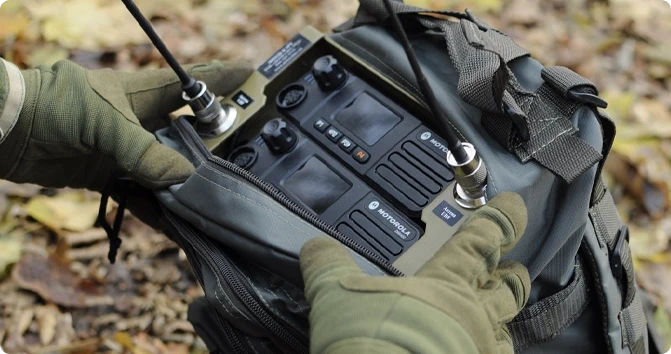
- Emergency Response: Post-disaster relief teams use portable amplifiers to set up short-term networks.
- Military Communications: Secure, reliable communication often depends on rugged RF amplifiers.
- Remote Industrial Sites: Oil rigs, mining sites, and remote monitoring stations require dependable RF amplification where wired infrastructure is impractical.
- Satellite Systems: Boosting uplink/downlink signals, especially in space-constrained payloads.
Oddly enough, many humanitarian organizations have found that equipping field teams with robust RF power amplifiers can literally mean the difference between lost and saved lives.
5. Advantages and Long-Term Value of RF Power Amplifiers
Beyond the obvious — stronger signals — RF power amplifiers bring tangible cost efficiency by reducing repeaters and infrastructure needs. Their reliability fosters trust in communications, crucial in sensitive settings like health emergencies or security operations.
The sustainability angle is gaining traction too: newer designs focus on energy savings and materials that reduce environmental impact. Emotionally, they contribute to safety and dignity by enabling connectivity which—frankly—is a lifeline in today’s world.
6. Exploring Future Trends in RF Power Amplification
Emerging materials such as Gallium Nitride (GaN) promise higher power densities and thermal stability. rf power amplifier tutorial learners will find GaN's role pivotal in cutting-edge devices.
Integration with digital signal processing, smart thermal controls, and remote tuning is becoming common, improving performance while simplifying operations. Sustainability pushes dictate designs that align with green energy trends, like solar-powered base stations.
7. Challenges and Promising Solutions in the Field
Despite advancements, challenges remain. Managing non-linear distortion at high powers or making components smaller yet more robust are ongoing puzzles. Engineers are experimenting with advanced cooling techniques and new amplifier classes (like Doherty amplifiers) to address these.
Cost also factors heavily; mass production with high precision is key to affordability. Distributed networks and modular designs add flexibility.
8. FAQ: Frequently Asked Questions About RF Power Amplifiers
- What is the difference between a linear and nonlinear RF power amplifier?
- Linear amplifiers boost signals with minimal distortion, essential for complex modulations. Nonlinear amplifiers, while more power-efficient, introduce some distortion and are suited for simpler signals.
- How do GaN transistors improve RF amplifier performance?
- Gallium Nitride transistors handle higher voltages and temperatures better than traditional silicon, offering greater power output and efficiency in smaller footprints.
- Can RF power amplifiers be used in portable communication setups?
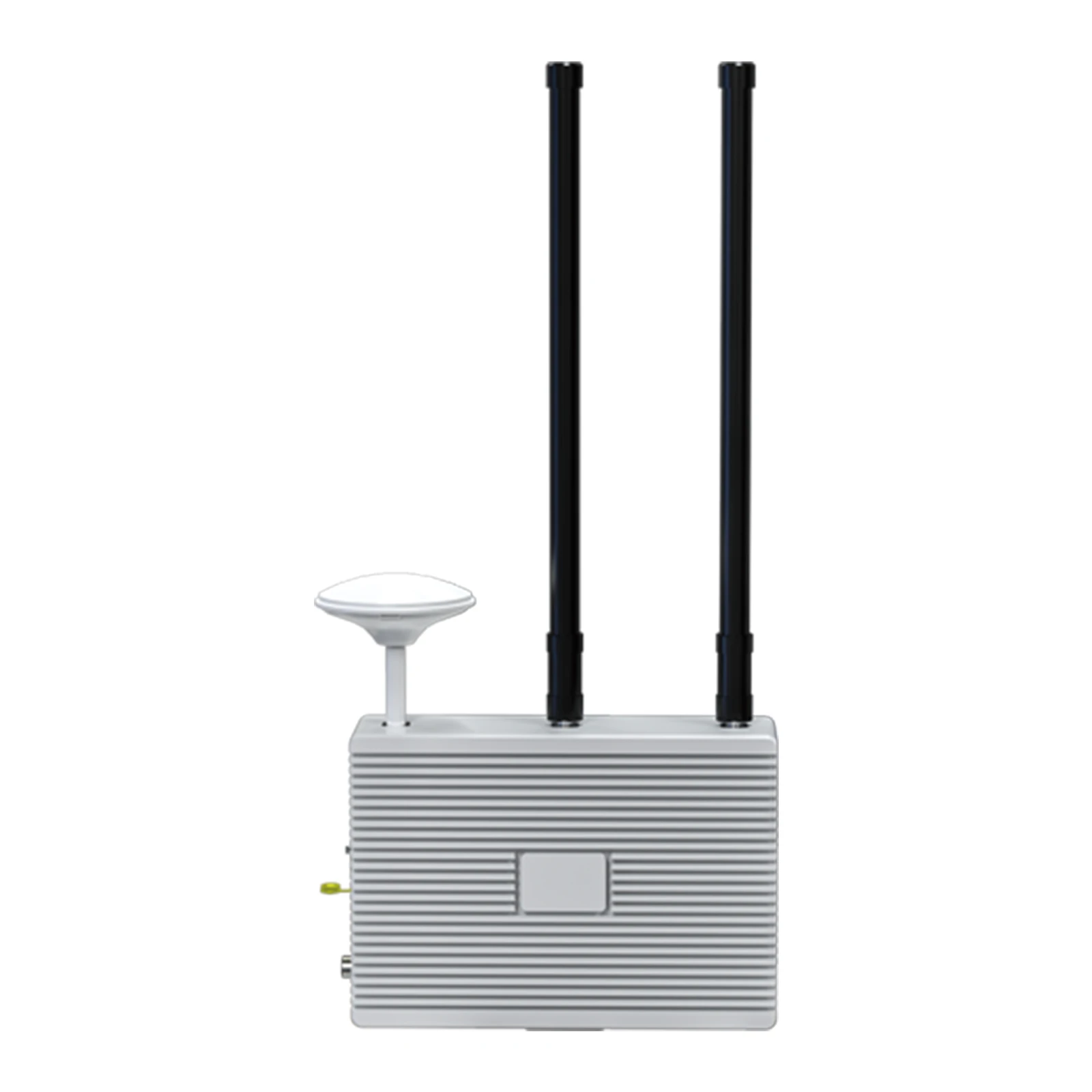
- Yes, specially designed portable units provide essential amplification in field deployments such as disaster relief or military exercises.
- What measures help mitigate heat in RF amplifiers?
- Heat sinks, fans, and increasingly liquid cooling systems help dissipate heat to ensure stable performance.
- Is it difficult to tune an RF power amplifier for specific frequencies?
- Tuning can be complex, but modern amplifiers often include digital controls or adaptive circuits to simplify this process.
9. Product Specification Overview
| Specification | Typical Value | Notes |
|---|---|---|
| Frequency Range | 700 MHz – 3 GHz | Suitable for cellular and satellite bands |
| Output Power | 40 Watts (typical) | Supports medium-range transmission |
| Efficiency | 65% | Higher efficiency reduces power consumption |
| Gain | +30 dB | Gain level for typical telecom use |
| Operating Temperature | -40°C to +85°C | Suitable for harsh environments |
10. Vendor Comparison: Leading RF Power Amplifier Manufacturers
| Vendor | Key Technology | Price Range | Global Reach | Application Focus |
|---|---|---|---|---|
| AmplifyTech | GaN Semiconductors | $$$ | Worldwide | Telecom & Defense |
| PowerWaves | Doherty Amplifiers | $$ | North America, Europe | Base Station Equipment |
| ClearSignal | Silicon CMOS | $ | Asia & Emerging Markets | Cost-sensitive Applications |
11. Conclusion
If you walked away with one thing today, it’s this: RF power amplifiers are quietly revolutionizing communication worldwide, thanks to their role in delivering strong, clear signals for everything from mobile calls to humanitarian aid. Getting familiar with their technology means tapping into a fundamental enabler of modern connectivity – and frankly, it feels like the future is only getting richer with innovation.
For those ready to dive deeper or experiment with their own projects, be sure to check out our ongoing resources and tutorials at https://www.drone-system.com.
Thanks for dropping by, and I hope this rf power amplifier tutorial helps you navigate the waves!
References

-
 09 March 2021 16 Apr 2026
 -
 09 March 2021 09 Apr 2026
 -
 09 March 2021 07 Apr 2026
 -
 09 March 2021 04 Apr 2026
 -
 09 March 2021 31 Mar 2026
-
 09 March 2021 21 May 2025
 -
 09 March 2021 25 Dec 2024
 -
 09 March 2021 14 Oct 2022
-
 09 March 2021 25 Dec 2024


 English
  Arabic
  Belarusian
  Danish
  Dutch
Dutch  French
  German
  Greek
Greek  Japanese
  Korean
  Myanmar
  Polish
  Portuguese
  Russian
  Spanish
  Swedish
  Thai
Thai  Ukrainian
  Vietnamese