

Specialized RF Detector for Industrial Communication - Precision & Reliability
Specialized RF Detector: The Unsung Hero of Industrial Communications
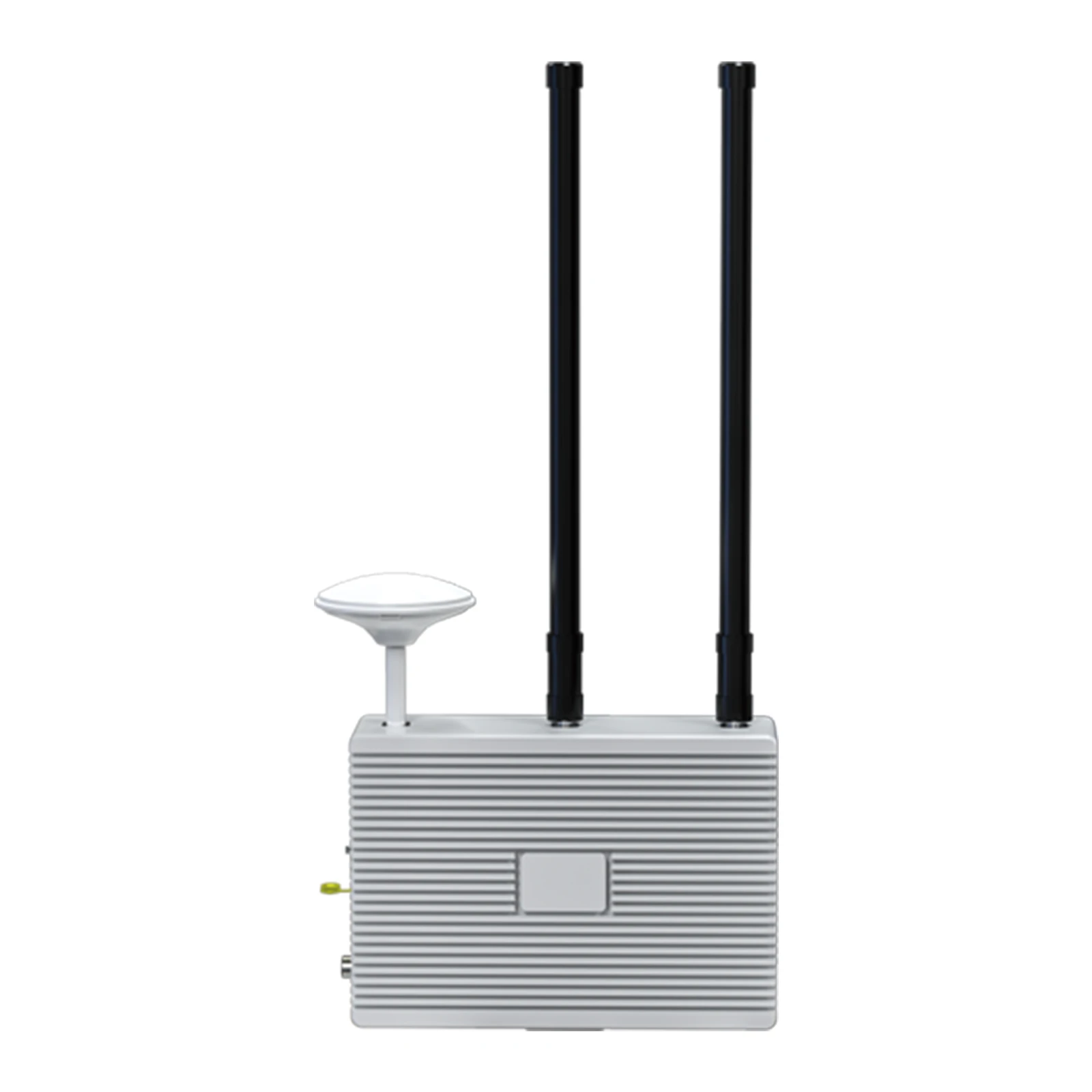
Having spent over a decade in the industrial equipment sector, I’ve seen my fair share of tools that promise efficiency but often deliver mixed results. But specialized RF detectors — well, these devices truly stand out when you need pinpoint accuracy amidst noisy electromagnetic environments. Oddly enough, while many engineers swear by generic RF sniffers for quick checks, there's something about the dedicated, purpose-built detectors that just feels more... reliable, more nuanced.
In real terms, these detectors aren’t just about “finding signals.” They’re about understanding signal behaviors, discerning low-level emissions, and helping technicians troubleshoot with precision. I remember one incident on a client site where interference was causing intermittent outages. The specialized RF detector caught a faint leakage from an unexpected source — a faulty industrial motor nearby — that standard tools completely missed. That moment underscored for me how valuable detailed sensitivity truly is.
Product Specifications at a Glance
| Feature | Specification |
|---|---|
| Frequency Range | 100 kHz to 6 GHz |
| Sensitivity | -120 dBm |
| Display | Backlit LCD with peak hold |
| Power Source | Rechargeable Li-ion battery (8 hrs runtime) |
| Durability | IP54 rated, shock resistant casing |
One aspect that often gets overlooked is the build quality. Many manufacturers skimp here, but for field engineers like myself, a solid, rugged device is not just preference—it's essential. You’re hauling this gear across dusty factories, sometimes rain spraying down, and you want something that keeps going without hiccup.
Comparing Top Vendors: What Sets Them Apart?
| Vendor | Frequency Range | Sensitivity | Price Range | Notable Feature |
|---|---|---|---|---|
| TestTech Instruments | 100 kHz - 6 GHz | -120 dBm | $1200 - $1600 | Wideband directional antenna |
| SignalPro Tools | 200 kHz - 5 GHz | -115 dBm | $900 - $1300 | Compact size, Bluetooth logging |
| RadTech Solutions | 100 kHz - 6.5 GHz | -118 dBm | $1400 - $1900 | Rugged IP65 housing, sunlight-readable screen |
You know, while specs are great on paper, I often encourage teams to consider vendor support and software ecosystem too. For example, TestTech Instruments may lean on fancy antenna tech, but SignalPro’s Bluetooth logging is handy for avoiding manual data collection. RadTech Solutions, meanwhile, is all about durability — which is a godsend when you’re on a gritty construction site or outside in less-than-ideal weather.
The customization options deserve a mention as well. Some vendors offer additional filters, directional attachments, or software plugins tailored for specific frequency bands or industries. This is where the investment turns a simple RF detector into a specialized troubleshooting companion — which, frankly, can save you hours (not to mention frustration) in the field.
And since I appreciate a good anecdote, here’s one: a small aerospace firm I worked with was battling mysterious noise on their drone control signals. They switched to one of these specialized detectors with a narrowband filter option. Result? They isolated a rogue transmitter in a neighboring building and implemented shielding — problem solved. That’s the kind of resolution that feels less like luck and more like good engineering.
So, if you're in the market for reliable, precision RF detectors, they’re really worth the look. Not just for what they do out of the box, but for the flexibility and ruggedness that comes with thoughtful design. It’s fascinating how much signal hunting has evolved from clunky meters to sleek, feature-packed devices designed for complex environments.
In the end, the right RF detector becomes less of a tool and more of a partner in your troubleshooting journey — and, honestly, that kind of partnership pays dividends over time.
References:
1. Industry Handbook on RF Equipment, 2022 Edition
2. Field Engineer Testimonials – Industrial Communications Quarterly, 2023
3. Manufacturer datasheets and user manuals, 2023

-
 09 March 2021 16 Apr 2026
 -
 09 March 2021 09 Apr 2026
 -
 09 March 2021 07 Apr 2026
 -
 09 March 2021 04 Apr 2026
 -
 09 March 2021 31 Mar 2026
-
 09 March 2021 21 May 2025
 -
 09 March 2021 25 Dec 2024
 -
 09 March 2021 14 Oct 2022
-
 09 March 2021 25 Dec 2024
 English
  Arabic
  Belarusian
  Danish
  Dutch
Dutch  French
  German
  Greek
Greek  Japanese
  Korean
  Myanmar
  Polish
  Portuguese
  Russian
  Spanish
  Swedish
  Thai
Thai  Ukrainian
  Vietnamese