

The Role Of Antennas In RF Frequency Detectors
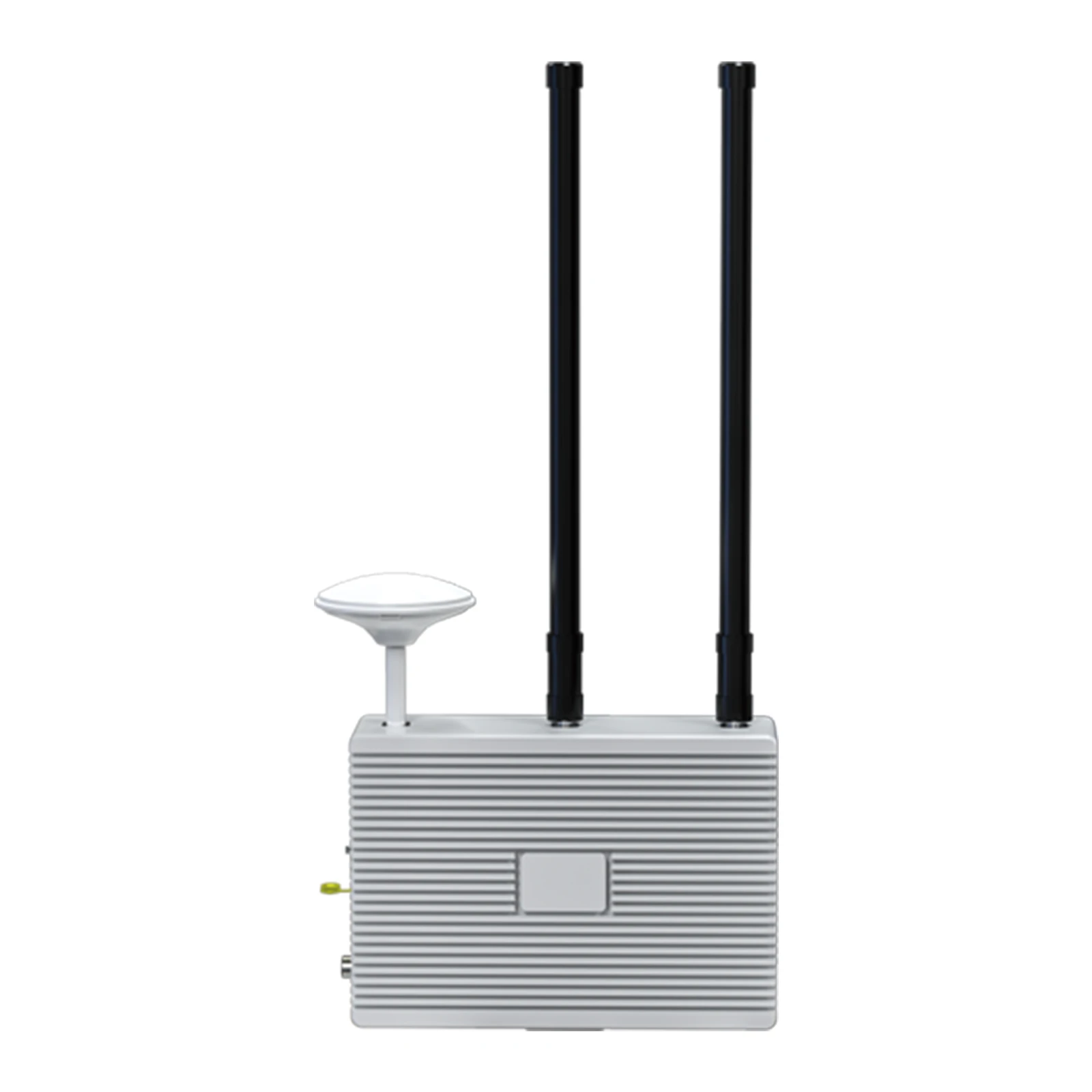
In the realm of modern technology, radio frequency detector, rf frequency detector, and radiofrequency detector play a crucial role in various applications, from wireless communication and security systems to scientific research. At the heart of these detectors lies the antenna, a component that enables the device to interact with radio frequency signals effectively. Understanding the role of antennas in rf frequency detector systems is essential for optimizing their performance and ensuring accurate detection.
Antennas: The Signal Receivers in Radio Frequency Detector
Antennas serve as the primary signal receivers in a radio frequency detector. Their main function is to capture radio frequency signals from the surrounding environment and convert them into electrical signals that the detector can process. Different types of antennas are designed to operate within specific frequency ranges, making it possible for radio frequency detector to target and analyze signals of interest. For instance, a well - designed antenna can pick up weak signals from distant transmitters, allowing the detector to identify the presence of radio frequency emissions even in challenging conditions. The sensitivity and selectivity of the antenna directly impact the detector's ability to accurately detect and measure radio frequencies, making it a vital component for reliable operation.
Transmitting Signals with Radiofrequency Detector Antennas
In addition to receiving signals, antennas in radiofrequency detector also play a role in transmitting signals. Some detectors are designed to emit test signals or communicate with other devices. The antenna is responsible for converting the electrical signals generated by the detector into radio frequency waves that can be transmitted through the air. This transmission capability is crucial for functions such as calibrating the detector, communicating with remote sensors, or sending out warning signals. The design and characteristics of the antenna determine the range and directionality of the transmitted signals, ensuring that the radiofrequency detector can effectively interact with other components in the system.
Enhancing Detection Range with RF Frequency Detector Antennas
The performance of an rf frequency detector in terms of detection range is significantly influenced by the antenna. A high - quality antenna can enhance the detector's ability to detect radio frequency signals over longer distances. Antennas with a higher gain, for example, can focus the received or transmitted signals in a specific direction, increasing the signal strength and extending the detection range. Additionally, the physical size and shape of the antenna can affect its performance at different frequencies. By carefully selecting and optimizing the antenna for the specific requirements of the rf frequency detector, users can achieve a greater detection range, making the detector more effective in various applications.
Antenna Design and Compatibility in RF Frequency Detectors
The design of the antenna is critical for its compatibility with the rf frequency detector. Different detectors may have specific requirements regarding the type, size, and electrical characteristics of the antenna. For example, some rf frequency detector models are designed to work with a particular type of antenna to ensure optimal performance. The impedance of the antenna must match that of the detector to minimize signal loss and maximize power transfer. Moreover, the antenna's radiation pattern, which determines how the signals are distributed in space, should be suitable for the detector's intended use. Proper antenna design and compatibility ensure that the rf frequency detector functions efficiently and accurately.
RF Frequency Detector FAQS
How does the antenna type affect the performance of a radio frequency detector?
The type of antenna used in a radio frequency detector has a significant impact on its performance. Different antenna types, such as dipole, monopole, or patch antennas, have distinct characteristics in terms of frequency range, gain, and radiation pattern. For example, a dipole antenna may be suitable for a wide range of frequencies, while a patch antenna can offer high gain in a specific frequency band. Choosing the right antenna type based on the detector's requirements ensures better signal reception, transmission, and overall detection accuracy.
Can I replace the antenna in my rf frequency detector?
In many cases, it is possible to replace the antenna in an rf frequency detector. However, it is essential to ensure that the replacement antenna is compatible with the detector in terms of frequency range, impedance, and other electrical characteristics. Additionally, improper installation of the new antenna can lead to performance degradation or even damage to the detector. It is recommended to consult the manufacturer's instructions or seek professional assistance when replacing the antenna in your rf frequency detector.
How often should I maintain the antenna of my radiofrequency detector?
The maintenance frequency for the antenna of a radiofrequency detector depends on various factors, such as the operating environment and usage frequency. In general, it is a good practice to visually inspect the antenna regularly for any signs of damage, such as cracks, corrosion, or loose connections. If the detector is used in harsh environments, more frequent inspections may be required. Additionally, keeping the antenna clean and free from debris can help maintain its performance. However, specific maintenance guidelines may vary depending on the detector model, so it's best to refer to the user manual.
What is the optimal placement for an antenna in an rf frequency detector?
The optimal placement of an antenna in an rf frequency detector depends on several factors, including the type of signals being detected, the surrounding environment, and the desired detection range. In general, the antenna should be placed in an unobstructed location to ensure maximum exposure to radio frequency signals. Avoid placing the antenna near large metal objects or sources of interference, as these can distort the signals. For outdoor applications, the antenna may need to be mounted at a higher elevation to increase the detection range. Experimenting with different positions and heights can help determine the best placement for optimal performance.
Are there any safety precautions when handling antennas of radio frequency detectors?
When handling the antennas of radio frequency detectors, several safety precautions should be taken. First, ensure that the detector is powered off before touching the antenna to avoid the risk of electrical shock. If the antenna is connected to high - power transmitters, be aware of the potential for radiation exposure. Follow the manufacturer's safety guidelines regarding maximum power levels and safe operating distances. Additionally, when installing or removing antennas, use the proper tools and techniques to prevent damage to the antenna or the detector.
Are you in need of high - performance radio frequency detector, rf frequency detector, or radiofrequency detector? Our company offers a wide range of top - quality detectors equipped with state - of - the - art antennas. Whether you're in the field of wireless communication, security, or scientific research, our products are designed to meet your specific needs. With advanced antenna technology and precise engineering, our detectors provide accurate and reliable results. Contact us today to explore our product range and place your order!

-
 09 March 2021 16 Apr 2026
 -
 09 March 2021 09 Apr 2026
 -
 09 March 2021 07 Apr 2026
 -
 09 March 2021 04 Apr 2026
 -
 09 March 2021 31 Mar 2026
-
 09 March 2021 21 May 2025
 -
 09 March 2021 25 Dec 2024
 -
 09 March 2021 14 Oct 2022
-
 09 March 2021 25 Dec 2024
 English
  Arabic
  Belarusian
  Danish
  Dutch
Dutch  French
  German
  Greek
Greek  Japanese
  Korean
  Myanmar
  Polish
  Portuguese
  Russian
  Spanish
  Swedish
  Thai
Thai  Ukrainian
  Vietnamese