

Tx/Rx Module - High-Speed, Low-Power, Compact, Wideband RF
Inside the New Wave of Drone Links: Tx/Rx Module from Longgang, Shenzhen
If you work around UAVs or mobile robotics, you’ve probably heard the chatter: compact radio modules that don’t just transmit and receive, but speak your protocol, integrate with your stack, and frankly take a beating in the field. That’s exactly where the Tx/Rx Module segment is moving—more openness, more resilience, and smarter tooling.
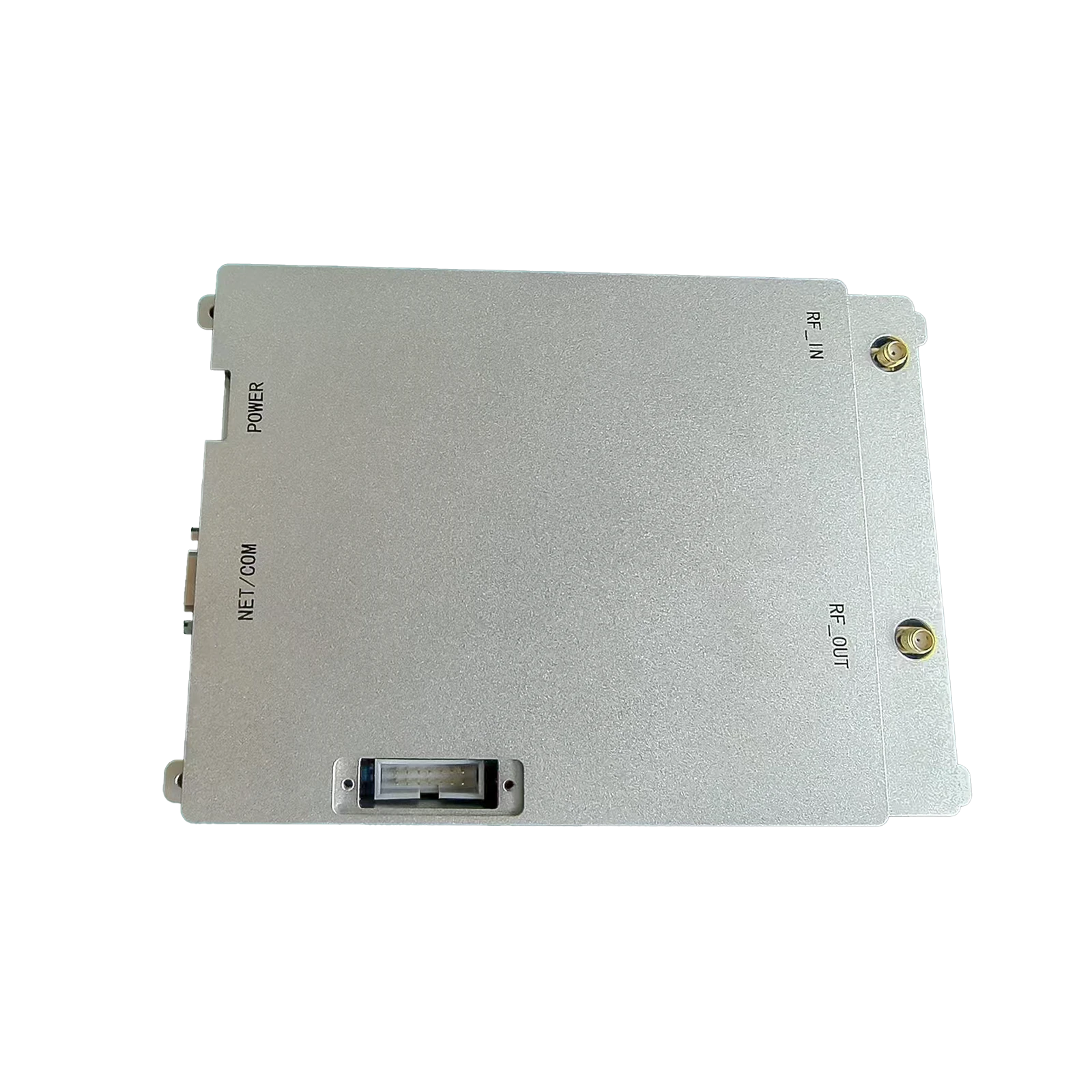
What it is (and why teams care)
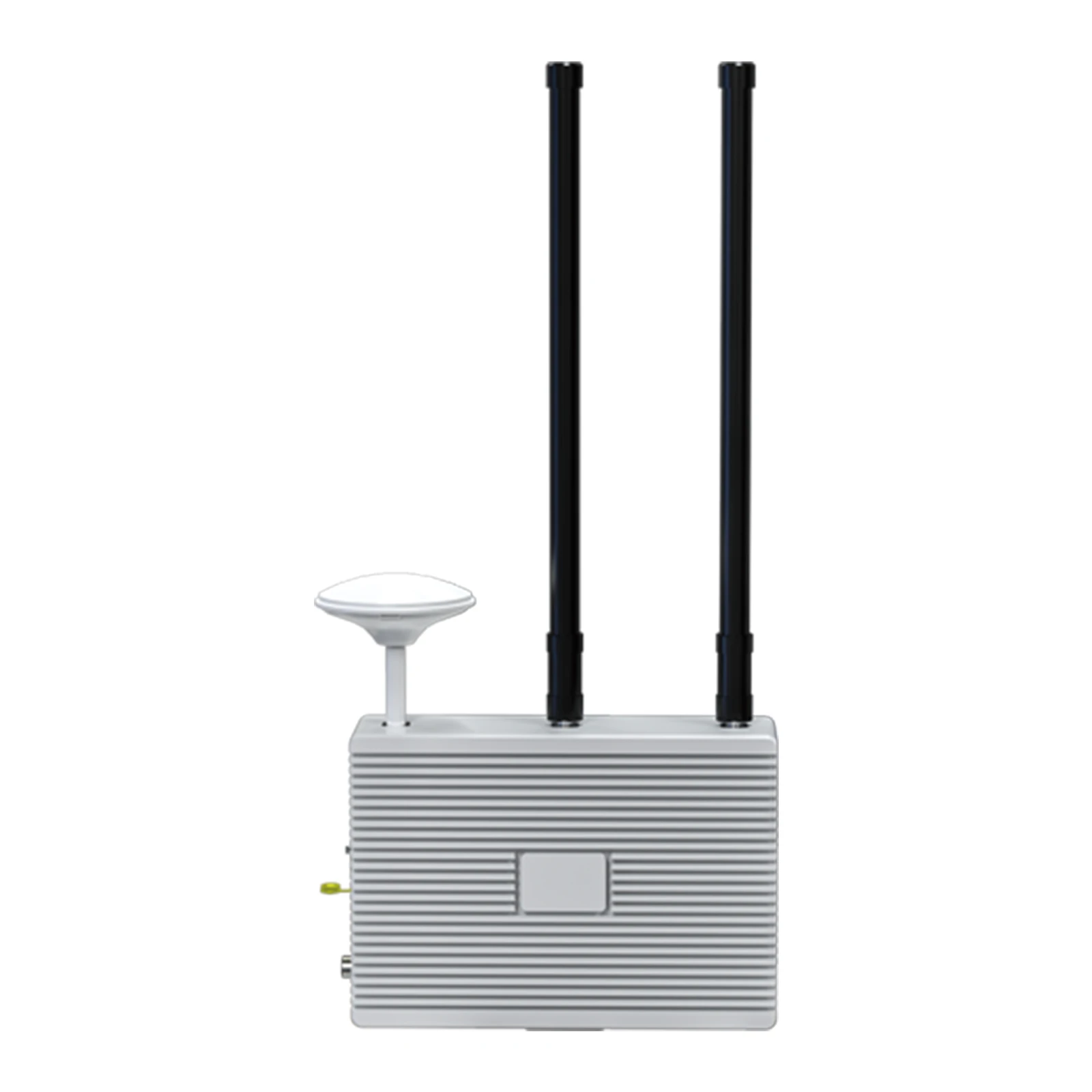
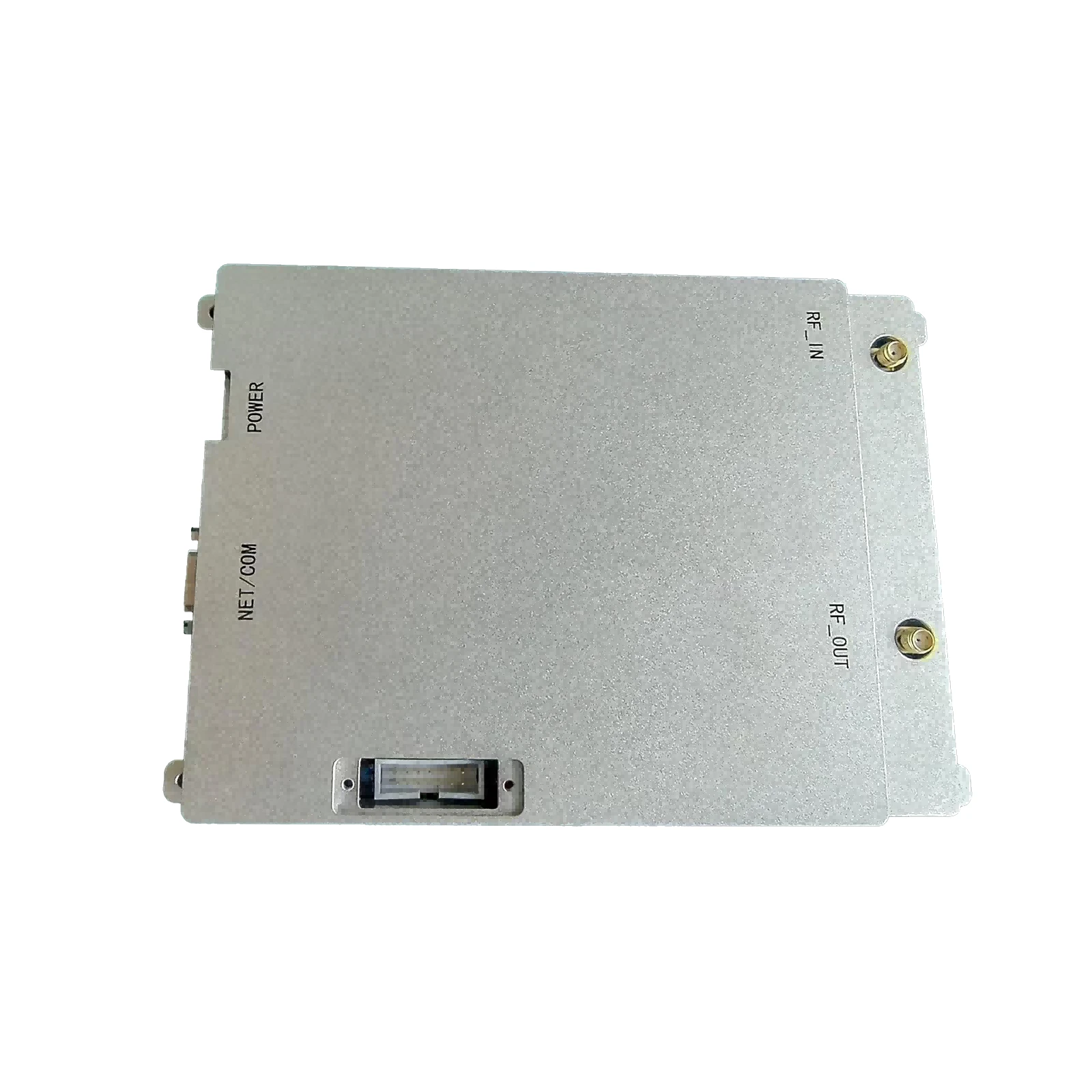
This Shenzhen-built Tx/Rx Module is pitched as a spoofing-capable, protocol-friendly radio building block. In plain English: it provides communication protocols, supports self-developed system design, and can be shipped with a system-level solution. Many customers say they chose it because they can tune link behavior (latency vs. range), plug into UART/SPI/CAN quickly, and still keep security controls close to the chest.
Industry trends (quick take)
- Open protocol access over closed black boxes.
- Mixed-band operation (2.4/5.8 GHz, sometimes sub-GHz) to mitigate congestion.
- Edge encryption and channel agility as standard, not optional.
- Vendor-backed tooling: SDKs, logging, one-click RF profiles.
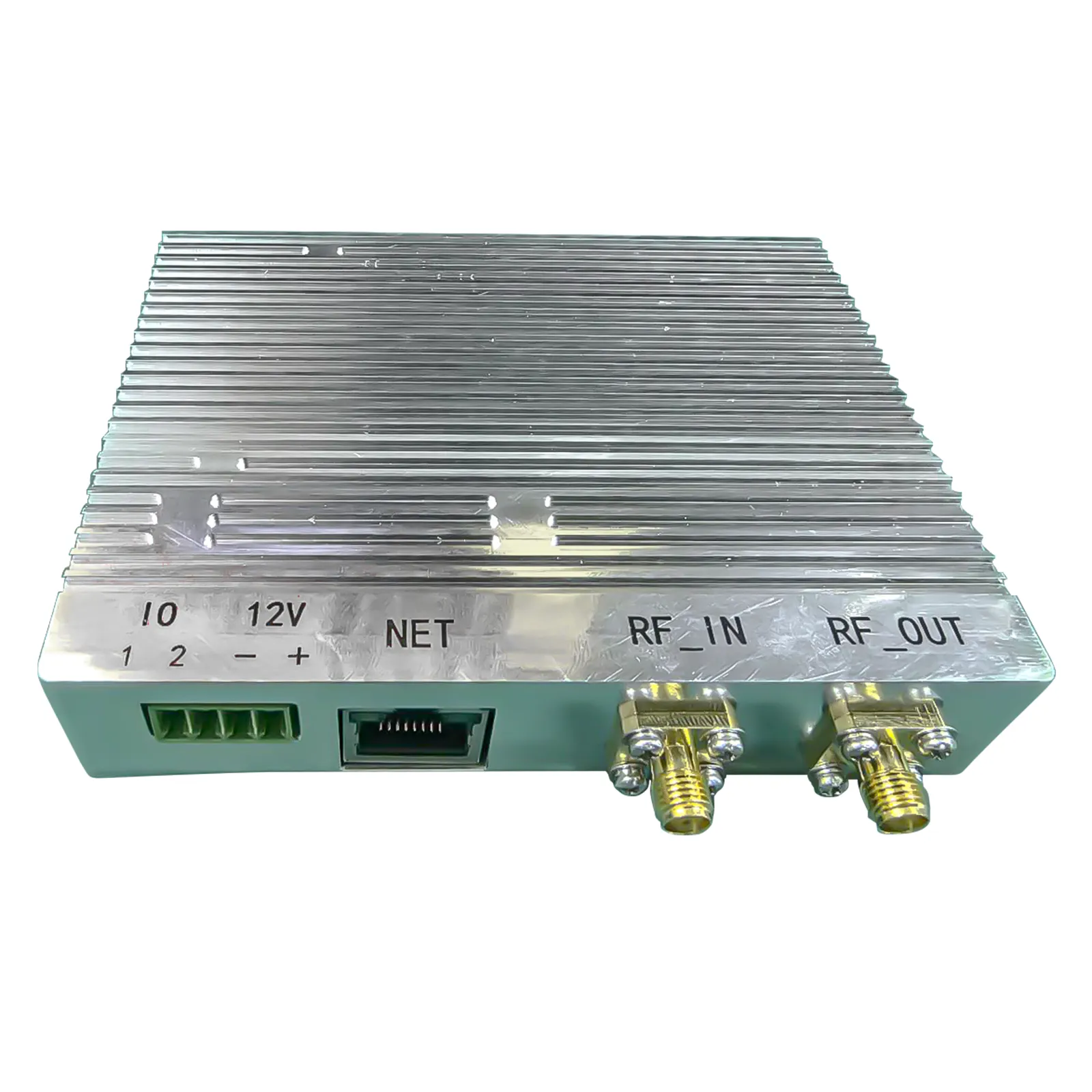
Product specs (engineer-friendly snapshot)
| Frequency options | 2.4 GHz / 5.8 GHz; optional sub-GHz (≈915 MHz, region-specific) |
| TX power | Up to ≈2 W (configurable; real-world use may vary with duty cycle) |
| RX sensitivity | ≈ -98 dBm @ 1% PER (OFDM mode) |
| Interfaces | UART, SPI, CAN; GPIO for failsafe/trigger |
| Security | Configurable encryption and key management (project-dependent) |
| Supply / Power | 5–12 V DC; ≈3–8 W typical link load |
| Size / Weight | ≈45 × 35 × 8 mm; around 22 g |
| Operating temp | -20 °C to +70 °C |
Note: Specs may vary by configuration and local regulatory limits.
Process flow, materials, and testing
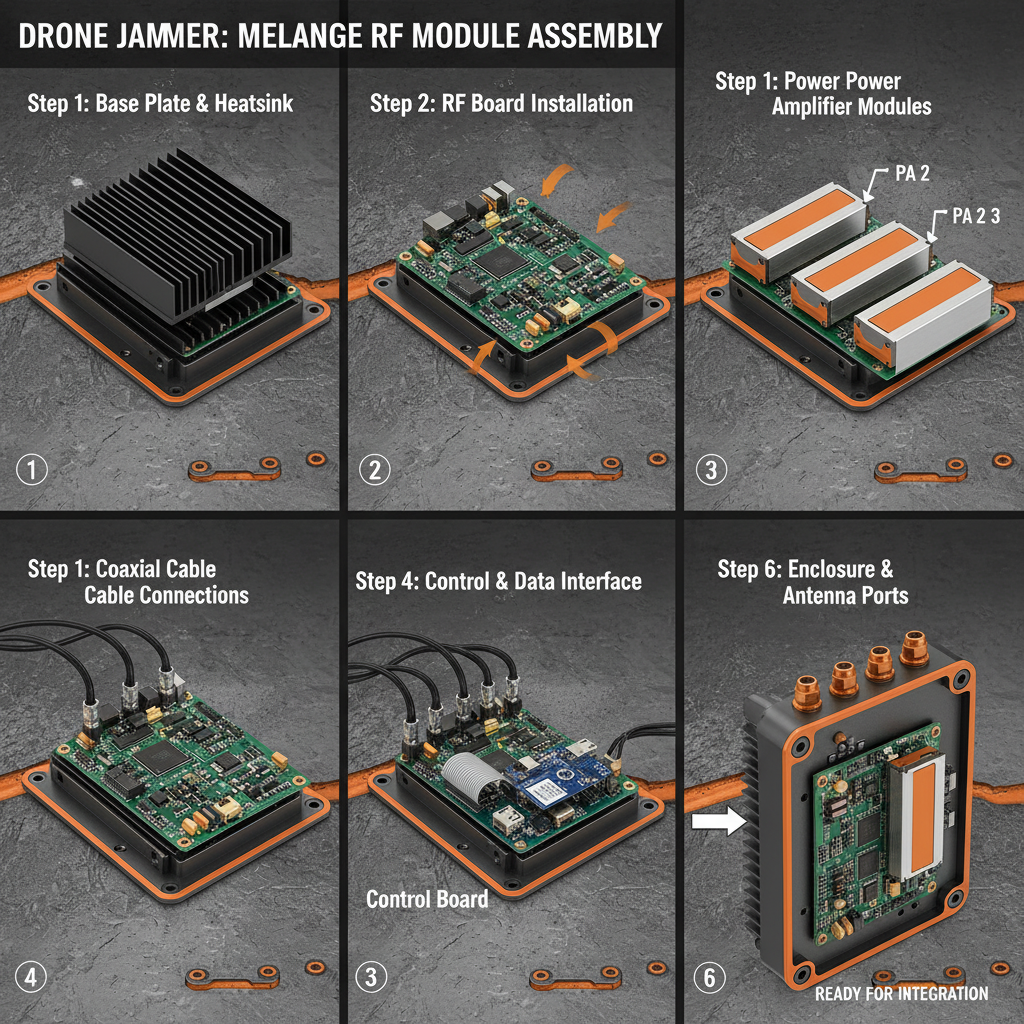
Materials: RF-optimized FR-4 PCB, shield can, aluminum micro-heatsink, conformal coating for moisture. Methods: lead-free reflow, automated optical inspection, calibrated RF alignment. Testing: ATE link tests, VSWR ≤1.8:1, PER/BER sweeps, EVM checks; environmental screening per IEC temperature cycling and, where requested, MIL-STD-810-style vibration. Typical service life: ≈5–7 years in UAV duty cycles with normal thermal management.
Field data (sample)
- Throughput: ≈8–12 Mbps bidirectional at 2 km LoS (2.4 GHz, 1 W, 6 dBi antennas).
- Latency: ≈20–35 ms one-way in telemetry mode; video relay adds 10–25 ms.
- PER:
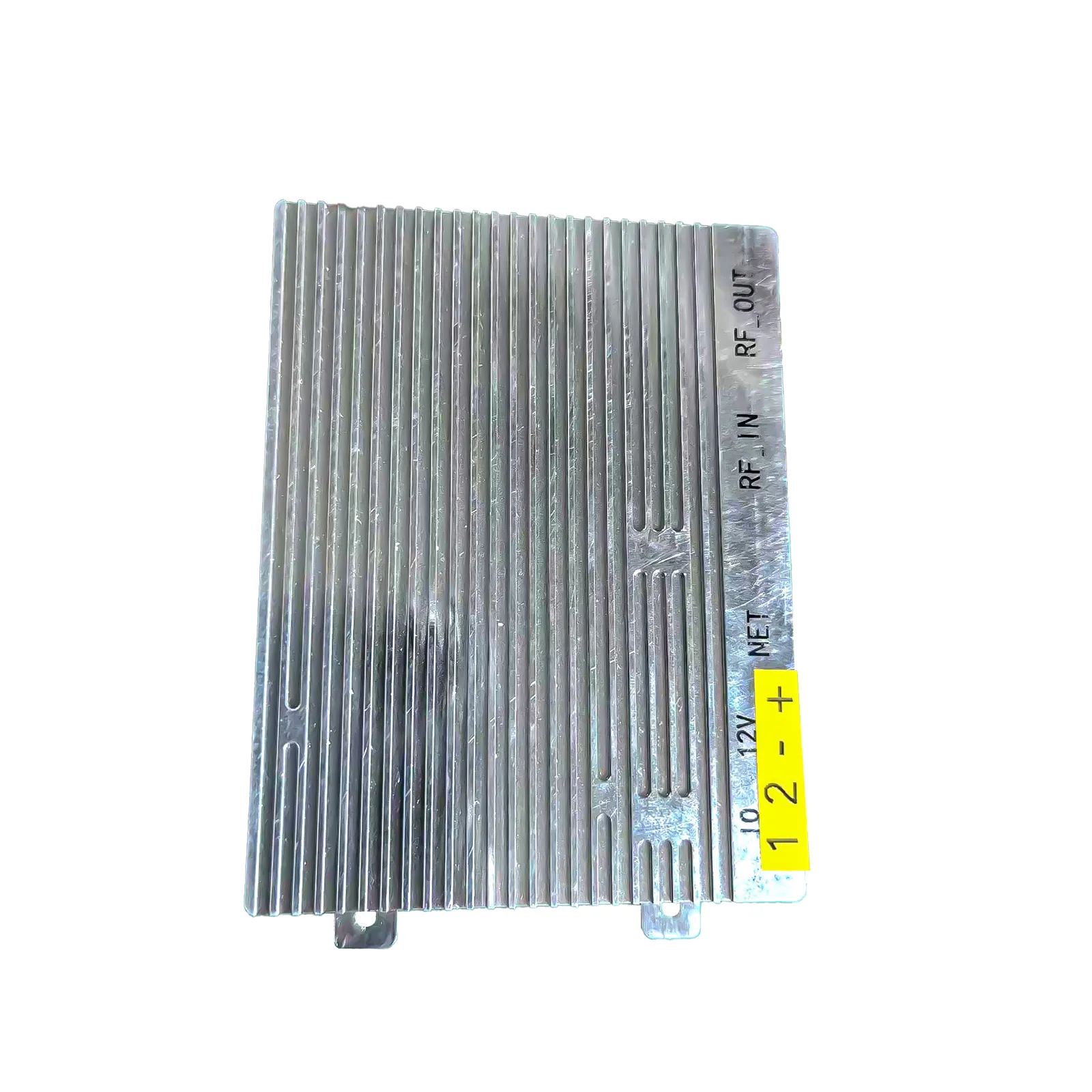
Applications and customization
Use cases: multirotor UAV command-and-control, fixed-wing BVLOS trials (where legal), UGV/AMR fleets, emergency communications, and perimeter security kits. Customization options include RF band presets, antenna connector choice, encrypted protocol packs, and SDK hooks for your control stack. It seems that teams appreciate the Shenzhen support window—fast, pragmatic, and not too formal.
Vendor landscape (quick comparison)
| Vendor | RF Power | Range (LoS) | SDK/Protocol Access | Latency | Certs |
|---|---|---|---|---|---|
| Drone-System Tx/Rx Module | Up to ≈2 W | ≈2–10 km (antenna/profile-dependent) | Open, project-level | ≈20–35 ms | CE/FCC/RoHS (model-dependent) |
| Legacy RF Co. | ≈1 W | ≈1–5 km | Limited APIs | ≈35–60 ms | CE/FCC |
| Generic OEM | ≈0.5–1 W | ≈0.8–3 km | Closed | ≈40–80 ms | Varies |
Certifications and standards
Models are typically validated against FCC Part 15 and ETSI EN 300 328 for unlicensed bands, with CE/FCC/RoHS documentation available. Environmental and IP ratings depend on enclosure. Always check your region’s spectrum rules, to be honest.
Mini case: Municipal UAV team
A city emergency unit piloted the Tx/Rx Module on quadrotors. They ran mixed 2.4/5.8 GHz profiles to avoid stadium-crowd congestion. Feedback: “stable command link in wind and Wi‑Fi clutter,” average 25 ms control latency, and roughly 15% longer mission time after tuning power and duty cycle. Not scientific, but convincing.
Origin: Longgang District, Shenzhen. Availability, specs, and certifications may vary by configuration and jurisdiction.
References

-
 09 March 2021 16 Apr 2026
 -
 09 March 2021 09 Apr 2026
 -
 09 March 2021 07 Apr 2026
 -
 09 March 2021 04 Apr 2026
 -
 09 March 2021 31 Mar 2026
-
 09 March 2021 21 May 2025
 -
 09 March 2021 25 Dec 2024
 -
 09 March 2021 14 Oct 2022
-
 09 March 2021 25 Dec 2024
 English
  Arabic
  Belarusian
  Danish
  Dutch
Dutch  French
  German
  Greek
Greek  Japanese
  Korean
  Myanmar
  Polish
  Portuguese
  Russian
  Spanish
  Swedish
  Thai
Thai  Ukrainian
  Vietnamese