

Tx/Rx Module: Low Noise, Wide Band, High Linearity—Need One?
A Field Note on Modern RF Links: the Tx/Rx Module from Longgang, Shenzhen
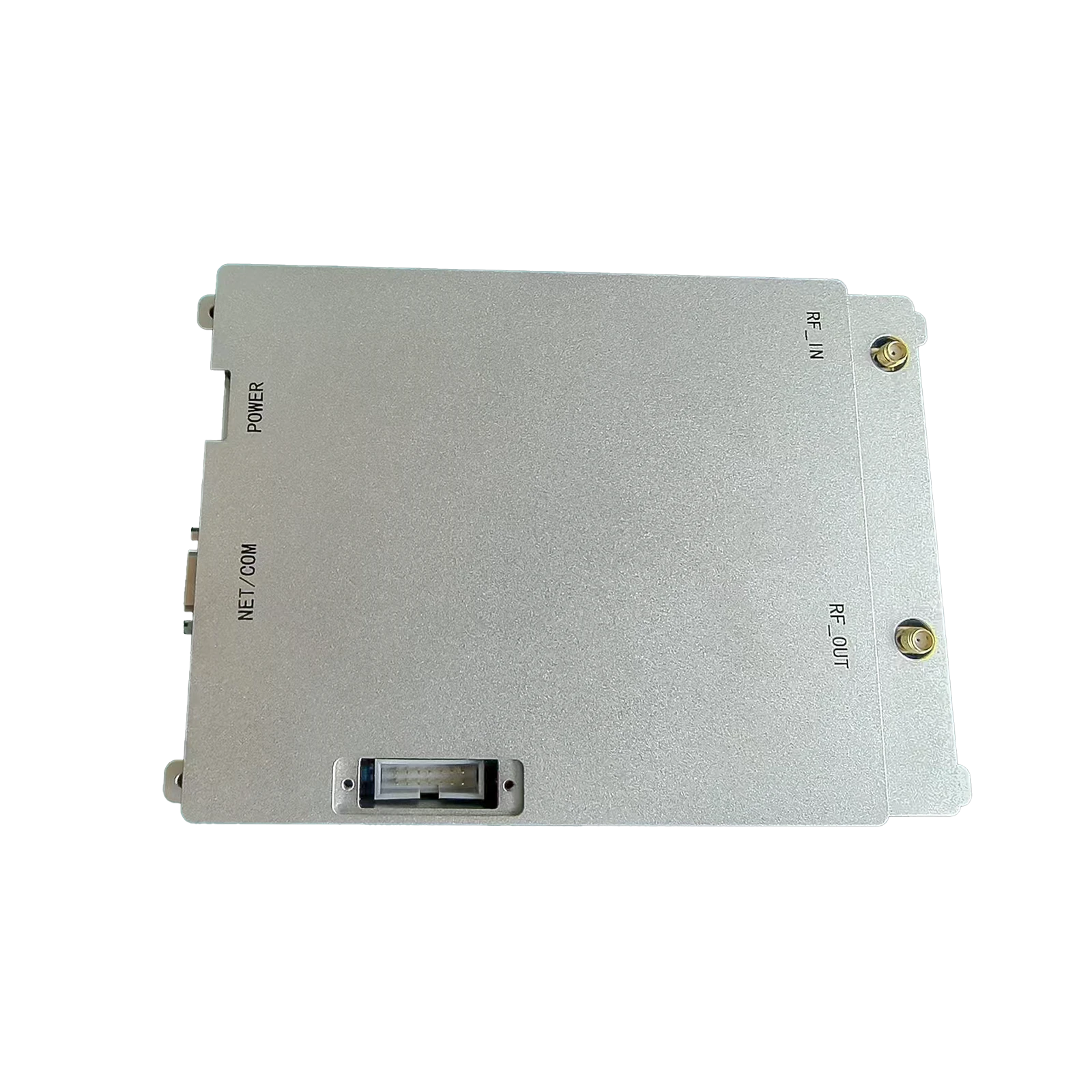
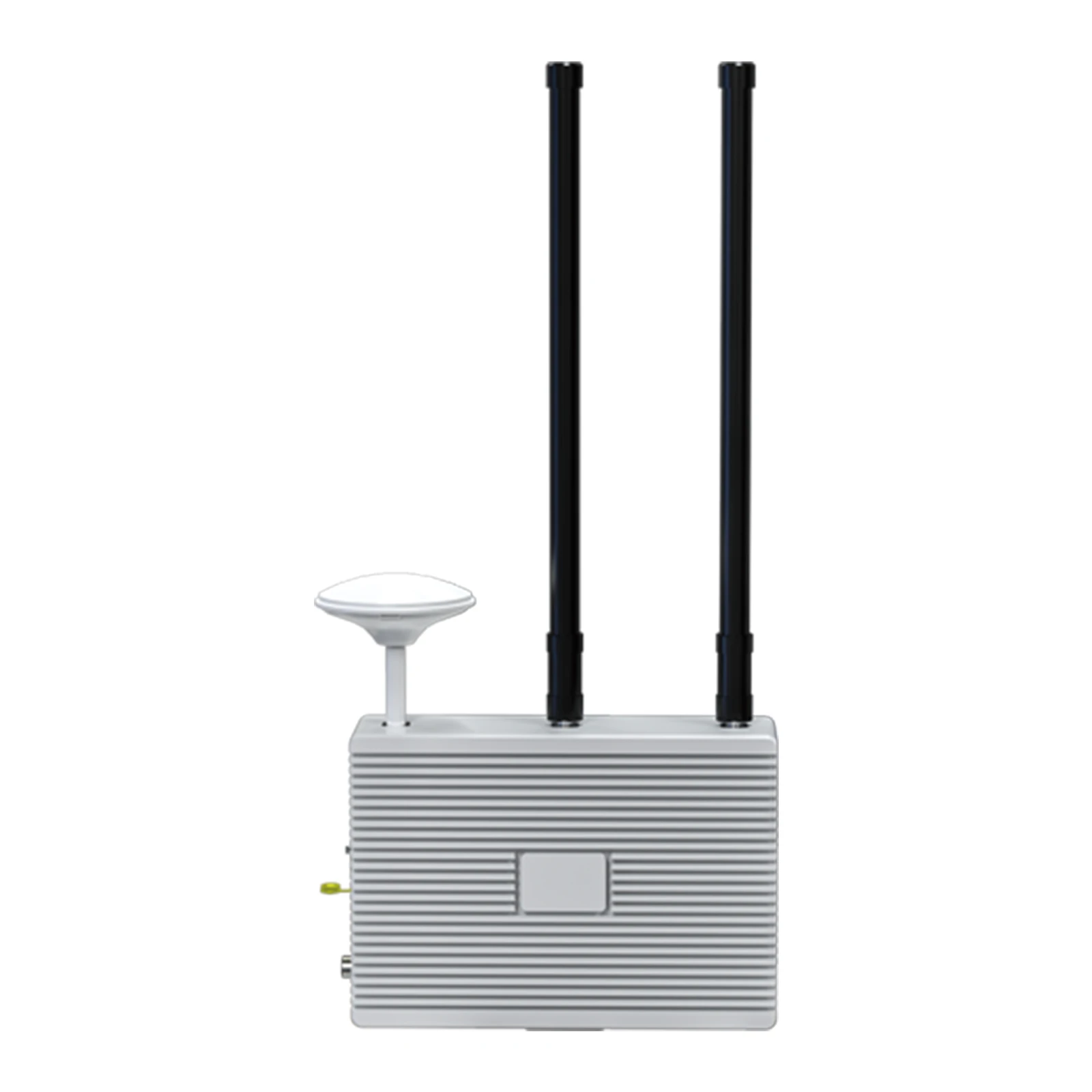
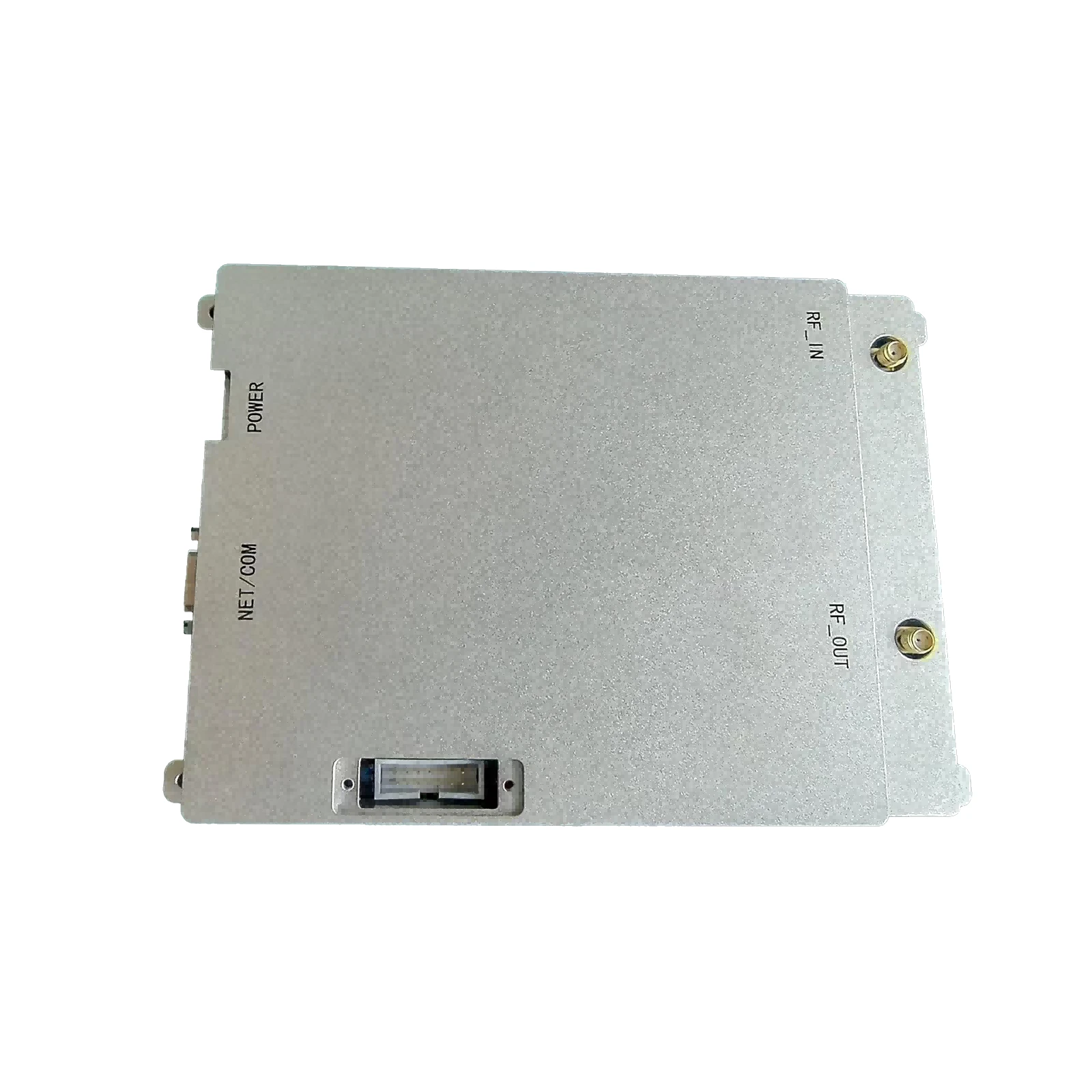
If you build drones, robots, or anything radio-savvy, you know the quiet hero is the link itself. This particular Tx/Rx Module is positioned as a spoofing-capable unit: it provides communication protocols, supports self-developed system design, and ships with full stack system solutions. Coming out of Longgang District, Shenzhen, it’s very much in the “engineer’s engineer” category—pragmatic, configurable, field-tested. And yes, I’ve seen it pop up in labs where timelines are… let’s say unforgiving.
Industry pulse: what’s changing (fast)
Three converging trends shape demand: higher spectral efficiency, resilient links under interference, and configurability for custom stacks. In fact, many customers say they need “protocol agility” more than raw power. Regulatory compliance is tightening too—ETSI/FCC on emissions, IEC/MIL for EMC and ruggedization—so vendors who can iterate firmware and prove test data win mindshare.
Key specifications (typical)
| Frequency Range | 300 MHz–6 GHz (configurable bands) |
| Modulation | OFDM, FSK, QPSK; custom waveforms on request |
| Channel Bandwidth | 1–20 MHz (≈, region-dependent) |
| TX Power | Up to 30 dBm (real-world use may vary) |
| RX Sensitivity | ≈ -100 dBm @ 1% PER |
| Latency | ≈ 8–20 ms one-way (profile dependent) |
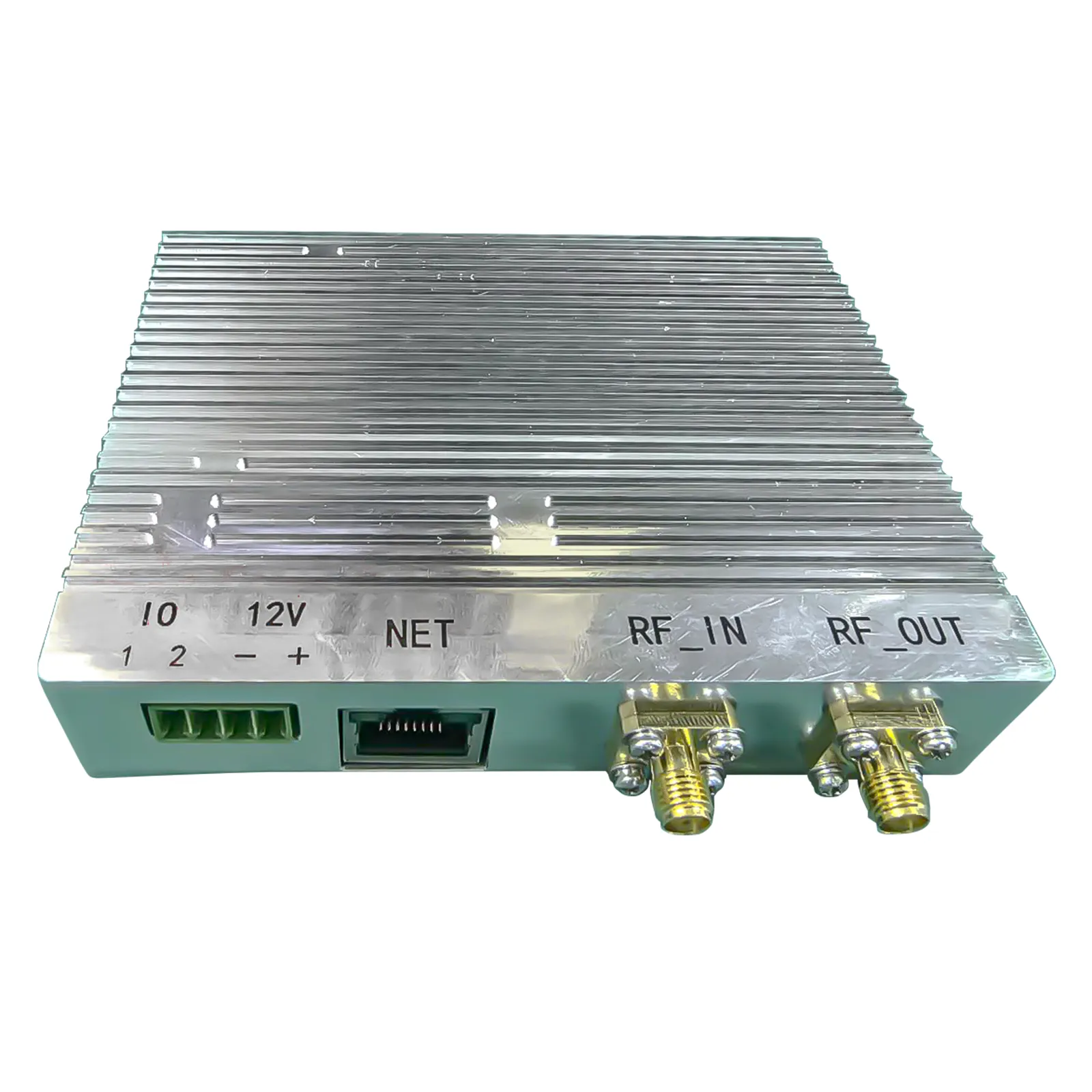
| Interfaces | SPI, UART, Ethernet; API/SDK for protocol access |
| Voltage / Power | 5–12 VDC; 1.5–6 W typical |
| Operating Temp | -20°C to +70°C (extended on request) |
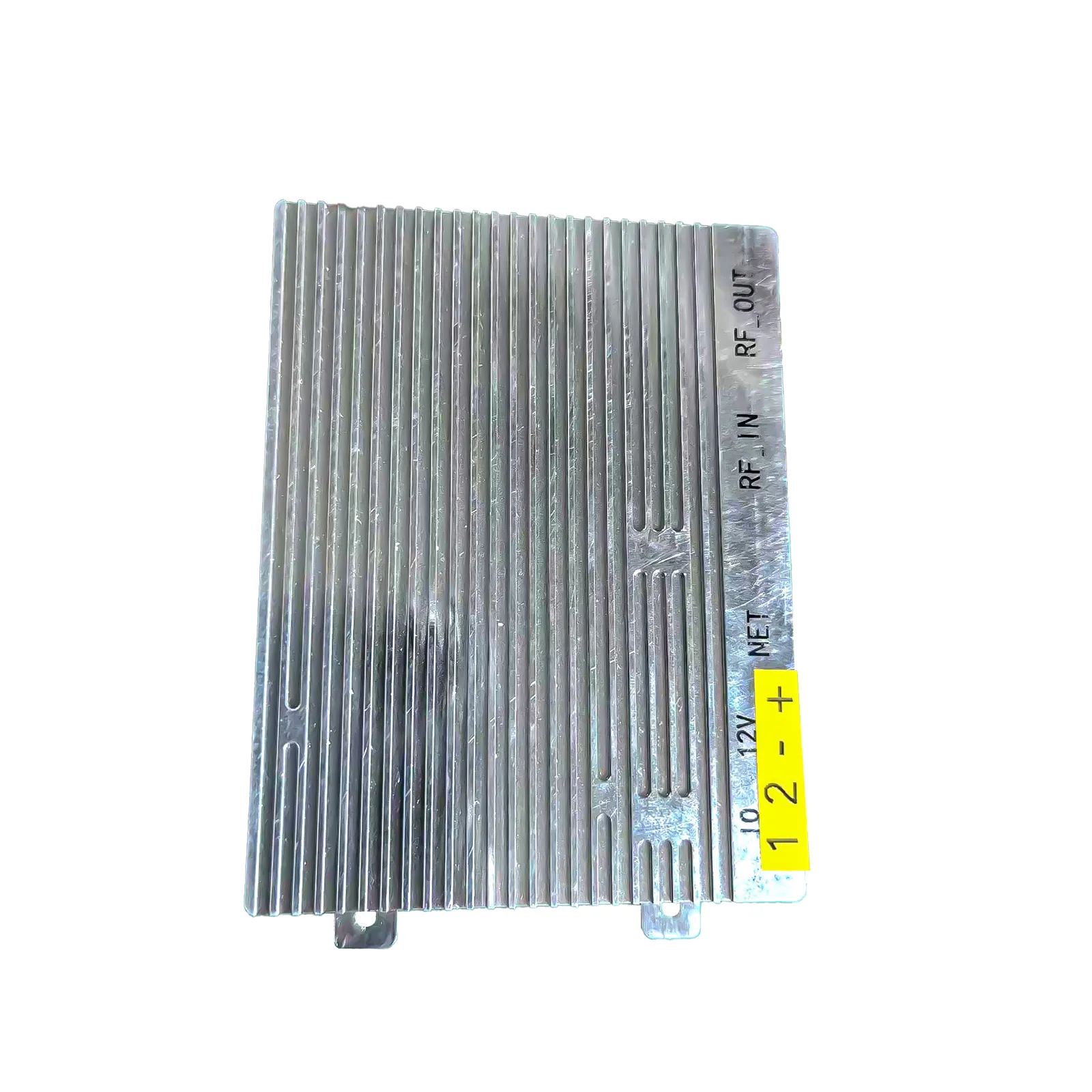
| Form Factor | Compact board module; u.FL/SMA options |
Process flow, materials, and testing
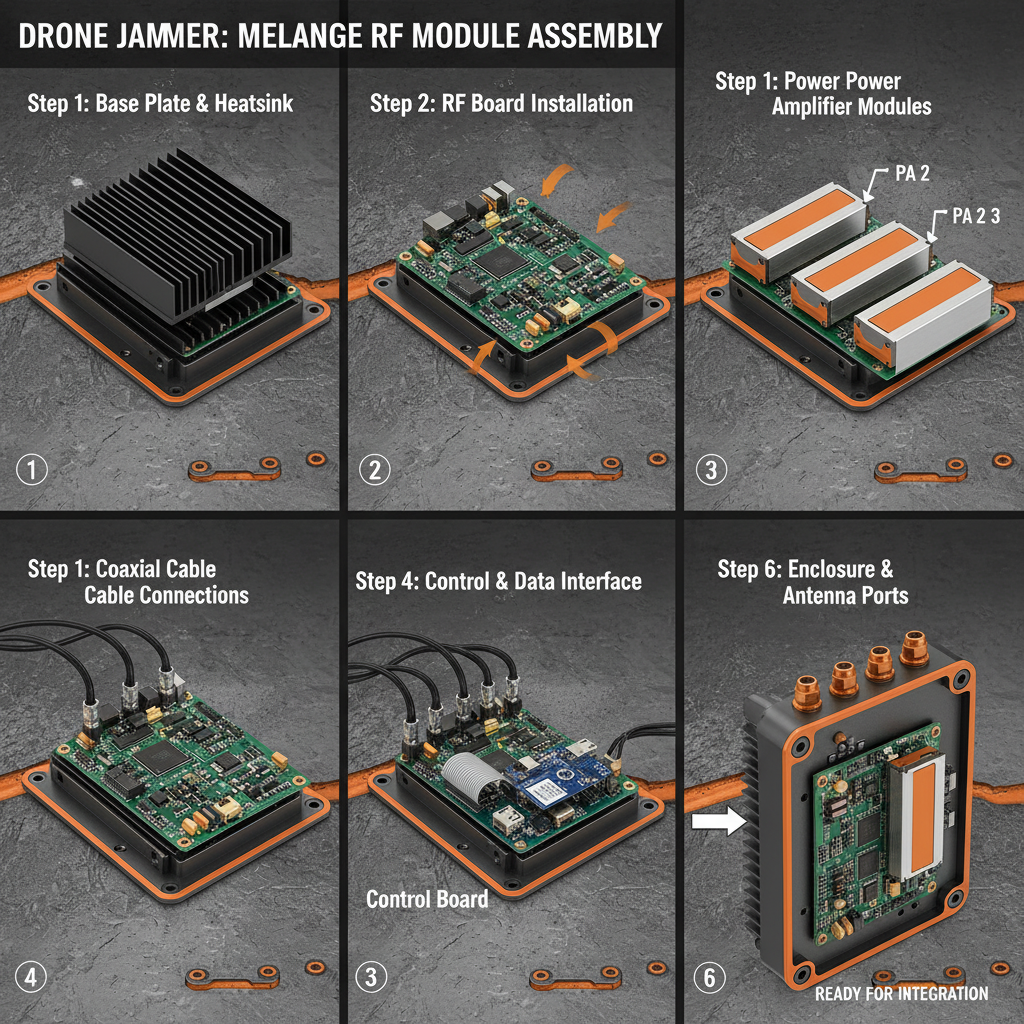
Materials: RF front-end with LNA and PA (GaAs/GaN as needed), high-stability TCXO, mixed FR-4/Rogers stack-up for controlled impedance, conformal coating optional.
Methods: automated SMT, reflow per IPC-A-610, RF calibration with vector network analysis, firmware provisioning with signed images.
Testing standards: pre-scan per FCC Part 15/ETSI EN 300 328, EMC checks against IEC 61000-4-x, environmental stress screening referencing MIL-STD-810H/IEC 60068 (vibration, thermal cycle).
Service life: MTBF ≈ 50,000–80,000 hours (model-based; environment matters).
Where it’s used (and why)
- UAV and UGV telemetry—redundant links with interference resilience.
- Industrial IoT in noisy RF plants; protocol customization helps.
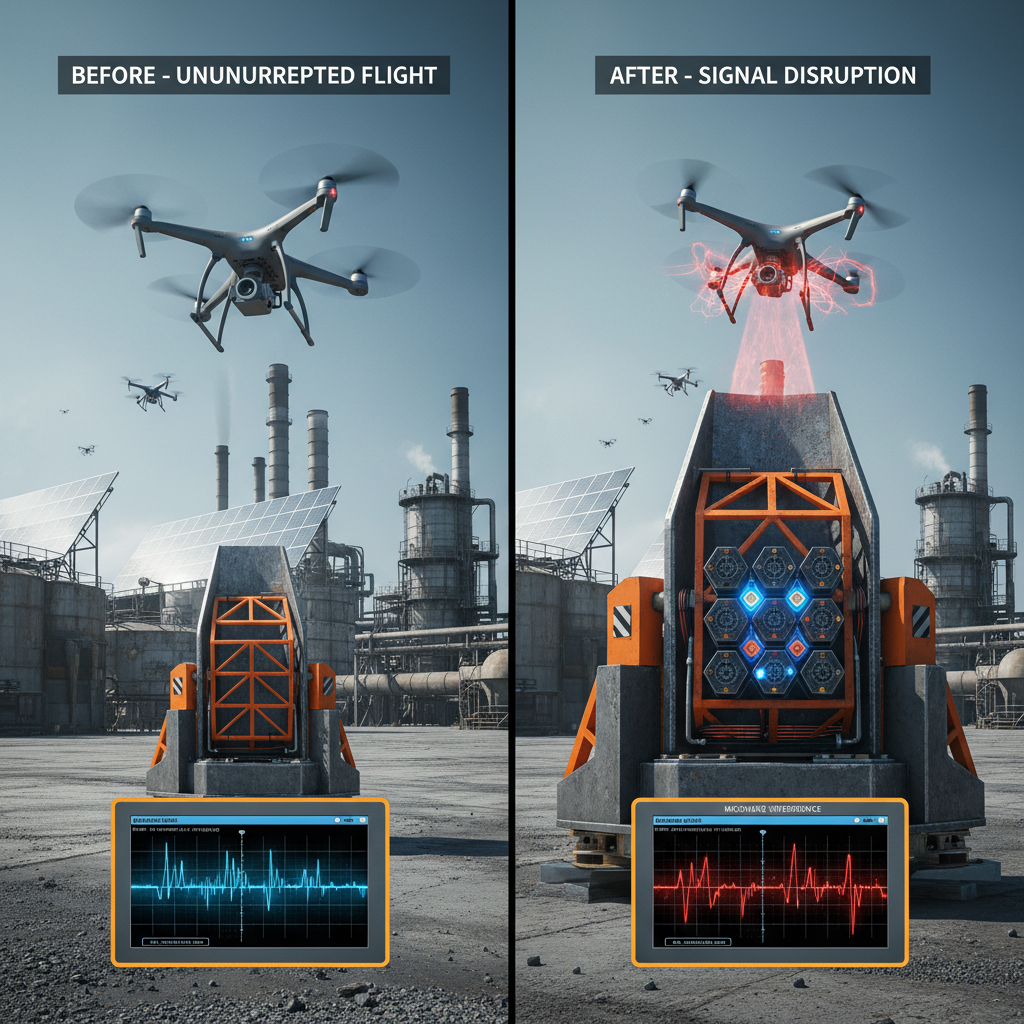
- Test ranges and training systems; spoofing profiles for evaluation.
- Logistics robots needing low-latency control loops.
Advantages I keep hearing about: flexible APIs, quick firmware tweaks, and realistic throughput under congestion. One lab shared packet success rate ≈ 99.3% at 1 km LOS, BER
Vendor snapshot
| Vendor | Bands | Latency | Encryption | SDK | Lead Time | Origin |
|---|---|---|---|---|---|---|
| Drone-System Tx/Rx Module | 300 MHz–6 GHz | ≈ 8–20 ms | AES-128/256 (profile-based) | Full API, custom protocol hooks | 2–4 weeks typical | Shenzhen |
| Vendor A | Sub-1 GHz | ≈ 20–35 ms | Basic | Limited | 6–8 weeks | EU |
| Vendor B | 2.4/5 GHz | ≈ 10–25 ms | Advanced | Moderate | 4–6 weeks | US |
Customization and real-world notes
Custom bands, power profiles, and protocol “personas” are on the table. To be honest, that’s the hook: you can align the Tx/Rx Module to your stack without rewriting your entire control layer. Integrators told me the vendor’s firmware team turns around special builds faster than expected.
Case studies (brief)
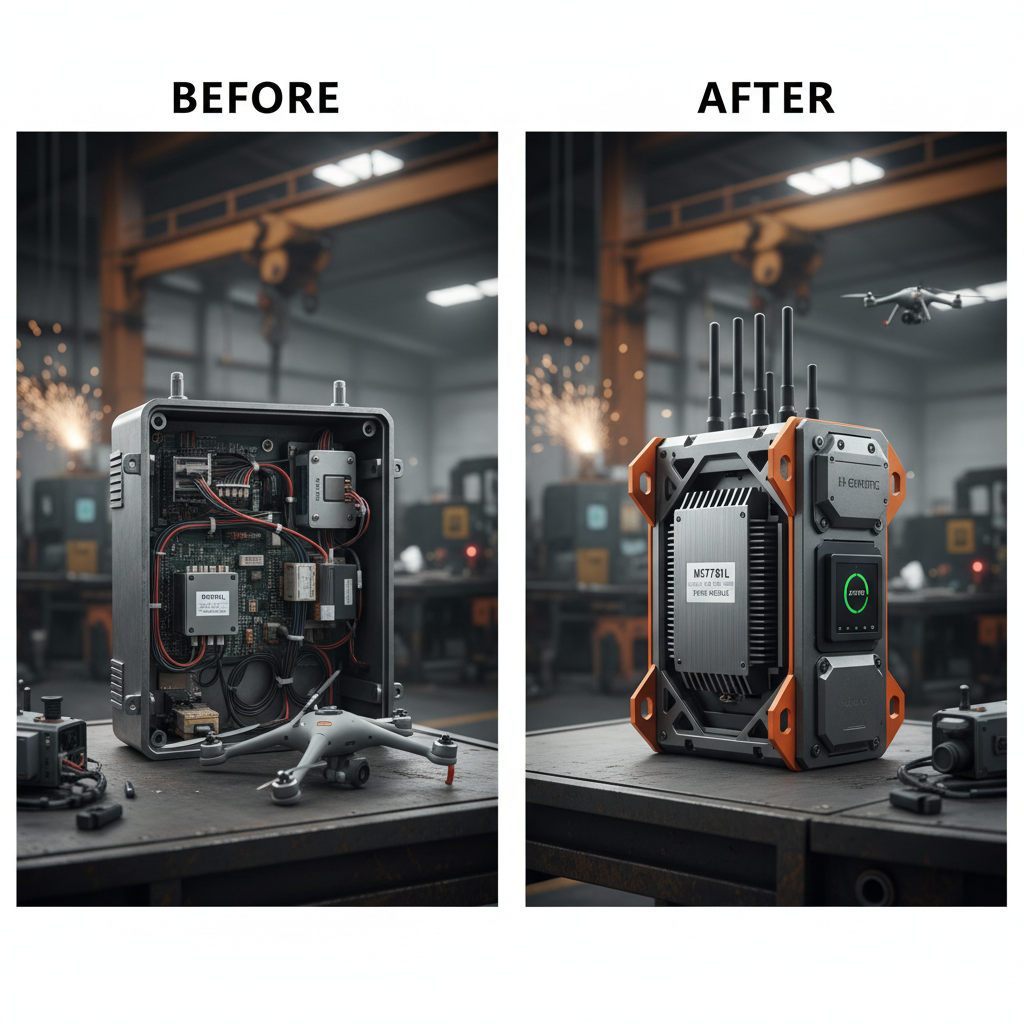
- Autonomous drones: swapped legacy link for Tx/Rx Module, saw ≈ 18% range gain and smoother uplink video in urban canyons.
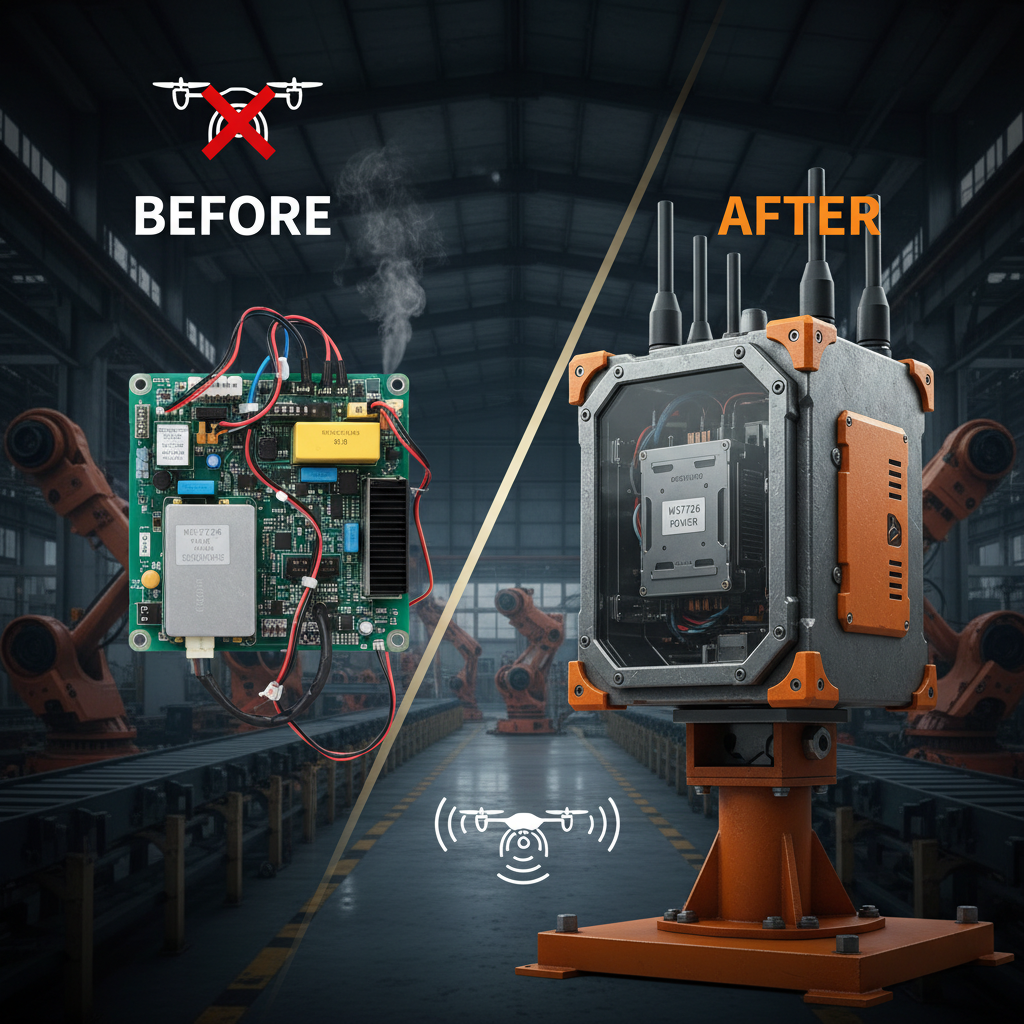
- Factory AMRs: custom narrowband profile cut retries by ~30% near weld cells; maintenance logs showed fewer link alarms over 60 days.
Certifications and compliance
Pre-compliance tested against FCC Part 15 and ETSI EN 300 328; EMC checks per IEC 61000-4-3; environmental per MIL-STD-810H methods (vibe/thermal). CE, RoHS, and REACH documentation available on request. Always validate final end-product certification—modules help, but the enclosure and antennas change the picture.
References: [1] FCC Part 15; [2] ETSI EN 300 328; [3] IEC 61000-4-3; [4] MIL-STD-810H; [5] IPC-A-610.

-
 09 March 2021 16 Apr 2026
 -
 09 March 2021 09 Apr 2026
 -
 09 March 2021 07 Apr 2026
 -
 09 March 2021 04 Apr 2026
 -
 09 March 2021 31 Mar 2026
-
 09 March 2021 21 May 2025
 -
 09 March 2021 25 Dec 2024
 -
 09 March 2021 14 Oct 2022
-
 09 March 2021 25 Dec 2024
 English
  Arabic
  Belarusian
  Danish
  Dutch
Dutch  French
  German
  Greek
Greek  Japanese
  Korean
  Myanmar
  Polish
  Portuguese
  Russian
  Spanish
  Swedish
  Thai
Thai  Ukrainian
  Vietnamese