

Comprehensive Guide to 866 mhz rf module Applications and Key Features
Understanding the 866 MHz RF Module: A Comprehensive Guide
The 866 MHz RF module has become a cornerstone in many wireless communication systems, particularly within IoT, remote control, and data transmission applications. This article delves into the core functionalities, benefits, and applications of these modules, providing a thorough overview for engineers, hobbyists, and anyone looking to integrate robust wireless connectivity into their projects. We’ll explore why choosing the right 866 MHz module is vital for achieving reliable and efficient data transfer. Drone-System.com provides a wide selection of high-quality RF modules to suit diverse needs.
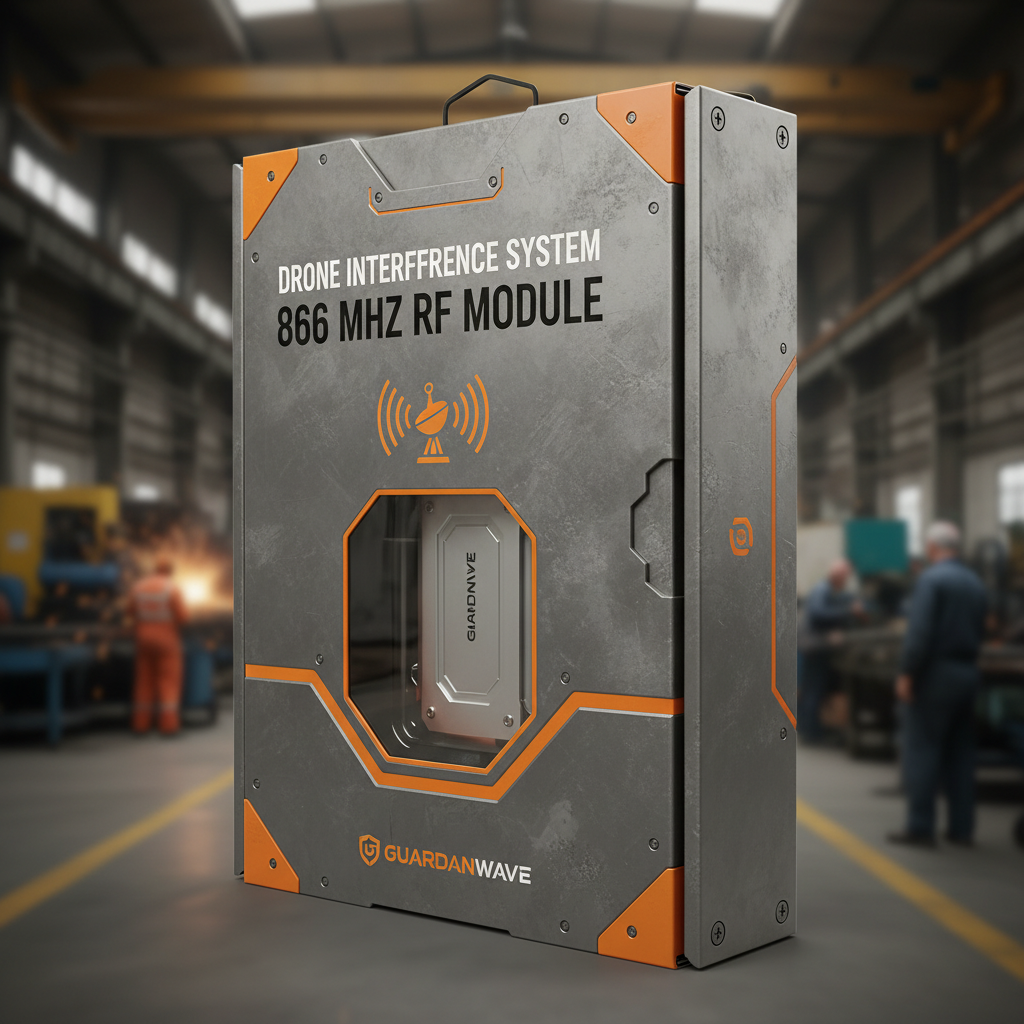
What is an 866 MHz RF Module?
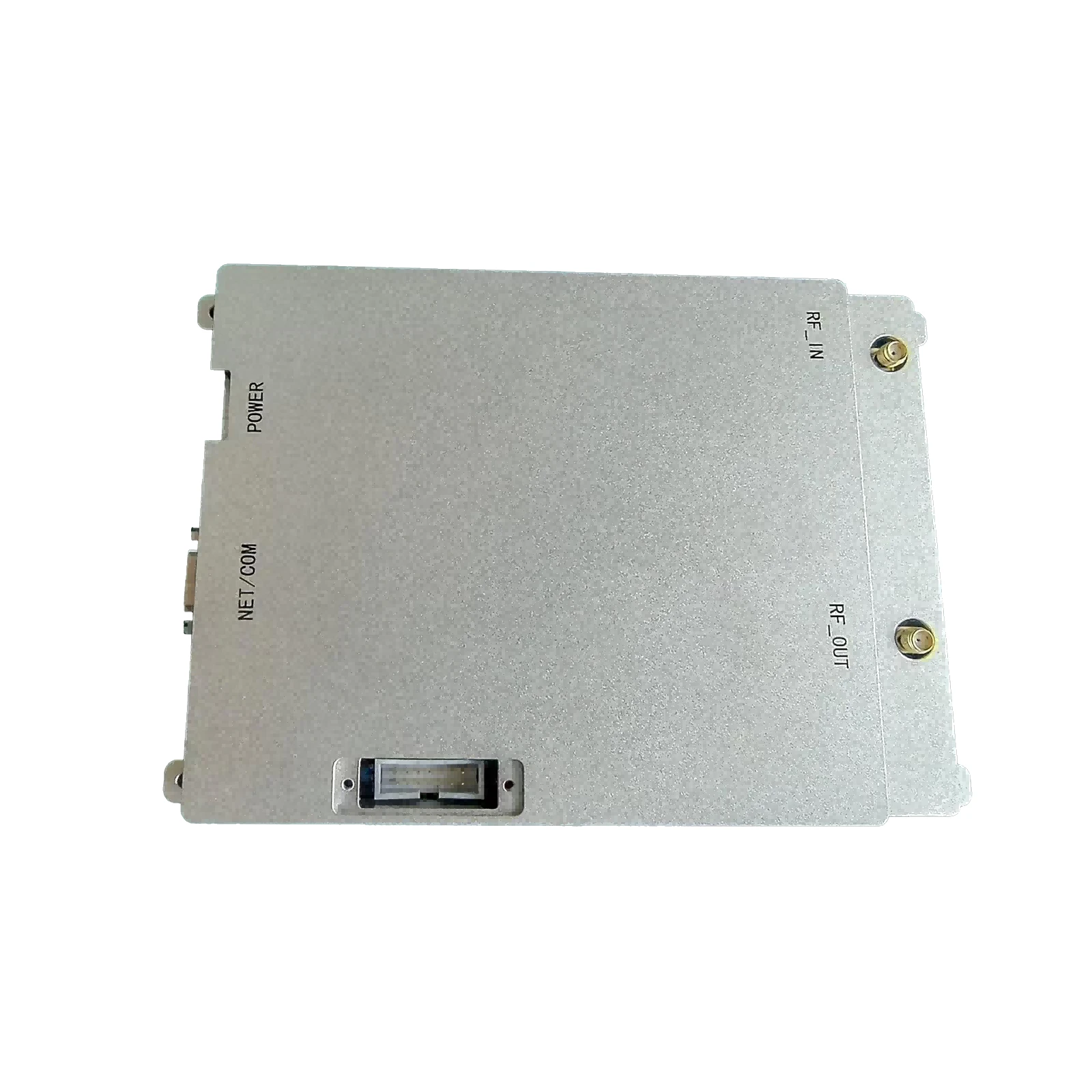
An 866 MHz RF module is a compact, self-contained radio frequency transmitter and receiver unit operating within the 866 MHz Industrial, Scientific, and Medical (ISM) band. This frequency band allows for license-free operation in many regions, making it an attractive choice for a broad spectrum of applications. These modules typically consist of a radio chip, antenna connector, and supporting components, all integrated onto a small PCB. They’re designed for easy integration into various electronic projects, providing a straightforward solution for wireless communication. The key advantage of using these modules is that they abstract away much of the complexity of RF design, allowing developers to focus on their application logic rather than low-level radio details.
Key Highlights: Compact size, license-free operation in many regions, easy integration, simplifies RF design.
Key Features and Benefits of 866 MHz RF Modules
Longer Range: Compared to 2.4 GHz modules, 866 MHz signals generally offer a longer range due to their lower frequency and better penetration through obstacles. This makes them ideal for applications requiring communication over significant distances, or in environments with obstructions. Lower Power Consumption: 866 MHz modules can often achieve similar communication ranges with lower transmit power, resulting in extended battery life for portable devices. Interference Resistance: While 2.4 GHz bands are crowded with WiFi and Bluetooth signals, the 866 MHz band typically experiences less interference, leading to more reliable communication. Cost-Effectiveness: These modules are generally quite affordable, making them a practical choice for both hobbyist projects and large-scale deployments. Explore the range of 866MHz modules at Drone-System.com to find the perfect fit for your project.
Benefits Summary:
• Longer range and better penetration
• Lower power consumption for extended battery life
• Reduced interference for more reliable communication
• Cost-effective solution for various applications
Applications of 866 MHz RF Modules
The versatility of 866 MHz RF modules makes them suitable for a wide range of applications. Some common examples include: Wireless Sensor Networks: Connecting sensors for environmental monitoring, industrial automation, and smart agriculture. Remote Control Systems: Controlling drones, robots, and other remote-operated devices. Telemetry Systems: Transmitting data from remote locations, such as weather stations or vehicle tracking systems. Smart Home Automation: Connecting smart home devices like lights, thermostats, and security systems. Industrial Control: Enabling wireless control of machinery and processes in industrial settings. These modules are frequently used in applications where reliable, long-range communication is crucial.
Comparing 866 MHz to Other RF Frequencies
When choosing an RF module, it’s crucial to consider the different frequency options available. Here’s a brief comparison between 866 MHz, 2.4 GHz, and 915 MHz: 866 MHz: Offers longer range and better penetration, lower power consumption, and less interference (in many regions). 2.4 GHz: Widely used due to its high data rates, but suffers from shorter range and significant interference from WiFi and Bluetooth. 915 MHz: Similar to 866 MHz in terms of range and penetration, but may have different regional regulations. The best choice depends on the specific application requirements. Find the ideal RF module for your needs at Drone-System.com.

Selecting the Right 866 MHz RF Module
When selecting an 866 MHz RF module, consider factors such as transmit power, receiver sensitivity, data rate, antenna connector type, and operating voltage. Pay attention to the module's compliance with regional regulations. Also, consider the availability of development tools and support resources. Drone-System.com offers a detailed selection of modules with comprehensive specifications and support.
Conclusion: The Power of 866 MHz Wireless Communication
The 866 MHz RF module represents a powerful and versatile solution for a wide range of wireless communication applications. Its combination of long range, low power consumption, and interference resistance makes it an excellent choice for projects requiring reliable data transfer. By carefully considering your application requirements and choosing the right module, you can unlock the full potential of 866 MHz technology.
Frequently Asked Questions (FAQs)
What is the typical range of an 866 MHz RF module?
The range of an 866 MHz RF module varies significantly based on factors such as transmit power, antenna gain, and environmental conditions. In open-air conditions, a typical module can achieve a range of 100 meters to 1 kilometer or even more with high-gain antennas. However, obstacles like walls, trees, and buildings can significantly reduce the range. For optimal performance, careful antenna selection and placement are crucial. Signal strength can be maximized by ensuring a clear line of sight between the transmitter and receiver whenever possible.
Are 866 MHz RF modules susceptible to interference?
While 866 MHz generally experiences less interference than the 2.4 GHz band, it's not entirely immune. Potential sources of interference include other RF devices operating in the ISM band, as well as environmental factors like electrical noise. Using shielded cables, proper grounding techniques, and frequency hopping can help mitigate interference. It’s also advisable to select modules with good receiver sensitivity and filtering capabilities to improve interference rejection.
What are the regional regulations regarding the use of 866 MHz RF modules?
The use of 866 MHz RF modules is subject to regional regulations that vary by country. It's essential to ensure that your module and application comply with the relevant regulations in your operating location. These regulations may specify limits on transmit power, antenna gain, and duty cycle. Failure to comply can result in legal penalties. Always consult the regulatory authorities in your region to confirm the applicable rules. Drone-System.com provides information on regulatory compliance for its products.

-
 09 March 2021 16 Apr 2026
 -
 09 March 2021 09 Apr 2026
 -
 09 March 2021 07 Apr 2026
 -
 09 March 2021 04 Apr 2026
 -
 09 March 2021 31 Mar 2026
-
 09 March 2021 21 May 2025
 -
 09 March 2021 25 Dec 2024
 -
 09 March 2021 14 Oct 2022
-
 09 March 2021 25 Dec 2024
 English
  Arabic
  Belarusian
  Danish
  Dutch
Dutch  French
  German
  Greek
Greek  Japanese
  Korean
  Myanmar
  Polish
  Portuguese
  Russian
  Spanish
  Swedish
  Thai
Thai  Ukrainian
  Vietnamese