

Comprehensive Guide to 900MHz RF Module Applications and Technical Specifications
Understanding the 900MHz RF Module: A Comprehensive Guide
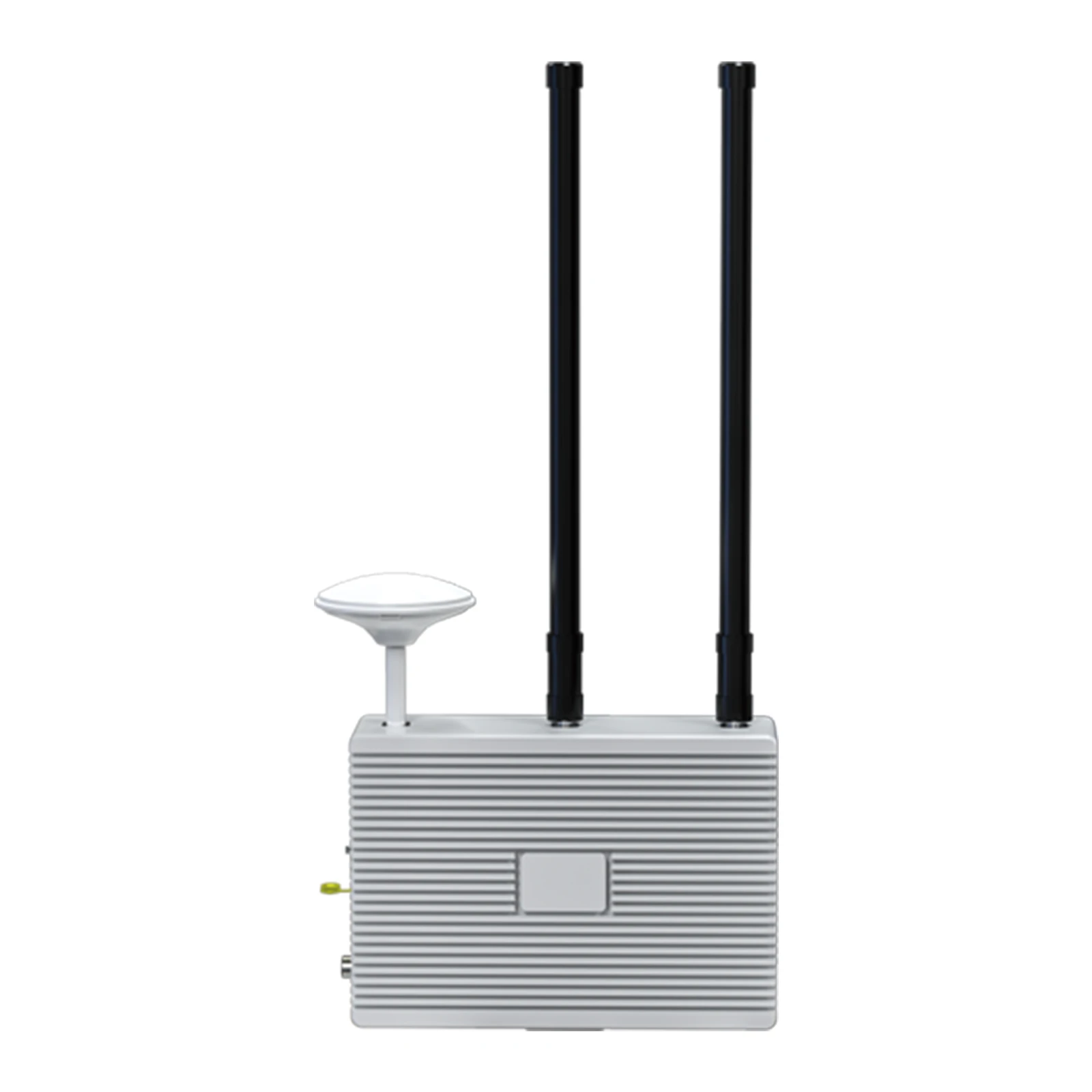
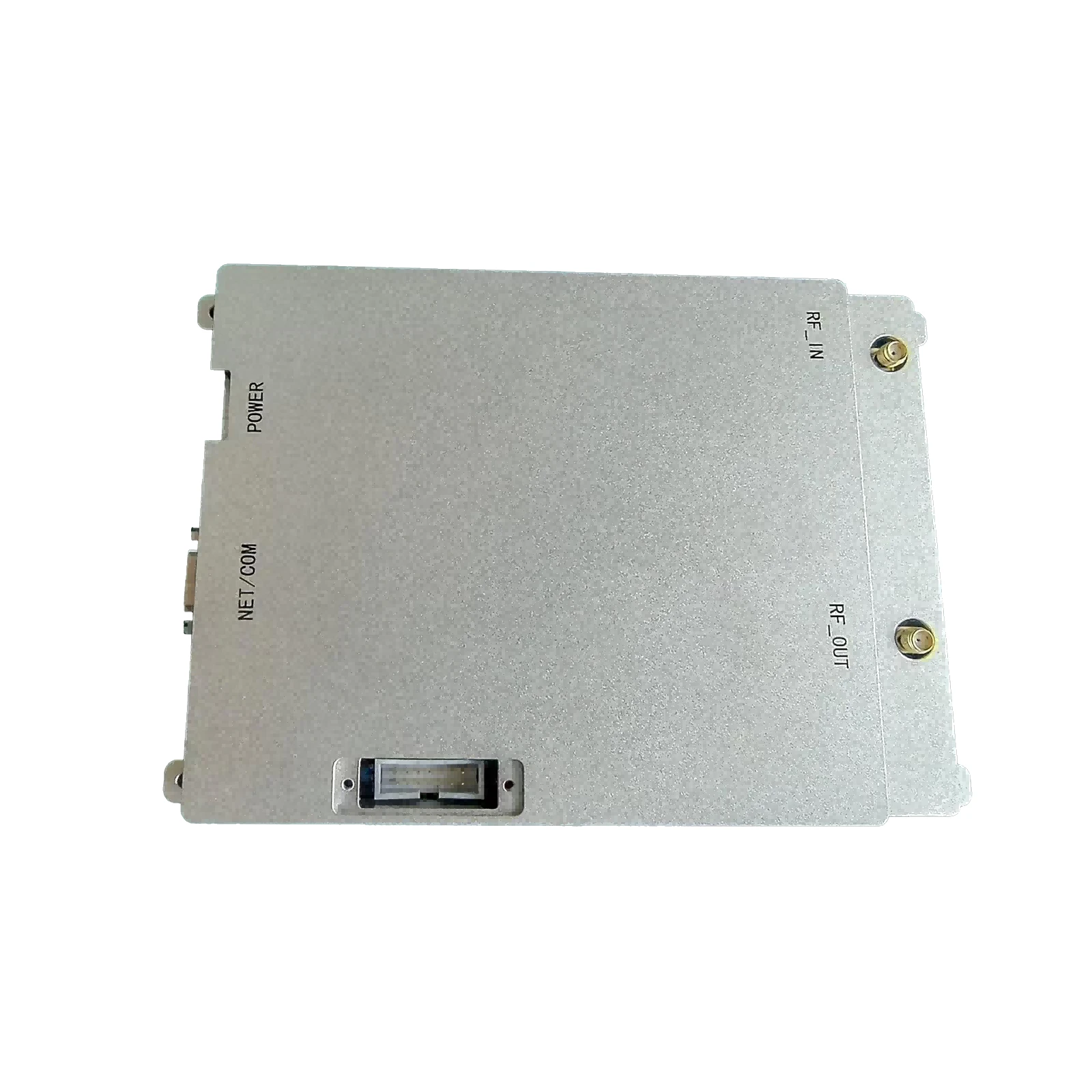
The 900MHz RF module is a crucial component in a wide range of wireless communication applications, offering a balance of range, data rate, and power consumption. From remote control systems and wireless sensor networks to industrial automation and IoT devices, these modules provide a reliable solution for short to medium-range wireless connectivity. This article will delve into the key aspects of 900MHz RF modules, covering their applications, benefits, technical specifications, and how they compare to other RF frequencies. Drone-System.com offers a variety of RF solutions to meet your specific needs.

Key Features and Applications of 900MHz RF Modules
900MHz RF modules excel in scenarios demanding robust communication through obstacles and over moderate distances. They offer a good compromise between range and power consumption, making them ideal for battery-powered applications. Common applications include remote controls for garage doors and gates, wireless metering systems, security systems, industrial remote monitoring, and data loggers. The frequency's longer wavelength allows it to penetrate walls and other obstructions more effectively than higher frequencies like 2.4GHz. Explore our RF module selection to find the perfect fit for your project.
Key Highlights: Excellent penetration through obstacles, moderate range, relatively low power consumption, and well-suited for battery-operated devices. Widely available and cost-effective.
Understanding the Technical Specifications of a 900MHz RF Module
When selecting a 900MHz RF module, several key specifications need careful consideration. These include transmission power (dBm), receiver sensitivity (dBm), data rate (kbps or Mbps), operating voltage, and antenna connector type. Transmission power dictates the module’s range, while receiver sensitivity determines its ability to detect weak signals. Data rate influences the speed at which information can be transferred. Understanding these parameters is crucial for ensuring optimal performance in your specific application.
Key Technical Specifications:
• Frequency: 900MHz (typically 915MHz in North America)
• Transmission Power: Up to +20 dBm
• Receiver Sensitivity: -110 dBm or better
• Data Rate: 1.2 kbps to 100 kbps (depending on modulation)
• Operating Voltage: 3.3V or 5V
900MHz RF Modules vs. Other RF Frequencies
The choice of RF frequency depends heavily on the application. While 900MHz offers excellent penetration, it generally has lower data rates compared to 2.4GHz or 5.8GHz. 2.4GHz is widely used due to its higher data rates and compatibility with technologies like Bluetooth and Wi-Fi, but it suffers from greater attenuation from obstacles. 5.8GHz provides even higher data rates but has the shortest range and is most susceptible to absorption. Consider these trade-offs when selecting the appropriate frequency.
Choosing the Right 900MHz RF Module from Drone-System.com
Drone-System.com provides a wide selection of 900MHz RF modules to suit various applications. We offer modules with different transmission powers, receiver sensitivities, and data rates. Our team of experts can help you select the optimal module for your specific requirements. We also provide comprehensive technical support and documentation to ensure a smooth integration process.

Regulatory Considerations for 900MHz RF Modules
It’s crucial to be aware of the regulatory requirements governing the use of 900MHz RF modules. In North America, the 902-928 MHz band is allocated for unlicensed Industrial, Scientific, and Medical (ISM) applications. However, there are limitations on transmission power and duty cycle to prevent interference with other devices. Ensure your application complies with FCC Part 15 regulations. Compliance ensures your product can be legally operated and avoids potential penalties.
Conclusion: Leveraging the Power of 900MHz RF Technology
The 900MHz RF module offers a compelling solution for a diverse range of wireless applications. Its excellent penetration, moderate range, and relatively low power consumption make it a practical choice for various industries. By carefully considering your specific requirements and regulatory compliance, you can harness the power of 900MHz RF technology to create innovative and reliable wireless solutions.
Frequently Asked Questions (FAQs)
What is the typical range of a 900MHz RF module?
The range of a 900MHz RF module can vary significantly depending on several factors, including transmission power, antenna type, environmental conditions, and obstructions. Generally, you can expect a range of 100 to 500 meters (328 to 1640 feet) in open space with a clear line of sight. However, obstacles like walls, trees, and buildings can significantly reduce the range. Using a high-gain antenna and optimizing the antenna placement can help maximize the range. Modules with higher transmission power also tend to have longer ranges, but it’s essential to comply with regulatory limits.
Are 900MHz RF modules susceptible to interference?
Like any wireless communication system, 900MHz RF modules can be susceptible to interference from other devices operating in the same frequency band. Common sources of interference include other RF devices, industrial equipment, and even natural phenomena. To mitigate interference, it’s essential to choose a module with good interference rejection capabilities and use a well-designed antenna system. Implementing frequency hopping or spread spectrum techniques can also help reduce the impact of interference. Regularly scanning the spectrum for interference sources can also be helpful.
What type of antenna should I use with a 900MHz RF module?
The choice of antenna depends on the specific application and desired range. Common antenna types for 900MHz RF modules include dipole antennas, Yagi-Uda antennas, and patch antennas. Dipole antennas are simple and inexpensive but have a relatively low gain. Yagi-Uda antennas offer higher gain and directional coverage, making them suitable for long-range applications. Patch antennas are compact and can be easily integrated into enclosures. Consider the antenna’s gain, radiation pattern, and impedance matching to ensure optimal performance. Contact us for antenna recommendations.

-
 09 March 2021 16 Apr 2026
 -
 09 March 2021 09 Apr 2026
 -
 09 March 2021 07 Apr 2026
 -
 09 March 2021 04 Apr 2026
 -
 09 March 2021 31 Mar 2026
-
 09 March 2021 21 May 2025
 -
 09 March 2021 25 Dec 2024
 -
 09 March 2021 14 Oct 2022
-
 09 March 2021 25 Dec 2024
 English
  Arabic
  Belarusian
  Danish
  Dutch
Dutch  French
  German
  Greek
Greek  Japanese
  Korean
  Myanmar
  Polish
  Portuguese
  Russian
  Spanish
  Swedish
  Thai
Thai  Ukrainian
  Vietnamese