

Understanding Broadband RF Power Amplifier Module Applications and Key Specifications
Understanding Broadband RF Power Amplifier Modules
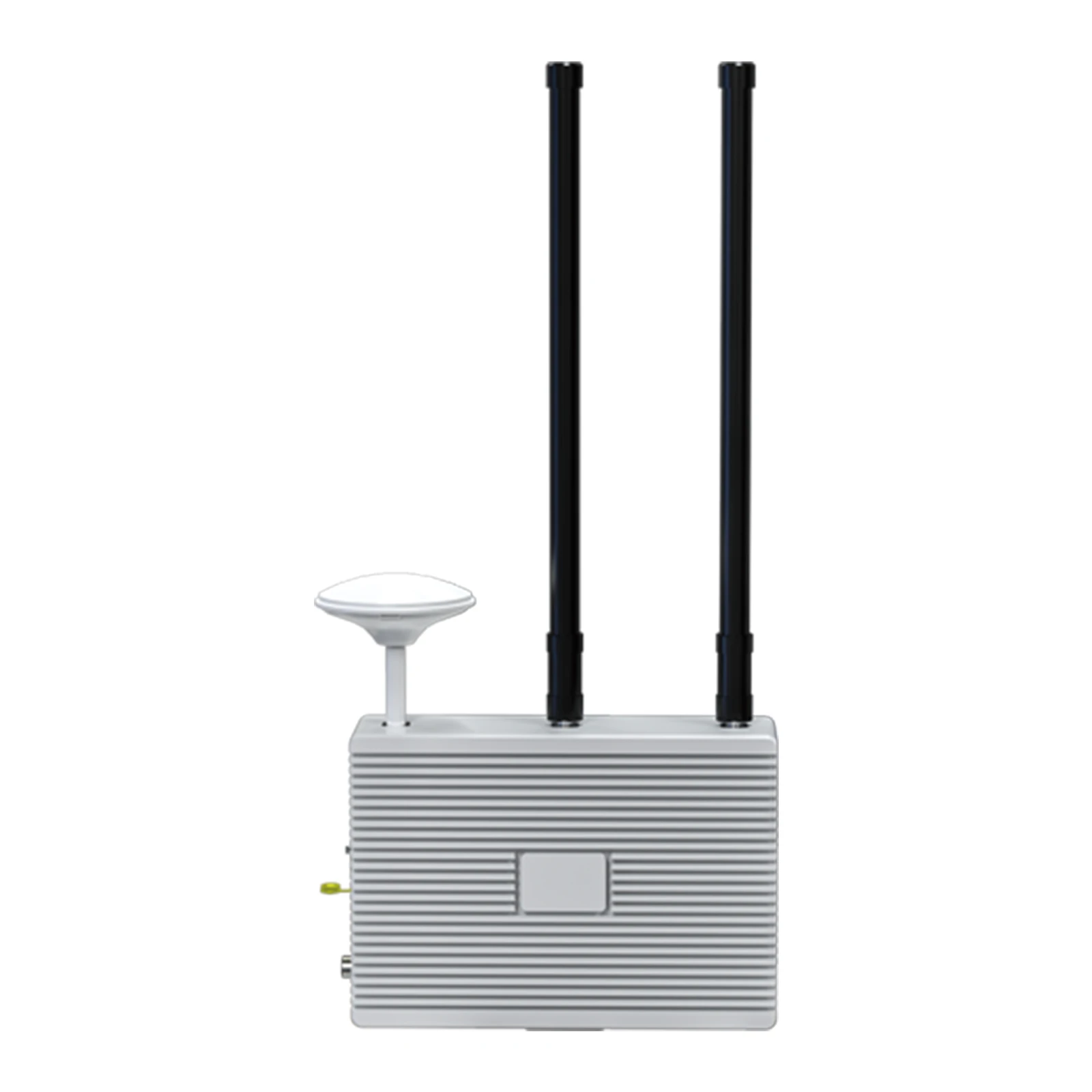
In the ever-expanding world of wireless communication, power is paramount. A broadband RF power amplifier module is a critical component responsible for boosting the signal strength of radio frequency (RF) signals across a wide range of frequencies. These modules are essential for applications ranging from drone systems and telecommunications to radar and electronic warfare. Choosing the right module is key to optimal performance and reliability. At Drone System, we specialize in providing high-performance RF solutions tailored to your specific needs. Understanding the nuances of these modules can unlock significant advantages in your applications.

What is a Broadband RF Power Amplifier Module?
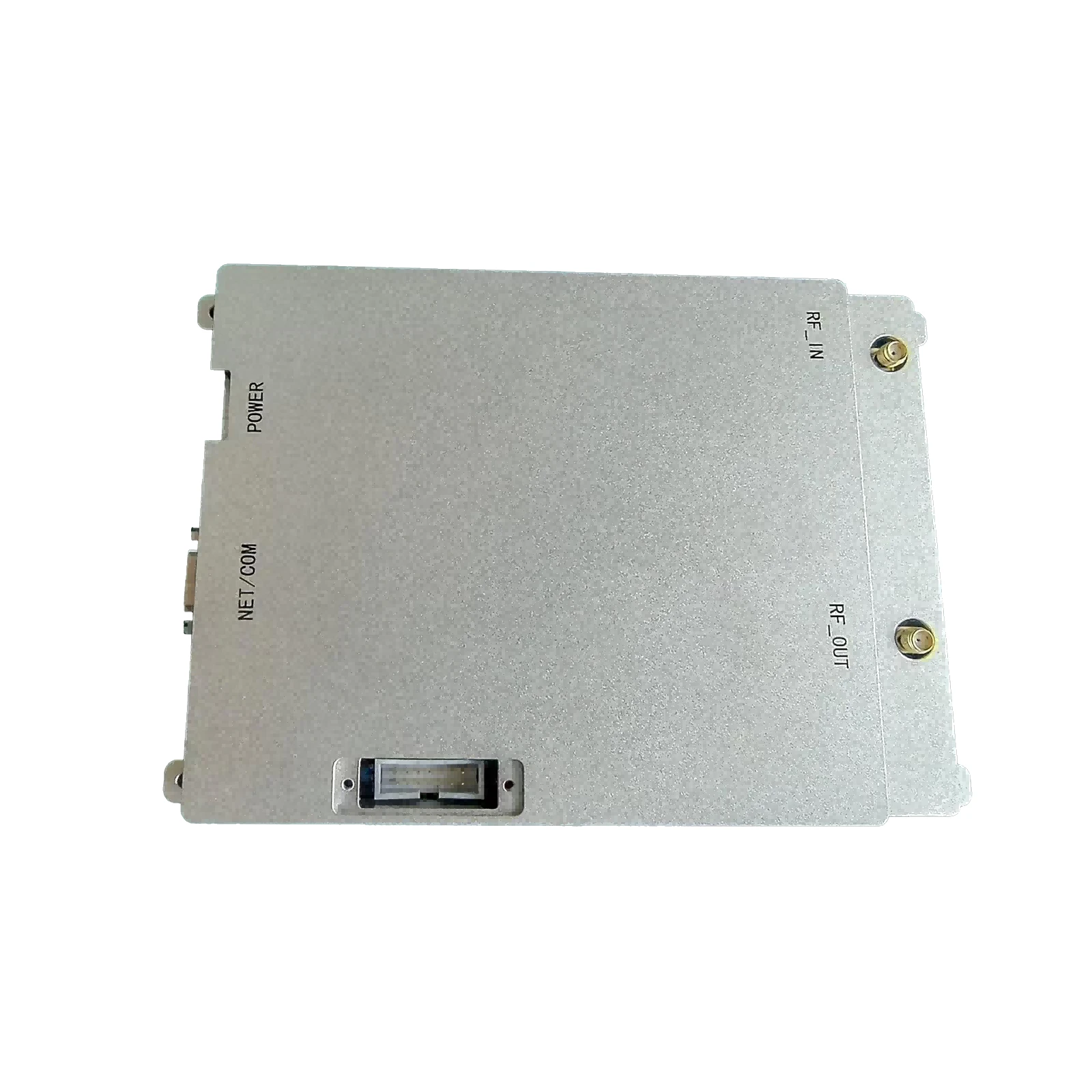
A broadband RF power amplifier module is a self-contained unit designed to amplify RF signals over a broad frequency range without significant performance degradation. Unlike narrowband amplifiers, which are optimized for a specific frequency, broadband amplifiers offer versatility. This is achieved through careful design of the amplifier's circuitry, including the use of wideband transistors, impedance matching networks, and stable biasing schemes. These modules typically include all the necessary components – the amplifier itself, input and output matching networks, bias circuitry, and often, protection features – in a compact package. This simplifies integration into larger systems.
Key Benefits: Versatility, simplified integration, reduced system complexity, and adaptability to changing signal requirements.
Key Specifications to Consider When Choosing a Module
Selecting the right broadband RF power amplifier module requires careful consideration of several key specifications. Frequency range is perhaps the most important, ensuring the module covers the frequencies you need to amplify. Output power dictates the signal strength, while gain represents the amplification factor. Linearity, often expressed as IP3 (Third-Order Intercept Point), indicates how well the amplifier maintains signal fidelity. Noise figure is a measure of the added noise introduced by the amplifier. Power supply requirements, input and output impedance, and physical size and weight are also critical factors. Understanding these specs ensures optimal performance within your system.
Essential Specifications:
• Frequency Range: The range of frequencies the amplifier supports.
• Output Power: The maximum power the amplifier can deliver.
• Gain: The amplification factor of the amplifier.
• Linearity (IP3): A measure of signal fidelity.
• Noise Figure: The amount of noise added by the amplifier.
Broadband RF Power Amplifier Module Applications
The versatility of broadband RF power amplifier modules makes them suitable for a diverse array of applications. In drone systems, they are crucial for extending the communication range and ensuring reliable control signals. Telecommunications infrastructure relies on these modules for base station amplification and signal boosting. Radar systems utilize them to enhance target detection capabilities. Electronic warfare applications demand high-performance, broadband amplifiers for jamming and countermeasures. Furthermore, they find use in testing and measurement equipment, satellite communications, and medical imaging. The need for wideband amplification continues to drive innovation in this field.
Choosing the Right Partner for Your RF Needs
Selecting a reliable supplier of broadband RF power amplifier modules is crucial for the success of your project. Drone System offers a wide range of high-performance modules, coupled with expert engineering support and customization services. We pride ourselves on delivering solutions that meet the most demanding requirements. We understand the intricacies of RF design and are committed to providing our clients with the best possible products and support.

RF Amplifier Module Product Specifications
To help illustrate the kind of specifications you can expect from a high-quality module, here's a representative example:
Conclusion: Powering Your Innovation with Reliable RF Amplification
The broadband RF power amplifier module is a foundational component for countless wireless applications. Choosing the right module, and partnering with a trusted supplier like Drone System, is critical for achieving optimal performance, reliability, and success. We are dedicated to providing cutting-edge RF solutions that empower our clients to innovate and excel.
Frequently Asked Questions (FAQs)
What factors influence the linearity of an RF power amplifier module?
Several factors impact linearity, including the amplifier's class of operation (A, B, AB, C), the bias point, the device's intrinsic properties, and the input signal's characteristics. Class A amplifiers offer the best linearity but lower efficiency, while class C amplifiers are more efficient but have poorer linearity. Careful design of the bias network and impedance matching is crucial for optimizing linearity. The choice of transistors and the complexity of the amplifier circuit also play a significant role. Higher-order harmonic distortion can be mitigated through linearization techniques, such as predistortion or feedback.
How important is impedance matching in a broadband RF amplifier?
Impedance matching is absolutely critical for maximizing power transfer and minimizing signal reflections in a broadband RF amplifier. When the input and output impedances of the amplifier are not matched to the source and load impedances, respectively, significant power is reflected back, reducing efficiency and potentially causing instability. In broadband applications, achieving good impedance matching across a wide frequency range is a challenge that requires careful design of matching networks. These networks typically consist of combinations of inductors, capacitors, and transmission line sections.
What are some common protection features incorporated into RF power amplifier modules?
RF power amplifier modules often include several protection features to prevent damage from various conditions. These typically include input and output port isolation to prevent signals from leaking through, reverse polarity protection to safeguard against incorrect power supply connections, over-voltage protection to prevent damage from excessive voltage, and over-temperature protection to shut down the amplifier if it gets too hot. Some modules also incorporate VSWR (Voltage Standing Wave Ratio) protection to prevent damage from mismatched loads. These features enhance the module's reliability and lifespan.
What is the difference between a narrowband and broadband amplifier?
The primary difference lies in the frequency range they operate over. A narrowband amplifier is designed to amplify signals within a very limited frequency band, typically a few percent of the center frequency. This allows for optimized performance, such as higher gain and lower noise, within that specific band. In contrast, a broadband RF power amplifier module is designed to amplify signals across a much wider frequency range, sacrificing some of the optimization achievable with a narrowband amplifier. Broadband amplifiers offer greater versatility and are suitable for applications requiring amplification over a broader spectrum.

-
 09 March 2021 16 Apr 2026
 -
 09 March 2021 09 Apr 2026
 -
 09 March 2021 07 Apr 2026
 -
 09 March 2021 04 Apr 2026
 -
 09 March 2021 31 Mar 2026
-
 09 March 2021 21 May 2025
 -
 09 March 2021 25 Dec 2024
 -
 09 March 2021 14 Oct 2022
-
 09 March 2021 25 Dec 2024

 English
  Arabic
  Belarusian
  Danish
  Dutch
Dutch  French
  German
  Greek
Greek  Japanese
  Korean
  Myanmar
  Polish
  Portuguese
  Russian
  Spanish
  Swedish
  Thai
Thai  Ukrainian
  Vietnamese