

Comprehensive Guide to 865 MHz RF Module Applications and Selection Criteria
Understanding the 865 MHz RF Module: A Comprehensive Guide
The 865 MHz RF (Radio Frequency) module has become increasingly crucial in a wide array of applications, from remote control systems and wireless sensors to industrial automation and IoT (Internet of Things) devices. Offering a balance between range, data rate, and power consumption, these modules are a cornerstone of modern wireless communication. This article will delve into the features, benefits, applications, and considerations when selecting an 865 MHz RF module for your project. We'll explore its key characteristics, compare it to other RF frequencies, and guide you through choosing the right module for optimal performance.
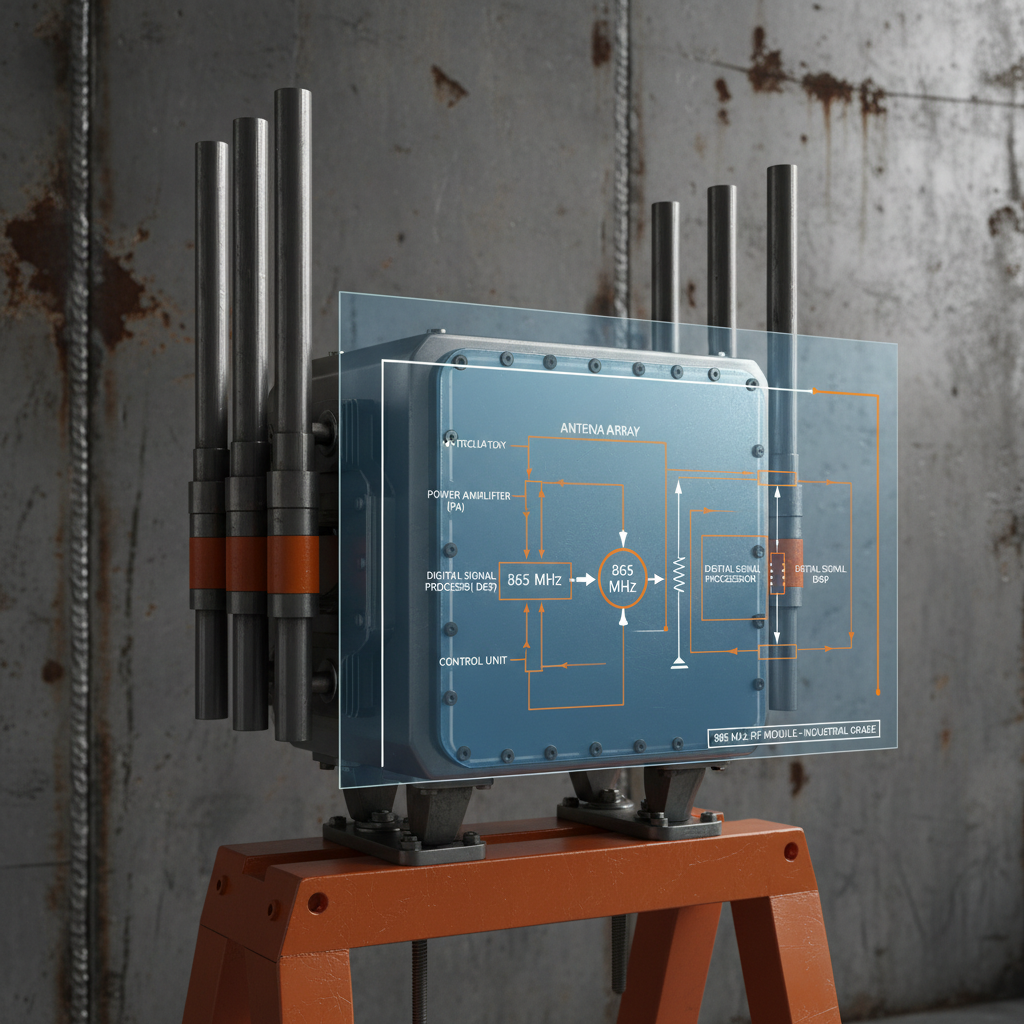
What is an 865 MHz RF Module?
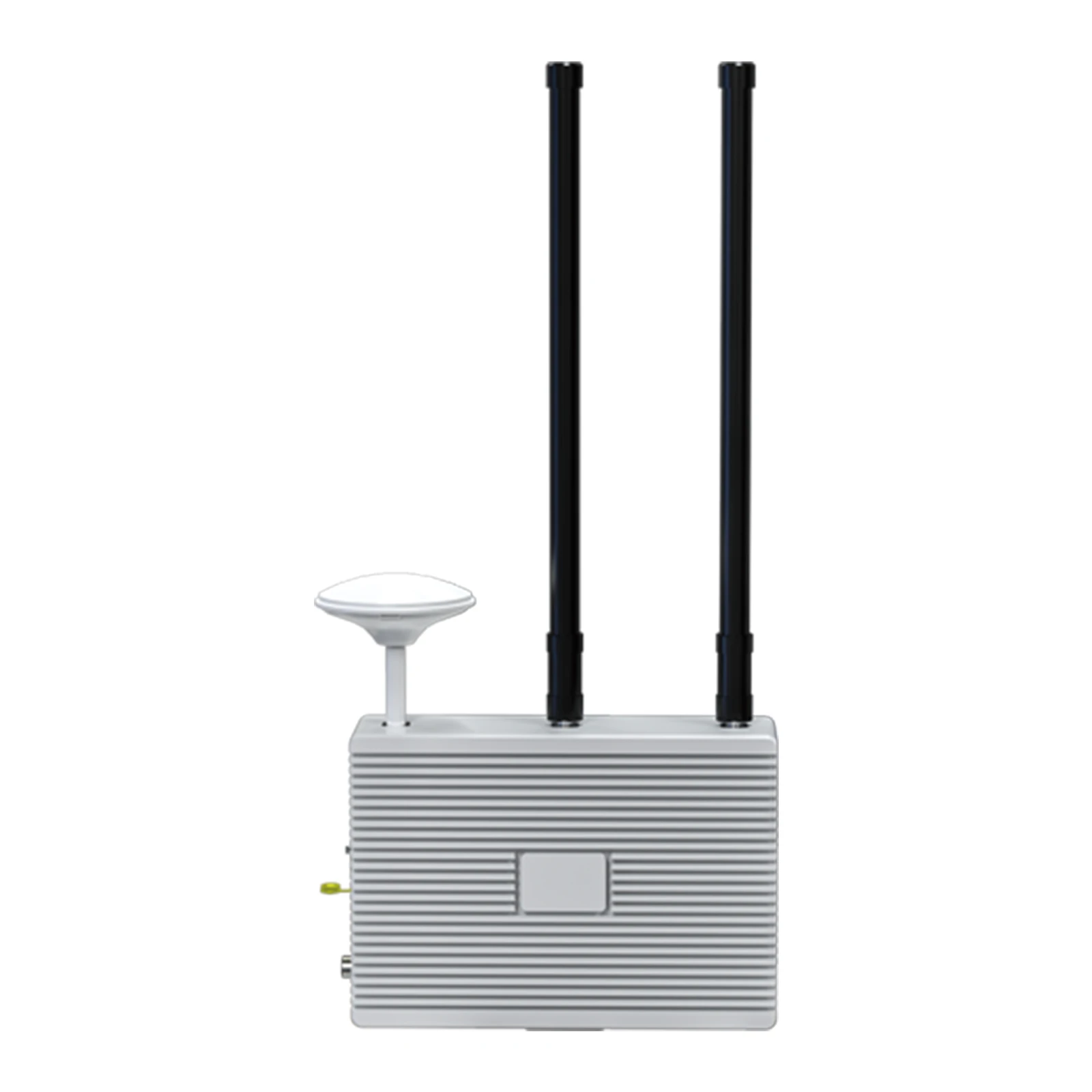
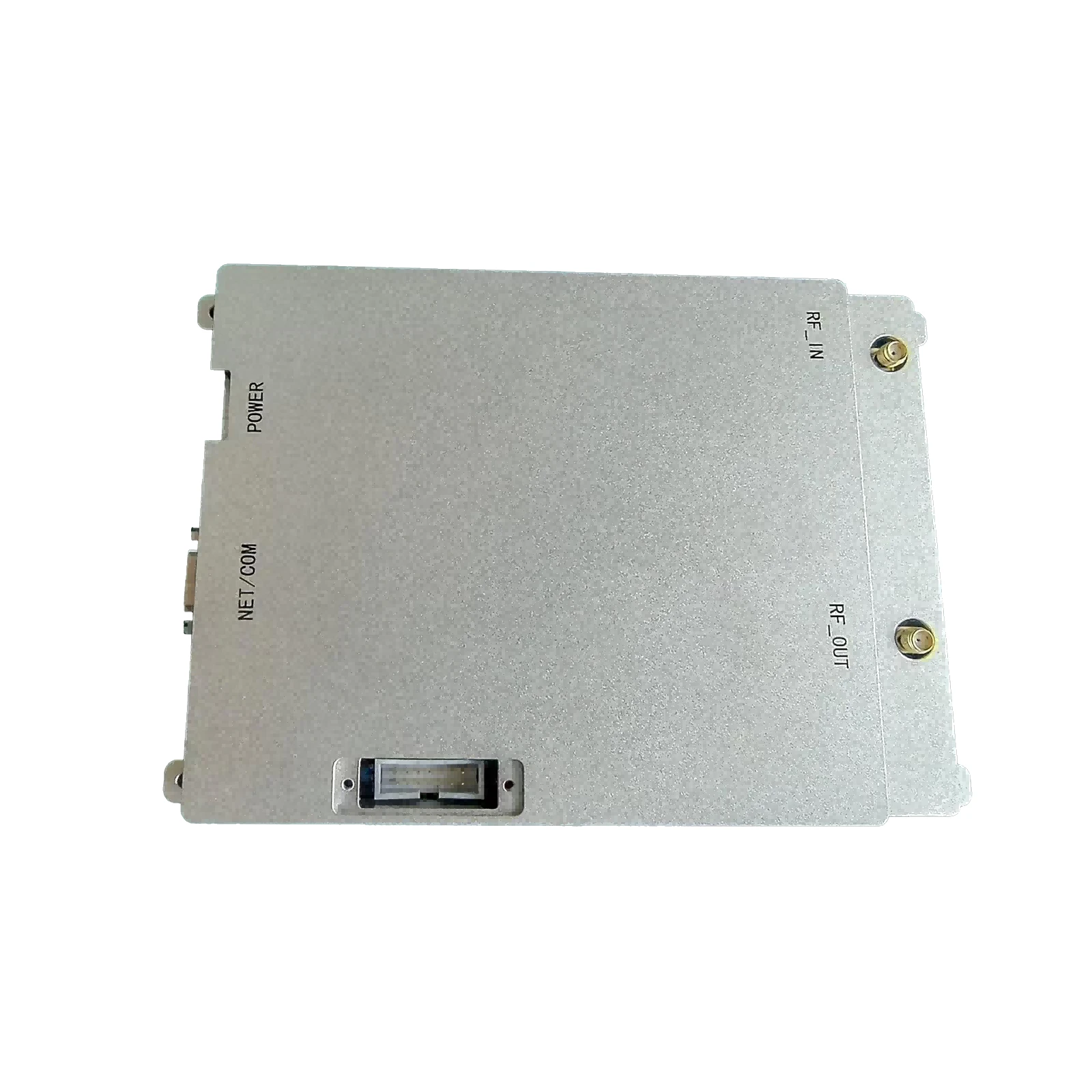
An 865 MHz RF module is a self-contained electronic circuit designed to transmit and receive radio signals at a frequency of 865 MHz. This frequency band is commonly used in Europe and other regions, offering a good compromise between range and data rate. These modules typically consist of a radio frequency transmitter, a receiver, and an antenna, all integrated into a compact package. They handle the complex modulation and demodulation of signals, simplifying the development process for wireless applications. You can find a wide range of RF modules at Drone-System.com.
Key Characteristics: Low power consumption, long range potential, relatively good penetration through obstacles, suitable for data transmission and remote control.
Applications of 865 MHz RF Modules
The 865 MHz frequency band lends itself to a diverse set of applications. Some prominent examples include:
- Wireless Sensor Networks: Monitoring temperature, humidity, pressure, and other environmental parameters.
- Remote Control Systems: Controlling drones, robots, and other remotely operated devices.
- Industrial Automation: Wireless communication between machines and control systems.
- Smart Home Applications: Controlling lights, appliances, and security systems.
- Asset Tracking: Locating and monitoring valuable assets in real-time.
- IoT Devices: Connecting various devices to the internet for data collection and control.
865 MHz RF Module: Key Specifications and Parameters
Choosing the right 865 MHz RF module requires careful consideration of several key specifications. These parameters directly influence the module’s performance and suitability for your application. Here's a table outlining crucial factors:
865 MHz vs. Other RF Frequencies
While 865 MHz is a popular choice, it’s important to consider how it stacks up against other RF frequencies. Here’s a brief comparison:
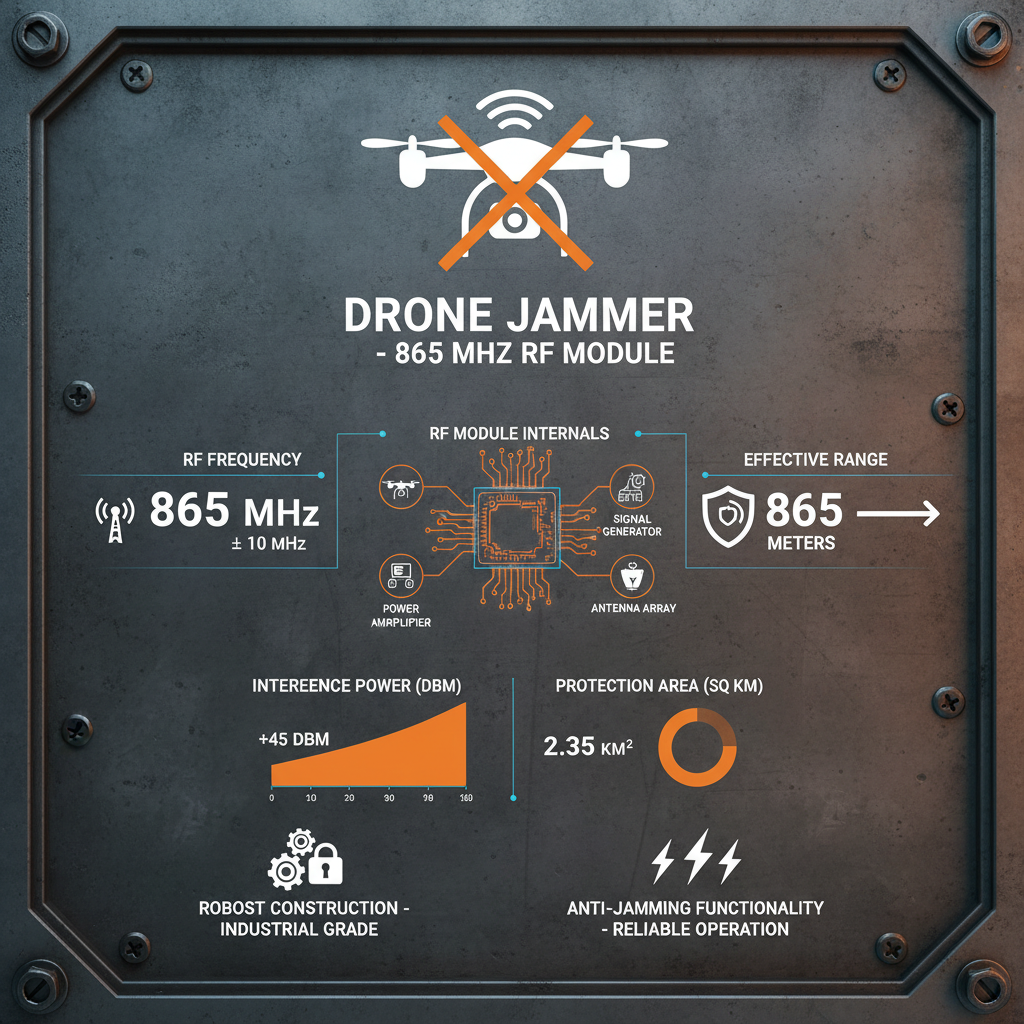
2.4 GHz: Offers higher data rates and is widely used for Wi-Fi and Bluetooth. However, it suffers from more interference and has a shorter range than 865 MHz. Excellent for applications requiring high bandwidth but limited range.
915 MHz: Commonly used in North America, similar to 865 MHz in characteristics but restricted to a different geographical region.
433 MHz: Lower frequency offering even longer range but with significantly lower data rates. Often used for simple remote controls and long-range sensor applications.
Ultimately, the best frequency depends on your specific requirements for range, data rate, power consumption, and regulatory constraints. For a comprehensive selection of modules, visit Drone-System.com.
Selecting the Right 865 MHz RF Module
Choosing the appropriate module involves considering several factors: Your application’s range requirements, data throughput needs, power constraints, and the operating environment. Factors to consider include module size, antenna options, and regulatory compliance. It’s also essential to evaluate the module's integration with your existing microcontroller or development platform. Remember to check the module's documentation and datasheets to ensure it meets your project's specific needs.
Conclusion: Harnessing the Power of 865 MHz RF Technology
The 865 MHz RF module provides a robust and versatile solution for a wide range of wireless applications. By understanding its key characteristics, advantages, and limitations, you can effectively leverage this technology to create innovative and reliable products. Explore the extensive selection of 865 MHz RF modules at Drone-System.com and unlock the potential of wireless communication for your next project.
Frequently Asked Questions (FAQs)
What is the typical range of an 865 MHz RF module?
The range of an 865 MHz RF module can vary significantly depending on factors such as transmit power, antenna type, environmental conditions, and obstacles. In ideal conditions, with a clear line of sight and a well-matched antenna, ranges of several kilometers are achievable. However, in urban environments with buildings and other obstructions, the range may be limited to a few hundred meters. Increasing the transmit power or using a higher-gain antenna can improve the range, but it’s important to adhere to regional regulatory limits.
Are there any regulatory considerations when using 865 MHz RF modules?
Yes, the use of 865 MHz RF modules is subject to regulatory requirements in most countries. In Europe, the ETSI (European Telecommunications Standards Institute) defines the regulations for the 865-868 MHz band. These regulations specify limits on transmit power, antenna characteristics, and duty cycle. It’s crucial to ensure that your application complies with these regulations to avoid interference and potential legal issues. Always check the specific regulations for your region before deploying an 865 MHz RF system.
What is the difference between LoRa and standard 865 MHz RF modules?
LoRa (Long Range) is a proprietary modulation technique specifically designed for long-range, low-power communication. While it also operates in the 865 MHz band, LoRa offers significantly greater range and improved sensitivity compared to standard 865 MHz RF modules. However, LoRa typically has a lower data rate. LoRa is ideal for applications requiring long-range communication with minimal power consumption, such as IoT sensors. Standard 865 MHz RF modules are more versatile and can be used for a wider range of applications with higher data rate requirements.

-
 09 March 2021 16 Apr 2026
 -
 09 March 2021 09 Apr 2026
 -
 09 March 2021 07 Apr 2026
 -
 09 March 2021 04 Apr 2026
 -
 09 March 2021 31 Mar 2026
-
 09 March 2021 21 May 2025
 -
 09 March 2021 25 Dec 2024
 -
 09 March 2021 14 Oct 2022
-
 09 March 2021 25 Dec 2024
 English
  Arabic
  Belarusian
  Danish
  Dutch
Dutch  French
  German
  Greek
Greek  Japanese
  Korean
  Myanmar
  Polish
  Portuguese
  Russian
  Spanish
  Swedish
  Thai
Thai  Ukrainian
  Vietnamese