

Exploring Long Range Radio Module Technologies and Diverse Applications
Understanding Long Range Radio Modules and Their Applications
In today's interconnected world, reliable wireless communication is paramount. Long range radio modules provide a robust solution for applications demanding extended reach and reliable data transmission. These modules are crucial components in various industries, including drone technology, IoT, and remote control systems. This article delves into the functionalities, benefits, applications, and key considerations when selecting a long range radio module. We will explore how these modules can enhance connectivity and efficiency in diverse operational environments.
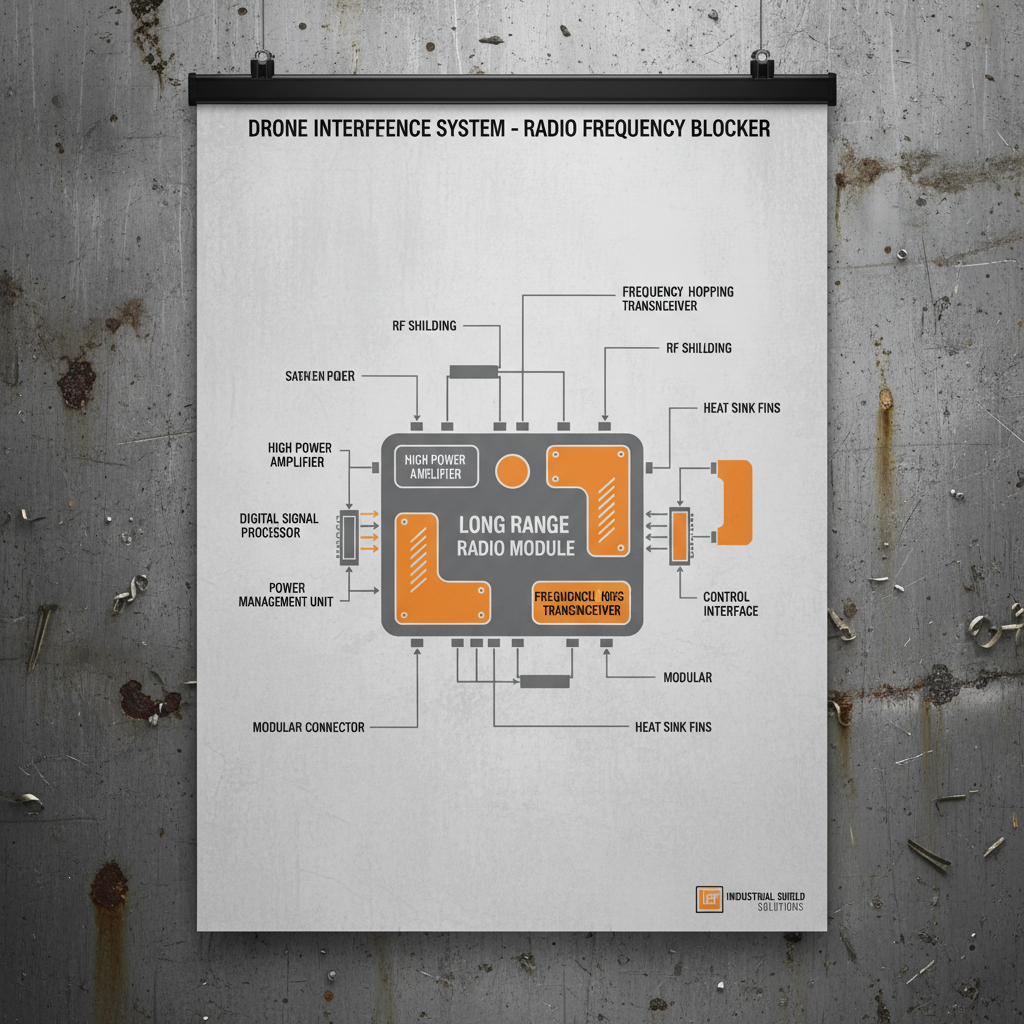
What is a Long Range Radio Module?
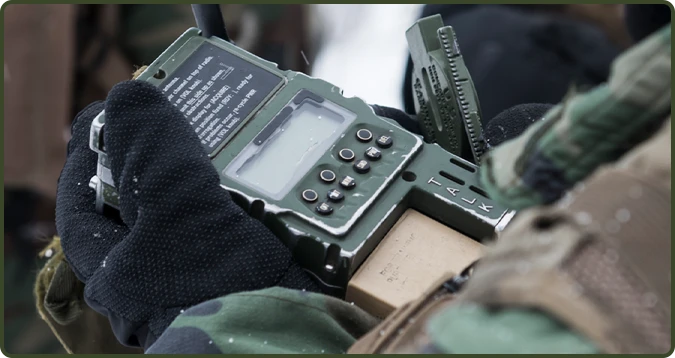
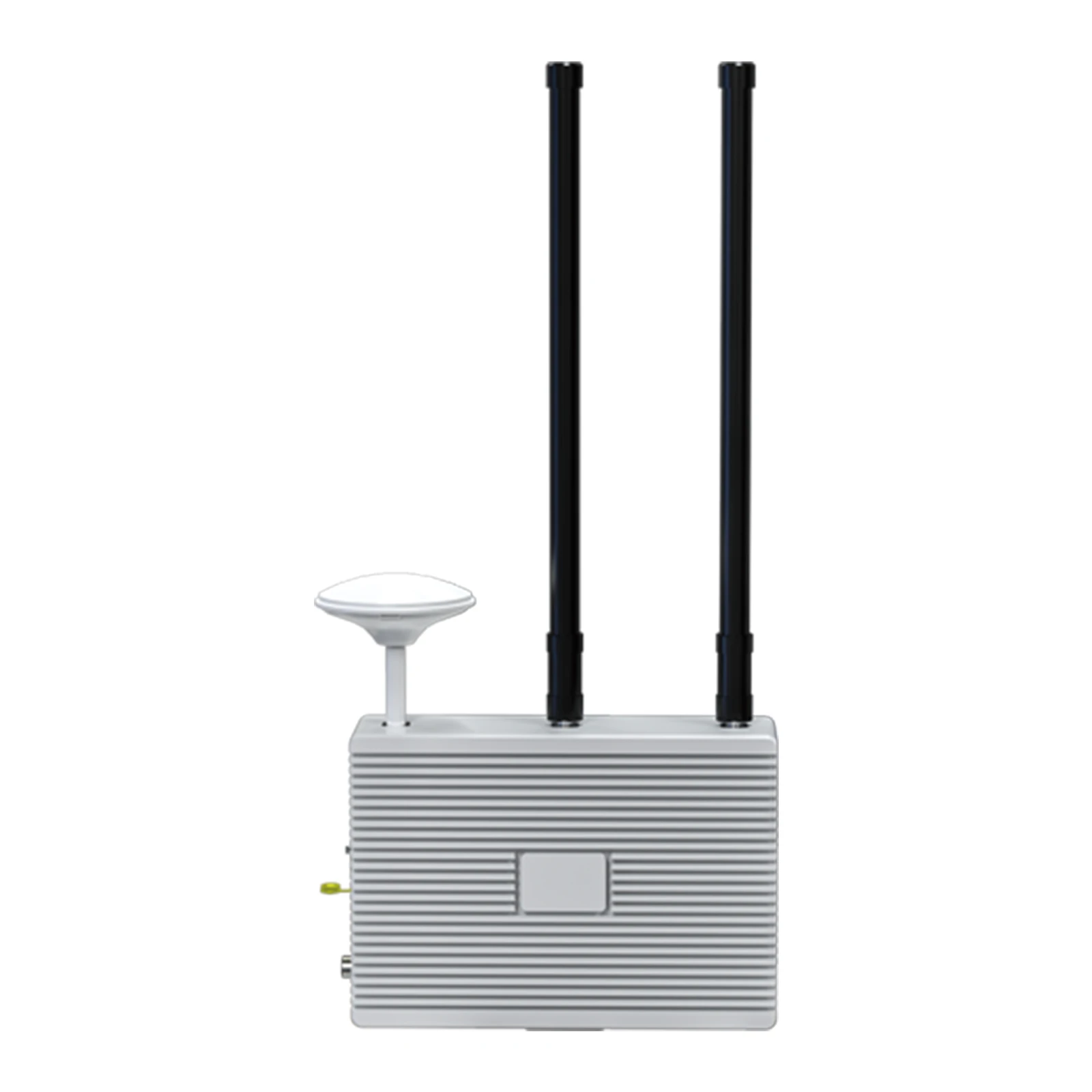
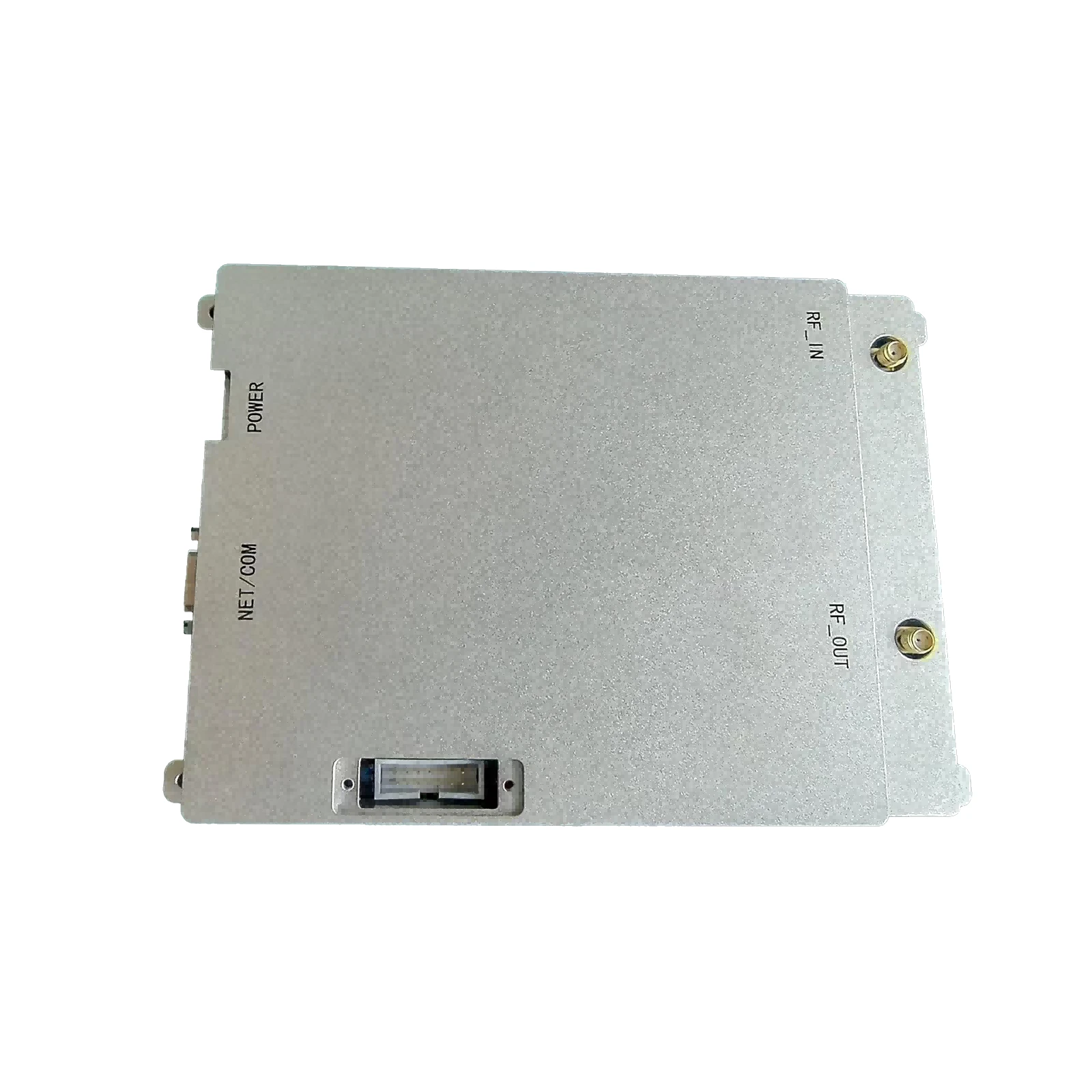
A long range radio module is a self-contained electronic circuit designed to transmit and receive radio signals over extended distances. Unlike short-range technologies like Bluetooth or Wi-Fi, these modules utilize various frequencies and modulation techniques to achieve significantly longer communication ranges. They typically include a radio frequency (RF) transceiver, antenna interface, and microcontroller for data processing. Key features include low power consumption, robust interference rejection, and support for various data rates. These modules are often chosen for applications where infrastructure limitations or long distances preclude the use of more conventional wireless technologies. Drone System offers a wide range of high-performance long-range radio modules.
Key Characteristics: Extended range, low power consumption, robust communication, versatile applications, and integration flexibility.
Key Technologies Employed in Long Range Radio Modules
Several technologies power long range radio modules, each with its own advantages and disadvantages. LoRa (Long Range) is a popular choice, known for its ability to achieve significant range with minimal power consumption. Other technologies include Sigfox, which offers ultra-narrowband communication, and various sub-GHz frequencies that provide better penetration through obstacles. Furthermore, Frequency-Shift Keying (FSK), Gaussian Frequency-Shift Keying (GFSK), and other modulation techniques are employed to optimize data transmission efficiency and reliability. The selection of the appropriate technology depends on factors like range requirements, data rate needs, and power constraints.
Common Long Range Radio Technologies:
• LoRa: Long range, low power, suitable for IoT applications.
• Sigfox: Ultra-narrowband, low data rate, excellent range.
• Sub-GHz: Improved penetration, lower interference.
• FSK/GFSK: Modulation techniques for efficient data transmission.
Long Range Radio Module: LoRa vs. Sigfox - A Comparison
LoRa and Sigfox are two leading contenders in the long range, low power wide area network (LPWAN) space. LoRa is an open standard that allows for flexible network architectures, including private and public networks. Sigfox, on the other hand, operates on a proprietary network infrastructure. LoRa generally offers higher data rates but requires more energy. Sigfox is optimized for ultra-low power consumption and offers excellent coverage but has limited data throughput. The choice between the two depends on specific application requirements. Explore our LoRa module selection at Drone System.
Applications of Long Range Radio Modules
Long range radio modules find applications across diverse industries. In agriculture, they enable precision farming by monitoring soil conditions and controlling irrigation systems remotely. In logistics, they track assets and shipments in real-time. They are critical in smart city deployments for monitoring environmental parameters and managing infrastructure. And, as mentioned earlier, they are a cornerstone of drone technology, allowing for beyond-visual-line-of-sight (BVLOS) operations. Their versatility makes them essential for building connected and efficient systems.
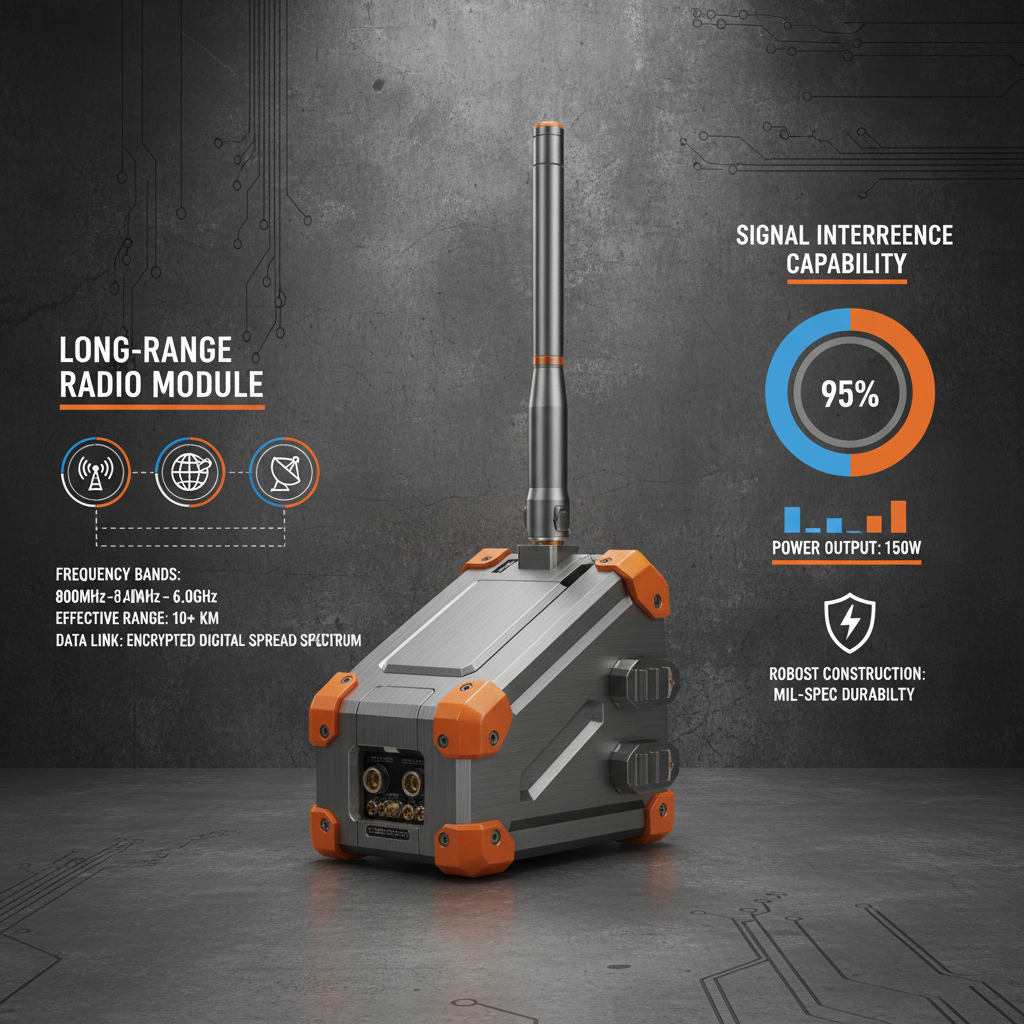
Selecting the Right Long Range Radio Module: Key Considerations
Choosing the right long range radio module requires careful consideration of several factors. Range requirements are paramount – determine the maximum distance needed for communication. Data rate needs also dictate the appropriate technology. Power consumption is crucial for battery-powered applications. Environmental factors, such as temperature and humidity, must also be considered. Finally, regulatory compliance (e.g., FCC, CE) is essential for legal operation. Our experts at Drone System can help you navigate these complexities and select the optimal module for your specific needs.
Conclusion: Empowering Connectivity with Long Range Radio
Long range radio modules are pivotal components in a growing number of applications demanding reliable, extended-reach communication. By understanding the various technologies, carefully considering application requirements, and partnering with a trusted supplier like Drone System, you can unlock the full potential of this powerful technology.
Frequently Asked Questions (FAQs)
What factors affect the range of a long range radio module?
Several factors impact the range, including antenna design and placement, transmit power, frequency band, environmental conditions (obstacles, interference), and receiver sensitivity. Line-of-sight communication generally provides the maximum range. Obstacles like buildings, trees, and terrain can significantly reduce range. Utilizing a higher gain antenna can improve range, but it also affects the signal's directionality. Careful consideration of these factors is crucial for optimizing performance.
What is the difference between frequency hopping and direct sequence spread spectrum?
Both frequency hopping and direct sequence spread spectrum (DSSS) are techniques used to improve the robustness of radio communication against interference. Frequency hopping rapidly switches the carrier frequency according to a pseudo-random sequence, making it difficult for an interferer to disrupt the signal consistently. DSSS spreads the signal over a wider bandwidth, reducing the power spectral density and making it less susceptible to narrowband interference. Frequency hopping is often preferred for its simplicity and resistance to jamming, while DSSS offers better performance in noisy environments.
Are long range radio modules secure?
Security is a crucial consideration. While long range radio modules themselves may not inherently be secure, many incorporate encryption and authentication mechanisms. Technologies like AES encryption can protect data confidentiality. Proper implementation of these security features is vital. It is also important to regularly update firmware to address potential vulnerabilities. Using a secure network architecture and implementing access control measures further enhance security.

-
 09 March 2021 16 Apr 2026
 -
 09 March 2021 09 Apr 2026
 -
 09 March 2021 07 Apr 2026
 -
 09 March 2021 04 Apr 2026
 -
 09 March 2021 31 Mar 2026
-
 09 March 2021 21 May 2025
 -
 09 March 2021 25 Dec 2024
 -
 09 March 2021 14 Oct 2022
-
 09 March 2021 25 Dec 2024
 English
  Arabic
  Belarusian
  Danish
  Dutch
Dutch  French
  German
  Greek
Greek  Japanese
  Korean
  Myanmar
  Polish
  Portuguese
  Russian
  Spanish
  Swedish
  Thai
Thai  Ukrainian
  Vietnamese