

Exploring the Functionality and Benefits of the Cellular Transceiver Module
Understanding the Cellular Transceiver Module
In today’s interconnected world, reliable wireless communication is paramount. This is particularly true for applications in IoT, remote monitoring, and increasingly, drone technology. At the heart of many of these systems lies the cellular transceiver module, a critical component enabling seamless data transmission. This article will explore the functionality, benefits, and applications of these modules, focusing on how they empower advancements in various industries. We'll delve into the key considerations when choosing a module and how Drone-System provides cutting-edge solutions.
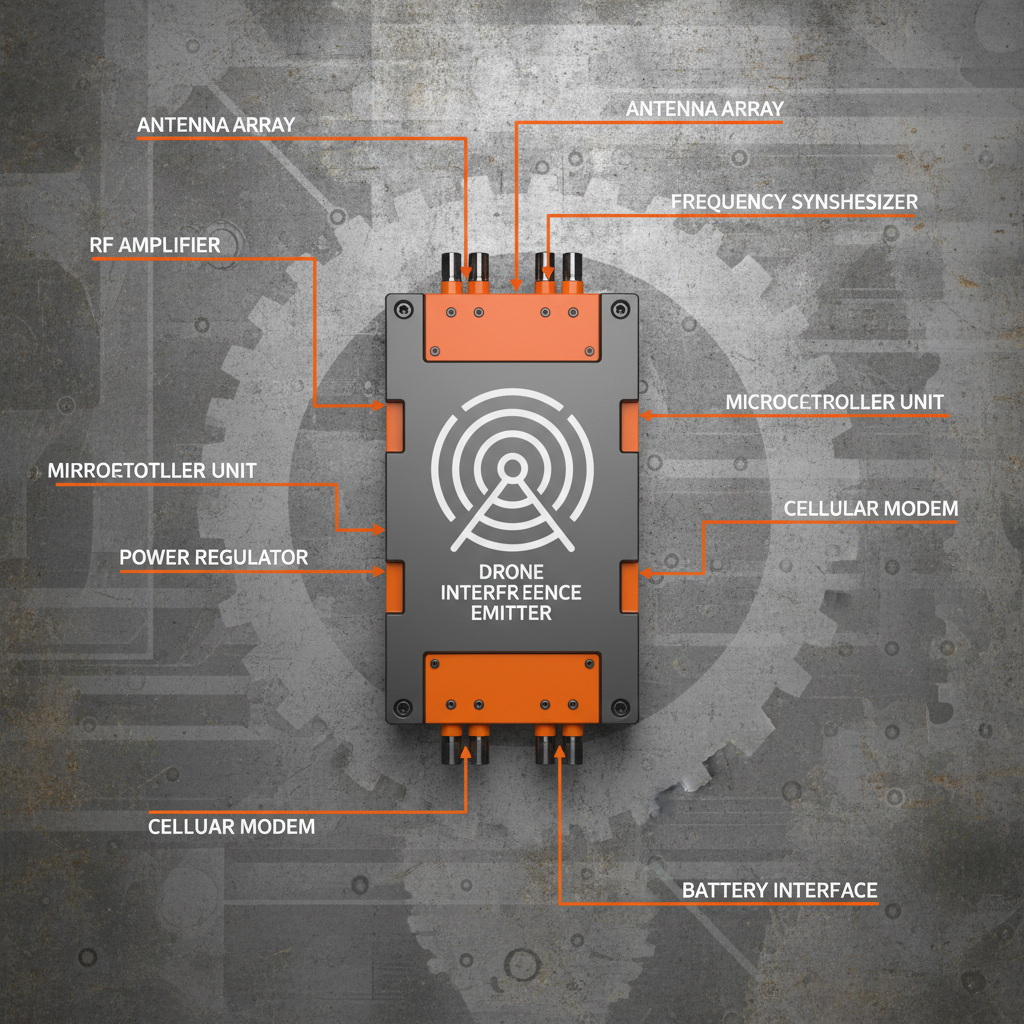
What is a Cellular Transceiver Module?
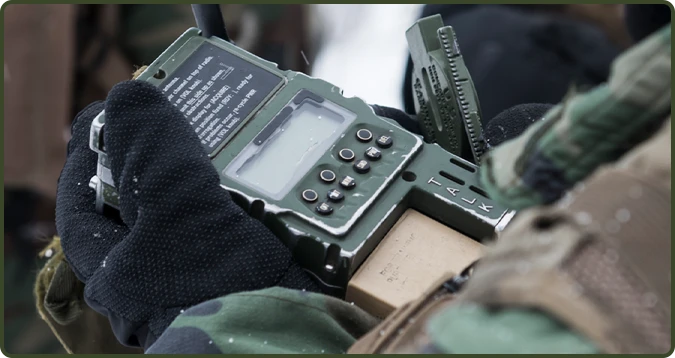
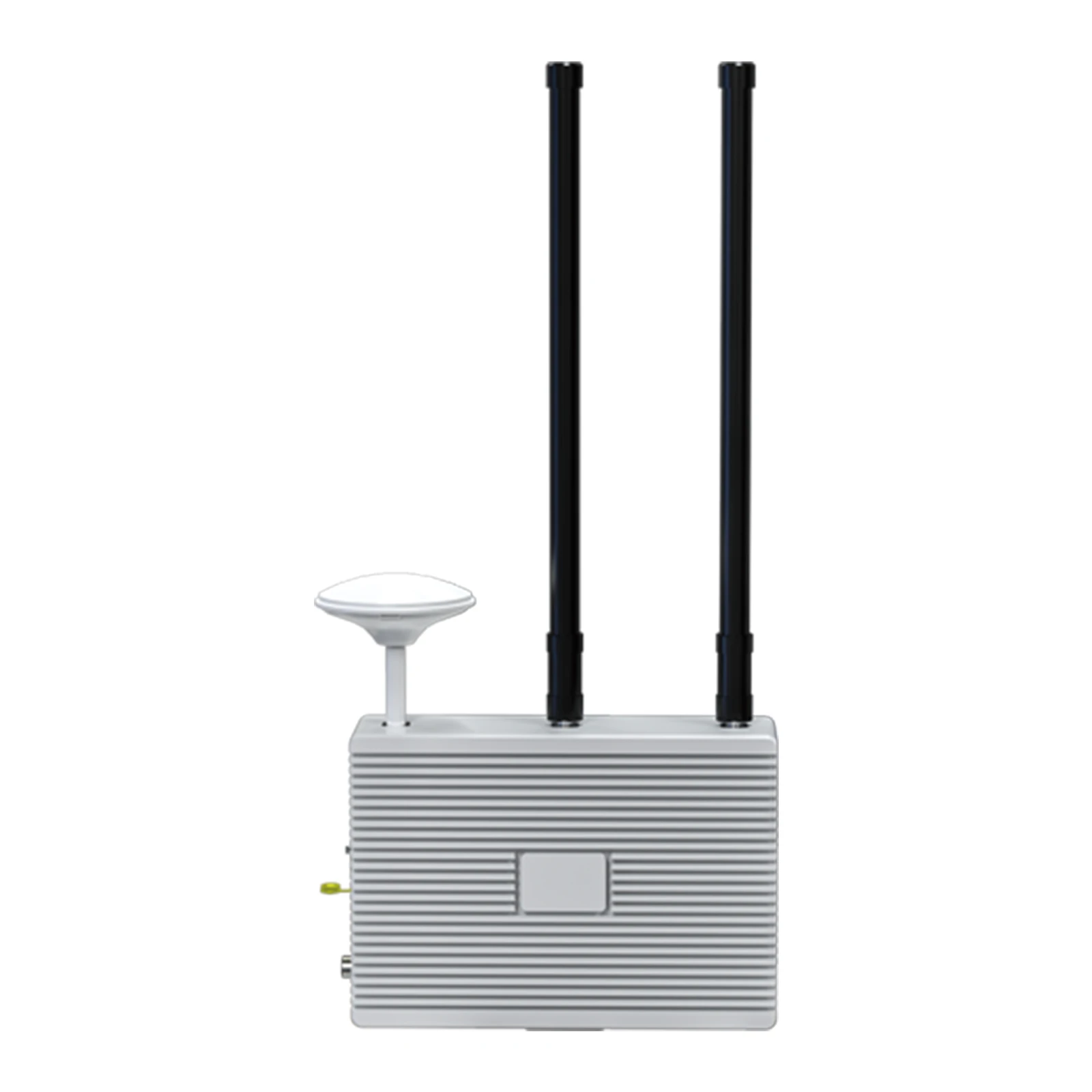
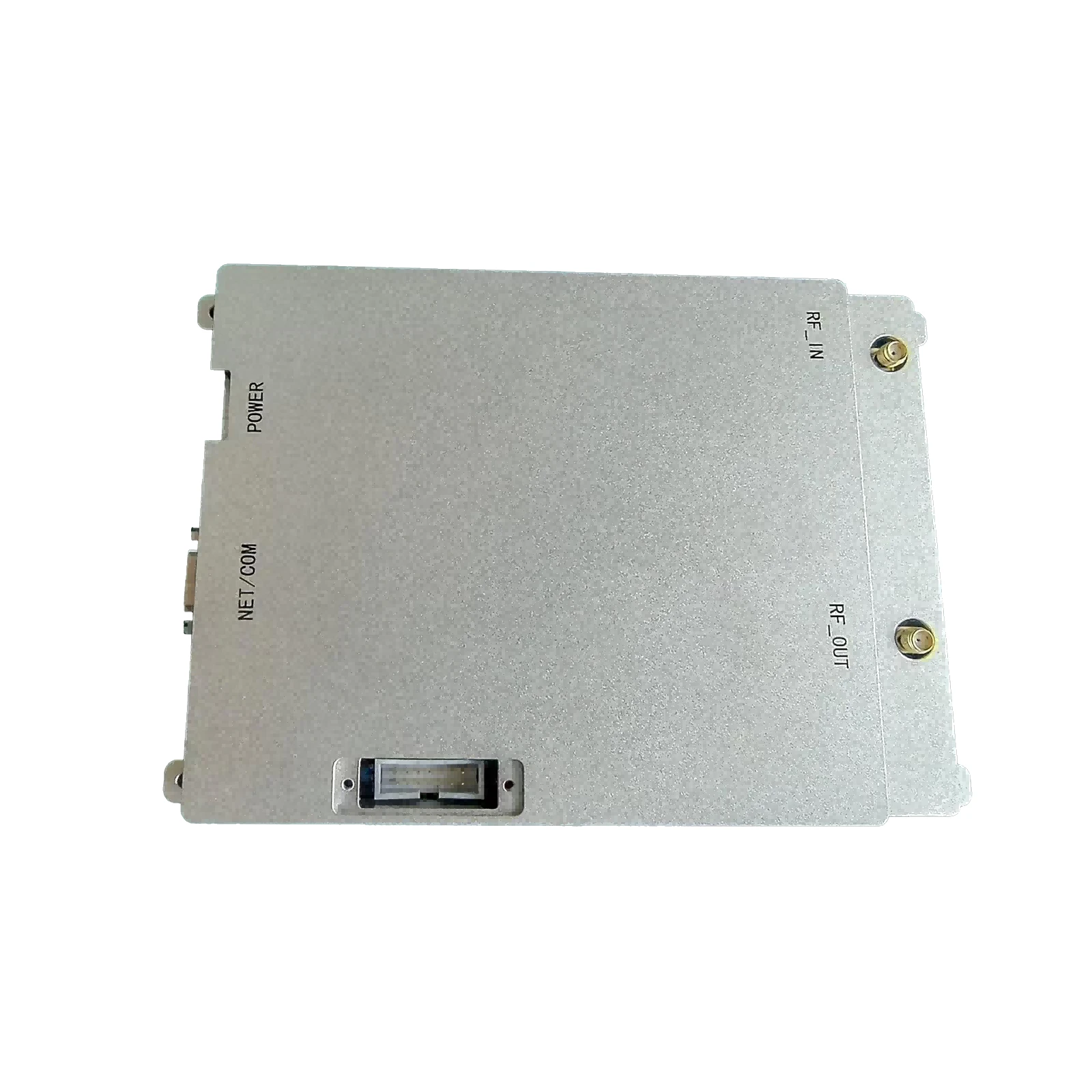
A cellular transceiver module is a self-contained electronic component that allows devices to connect to cellular networks – such as 4G LTE, 5G, and NB-IoT. It integrates a radio frequency (RF) front-end, baseband processor, and often, power management circuitry, all within a compact package. Essentially, it’s a miniaturized cellular modem. Unlike Wi-Fi or Bluetooth, cellular modules leverage the existing cellular infrastructure, providing wider coverage and longer-range connectivity, making them ideal for applications where a reliable connection is needed over vast distances. These modules are essential for enabling IoT devices, remote sensors, and tracking systems to communicate data without relying on local networks.
Key Benefits of Utilizing Cellular Transceiver Modules
The adoption of cellular transceiver modules offers significant advantages. Foremost among these is extended range, eliminating the limitations of short-range wireless technologies. Furthermore, they benefit from the security infrastructure inherent in cellular networks, providing a more secure communication channel. Low power consumption options, like NB-IoT and LTE-M, are crucial for battery-powered devices. They also enable remote over-the-air (OTA) firmware updates, simplifying device maintenance and improving scalability. Finally, the widespread availability of cellular networks means deployments are possible in virtually any location with coverage.
Key Advantages: Extended range, enhanced security, low power options, remote updates, and broad network availability.
Cellular Transceiver Module Technologies: A Comparison
Several cellular technologies are available, each with its strengths and weaknesses. Understanding these differences is critical when selecting a cellular transceiver module for a specific application. 4G LTE offers high bandwidth and is suitable for data-intensive applications. 5G provides even faster speeds and lower latency, ideal for real-time applications like remote surgery or autonomous driving. NB-IoT and LTE-M are designed for low-power, wide-area networks (LPWAN), making them perfect for sensors and tracking devices. The optimal choice depends on factors like data throughput requirements, power constraints, and coverage needs.
Applications of Cellular Transceiver Modules
The applications for cellular transceiver modules are incredibly diverse. In logistics, they enable real-time tracking of shipments. In agriculture, they power smart sensors monitoring soil conditions and crop health. Smart city initiatives rely on these modules for applications like smart lighting and waste management. Critically, drones benefit immensely, providing beyond-visual-line-of-sight (BVLOS) capability and reliable command-and-control links. The possibilities are constantly expanding as technology advances and the cost of these modules decreases.
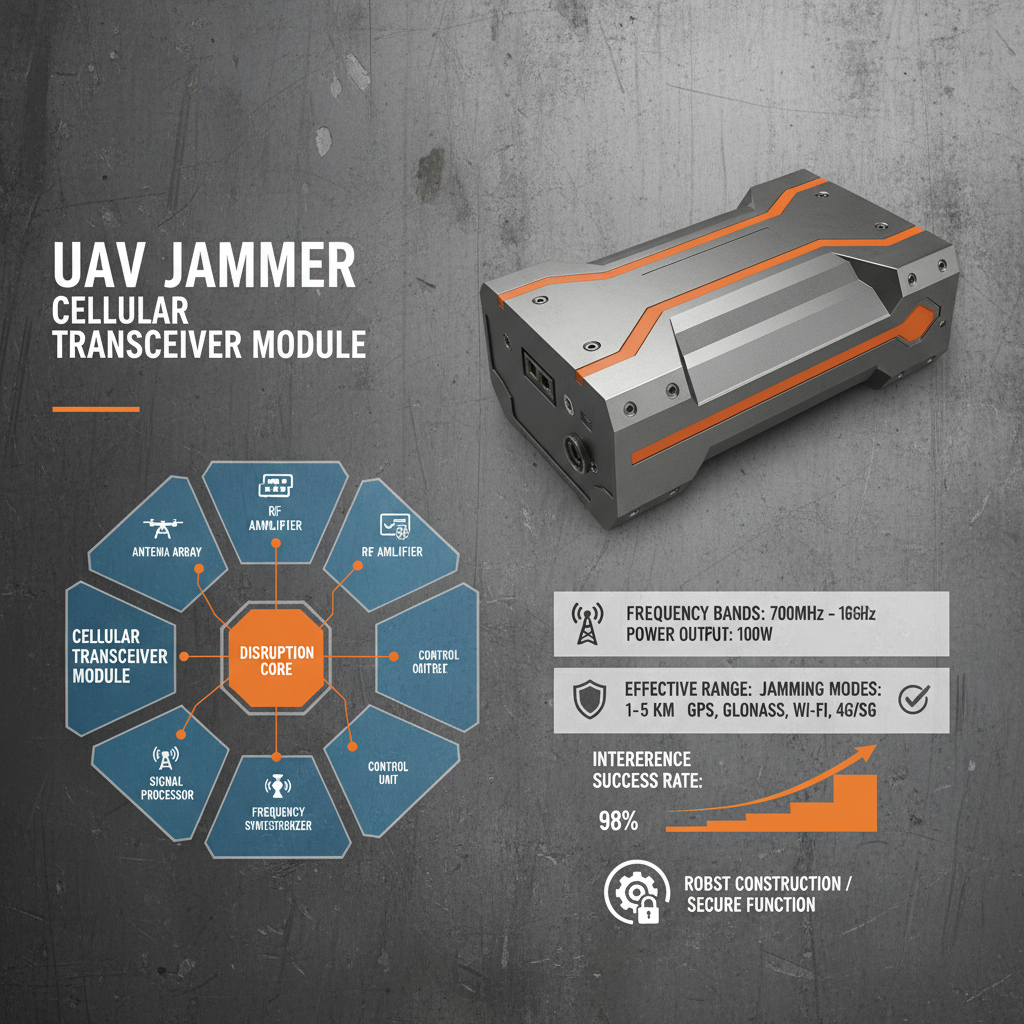
Choosing the Right Cellular Transceiver Module: Key Considerations
Selecting the appropriate cellular transceiver module requires careful consideration of several factors. Network compatibility is paramount – ensure the module supports the frequencies used by carriers in your target region. Data throughput requirements will dictate the necessary bandwidth. Power consumption is critical for battery-powered devices. Size and form factor are important for integration into compact designs. And finally, cost, certifications, and long-term availability should all be evaluated. Drone-System offers expert guidance and a range of modules to meet diverse needs.
Conclusion: Empowering Connectivity with Cellular Technology
The cellular transceiver module is a cornerstone of modern wireless communication, enabling a vast array of innovative applications. From IoT devices to drones, these modules provide the connectivity needed to drive progress across numerous industries. By carefully considering your specific requirements and partnering with a trusted provider like Drone-System, you can unlock the full potential of cellular technology.
Frequently Asked Questions (FAQs)
What is the typical range of a cellular transceiver module?
The range of a cellular transceiver module varies significantly depending on the technology used (4G, 5G, NB-IoT, LTE-M), the cell tower density in the area, and environmental factors like terrain and obstructions. Generally, 4G and 5G can offer ranges of several kilometers in urban areas, while NB-IoT and LTE-M can achieve ranges of up to 10 kilometers or more in rural areas. However, these are theoretical maximums, and real-world performance can be lower. Proper antenna selection and placement are crucial for maximizing range.
Are cellular transceiver modules secure?
Cellular networks inherently offer a higher level of security compared to Wi-Fi or Bluetooth, utilizing encryption and authentication protocols. However, security is not automatic. It’s crucial to choose modules that support the latest security standards and implement secure data handling practices. This includes using secure communication protocols like TLS/SSL, regularly updating firmware to patch vulnerabilities, and implementing robust access control measures.
What is the power consumption of a cellular transceiver module?
Power consumption varies dramatically depending on the cellular technology, data transmission rate, and module configuration. NB-IoT and LTE-M are designed for ultra-low power consumption, making them suitable for battery-powered applications. 4G and 5G modules typically consume more power. Power saving modes, such as Power Saving Mode (PSM) and extended Discontinuous Reception (eDRX), can significantly reduce power consumption by allowing the module to sleep for extended periods when not actively transmitting data.
Can cellular transceiver modules be used globally?
Some cellular transceiver modules are designed to support multiple frequency bands, making them suitable for global use. These are often referred to as multi-band modules. However, it's essential to verify that the module supports the specific frequencies used by carriers in the target region. Furthermore, regulatory compliance requirements can vary from country to country, so ensure the module is certified for use in the intended market.

-
 09 March 2021 16 Apr 2026
 -
 09 March 2021 09 Apr 2026
 -
 09 March 2021 07 Apr 2026
 -
 09 March 2021 04 Apr 2026
 -
 09 March 2021 31 Mar 2026
-
 09 March 2021 21 May 2025
 -
 09 March 2021 25 Dec 2024
 -
 09 March 2021 14 Oct 2022
-
 09 March 2021 25 Dec 2024
 English
  Arabic
  Belarusian
  Danish
  Dutch
Dutch  French
  German
  Greek
Greek  Japanese
  Korean
  Myanmar
  Polish
  Portuguese
  Russian
  Spanish
  Swedish
  Thai
Thai  Ukrainian
  Vietnamese