

4 Frequency GPS Spoofer: Advanced Multi-Band Signal Jammer
Industry Trends and the Evolving Landscape of GNSS Spoofing
In an era defined by ubiquitous Global Navigation Satellite Systems (GNSS) such as GPS, GLONASS, Galileo, and BeiDou, the integrity and reliability of positioning, navigation, and timing (PNT) information have become paramount for a vast array of critical infrastructure and advanced technological applications. However, the increasing reliance on these systems also introduces vulnerabilities, particularly to sophisticated signal manipulation techniques like spoofing. This phenomenon, which involves generating counterfeit GNSS signals to deceive a receiver into calculating an incorrect position or time, poses significant threats across defense, aerospace, automotive, and telecommunications sectors.
The industry trend is rapidly moving towards multi-frequency GNSS receivers, designed to enhance accuracy, resilience, and reliability. This evolution necessitates equally advanced countermeasures and testing methodologies. Single-frequency spoofers are becoming less effective against modern receivers capable of cross-correlating signals from multiple bands. Consequently, the demand for multi-frequency spoofing solutions, particularly those capable of simulating signals across multiple GPS bands like L1, L2, L3, and L5, is escalating. These sophisticated tools are essential for developers, integrators, and security professionals to thoroughly test and validate the robustness of their GNSS-dependent systems against advanced threats and to develop more resilient PNT solutions.
The technological imperative for such advanced spoofing capabilities is driven by the need to simulate complex, real-world interference and attack scenarios in a controlled laboratory environment. This ensures that autonomous vehicles, precision-guided munitions, critical timing synchronization systems, and drone navigation platforms can withstand evolving threats.
Introducing the 4 Frequency GPS Spoofer
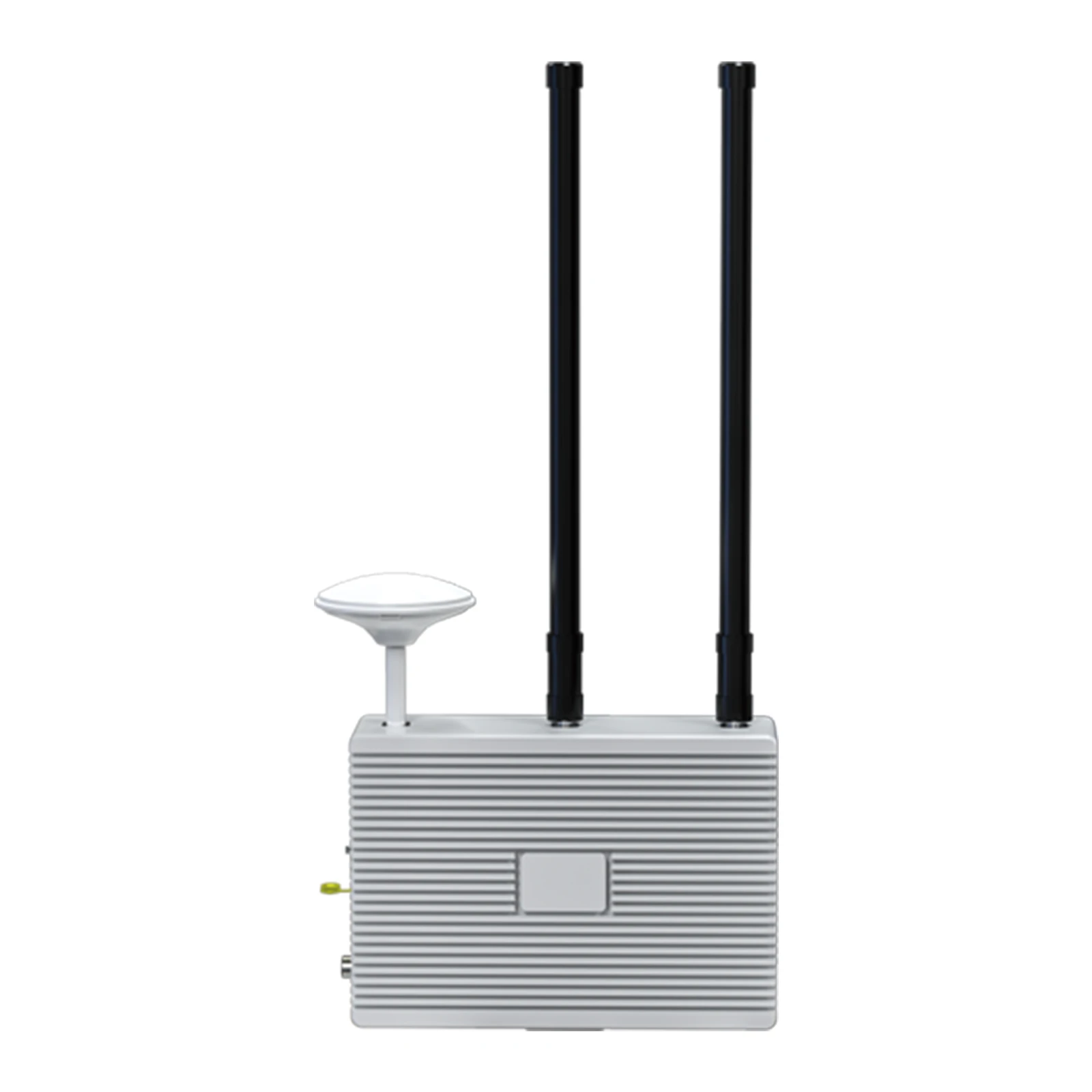
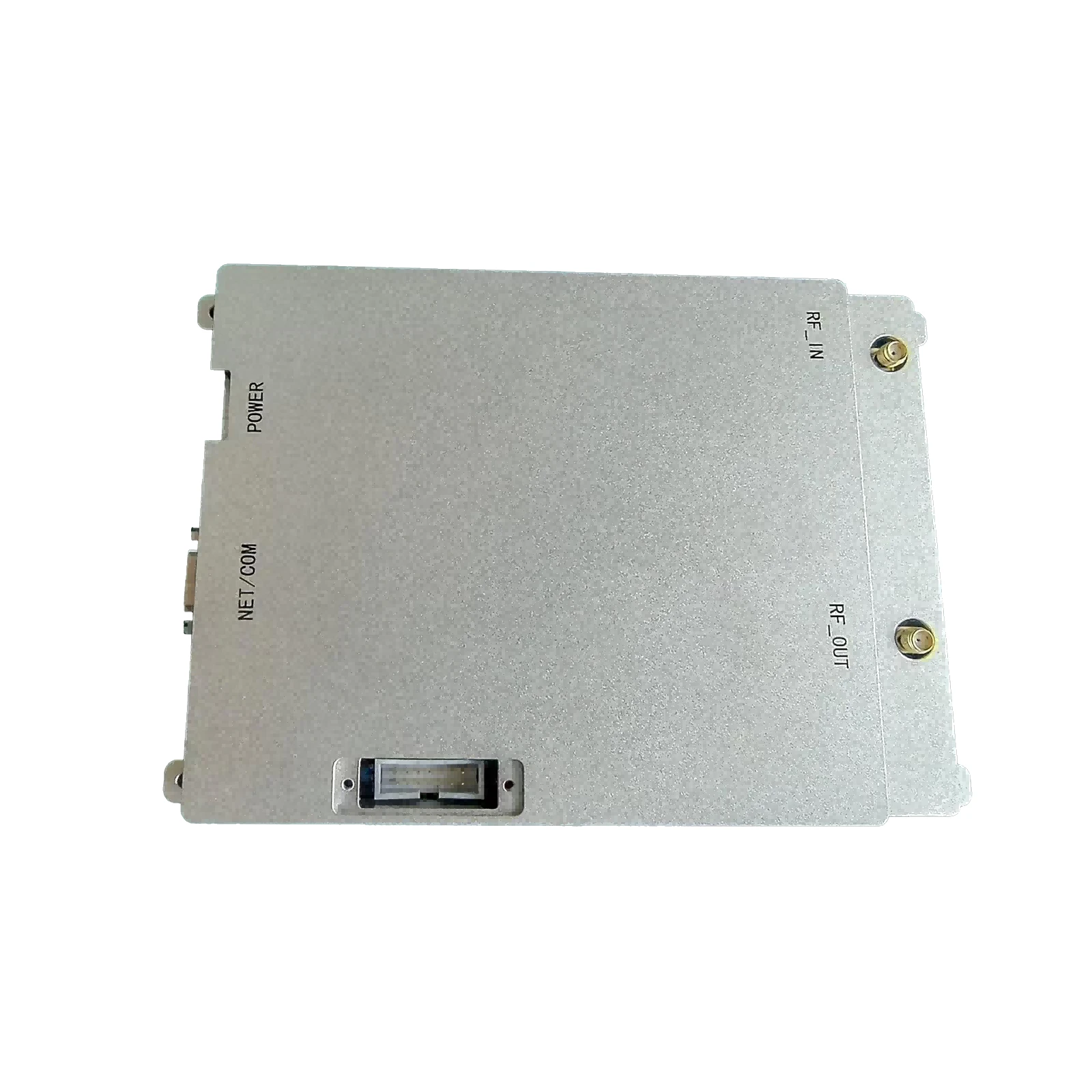
At the forefront of this technological advancement is the 4 Frequency GPS Spoofer, a sophisticated instrument engineered to generate highly accurate and controllable counterfeit GPS signals across four distinct frequency bands. Unlike conventional spoofers limited to a single or dual frequency, this advanced system offers unparalleled versatility by simultaneously operating on L1, L2, L3, and L5 bands (or specific combinations thereof, depending on configuration). This multi-frequency capability is critical for evaluating the resilience of modern multi-frequency GNSS receivers, which leverage signals from various bands to improve accuracy and mitigate interference.
The primary purpose of such a device extends beyond mere deception; it serves as an indispensable tool for research, development, testing, and evaluation (RDT&E). It enables engineers to simulate realistic spoofing attacks, assess system vulnerabilities, validate anti-spoofing algorithms, and rigorously test the performance of navigation systems under various forms of signal interference. This ensures that the end products are robust, reliable, and secure in hostile electromagnetic environments.
Technical Specifications and Core Parameters
The design and engineering of a high-performance 4 Frequency GPS Spoofer demand meticulous attention to detail in its technical specifications. These parameters define its capabilities, precision, and operational reliability in mission-critical applications. Below is a detailed table outlining typical specifications for such an advanced system, reflecting a blend of cutting-edge RF engineering and robust control software.
Product Specification Table: 4 Frequency GPS Spoofer
Understanding these technical parameters is crucial for B2B decision-makers and engineers to ensure the 4 Frequency GPS Spoofer aligns with their specific testing and security requirements, guaranteeing optimal performance and compatibility within their existing technological ecosystems.
The Manufacturing Process of a 4 Frequency GPS Spoofer
The production of a sophisticated device like a 4 Frequency GPS Spoofer is a multi-stage, high-precision engineering endeavor that combines advanced materials science, stringent manufacturing processes, and rigorous testing protocols. This section details the meticulous process flow, highlighting key stages and quality control measures.
1. Material Sourcing and Initial Quality Control
The foundation of a reliable spoofer lies in its components. We meticulously source high-grade materials from ISO-certified suppliers. This includes specialized RF-grade laminates for Printed Circuit Boards (PCBs) – such as Rogers or Arlon substrates known for their low dielectric loss and stable electrical properties – and high-purity aluminum alloys (e.g., 6061-T6, 7075-T6) for enclosures, chosen for their excellent strength-to-weight ratio and thermal conductivity. RF components, including oscillators, amplifiers, mixers, and filters, are selected for their low noise figures, high linearity, and wide operating bandwidths, critical for multi-frequency performance. All incoming materials undergo rigorous inspection, including spectral analysis for purity and dimensional checks to meet tight tolerances, adhering to ANSI standards.
2. Component Fabrication and Sub-Assembly
- RF Module Manufacturing: Custom antennas, often multi-band patch or array designs, are precisely manufactured using CNC machining for optimal geometry, followed by electroplating (e.g., silver or gold) to ensure superior conductivity and corrosion resistance in challenging environments. Power amplifiers (PAs) and low-noise amplifiers (LNAs) are assembled in cleanroom environments to prevent contamination, ensuring optimal Carrier-to-Noise Ratio (C/N0) performance.
- PCB Production: Multi-layer PCBs are fabricated with tight impedance control to prevent signal reflections and losses at high frequencies. Automated Surface Mount Technology (SMT) lines ensure precise placement and soldering of hundreds of miniature components, including complex FPGAs and DSPs, with micron-level accuracy.
- Housing & Enclosure: The robust chassis and enclosure are typically manufactured via precision CNC machining from aerospace-grade aluminum alloys. This process ensures exact fits for internal components, optimal thermal dissipation, and effective electromagnetic shielding. Post-machining, parts undergo anodizing or powder coating for enhanced corrosion resistance, particularly important for target industries like petrochemicals and metallurgy where corrosive atmospheres are prevalent. This also ensures a longer service life, often exceeding 10 years in continuous operation.
3. System Integration and Assembly
This stage involves the careful integration of the fabricated RF modules, digital control units, power supply components, and user interfaces into the robust enclosure. Highly skilled technicians perform intricate wiring and soldering, ensuring every connection meets IPC J-STD-001 standards. The modular design facilitates efficient assembly and future upgrades.
4. Calibration and Rigorous Testing
Post-assembly, each 4 Frequency GPS Spoofer undergoes an extensive suite of tests to validate its performance and adherence to specifications:
- RF Performance Testing: Using calibrated spectrum analyzers, vector network analyzers, and signal generators, we verify output power accuracy, frequency stability, signal purity, spurious emission levels, and harmonic distortion across all four frequency bands. Waveform integrity and modulation quality are also assessed.
- Environmental Stress Testing: Units are subjected to temperature cycling, humidity tests, and vibration tests (e.g., MIL-STD-810G standards) to simulate harsh operating conditions. This ensures reliability in diverse applications, from high-altitude aerospace testing to ground-based industrial use.
- Software and Firmware Validation: Comprehensive functional testing, scenario execution, and security vulnerability assessments are performed to ensure the control software and embedded firmware operate flawlessly and securely.
- Compliance Testing: Each unit is tested for Electromagnetic Compatibility (EMC) and Electromagnetic Interference (EMI) according to international standards (e.g., CE, FCC), ensuring it operates without causing or being susceptible to undue interference.
5. Final Quality Assurance and Certification
A final visual inspection and comprehensive functional test are conducted. All test data is logged and traceable. Our manufacturing processes are ISO 9001:2015 certified, guaranteeing consistent quality management. The target industries for these spoofers include defense, aerospace, petrochemicals (for critical timing systems), metallurgy, and water supply & drainage (for monitoring infrastructure vulnerability). The robust design, high-quality materials, and corrosion resistance offer significant advantages, ensuring an extended operational lifespan and reducing maintenance costs, thereby delivering energy savings through consistent, optimized performance over time.
Versatile Application Scenarios
The multi-frequency capabilities and precision engineering of the 4 Frequency GPS Spoofer unlock a broad spectrum of critical applications across various high-stakes industries. Its ability to generate authentic-looking, yet counterfeit, GNSS signals is indispensable for testing, development, and security assessment.
-
Defense and National Security
For defense contractors and national security agencies, the spoofer is vital for assessing the resilience of military GNSS receivers, anti-jamming/anti-spoofing systems, and precision-guided munitions. It facilitates the simulation of complex electronic warfare (EW) scenarios to test the robustness of navigation and timing systems under hostile conditions, ensuring operational readiness and superiority.
-
Aerospace and Aviation
In aerospace, the spoofer aids in the R&D of next-generation aircraft navigation systems, UAVs, and satellite components. Engineers can simulate various flight paths, atmospheric conditions, and signal interference scenarios to rigorously test autopilot systems, GNSS receivers, and communication links, verifying their reliability and accuracy before real-world deployment.
-
Automotive (Autonomous Vehicles)
The development of autonomous vehicles heavily relies on precise PNT data. The 4 Frequency GPS Spoofer enables automotive engineers to test the integrity of self-driving car navigation systems against potential spoofing attacks, ensuring safe and reliable operation in diverse environments. This includes simulating urban canyon effects, tunnel entries/exits, and intentional signal manipulation to evaluate the vehicle's sensor fusion capabilities and decision-making algorithms.
-
Critical Infrastructure Protection (Petrochemical, Metallurgy, Water Supply & Drainage)
Many critical infrastructures, including power grids, telecommunications networks, and industrial control systems (ICS) in petrochemical plants, metallurgical facilities, and water utilities, rely on accurate GPS time synchronization for their operations. Spoofing attacks could disrupt these systems, leading to severe consequences. The spoofer allows vulnerability assessments and the development of robust, corrosion-resistant timing solutions. Its robust design ensures a long service life and energy saving benefits through minimized signal loss and optimized power usage in these demanding industrial settings.
-
R&D and Academic Research
Academic institutions and R&D labs utilize the spoofer for fundamental research into GNSS vulnerabilities, developing novel anti-spoofing algorithms, and exploring the boundaries of PNT security. It serves as an essential tool for understanding complex signal interactions and designing the next generation of resilient navigation technologies.
Technical Advantages and Competitive Edge
The sophisticated engineering behind the 4 Frequency GPS Spoofer delivers distinct technical advantages that set it apart in the market, providing users with unparalleled capabilities for advanced GNSS testing and security assessments.
-
Comprehensive Multi-Frequency Support:
The ability to simultaneously spoof across GPS L1, L2, L3, and L5 bands is a critical differentiator. This mirrors the capabilities of modern multi-frequency receivers, allowing for more realistic and thorough testing of sophisticated navigation systems that rely on diverse signal combinations for enhanced accuracy and integrity. This broad spectral coverage is key to future-proofing testing methodologies.
-
High Signal Fidelity and Precision Control:
Equipped with state-of-the-art Digital-to-Analog Converters (DACs) and RF front-ends, the spoofer generates signals with extremely low phase noise, high spectral purity, and precise power control. This enables the simulation of highly accurate spoofing scenarios, including precise trajectory manipulation, ensuring reproducible and reliable test results.
-
Advanced Scenario Generation:
Beyond simple static spoofing, the system supports dynamic scenario generation, allowing users to create complex, time-varying spoofing attacks, including false trajectory insertion, "meaconing" (retransmission of genuine GNSS signals), and signal capture/replay. This flexibility is crucial for comprehensive vulnerability assessment and the development of robust mitigation techniques.
-
Robustness and Durability:
Constructed with industrial-grade components and housed in a robust, EMI-shielded enclosure, the spoofer is designed for continuous operation in demanding environments. This ensures a long service life and consistent performance, even in challenging R&D labs or field-deployed test setups. The corrosion resistance stemming from high-quality materials and coatings further enhances its reliability, crucial for specialized industrial applications.
-
Scalability and Integration:
With an intuitive control interface and extensive API support (e.g., RESTful API, SCPI over Ethernet), the 4 Frequency GPS Spoofer can be seamlessly integrated into existing automated test benches and larger simulation infrastructures. Its modular architecture also allows for future upgrades and expansion, ensuring long-term value.
Vendor Comparison: Choosing the Right 4 Frequency GPS Spoofer
The market for GNSS spoofing and simulation solutions is diverse, with various vendors offering systems tailored to different needs and budgets. For B2B decision-makers, understanding the nuances between offerings is crucial. Below is a comparative overview of key factors to consider, positioning our 4 Frequency GPS Spoofer within the competitive landscape.
GPS Spoofer Comparison Table
Our 4 Frequency GPS Spoofer is engineered for organizations demanding the highest levels of performance, versatility, and reliability. It addresses the critical need for comprehensive multi-frequency GNSS testing, positioning itself as a premium solution for B2B clients in high-stakes industries where precision, security, and the ability to simulate advanced threats are non-negotiable.
Customized Solutions for Unique Demands
Recognizing that every B2B client has unique requirements, our approach to GNSS spoofing technology emphasizes flexibility and tailored solutions. While our standard 4 Frequency GPS Spoofer offers robust capabilities, we specialize in adapting our core technology to meet precise operational and integration challenges.
-
Frequency Configuration:
Clients can specify desired frequency combinations beyond the standard L1/L2/L3/L5, including other GNSS constellations (GLONASS, Galileo, BeiDou) or specific military codes.
-
Power Output and Range:
Adjustable output power levels to match specific testing environments, from tightly controlled lab setups to wider-area test ranges, ensuring optimal signal-to-noise ratios without causing undue interference.
-
Environmental Hardening:
Tailored enclosures for extreme temperatures, high humidity, vibration, or shock, meeting MIL-STD specifications for ruggedized deployments in defense or industrial settings.
-
Software and Firmware Development:
Custom scenario scripting, integration with proprietary test automation frameworks, or specialized user interfaces to streamline testing workflows and enhance operational efficiency.
-
Integration Capabilities:
Development of specific interfaces or protocols for seamless integration into complex hardware-in-the-loop (HIL) simulations or larger PNT testbeds.
Our team of expert engineers collaborates closely with clients from conceptualization to deployment, ensuring that each customized 4 Frequency GPS Spoofer precisely addresses their unique challenges, delivering optimal performance and maximum value.
Application Case Studies: Real-World Impact
Our commitment to delivering high-performance, reliable solutions is demonstrated through successful deployments with leading organizations across various critical sectors. These case studies highlight the tangible benefits and strategic advantages gained by integrating our 4 Frequency GPS Spoofer into their RDT&E programs.
Case Study 1: Enhancing Autonomous Navigation for Next-Gen UAVs
- Client: Leading Aerospace and Defense Contractor (North America)
- Challenge: The client was developing advanced Unmanned Aerial Vehicles (UAVs) requiring highly resilient navigation systems capable of operating in GPS-denied or spoofed environments. Traditional single-frequency simulators were insufficient to test multi-frequency GNSS receivers effectively.
- Solution: We provided a customized 4 Frequency GPS Spoofer, configured to simultaneously generate L1, L2, L5, and military L3 signals. The system was integrated into their hardware-in-the-loop (HIL) simulation testbed, allowing for real-time simulation of complex spoofing scenarios, including dynamic trajectory manipulation and coordinated multi-frequency attacks.
- Outcome: The client significantly accelerated their development cycle. They successfully identified and rectified vulnerabilities in their UAVs' GNSS receivers, leading to a 30% improvement in navigation resilience against sophisticated spoofing attacks. This direct feedback loop facilitated the rapid iteration of anti-spoofing algorithms and validated the robustness of their autonomous navigation stack, securing their competitive edge.
Case Study 2: Protecting Critical Infrastructure Time Synchronization
- Client: National Energy Grid Operator (Europe)
- Challenge: The client's national power grid relies heavily on GPS for precise time synchronization across substations and control centers. With increasing reports of GPS spoofing incidents globally, they needed to assess the vulnerability of their PNT infrastructure and develop robust mitigation strategies to prevent widespread blackouts or operational disruptions.
- Solution: Our team deployed a ruggedized version of the 4 Frequency GPS Spoofer to conduct controlled vulnerability assessments on their grid's timing receivers. The spoofer was used to generate subtle, time-offset spoofing signals on L1 and L2 frequencies, mimicking potential adversarial actions. We also provided expert consultation and training on advanced spoofing detection techniques.
- Outcome: The assessment revealed critical vulnerabilities in older timing receivers, prompting the client to upgrade their infrastructure with multi-frequency, anti-spoofing-enabled units. The controlled testing allowed them to develop and validate new security protocols and incident response plans, significantly enhancing the resilience of their national power grid against PNT attacks. This proactive approach minimized potential financial losses and safeguarded national energy security.
Trust and Transparency: FAQ, Lead Time, Warranty, and Support
Building strong B2B relationships is founded on trust, clarity, and unwavering support. Here, we address common inquiries and outline our commitment to transparency in our processes and post-sales service.
Frequently Asked Questions (FAQ)
-
Q: What specific GPS frequencies does the 4 Frequency GPS Spoofer support?
A: Our standard configuration supports GPS L1 (1575.42 MHz), L2 (1227.60 MHz), L3 (1381.05 MHz), and L5 (1176.45 MHz). Custom configurations for other GNSS constellations (GLONASS, Galileo, BeiDou) or additional frequency bands are available upon request.
-
Q: Is the use of a GPS spoofer legal?
A: The use of GPS spoofers is strictly regulated. Our 4 Frequency GPS Spoofer is intended for authorized research, development, and testing within controlled laboratory environments and by entities with explicit legal permission (e.g., government agencies, defense contractors, accredited research institutions). Users are solely responsible for ensuring compliance with all applicable local, national, and international laws and regulations regarding the operation of such equipment.
-
Q: What kind of integration options are available?
A: The system features Ethernet connectivity for remote control and extensive API support (e.g., RESTful API, SCPI) for seamless integration into automated test environments and existing HIL systems. Custom integration services are also available to meet specific client infrastructure requirements.
-
Q: Can the spoofer simulate dynamic scenarios?
A: Yes, our advanced scenario generation software allows for the creation and execution of highly dynamic and complex spoofing scenarios, including moving platforms, changing environmental conditions, and multi-faceted attack vectors, providing unparalleled flexibility for comprehensive testing.
Lead Time and Fulfillment
For standard configurations of the 4 Frequency GPS Spoofer, the typical lead time from order confirmation to shipment is 4-6 weeks, subject to component availability and current production queue. For customized solutions involving specialized hardware or extensive software development, lead times generally range from 8-12 weeks or more, depending on the complexity. We maintain robust global logistics capabilities to ensure timely and secure delivery worldwide. Clients are provided with regular updates on their order status and dedicated support for shipping and customs clearance.
Warranty Commitments
Each 4 Frequency GPS Spoofer comes with a standard 2-year warranty covering parts and labor against manufacturing defects. This warranty reflects our confidence in the quality and durability of our products, backed by ISO 9001:2015 certified manufacturing processes. Extended warranty options and service contracts are available to provide additional peace of mind and ensure maximum operational uptime. Full terms and conditions are provided with each quotation.
Dedicated Customer Support
Our commitment to our clients extends far beyond product delivery. We offer comprehensive after-sales support designed to ensure optimal performance and satisfaction:
- 24/7 Technical Support: Access to a team of highly skilled engineers for immediate assistance with operational queries, troubleshooting, and technical guidance.
- Dedicated Account Managers: Personalized support to ensure seamless communication and tailored solutions throughout the product lifecycle.
- Comprehensive Documentation & Resources: Access to detailed user manuals, technical guides, application notes, and an online knowledge base.
- Training Programs: On-site or remote training sessions to ensure your team is fully proficient in operating and maximizing the capabilities of the spoofer.
- Field Service & Maintenance: Expert technicians available for on-site calibration, maintenance, and repair services to minimize downtime.
Conclusion
The increasing sophistication of GNSS-dependent systems across defense, aerospace, automotive, and critical infrastructure demands equally advanced testing and validation tools. The 4 Frequency GPS Spoofer stands as a testament to cutting-edge engineering, providing an indispensable solution for rigorous vulnerability assessment, robust system development, and resilient PNT design. By offering unparalleled multi-frequency capabilities, high signal fidelity, dynamic scenario generation, and comprehensive support, it empowers B2B decision-makers and engineers to secure their vital assets against evolving threats and confidently advance their technological frontiers.
References
- Bradbury, K. (2012). "GPS spoofing: An emerging threat to national security." GPS World, 23(1), 32-37.
- Aviation Week & Space Technology. (2020). "Multi-Frequency GNSS Receivers Bolster Resilience." Vol. 182, No. 12, pp. 28-31.
- National Institute of Standards and Technology (NIST). (2019). "Framework for Improving Critical Infrastructure Cybersecurity." Version 1.1.
- Pirog, P., & Dymek, S. (2016). "GPS Spoofing and Anti-Spoofing Techniques." Journal of Electronic Science and Technology, 14(3), 268-274.
- Department of Homeland Security. (2017). "Resilient PNT Conformance Framework for Critical Infrastructure."

-
 09 March 2021 16 Apr 2026
 -
 09 March 2021 09 Apr 2026
 -
 09 March 2021 07 Apr 2026
 -
 09 March 2021 04 Apr 2026
 -
 09 March 2021 31 Mar 2026
-
 09 March 2021 21 May 2025
 -
 09 March 2021 25 Dec 2024
 -
 09 March 2021 14 Oct 2022
-
 09 March 2021 25 Dec 2024

 English
  Arabic
  Belarusian
  Danish
  Dutch
Dutch  French
  German
  Greek
Greek  Japanese
  Korean
  Myanmar
  Polish
  Portuguese
  Russian
  Spanish
  Swedish
  Thai
Thai  Ukrainian
  Vietnamese