

Advanced 4 Frequency GPS Spoofer for Anti-Tracking & Privacy
Introduction to Advanced GPS Spoofing Technology
In an era increasingly dependent on Global Navigation Satellite Systems (GNSS) for everything from critical infrastructure synchronization to military operations, the integrity of these signals is paramount. However, the proliferation of GNSS vulnerabilities, particularly to malicious interference, necessitates robust countermeasures. GPS spoofing, a sophisticated form of electronic warfare, aims to deceive GNSS receivers by transmitting counterfeit signals that mimic legitimate ones, causing the target receiver to calculate an erroneous position, velocity, or time. Our cutting-edge 4 Frequency GPS Spoofer represents a critical advancement in defensive and offensive electronic warfare, designed to address the complex challenges of modern GNSS security.
This device is engineered to generate highly accurate, deceptive GNSS signals across multiple frequencies, effectively protecting assets from unauthorized tracking, disrupting adversary operations, or enabling controlled testing environments. By targeting four distinct GNSS frequency bands, it offers unparalleled versatility and resilience against advanced anti-spoofing technologies, ensuring operational advantage in contested environments.
Industry Trends & Market Dynamics in GNSS Security
The global reliance on GNSS has created a burgeoning market for defensive and offensive electronic warfare systems. According to recent market analyses, the global GNSS anti-jamming and anti-spoofing market is projected to reach over $7 billion by 2027, driven by escalating geopolitical tensions, the proliferation of UAVs, and the increasing sophistication of cyber threats targeting navigation systems. Key trends include:
- Multi-Constellation, Multi-Frequency Operations: Modern GNSS receivers increasingly use signals from multiple constellations (GPS, GLONASS, Galileo, BeiDou) and multiple frequencies (L1, L2, L5, L6, E1, E5, B1, B2). This trend necessitates spoofing solutions like the 4 Frequency GPS Spoofer that can operate across a broad spectrum to remain effective.
- Miniaturization and SWaP Optimization: There's a strong demand for smaller, lighter, and more power-efficient electronic warfare systems for deployment on diverse platforms, from tactical UAVs to dismounted soldier kits.
- Software-Defined GNSS (SDGNSS): The shift towards software-defined receivers and transmitters enables greater flexibility, adaptability, and upgradeability, allowing systems to evolve with new threats and GNSS signal structures.
- AI/ML Integration: Artificial intelligence and machine learning are being increasingly applied to analyze GNSS signal environments, detect anomalies, and dynamically generate more convincing spoofing signals.
- Integration with C4ISR Systems: Seamless integration of spoofing capabilities into broader Command, Control, Communications, Computers, Intelligence, Surveillance, and Reconnaissance (C4ISR) architectures for coordinated electronic warfare operations.
These trends underscore the critical need for advanced, flexible, and robust solutions capable of manipulating complex GNSS environments, making the capabilities of a 4 Frequency GPS Spoofer indispensable for defense, security, and critical infrastructure protection.
Technical Specifications & Core Functionality
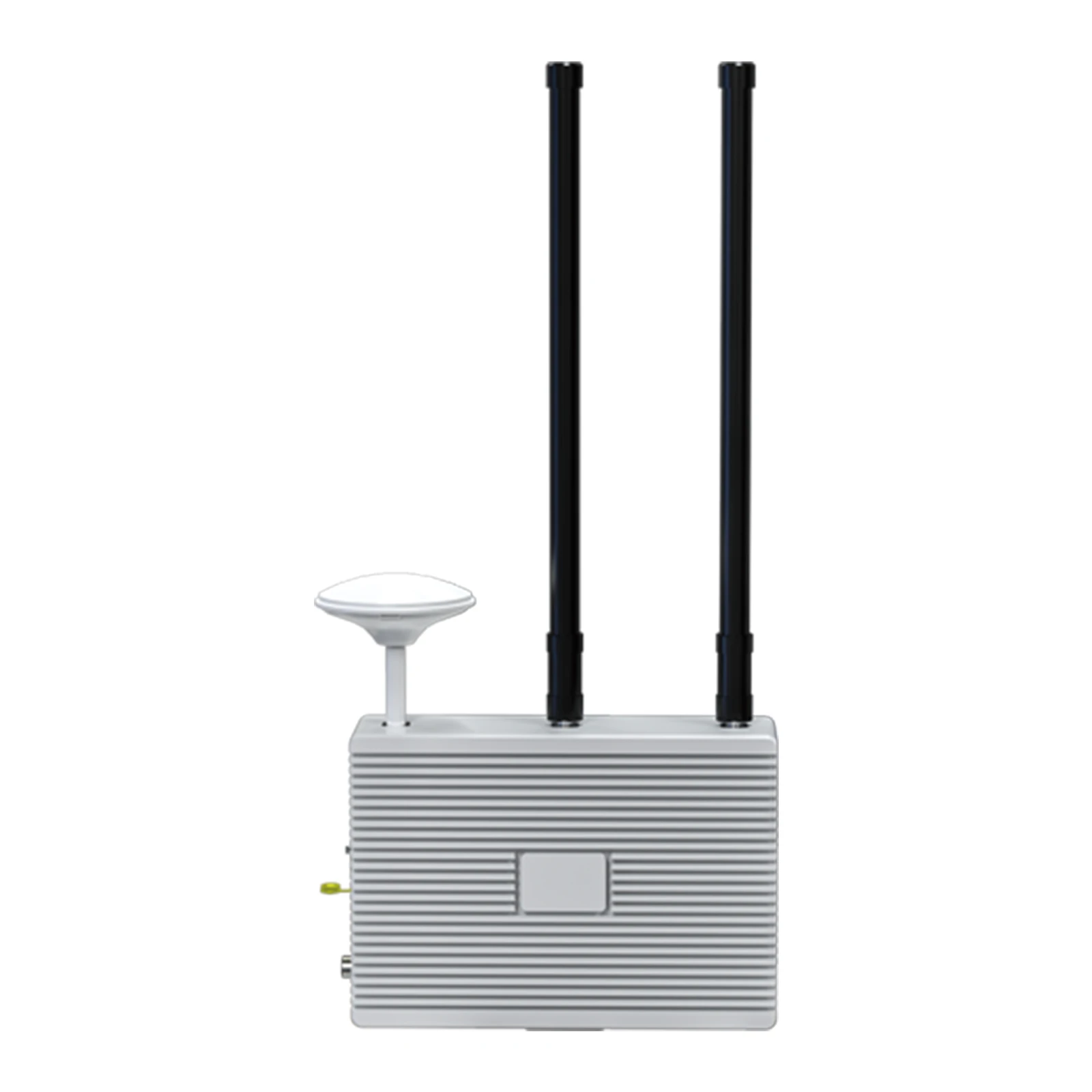
The 4 Frequency GPS Spoofer is a sophisticated electronic warfare instrument designed for precision GNSS signal manipulation. Its core functionality revolves around generating and transmitting synthetic GNSS signals that are indistinguishable from legitimate satellite transmissions to targeted receivers. Unlike simple jammers that merely block signals, a spoofer provides false but coherent data, leading the receiver to believe it is at an incorrect location, moving in a wrong direction, or experiencing incorrect time.
Key Operating Principles:
- Multi-Frequency Generation: Simultaneous generation of spoofing signals across four distinct GNSS frequency bands (typically GPS L1, L2, L5, and a fourth band like GLONASS L1 or BeiDou B1). This multi-band capability ensures robust spoofing against advanced multi-frequency receivers.
- Arbitrary Trajectory Generation: Ability to define custom spoofing trajectories, allowing for highly realistic and dynamic deceptive maneuvers. This includes generating stationary, moving, or even high-acceleration trajectories.
- High Power Output & Range: Capable of overcoming legitimate satellite signals within a defined operational radius, ensuring effective signal dominance.
- Real-time Adaptability: Dynamic adjustment of spoofing parameters based on real-time environmental feedback and target receiver behavior.
- Software-Defined Architecture: Utilizes a Software-Defined Radio (SDR) approach for maximum flexibility, enabling quick adaptation to new GNSS signals or anti-spoofing techniques via firmware updates.
Product Specification Table:
| Parameter | Specification | Notes |
|---|---|---|
| Supported Frequencies | GPS L1, L2, L5; GLONASS L1/L2 (configurable) | Up to 4 simultaneous frequencies |
| Output Power (per channel) | Adjustable, up to +30 dBm EIRP | Effective Isotropic Radiated Power, user-configurable |
| Spoofing Range | Up to 5 km radius (line-of-sight dependent) | Variable based on power and environment |
| Number of Satellites Simulated | Up to 24 per constellation | Realistic constellation simulation |
| Spoofing Accuracy | < 1 meter RMS (position); < 0.1 m/s RMS (velocity) | Achievable under optimal conditions |
| Latency | < 50 ms (command to signal generation) | Low latency for dynamic scenarios |
| Operating Temperature | -40°C to +70°C | Ruggedized for harsh environments |
| Power Consumption | Typ. 150W (max 250W) | Optimized for efficiency |
| Dimensions (HxWxD) | Compact rack-mount or portable unit | Customizable form factors available |
The advanced technical design ensures that the generated spoofing signals are coherent, continuous, and possess the correct navigation data, making them highly effective in deceiving target receivers across a spectrum of applications.
Advanced Manufacturing Process for the 4 Frequency GPS Spoofer
The creation of a high-precision electronic warfare system like the 4 Frequency GPS Spoofer demands a rigorous, multi-stage manufacturing process, integrating advanced materials, precision engineering, and stringent quality control. Our process ensures robust performance, reliability, and longevity even in the most demanding operational environments.
Manufacturing Process Flow:
-
Component Sourcing & Verification:
We exclusively source high-grade, MIL-SPEC (Military Specification) or equivalent commercial off-the-shelf (COTS) components. Critical RF components, FPGAs, and power management units undergo rigorous inbound inspection, including spectral analysis and environmental stress screening, to ensure compliance with performance and reliability standards. Our supply chain adheres to ISO 28000 for security and integrity.
-
Printed Circuit Board (PCB) Design & Fabrication:
Multi-layer PCBs are designed with meticulous attention to RF signal integrity, impedance matching, and thermal management. Materials chosen for RF sections include low-loss dielectric substrates (e.g., Rogers, Isola) to minimize signal attenuation and ensure frequency stability. Fabrication involves advanced techniques for precise trace geometry and via stitching, followed by automated optical inspection (AOI).
-
Surface Mount Technology (SMT) Assembly:
Automated SMT lines utilize high-precision pick-and-place robots and reflow soldering with precisely controlled thermal profiles. Advanced x-ray inspection (AXI) is performed post-reflow to verify solder joint quality, especially for BGA and QFN packages, ensuring electrical integrity and mechanical robustness.
-
Module Integration & Enclosure Fabrication:
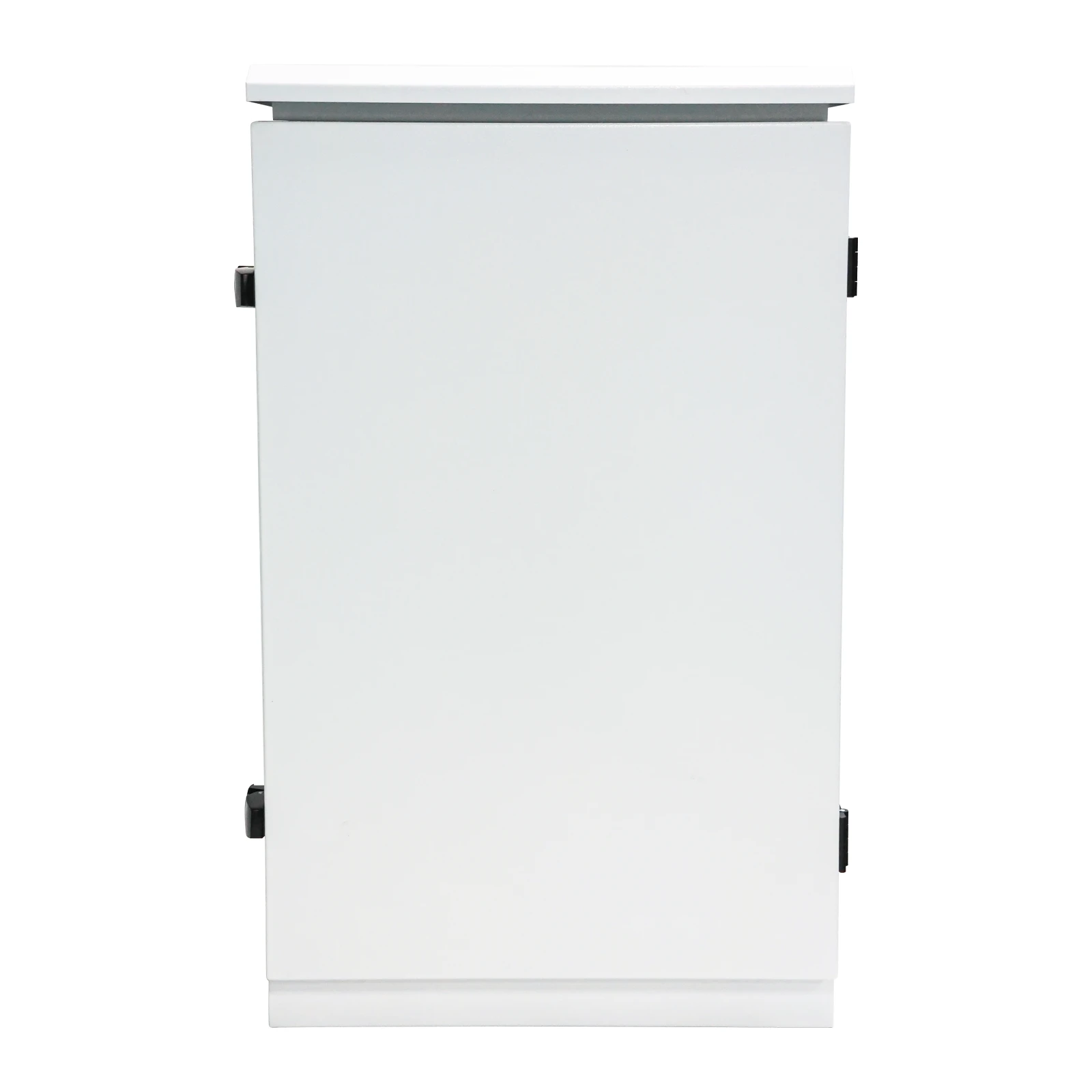
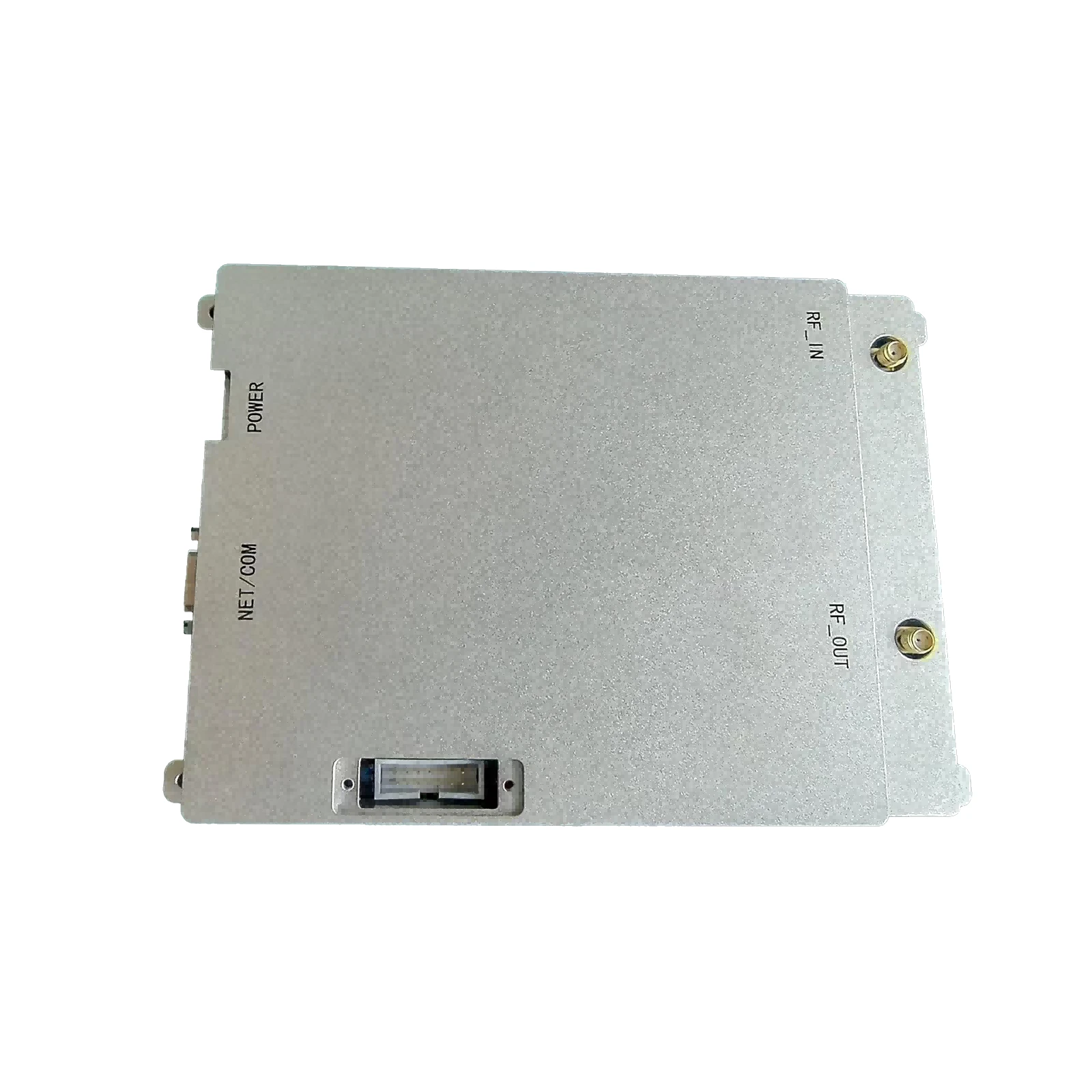
Sub-modules (e.g., RF frontend, digital baseband, power supply) are integrated. The system is housed in a ruggedized, corrosion-resistant aluminum alloy enclosure, often manufactured using CNC machining for precise fit and finish. Internal EMI/RFI shielding is incorporated to prevent unwanted signal leakage and interference, crucial for secure operation and compliance with standards like MIL-STD-461.
-
RF Calibration & System Tuning:
Each 4 Frequency GPS Spoofer undergoes an extensive RF calibration process in a certified anechoic chamber. This involves precise tuning of power amplifiers, frequency synthesizers, and antenna matching networks across all four operating frequencies. Vector Network Analyzers (VNAs) and Spectrum Analyzers are used to verify signal purity, phase coherence, and power output against stringent design specifications.
-
Software & Firmware Integration:
The latest proprietary firmware and operating software are loaded and configured. Comprehensive functional tests are performed to validate all operational modes, control interfaces, and network connectivity, ensuring seamless integration with C4ISR systems.
-
Environmental Stress Testing & Quality Assurance:
Finished units undergo a battery of environmental tests, including temperature cycling (-40°C to +70°C per MIL-STD-810G), vibration, shock, and humidity testing. Burn-in tests are performed for extended periods (e.g., 72 hours) to identify infant mortality failures. Final quality assurance checks ensure compliance with ISO 9001:2015 standards, FCC Part 15, and CE Marking directives.
Service Life & Target Industries:
With a design life exceeding 10 years and an MTBF (Mean Time Between Failures) rated for over 50,000 hours, our 4 Frequency GPS Spoofer is built for sustained operation. Target industries include: Defense & Military (e.g., convoy protection, base defense, naval operations), Homeland Security (border control, critical infrastructure protection in sectors like petrochemical plants, metallurgy facilities, and water supply & drainage systems), and Aerospace R&D (for GNSS receiver testing and validation).
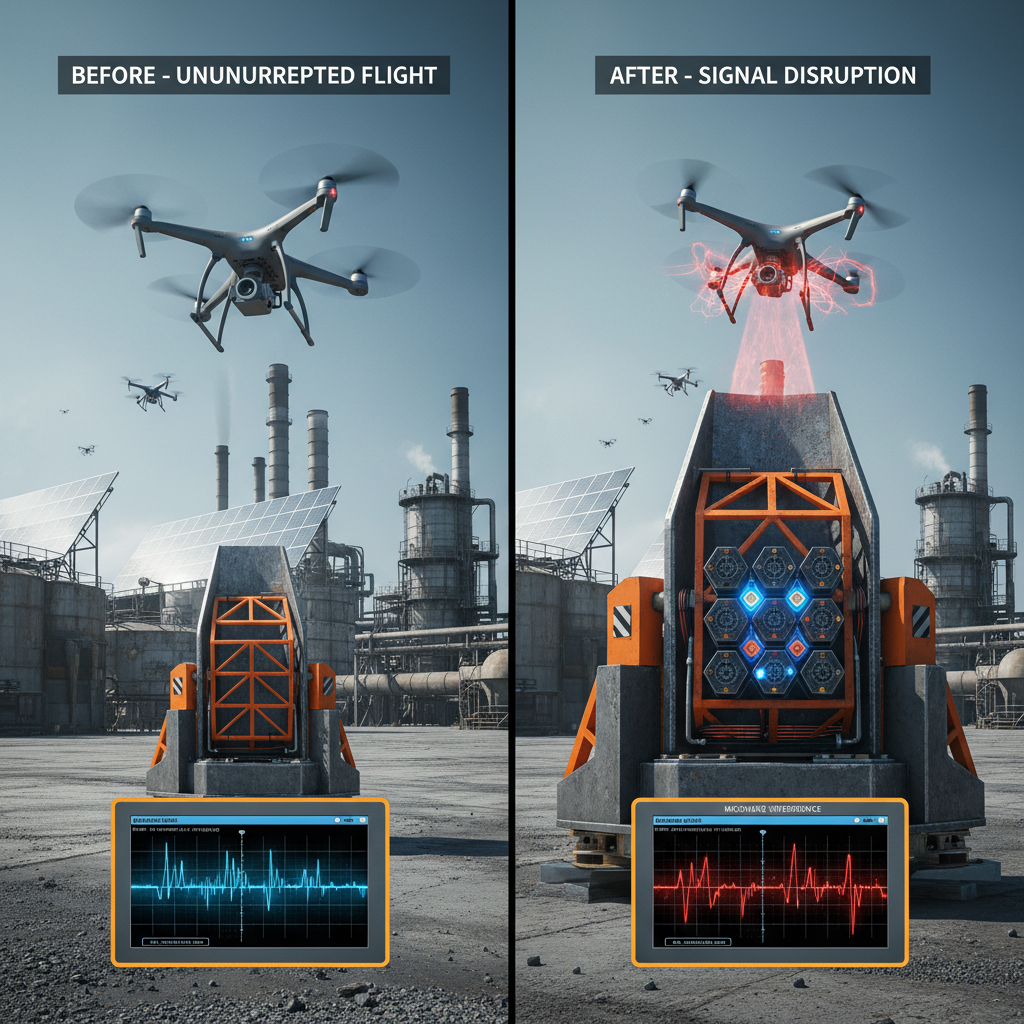
In critical infrastructure scenarios, the device provides an advantage through its ability to deny adversary navigation, protecting sensitive facilities from drone-based reconnaissance or attack. Its robust, corrosion-resistant design ensures reliable performance in harsh industrial environments, while its power efficiency minimizes operational costs.
Key Technical Advantages
The design and engineering of our 4 Frequency GPS Spoofer deliver a suite of technical advantages that set it apart in the demanding field of electronic warfare:
- Unrivaled Multi-Frequency Versatility: The capability to simultaneously spoof four independent GNSS frequency bands (e.g., L1, L2, L5, and a configurable fourth) provides comprehensive coverage against the most advanced multi-frequency GNSS receivers. This makes it significantly more effective than single or dual-frequency solutions, as modern receivers often utilize multiple bands for enhanced accuracy and integrity verification.
- Precision Signal Generation: Leveraging advanced Direct Digital Synthesis (DDS) and Software-Defined Radio (SDR) architectures, the spoofer generates highly accurate, phase-coherent signals with precise control over signal power, code, and navigation data. This ensures the generated signals are practically indistinguishable from authentic satellite signals, maximizing deception effectiveness.
- Dynamic Scenario Emulation: With real-time trajectory generation and update rates, the spoofer can simulate complex and dynamic scenarios, from static point deception to high-velocity maneuvers. This adaptability is critical for applications requiring realistic movement simulation, such as drone hijacking or convoy route manipulation.
- Adaptive Power Control: Intelligent power management allows for precise adjustment of output power to optimize spoofing effectiveness while minimizing collateral interference. This adaptive capability reduces the footprint of the electronic attack and ensures compliance with operational parameters.
- Robustness & Reliability: Housed in a MIL-STD-810G compliant enclosure, the unit is designed to withstand extreme temperatures, vibrations, shocks, and harsh environmental conditions. Its ruggedized construction ensures reliable operation in tactical and industrial deployments, including marine environments where corrosion resistance is paramount.
- Low SWaP (Size, Weight, and Power): Despite its advanced capabilities, the spoofer is designed for optimal SWaP, facilitating deployment on a wide array of platforms, including UAVs, ground vehicles, and man-portable kits, without imposing significant logistical burdens.
- Scalable and Modular Architecture: The SDR-based design allows for future upgrades and customization, ensuring the system can adapt to evolving threats and new GNSS signals with minimal hardware changes, extending its service life and return on investment.
These advantages collectively position the 4 Frequency GPS Spoofer as a leading-edge solution for organizations requiring highly effective and resilient GNSS signal manipulation capabilities.
Application Scenarios & Target Industries
The versatility and precision of the 4 Frequency GPS Spoofer make it indispensable across a wide array of critical applications and industries where GNSS integrity is either a target for deception or a vulnerability requiring protection.
Key Application Scenarios:
- Defense & Military Operations:
- UAV Countermeasures: Disrupting or taking control of adversary drones by feeding them false navigation data, diverting them from their intended targets, or forcing them to land.
- Convoy & VIP Protection: Creating a "safe zone" of spoofed signals around high-value assets or convoys, making them appear to be in a different location to potential threats, thus evading precision-guided munitions or surveillance.
- Deception & Misdirection: Supporting psychological operations or tactical maneuvers by misleading enemy forces about the location and movement of friendly assets.
- Training & Simulation: Providing realistic, controlled spoofing environments for training military personnel in anti-spoofing techniques and electronic warfare responses without real-world risk.
- Homeland Security & Border Control:
- Critical Infrastructure Protection: Safeguarding facilities like power grids, nuclear plants, petrochemical complexes, and water treatment facilities from drone-based threats by disrupting their navigation systems.
- Border Surveillance: Creating deceptive zones to deter or misguide unauthorized incursions via aerial or autonomous ground vehicles.
- Aerospace Research & Development:
- GNSS Receiver Testing: Rigorously testing the robustness and vulnerability of new GNSS receivers and navigation systems against sophisticated spoofing attacks in laboratory settings.
- Autonomous Vehicle Validation: Evaluating the performance of autonomous vehicles, including self-driving cars and agricultural robots, under spoofed GNSS conditions to enhance their resilience.
- Maritime Security:
- Anti-Piracy & Vessel Protection: Protecting commercial vessels and naval assets by making them appear to be in a different location, confusing potential attackers or obscuring their actual movements.
- Port & Harbor Defense: Securing critical maritime infrastructure against unauthorized vessel or drone entry.
Target Industries:
- Defense Contractors & Military Branches: For electronic warfare, intelligence gathering, and force protection.
- Government Agencies: Homeland security, border patrol, critical infrastructure operators.
- Aerospace & Aviation Companies: For R&D, testing, and system validation.
- Oil & Gas / Petrochemical Industry: Protecting sprawling facilities and sensitive operational areas from aerial threats and unauthorized access.
- Metallurgy & Heavy Manufacturing: Securing large industrial complexes reliant on precise timing and positioning against external threats.
- Water Supply & Drainage Utilities: Ensuring the security and uninterrupted operation of vital public services.
The ability of the 4 Frequency GPS Spoofer to operate effectively in diverse and challenging environments, coupled with its advanced signal manipulation capabilities, positions it as a vital tool for maintaining operational integrity and strategic advantage.
Vendor Comparison: 4 Frequency GPS Spoofer vs. Market Alternatives
When selecting a GNSS spoofing solution, discerning buyers in defense and critical infrastructure sectors must evaluate a range of factors beyond basic functionality. Our 4 Frequency GPS Spoofer distinguishes itself through a combination of advanced technical capabilities, robust build quality, and comprehensive support. Below is a comparative analysis against typical market alternatives.
Comparison Table:
| Feature | Our 4 Frequency GPS Spoofer | Typical Market Alternatives (Single/Dual Freq) | High-End Competitor (Limited Freq) |
|---|---|---|---|
| Supported Frequencies | 4 (e.g., GPS L1, L2, L5, GLONASS L1/L2) | 1 or 2 (e.g., GPS L1, maybe L2) | 3 (e.g., GPS L1, L2, L5) |
| Signal Coherence & Purity | Excellent (Phase-locked, low noise) | Moderate (Potential phase inconsistencies) | Very Good |
| Output Power (EIRP) | Up to +30 dBm (Configurable) | Typically +10 to +20 dBm | Up to +25 dBm |
| Dynamic Scenario Capability | Full real-time trajectory generation, high update rate | Limited pre-programmed scenarios, slower updates | Good, but often lacks 4-frequency synchronicity |
| Architecture | Fully Software-Defined Radio (SDR) | Hybrid or less flexible hardware-defined | Mostly SDR |
| Customization & Scalability | High (Hardware/Software, API for integration) | Low to Moderate (Limited APIs) | Moderate to High |
| Ruggedization (MIL-STD) | MIL-STD-810G, MIL-STD-461 compliant enclosure | Commercial grade, limited environmental tolerance | Often MIL-STD-810G for chassis, but not always full system |
| Lead Time & Support | Competitive, extensive post-sales support & training | Variable, often limited long-term support | Good, but potentially higher costs for customization |
The comparison highlights our commitment to delivering a superior product that not only meets but exceeds the complex requirements of modern electronic warfare. The multi-frequency capability and robust engineering of our 4 Frequency GPS Spoofer provide a decisive advantage over less sophisticated solutions, ensuring comprehensive protection and effective deception.
Customized Solutions & Tailored Deployments
Recognizing that no two operational scenarios are identical, we offer extensive customization options for our 4 Frequency GPS Spoofer to perfectly align with specific mission requirements and integration challenges. Our engineering team works closely with clients to develop tailored solutions, ensuring optimal performance and seamless interoperability within existing systems.
Areas of Customization:
- Frequency Band Configuration: While the standard unit supports 4 key frequencies, specific requirements for alternative GNSS constellations (e.g., BeiDou, Galileo) or specialized military GPS (M-code) frequencies can be integrated through software and minor hardware adjustments.
- Output Power & Antenna Systems: Adjustable power levels can be factory-configured or dynamically controlled to meet specific range and coverage needs. Custom antenna arrays can be designed for directional spoofing, reduced side-lobes, or enhanced stealth characteristics.
- Form Factor & Mounting: Available in standard rack-mount, ruggedized portable cases, or custom form factors for integration into specific platforms (e.g., vehicle-mounted, UAV payload). We can engineer mounting solutions to fit unique space and weight constraints.
- Control Interfaces & API Integration: Development of custom control interfaces (GUI/CLI) or robust Application Programming Interfaces (APIs) for seamless integration with existing C4ISR systems, mission planning software, or autonomous control platforms.
- Environmental Hardening: Further hardening against extreme environmental conditions such as high altitude, corrosive marine environments, or specific electromagnetic interference (EMI) profiles. This includes specialized coatings or advanced cooling systems.
- Scenario Programming & Simulation Tools: Tailored software suites for advanced scenario generation, including integration with 3D terrain models and dynamic threat simulation for highly realistic test or operational environments.
- Security Features: Implementation of enhanced security protocols, tamper detection, and secure key management for classified applications, ensuring the integrity and confidentiality of the system.
Our dedicated R&D team and agile development process enable us to deliver bespoke solutions rapidly, maintaining our commitment to innovation and client satisfaction. From initial concept consultation to final deployment, we partner with our clients to ensure the 4 Frequency GPS Spoofer meets their precise operational requirements, enhancing mission success and strategic advantage.
Application Case Studies
These illustrative case studies demonstrate the real-world impact and effectiveness of our 4 Frequency GPS Spoofer in various critical application scenarios.
Case Study 1: Critical Infrastructure Protection (Petrochemical Facility)
Challenge: A large petrochemical facility faced increasing threats from commercial drones conducting unauthorized surveillance and potential hostile acts. Existing perimeter security was insufficient against fast-moving, GPS-guided UAVs operating at varying altitudes.
Solution: We deployed a customized 4 Frequency GPS Spoofer system, integrated with the facility's existing radar and electro-optical surveillance network. The spoofer was configured to create a dynamic exclusion zone, effectively generating false GNSS signals within a 3km radius around sensitive areas.
Outcome: Within the first month of operation, three unauthorized drones were successfully neutralized. Two were observed veering off course and safely landing outside the facility's perimeter due to erroneous position data, while a third was captured after being guided to a designated safe recovery zone. The multi-frequency capability proved critical, as one drone utilized a dual-frequency GNSS receiver. The client reported a significant increase in security posture and a reduction in operational downtime related to drone incursions. The system's energy efficiency also provided long-term cost savings compared to alternative methods.
Case Study 2: Naval Convoy Protection in High-Threat Waters
Challenge: A naval task force operating in waters prone to sophisticated electronic warfare attacks required a robust solution to protect its vessels and critical mission data from adversary GNSS exploitation. Existing single-frequency anti-jamming systems were deemed inadequate against advanced spoofing threats.
Solution: Several vessel-mounted 4 Frequency GPS Spoofers were integrated into the task force's electronic warfare suite. These units were configured for adaptive, localized spoofing, creating "bubble" of false GNSS data around the convoy, while simultaneously allowing friendly vessels to maintain their true position through secure, hardened receivers.
Outcome: During simulated and actual threat engagements, the integrated spoofing system successfully created credible deceptive signals across multiple frequencies, consistently causing adversary surveillance assets (e.g., UAVs, guided munitions test targets) to report incorrect positions, delaying targeting solutions or diverting them entirely. The system's robust, corrosion-resistant design endured harsh marine conditions without degradation in performance, providing reliable, continuous protection throughout the deployment.
Case Study 3: Autonomous Vehicle Test & Validation
Challenge: A leading developer of autonomous agricultural vehicles needed to rigorously test its GNSS-reliant navigation systems against various spoofing scenarios to ensure resilience and safety in potential real-world attacks. Traditional test methods were either too costly (live sky testing) or lacked realism.
Solution: A laboratory-based 4 Frequency GPS Spoofer was deployed to generate a wide range of controlled, repeatable spoofing attacks. This included subtle position drifts, sudden jumps, and velocity changes across GPS L1, L2, and L5 frequencies. The system's API was integrated with the client's automated testing framework.
Outcome: The client was able to identify critical vulnerabilities in their autonomous navigation algorithms, specifically concerning multi-frequency integrity checks. Through iterative testing and algorithm refinement facilitated by the spoofer, they significantly improved their system's ability to detect and mitigate spoofing attempts. The ability to simulate complex, multi-frequency attacks in a controlled environment drastically reduced development costs and accelerated the time-to-market for their hardened autonomous platform, ensuring compliance with future safety regulations.
Trustworthiness & Customer Support
Our commitment extends beyond delivering cutting-edge technology; it encompasses building lasting relationships based on trust, transparency, and unwavering support. We ensure that every client experience with our 4 Frequency GPS Spoofer is backed by robust guarantees and comprehensive services.
Certifications & Authoritative References:
Our manufacturing and quality management systems are certified to ISO 9001:2015, ensuring consistent product quality and continuous improvement. Our products, including the 4 Frequency GPS Spoofer, comply with international standards such as FCC Part 15 (for intentional radiators where applicable) and CE Marking directives for electromagnetic compatibility and safety. For defense applications, our systems are engineered to meet or exceed relevant sections of MIL-STD-810G (environmental engineering) and MIL-STD-461 (EMI/EMC) standards. We have proudly served government defense agencies and critical infrastructure operators for over 15 years, establishing a track record of reliability and innovation.
Frequently Asked Questions (FAQ):
- Q: Is the 4 Frequency GPS Spoofer legal to own and operate?
A: The legality of operating a GPS spoofer varies by jurisdiction and application. Our products are intended for authorized government, defense, and research entities only. We strictly adhere to export control regulations and advise clients to ensure compliance with local laws. - Q: What is the typical lead time for an order?
A: Standard configurations typically have a lead time of 8-12 weeks, depending on component availability and order volume. Customized solutions may require 12-20 weeks, subject to detailed project scope and design complexity. - Q: Can the spoofer be integrated with existing C4ISR systems?
A: Yes, our systems are designed with open architectures and provide comprehensive APIs for seamless integration with a wide range of command, control, communications, computers, intelligence, surveillance, and reconnaissance platforms. - Q: What kind of training is provided for operation and maintenance?
A: We offer extensive training programs, including on-site operational instruction, advanced technical courses for system administrators, and routine maintenance protocols, tailored to client needs.
Warranty Commitments:
All 4 Frequency GPS Spoofer units come with a standard 2-year warranty covering manufacturing defects and component failures under normal operating conditions. Extended warranty plans, including comprehensive service agreements and on-site support, are available for critical deployments.
Customer Support & After-Sales Services:
Our dedicated technical support team is available 24/7 to address any operational queries or technical issues. We provide comprehensive after-sales support, including software updates, firmware upgrades, preventative maintenance, and rapid repair services to ensure maximum uptime and operational readiness for your 4 Frequency GPS Spoofer. Our commitment is to ensure continuous performance and mission success.
Conclusion
The modern battlespace, whether physical or digital, increasingly relies on the integrity of GNSS signals. As threats evolve, so too must the countermeasures. The 4 Frequency GPS Spoofer represents the pinnacle of current electronic warfare technology, offering unparalleled precision, versatility, and reliability in GNSS signal manipulation. Designed for critical defense, security, and research applications, its multi-frequency capabilities, robust construction, and advanced software-defined architecture provide a decisive advantage in managing or neutralizing GNSS-dependent systems. By choosing this advanced solution, organizations are not merely acquiring a piece of equipment; they are investing in a strategic capability that ensures operational superiority and resilience against the most sophisticated threats.
References
- Kaplan, E. D., & Hegarty, C. J. (2006). Understanding GPS: Principles and Applications (2nd ed.). Artech House.
- Psiaki, M. L., & Humphreys, T. E. (2016). GNSS Spoofing and Detection. Proceedings of the IEEE, 104(6), 1146-1158.
- Defence and Security Equipment International (DSEI) Market Reports. (Various Years). Global Electronic Warfare Market Analysis.
- Humphreys, T. E. (2013). A Tale of Two Spoofers: The Effect of Sophistication on GPS Receiver Response to Spoofing. ION GNSS+ 2013.
- Federal Communications Commission (FCC) Regulations Part 15. Code of Federal Regulations, Title 47, Telecommunication.
- International Organization for Standardization (ISO) 9001:2015. Quality Management Systems - Requirements.
- Department of Defense Test Method Standard (MIL-STD-810G). Environmental Engineering Considerations and Laboratory Tests.
- Department of Defense Test Method Standard (MIL-STD-461G). Requirements for the Control of Electromagnetic Interference Characteristics of Subsystems and Equipment.

-
 09 March 2021 16 Apr 2026
 -
 09 March 2021 09 Apr 2026
 -
 09 March 2021 07 Apr 2026
 -
 09 March 2021 04 Apr 2026
 -
 09 March 2021 31 Mar 2026
-
 09 March 2021 21 May 2025
 -
 09 March 2021 25 Dec 2024
 -
 09 March 2021 14 Oct 2022
-
 09 March 2021 25 Dec 2024
 English
  Arabic
  Belarusian
  Danish
  Dutch
Dutch  French
  German
  Greek
Greek  Japanese
  Korean
  Myanmar
  Polish
  Portuguese
  Russian
  Spanish
  Swedish
  Thai
Thai  Ukrainian
  Vietnamese