

Advanced Solid State High Power Amplifiers
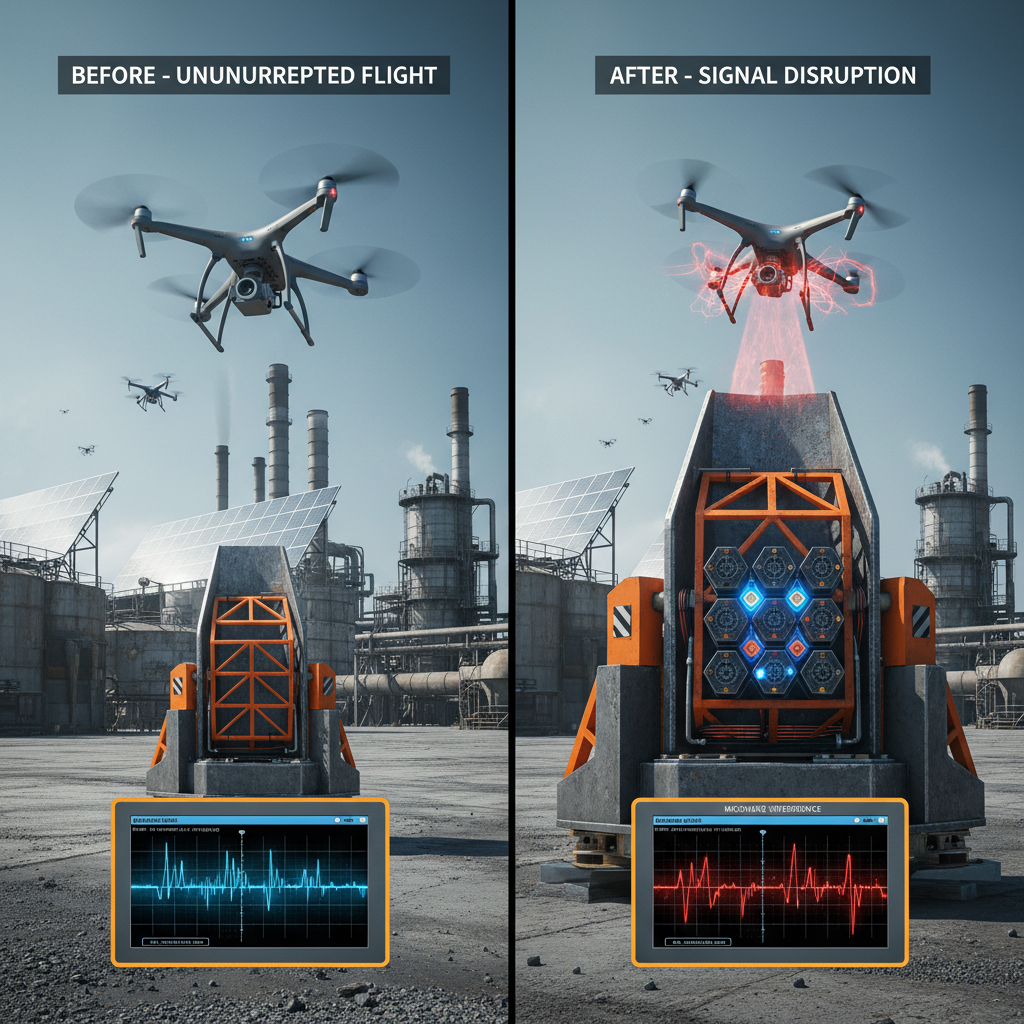
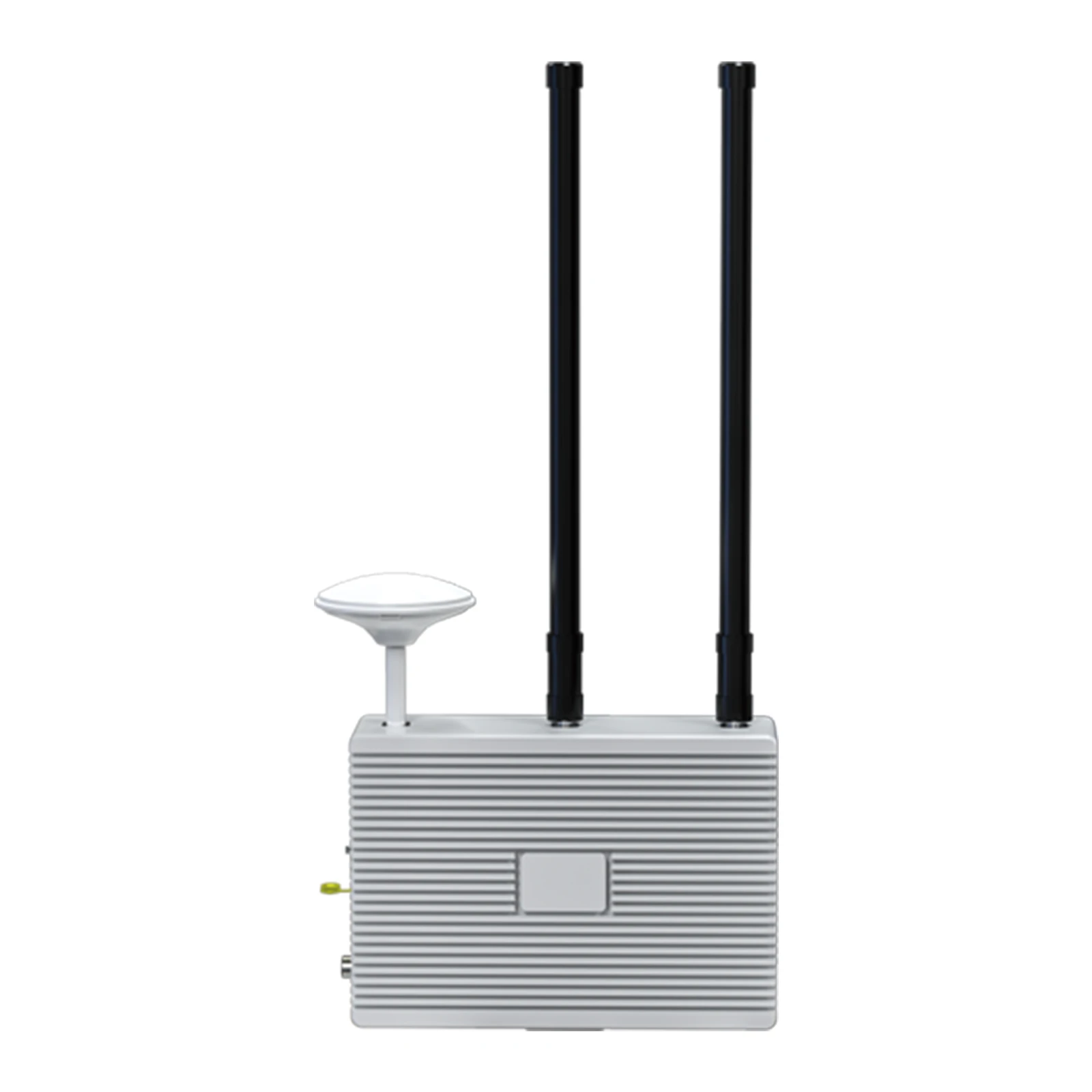
Modern anti-drone systems rely on seamless integration between detection technologies and solid state high power amplifiers to effectively counter unauthorized unmanned aerial vehicles (UAVs). Detection systems, such as radar and radio frequency (RF) scanners, identify rogue drones by analyzing their communication frequencies, which often fall within the UHF band (300 MHz to 3 GHz). Once a threat is detected, the system activates a 100W RF power amplifier to broadcast jamming signals across the drone’s operating frequency. This disrupts the UAV’s control link, GPS navigation, and video transmission, forcing it to either land or return to its origin.
The use of UHF RF amplifiers ensures precise targeting of common drone frequencies, including the 400-700 MHz and 900-1100 MHz ranges. Unlike traditional tube-based amplifiers, solid state designs offer faster response times, higher reliability, and compact form factors—critical for mobile anti-drone units deployed at events or critical infrastructure sites. For instance, a Class D RF amplifier maximizes energy efficiency while minimizing heat generation, enabling continuous operation during prolonged security missions. By synchronizing with AI-driven detection software, these amplifiers adapt jamming patterns in real time to counter evolving drone threats, ensuring robust protection for airports, government facilities, and public venues.
Customized RF power amplifier for Scalable Anti-Drone Deployments
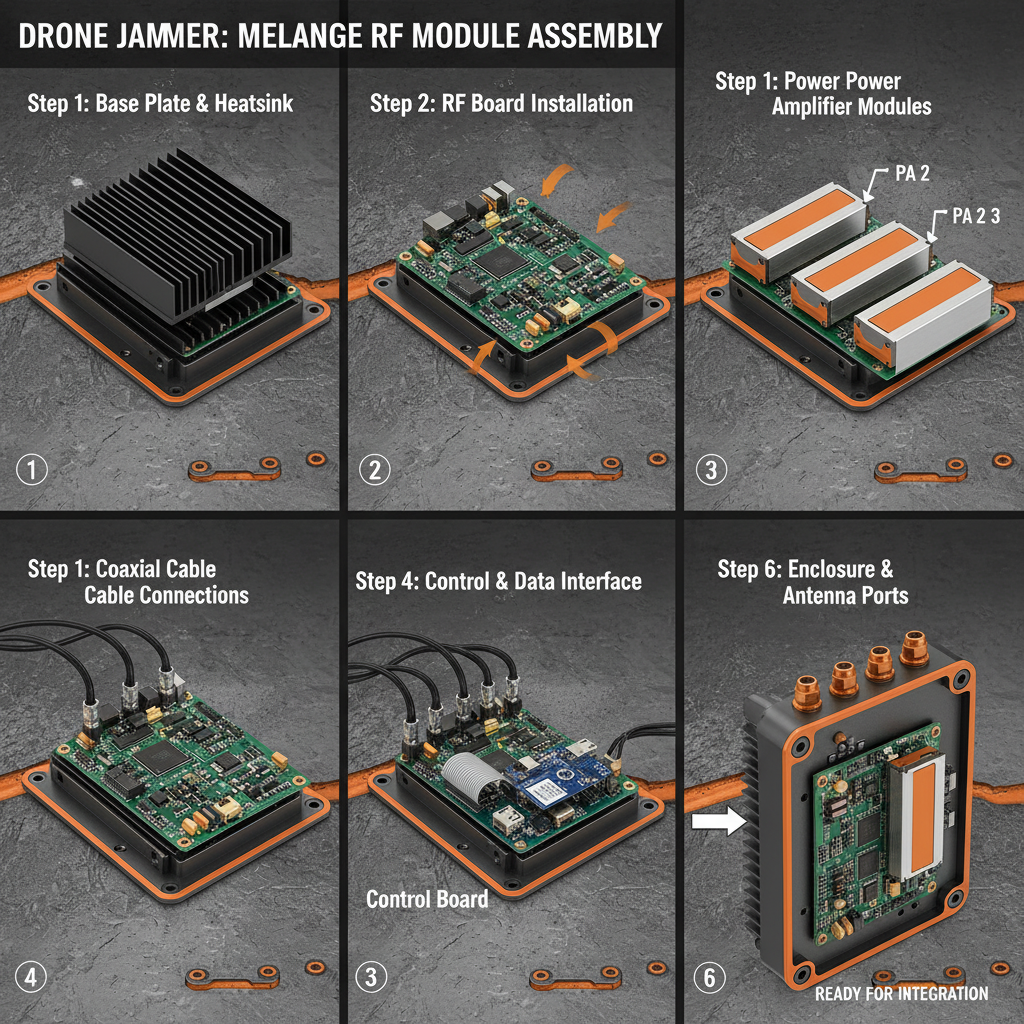
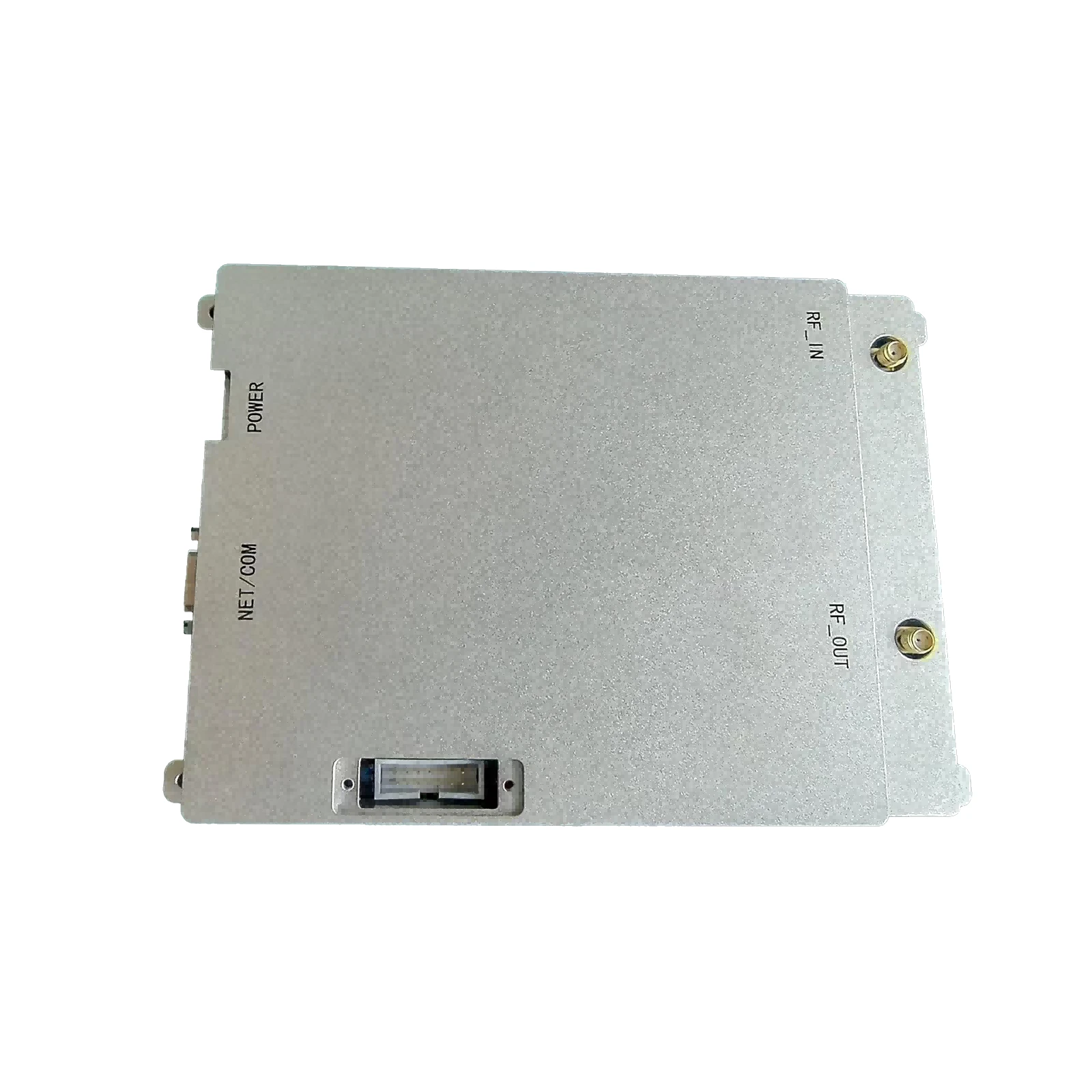
As a specialized supplier, we provide tailored solid state high power amplifiers designed to meet diverse operational needs. Our modular amplifiers support frequencies from 100-400 MHz, 400-700 MHz, and 700-1100 MHz, allowing clients to address region-specific drone regulations and emerging UAV technologies. The unified mechanical design simplifies integration into existing anti-drone setups, while the 100W RF power amplifier configuration balances portability with sufficient output to neutralize small to medium-sized drones within a 1-2 km radius.
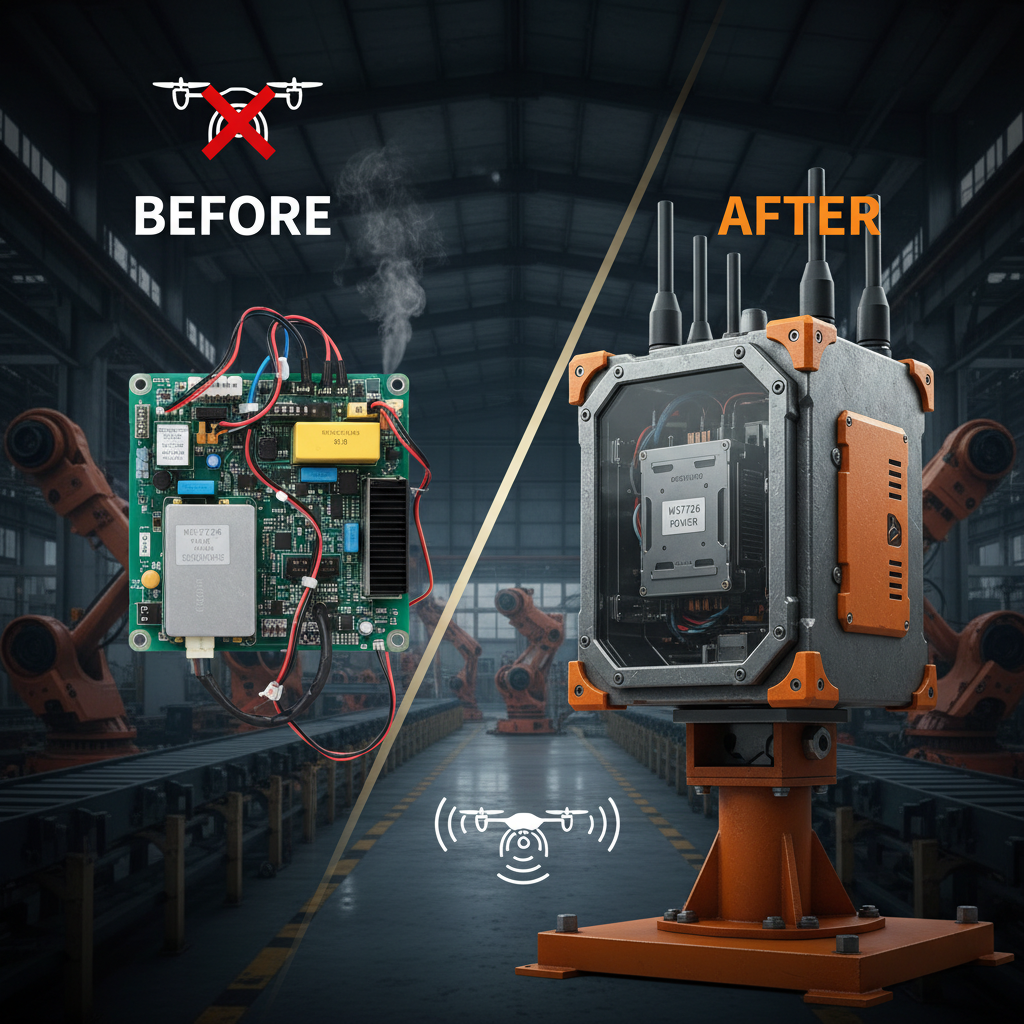
For large-scale deployments, such as securing international borders or industrial complexes, our Class D RF amplifier series supports mass production without compromising performance. The standardized size and connectors enable rapid installation across distributed jamming nodes, creating overlapping protection zones. Additionally, our amplifiers are compatible with solar-powered systems, making them ideal for remote locations where grid electricity is unavailable. By prioritizing scalability and adaptability, we empower security teams to deploy future-proof anti-drone networks at competitive costs.
Advantages of Solid State high power amplifiers in Counter-UAV Applications
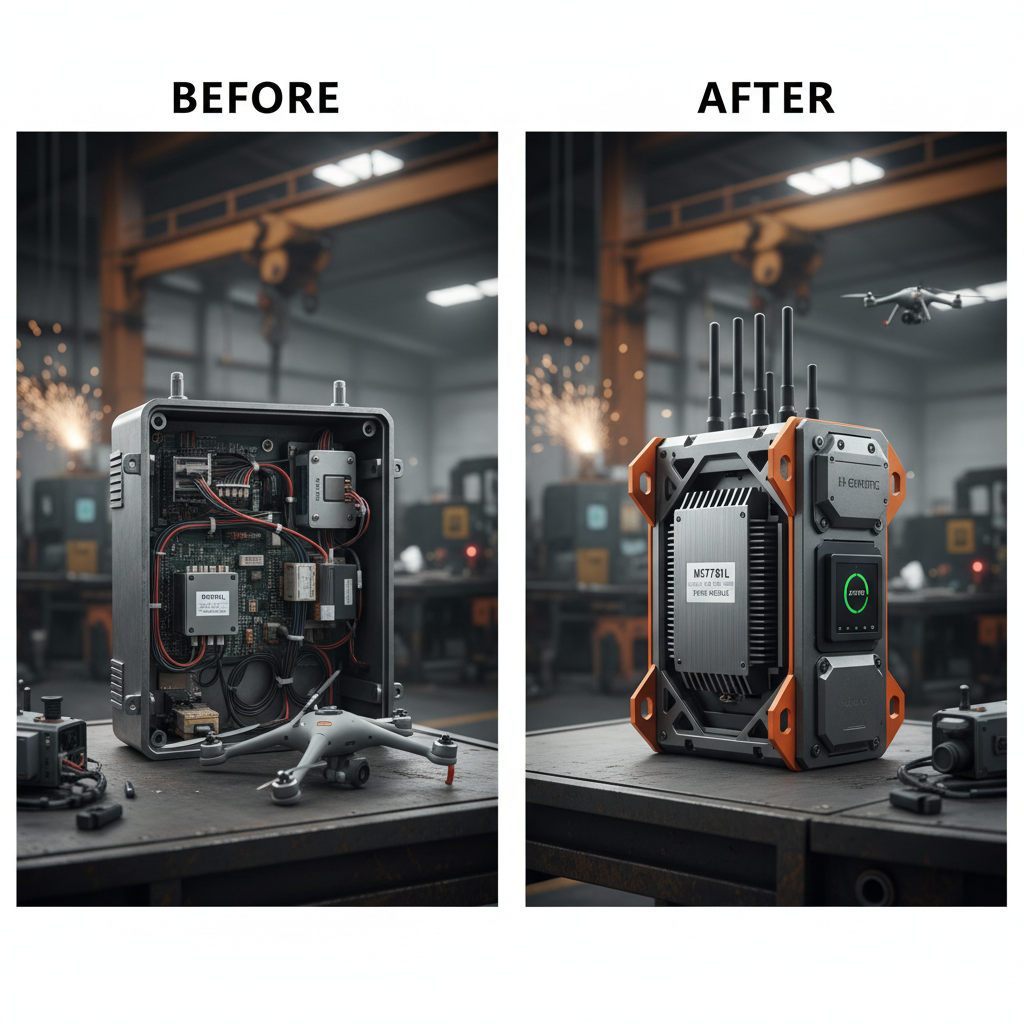
The shift from vacuum tube amplifiers to solid state high power amplifiers has revolutionized anti-drone systems. Solid state devices excel in durability, with no fragile components susceptible to vibration or shock—a key advantage for mobile units mounted on vehicles or drones. Their broad frequency coverage also allows a single UHF RF amplifier to handle multiple jamming scenarios, from disabling consumer-grade quadcopters to countering sophisticated military UAVs.
Moreover, Class D RF amplifiers achieve efficiencies exceeding 85%, reducing power consumption and operational costs. This is particularly beneficial for 24/7 surveillance operations at airports or power plants, where energy savings translate to lower long-term expenses. The instant-on capability of solid state systems ensures immediate response to threats, unlike tube amplifiers that require warm-up periods. With minimal maintenance needs and a lifespan exceeding 10 years, these amplifiers offer a cost-effective solution for public safety agencies and private security firms alike.
Real-World Applications and Client Success Stories on RF power amplifiers
Our 100W RF power amplifiers have been deployed globally to safeguard high-profile events and critical infrastructure. During a recent international summit, a network of our UHF RF amplifiers integrated with radar detection successfully neutralized 12 unauthorized drones attempting to breach restricted airspace. Similarly, a telecommunications provider used our solid state high power amplifiers to protect cell towers from drone-borne sabotage attempts, ensuring uninterrupted service during peak demand periods.
For agricultural clients, our compact Class D RF amplifier systems have prevented crop-dusting drones from straying into neighboring organic farms, resolving disputes and protecting livelihoods. These case studies highlight the versatility of solid state technology in addressing both security and operational challenges across industries.
Anti-Drone Systems with Solid State High Power Amplifiers: FAQs
How do solid state high power amplifiers improve home security against drones?
Homeowners in rural areas can integrate compact UHF RF amplifiers with motion sensors to create a localized anti-drone zone. When a UAV enters the property, the system disrupts its controls, preventing unauthorized surveillance or package theft.
Can Class D RF amplifiers interfere with legitimate wireless devices?
Properly calibrated systems target only drone-specific frequencies, avoiding disruption to Wi-Fi, Bluetooth, or emergency communication bands. Our amplifiers include filters to minimize collateral interference.
Are 100W RF power amplifiers suitable for small businesses?
Yes! Our scalable solutions allow cafes, warehouses, and offices to deploy cost-effective jamming systems tailored to their coverage needs, ensuring privacy and asset protection.
How weather-resistant are UHF RF amplifiers?
Built with industrial-grade materials, our amplifiers operate reliably in temperatures from -30°C to 55°C and withstand rain, dust, and humidity, making them ideal for outdoor use.
Why choose your solid state high power amplifiers over competitors?
We specialize in customizable, unified designs that streamline mass production, ensuring consistent quality and rapid delivery—advantages that importers and wholesalers highly value.
Explore our range of solid state high power amplifiers and anti-drone solutions tailored for scalability and efficiency. Visit https://www.drone-system.com/ to request a quote or schedule a product demo. Partner with us to build safer skies for tomorrow.

-
 09 March 2021 16 Apr 2026
 -
 09 March 2021 09 Apr 2026
 -
 09 March 2021 07 Apr 2026
 -
 09 March 2021 04 Apr 2026
 -
 09 March 2021 31 Mar 2026
-
 09 March 2021 21 May 2025
 -
 09 March 2021 25 Dec 2024
 -
 09 March 2021 14 Oct 2022
-
 09 March 2021 25 Dec 2024
 English
  Arabic
  Belarusian
  Danish
  Dutch
Dutch  French
  German
  Greek
Greek  Japanese
  Korean
  Myanmar
  Polish
  Portuguese
  Russian
  Spanish
  Swedish
  Thai
Thai  Ukrainian
  Vietnamese