

Harnessing The Power Of Solid State Amplifiers
In the high-stakes arena of electronic warfare, the radio frequency power amplifier has emerged as a silent yet decisive force. These devices serve as the critical link between command systems and the electromagnetic spectrum, enabling precise control over signals that dictate battlefield dominance. Modern jamming operations rely on amplifiers capable of generating clean, stable outputs across diverse frequencies – a requirement perfectly met by today’s RF amplifier for sale designed for military-grade resilience.
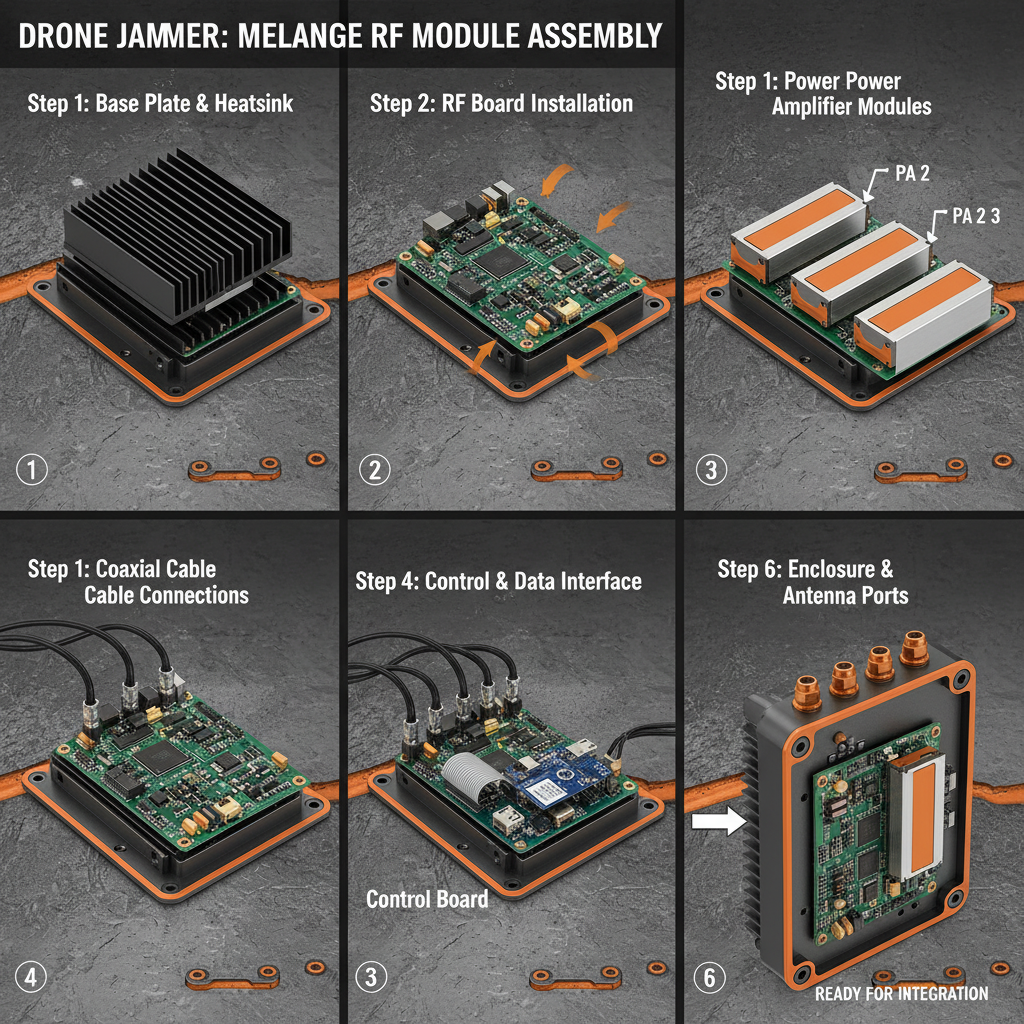
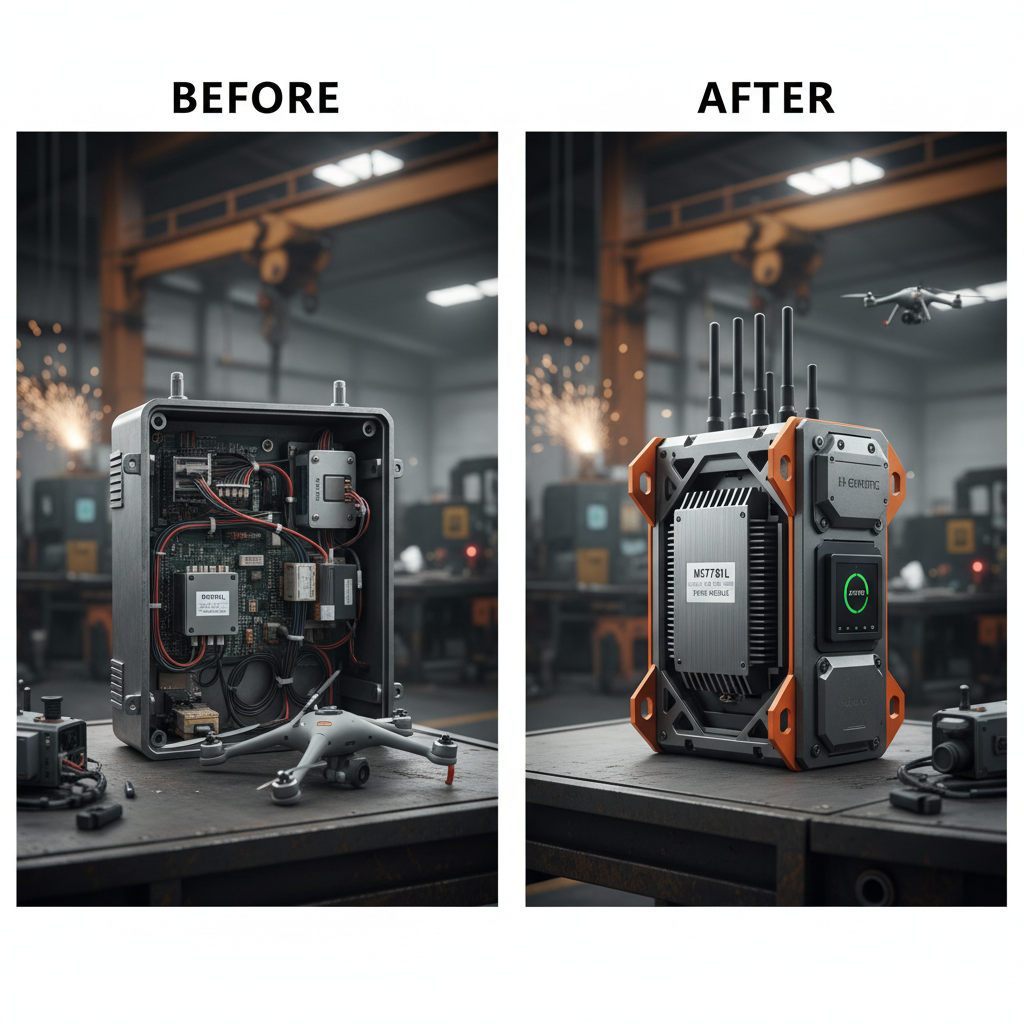
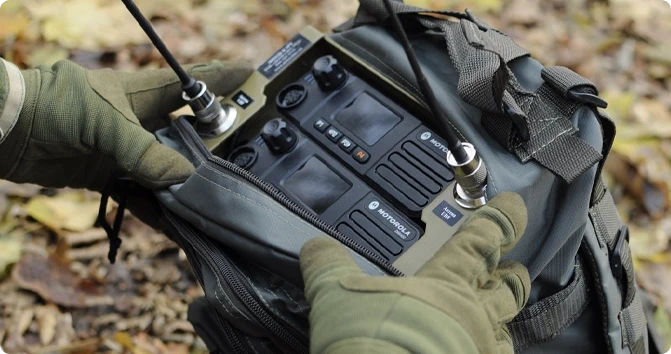
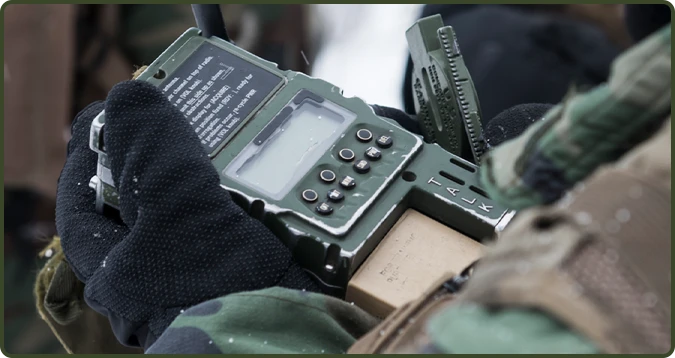
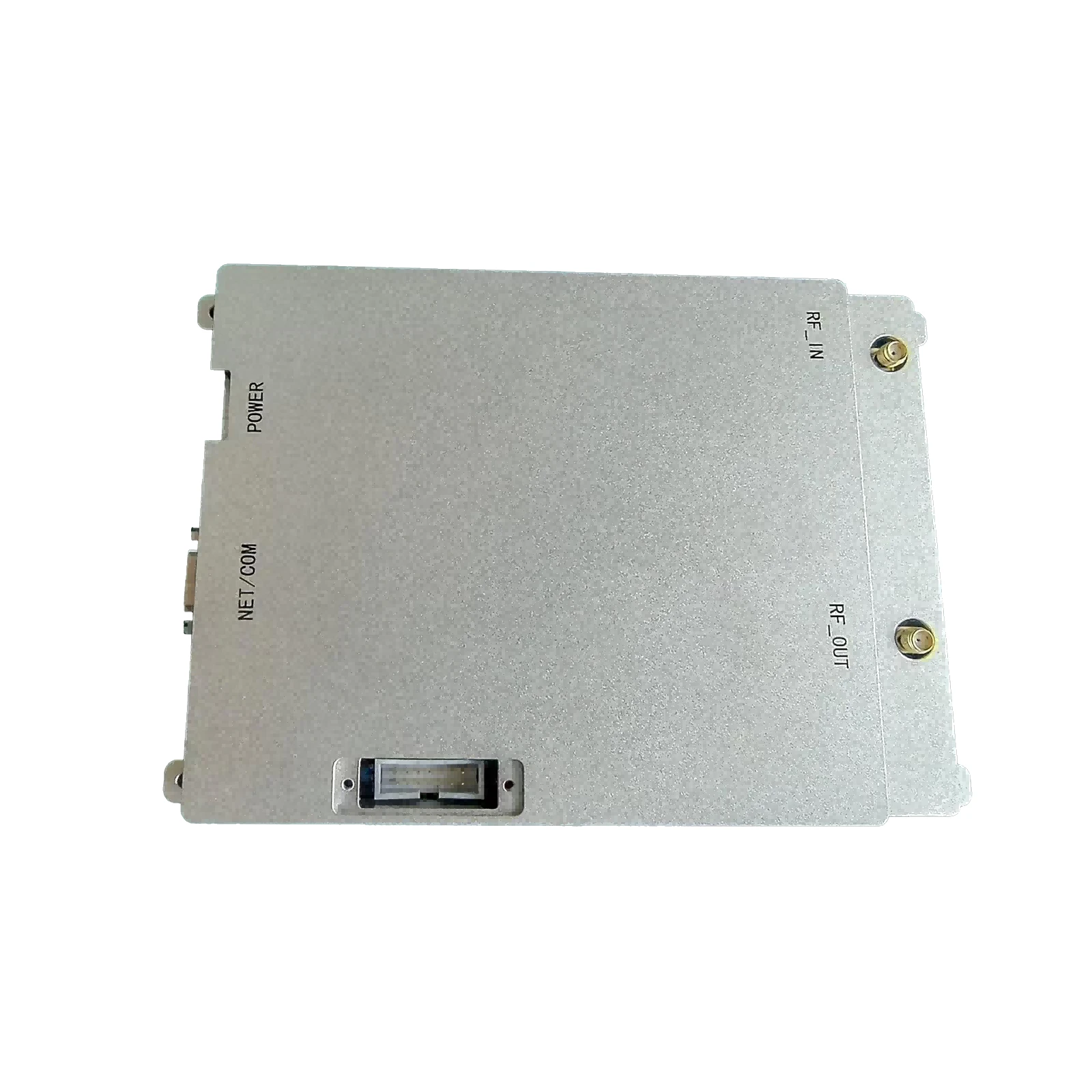
A key innovation lies in miniaturization. Engineers have achieved breakthroughs in reducing the physical footprint of these amplifiers without compromising power output. For instance, tactical units now deploy 50W RF amplifier modules no larger than a smartphone, allowing seamless integration into drones, handheld devices, or vehicle-mounted systems. This compact design enables rapid deployment in contested environments where space constraints and mobility determine mission success.
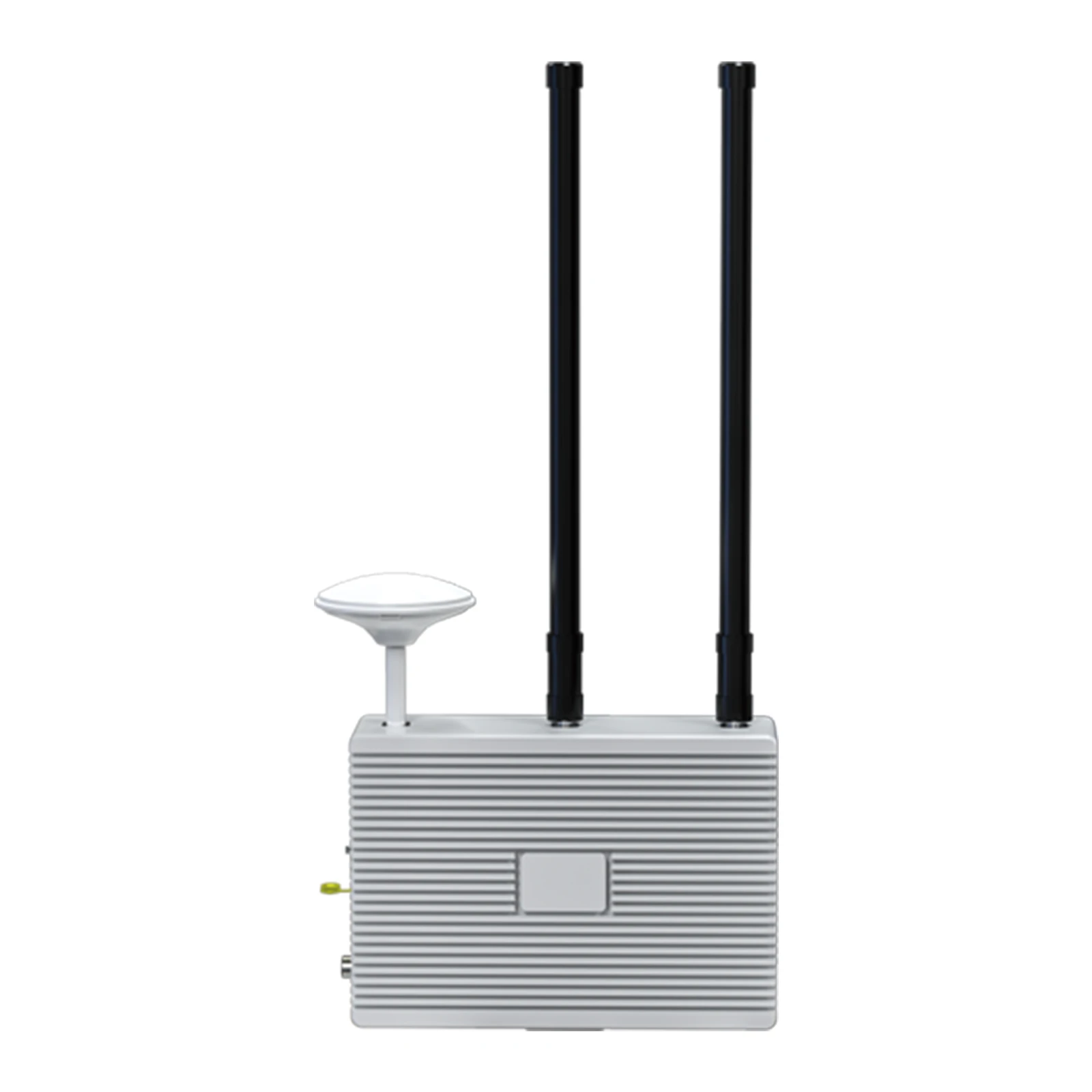
The marriage of broadband high power amplifier technology with adaptive algorithms has revolutionized jamming techniques. Unlike traditional narrowband systems, these amplifiers can simultaneously disrupt multiple communication channels – from satellite links to ground-based radar – by flooding target frequencies with precisely modulated noise. During recent field tests, such systems demonstrated the ability to neutralize enemy drones by overwhelming their guidance signals while maintaining friendly communication integrity through dynamic frequency hopping.
Broadband High Power Amplifiers: Enabling Multi-Threat Spoofing Capabilities
Spoofing – the art of deceiving enemy sensors with counterfeit signals – demands amplifiers that combine raw power with surgical precision. Broadband high power amplifiers excel in this domain by supporting wide-frequency operations critical for mimicking legitimate electromagnetic signatures. A single unit can simulate radar returns from non-existent aircraft, generate false GPS coordinates, or replicate hostile communication protocols, creating strategic confusion.
Advanced models now incorporate cognitive jamming features, where the amplifier autonomously analyzes incoming signals and tailors spoofing patterns in real time. This capability proved instrumental during recent naval exercises, where a cruiser’s defense system used such amplifiers to project decoy thermal signatures, diverting anti-ship missiles into open waters. The system’s 50W RF amplifier core maintained continuous operation despite heavy electromagnetic countermeasures, underscoring its reliability in extreme conditions.
Civilian applications are emerging alongside military uses. Urban security teams employ scaled-down versions of these amplifiers to protect critical infrastructure from drone incursions. By broadcasting tailored interference patterns, they can safely neutralize unauthorized UAVs without affecting legitimate air traffic – a testament to the technology’s precision when paired with RF amplifier for sale configurations optimized for urban electromagnetic environments.
Compact 50W RF Amplifiers: Redefining Portability in Tactical Operations
The paradigm shift toward distributed warfare demands amplifiers that balance power with portability. Modern 50W RF amplifier units achieve this through revolutionary cooling architectures and energy-dense power supplies. A typical field unit now weighs under 2 kilograms while delivering sustained output comparable to refrigerator-sized systems from a decade ago. Special forces particularly value these compact solutions for covert signal interception missions, where equipment must be carried for days without resupply.
Energy efficiency remains a cornerstone of design philosophy. By optimizing switching circuits and semiconductor materials, engineers have pushed idle current draw to unprecedented lows. This allows battery-powered radio frequency power amplifier arrays to operate continuously for 72+ hours – a vital feature for reconnaissance teams operating behind enemy lines. The same technology benefits humanitarian operations, enabling prolonged use of communication repeaters in disaster zones where power grids are destroyed.
Integration with emerging technologies like LORA (Long Range Same Frequency Interference) protocols demonstrates the versatility of modern amplifiers. Three distinct interference source types – continuous wave, pulsed, and modulated – can be generated from a single broadband high power amplifier unit. During border surveillance operations, this tri-mode capability allows rapid switching between jamming illegal drone deliveries, spoofing smuggler communications, and maintaining secure channels for law enforcement coordination.
The Evolution of RF Amplifiers for Sale: Meeting the Demands of Electronic Warfare
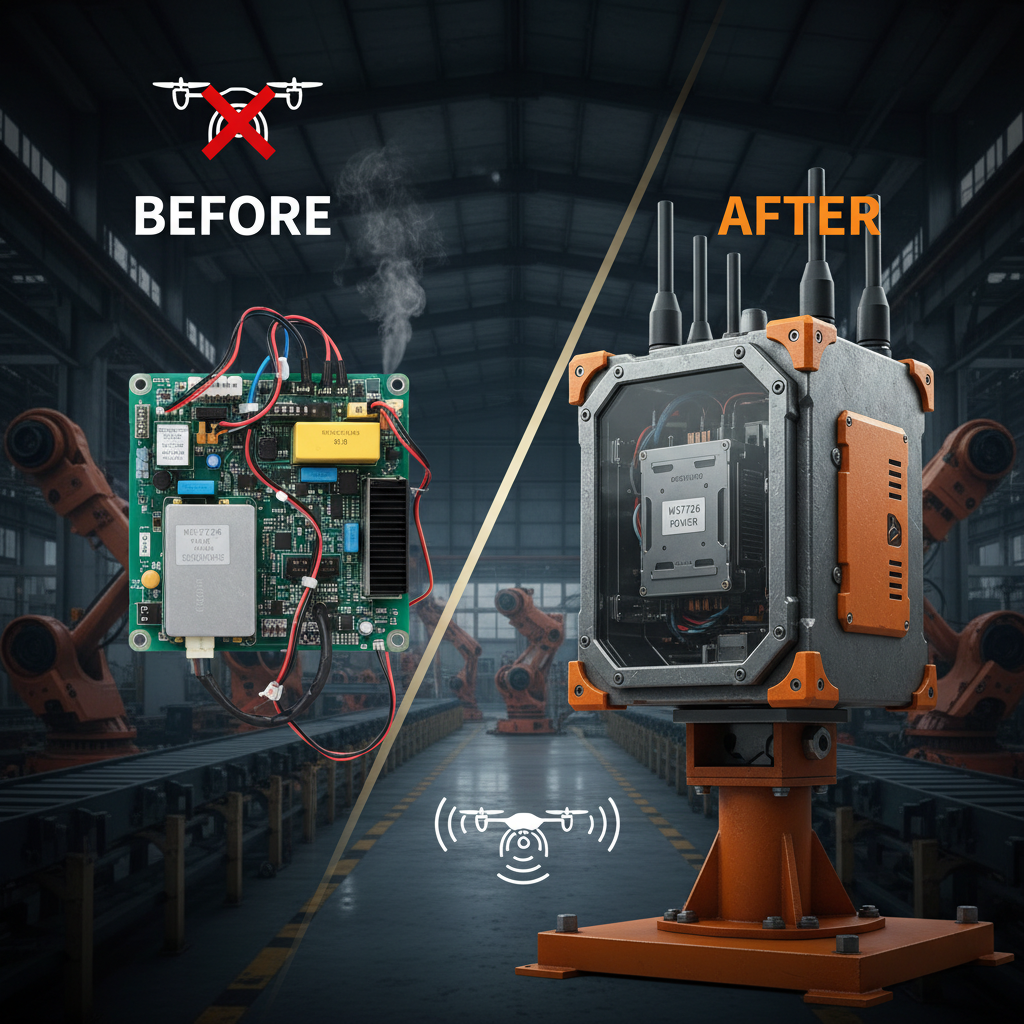
Today’s RF amplifier for sale represents decades of incremental innovation condensed into battlefield-ready packages. Manufacturers now prioritize electromagnetic hardening to withstand adversarial counter-jamming attempts, employing advanced shielding materials that maintain signal purity under duress. These improvements directly translate to enhanced survivability for front-line electronic warfare units.
A notable trend is the civilian-military technology crossover. Commercial radio frequency power amplifier designs initially developed for 5G infrastructure have been adapted to create cost-effective jamming solutions for smaller militaries. Conversely, military-grade encryption protocols now protect civilian satellite internet terminals in conflict zones. This symbiosis accelerates technological advancement while making cutting-edge capabilities accessible through standard RF amplifier for sale channels.
Looking ahead, the integration of AI-driven spectrum management will further elevate amplifier effectiveness. Future systems may automatically identify and prioritize high-value targets – like command networks or missile guidance radars – while ignoring low-priority signals. Such intelligent allocation of broadband high power amplifier resources could decisively tilt electronic battlespaces in favor of operators wielding these advanced tools.
Solid State Power Amplifier FAQs
How do radio frequency power amplifiers enhance home security systems?
Modern home security setups increasingly incorporate RF amplifiers to boost signal integrity for wireless cameras and motion sensors. By ensuring reliable communication between devices, these amplifiers help prevent blind spots in coverage – crucial for detecting intrusions. Some advanced systems even use localized jamming features to block unauthorized drone surveillance near properties.
Can broadband high power amplifiers improve cellular reception in remote areas?
Yes, strategically placed amplifiers can significantly enhance mobile network coverage in rural regions. They work by boosting weak signals from distant cell towers while filtering out interference, making them ideal for emergency communication setups during natural disasters or in mountainous terrain where conventional infrastructure is impractical.
What maintenance do 50W RF amplifiers require for long-term reliability?
These amplifiers are designed for minimal upkeep, featuring sealed units that resist dust and moisture. Periodic inspections of cooling vents and power connectors are generally sufficient. Many modern units include self-diagnostic systems that alert users to potential issues through indicator lights or mobile app notifications.
Are RF amplifiers for sale compatible with existing radio equipment?
Most amplifiers support standard connectors and frequency ranges, allowing seamless integration with legacy systems. However, consulting technical specifications ensures optimal performance. Some vendors offer customization services to match unique voltage or interface requirements.
How do compact RF amplifiers contribute to environmental monitoring?
Field researchers utilize these amplifiers to maintain stable data links between sensor networks and base stations. From tracking wildlife migrations to monitoring air quality, the devices enable real-time data transmission across challenging terrains without requiring permanent infrastructure – a boon for ecological preservation efforts.
Explore our cutting-edge range of electronic warfare solutions at https://www.drone-system.com/, where innovation meets reliability in RF amplification technology.

-
 09 March 2021 16 Apr 2026
 -
 09 March 2021 09 Apr 2026
 -
 09 March 2021 07 Apr 2026
 -
 09 March 2021 04 Apr 2026
 -
 09 March 2021 31 Mar 2026
-
 09 March 2021 21 May 2025
 -
 09 March 2021 25 Dec 2024
 -
 09 March 2021 14 Oct 2022
-
 09 March 2021 25 Dec 2024

 English
  Arabic
  Belarusian
  Danish
  Dutch
Dutch  French
  German
  Greek
Greek  Japanese
  Korean
  Myanmar
  Polish
  Portuguese
  Russian
  Spanish
  Swedish
  Thai
Thai  Ukrainian
  Vietnamese