

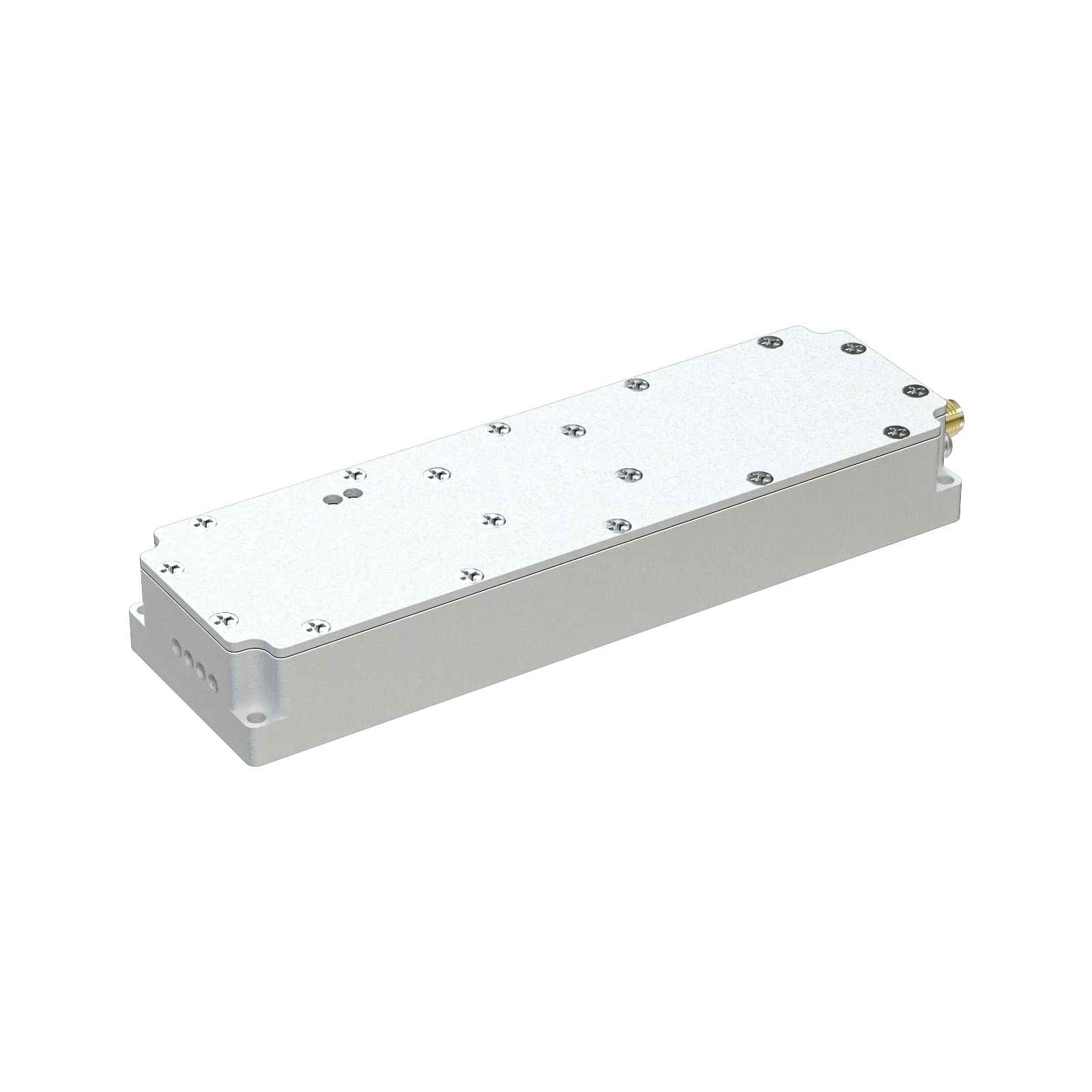
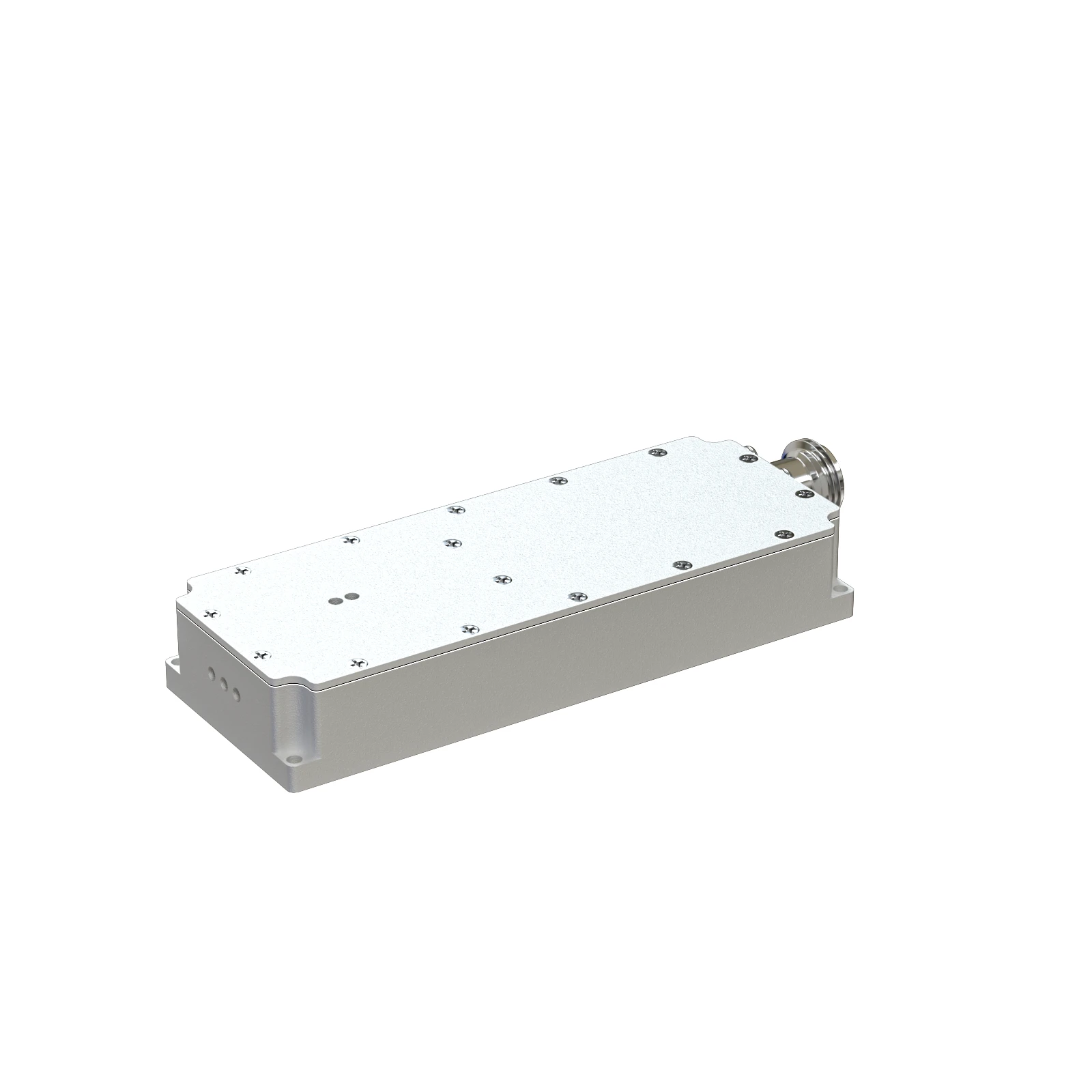
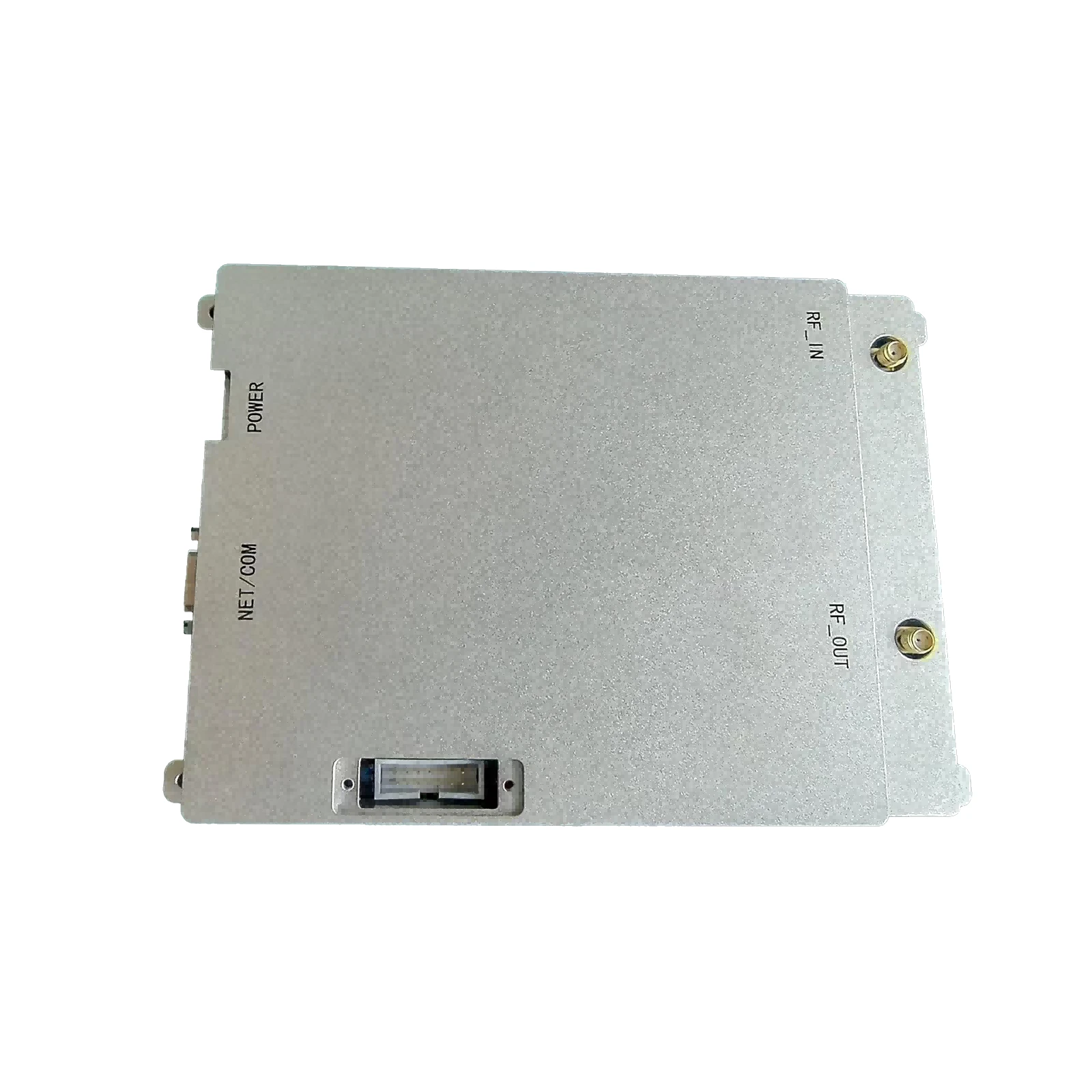
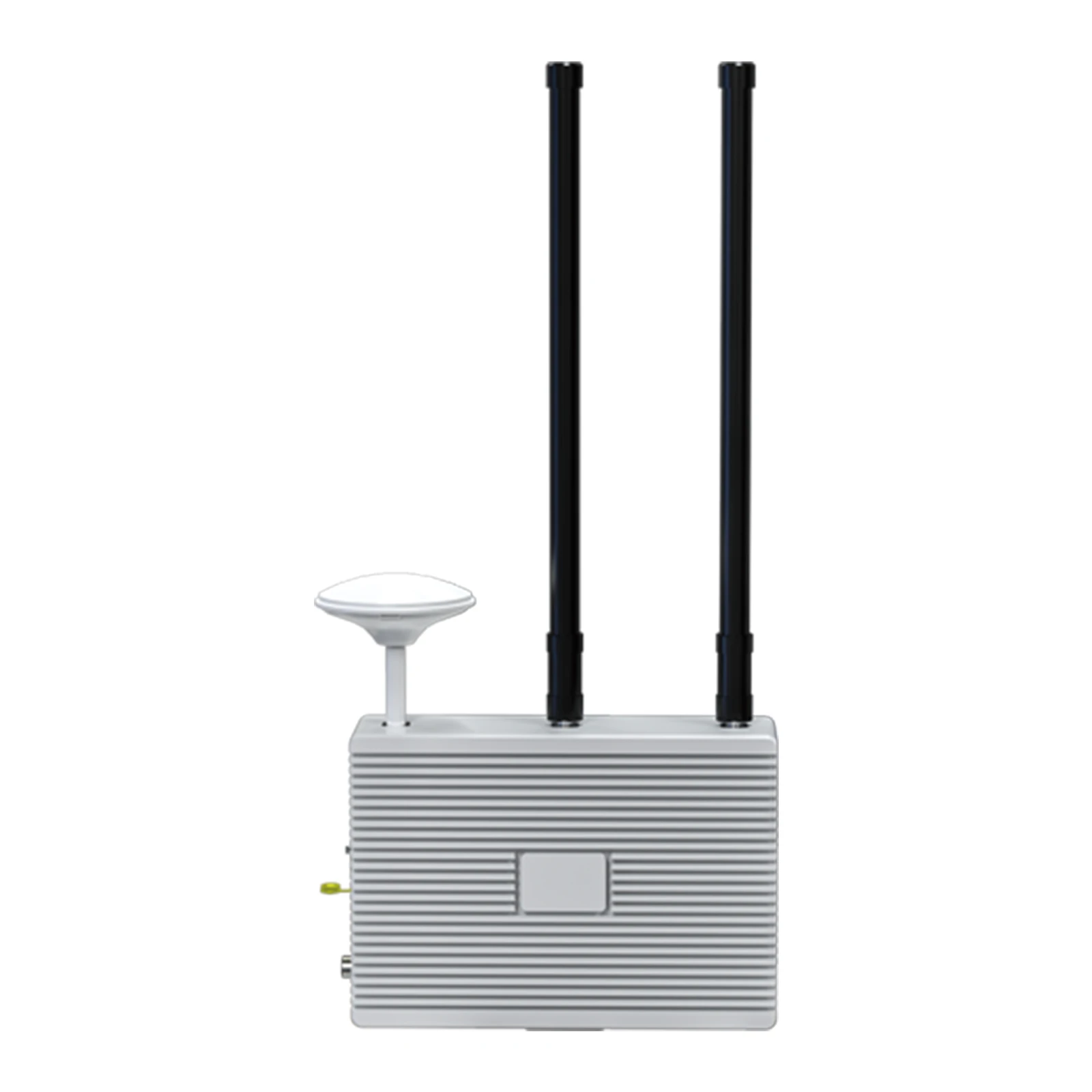
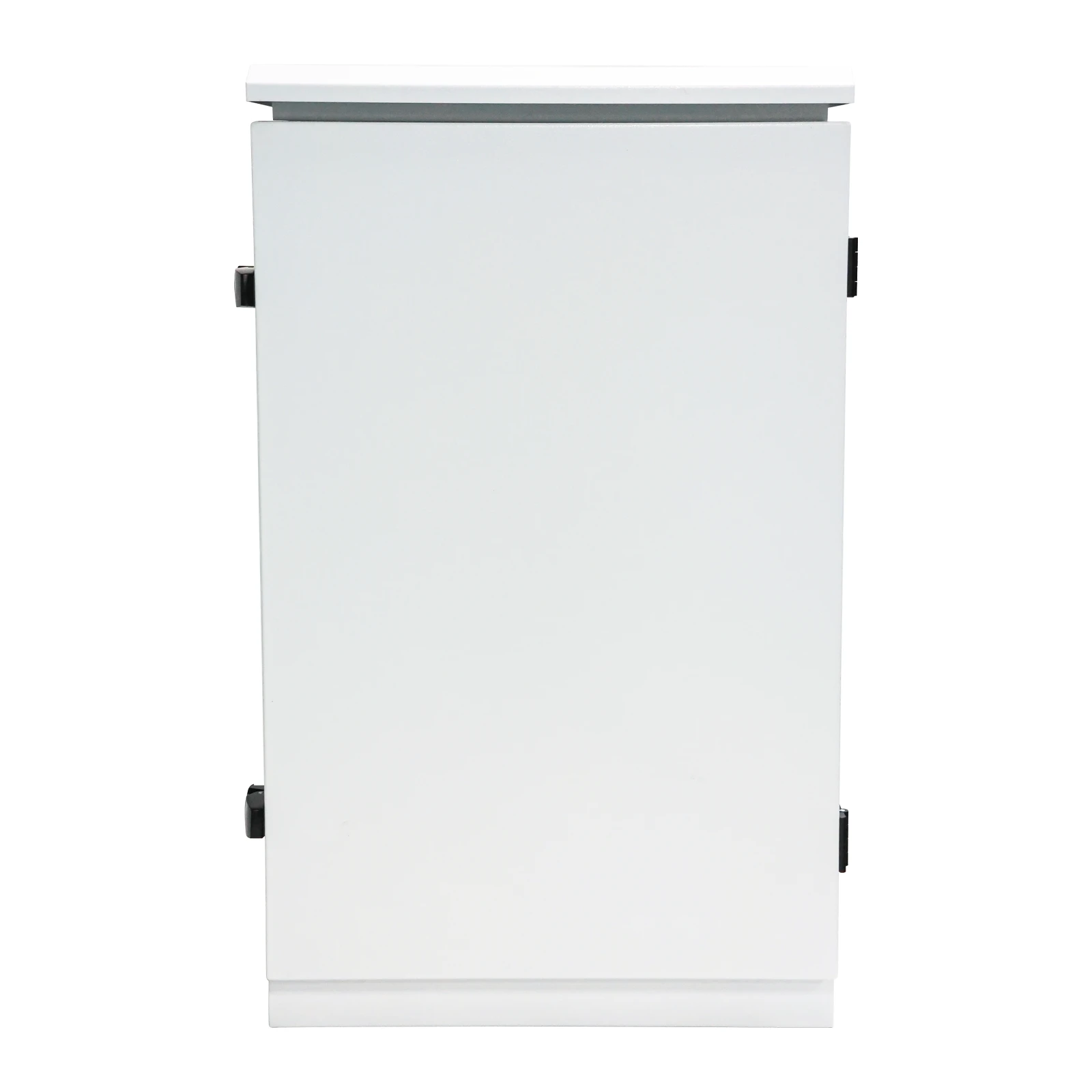
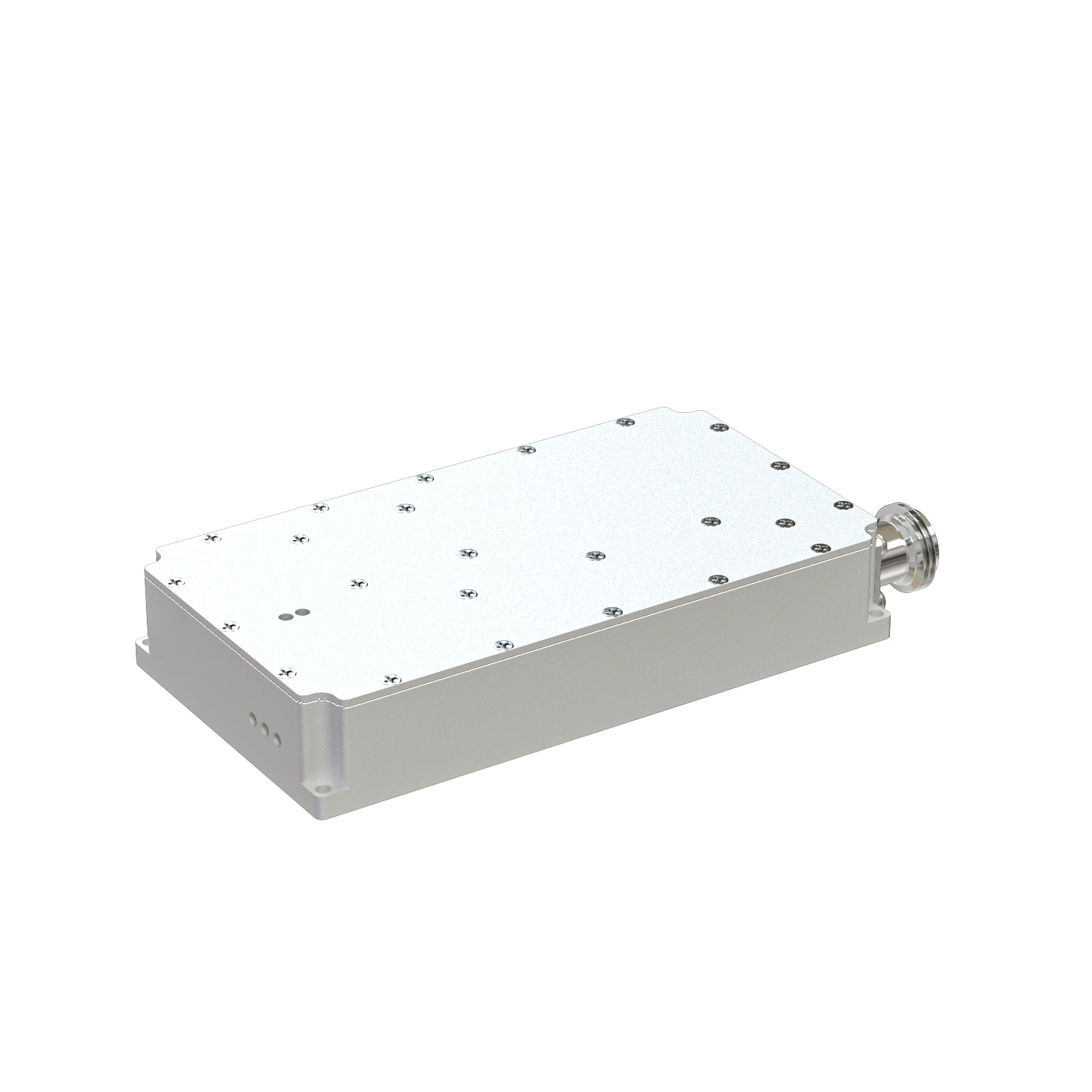
In The Gambia, the wireless communication landscape is characterized by a mix of rapidly expanding urban cellular networks and significant connectivity gaps in rural provinces. The high humidity and saline air from the Atlantic coast pose severe corrosion risks to outdoor electronics, necessitating the use of high-quality oem rf module components with industrial-grade shielding.
Currently, local businesses are shifting from expensive satellite links to localized RF mesh networks to manage irrigation and security. The adoption of a cellular transceiver module has become critical for integrating remote field sensors with the centralized mobile networks available in Serekunda and Banjul.
Despite the growth, there is a rising demand for customized, low-cost connectivity solutions. Local engineers are increasingly turning to diy rf module frameworks to build prototype systems for livestock tracking and environmental monitoring, tailored to the specific frequency regulations of the region.
 English
  Arabic
  Belarusian
  Danish
  Dutch
Dutch  French
  German
  Greek
Greek  Japanese
  Korean
  Myanmar
  Polish
  Portuguese
  Russian
  Spanish
  Swedish
  Thai
Thai  Ukrainian
  Vietnamese