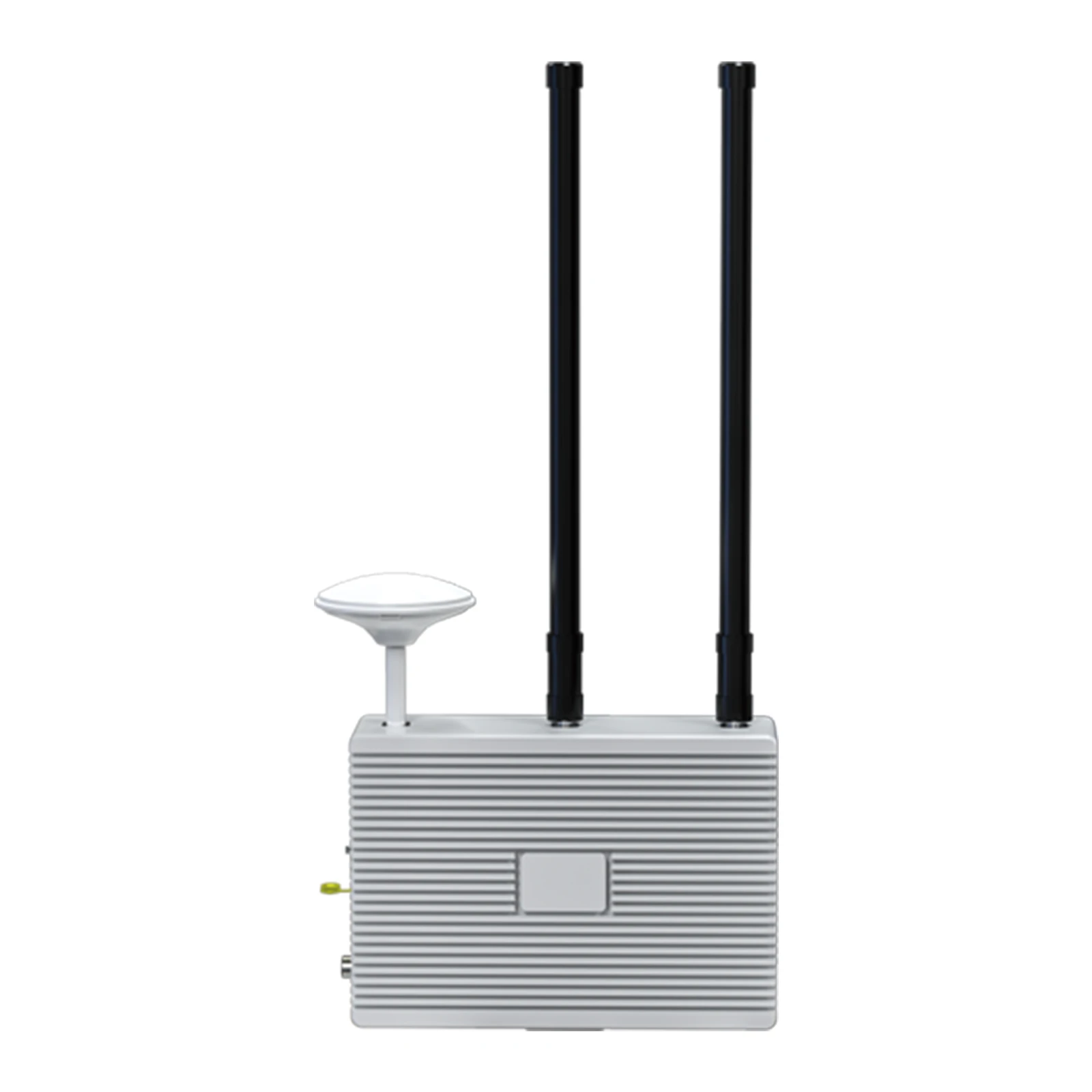
Advanced Wireless Connectivity Solutions with cyrf6936 module for Iraq

Empowering Iraq's industrial infrastructure with high-performance RF transceivers and specialized wireless communication hardware for extreme environments.

Advanced Wireless Connectivity Solutions with cyrf6936 module for Iraq

Providing robust, scalable, and industrial-grade RF modules tailored for the unique communication challenges across Iraq's diverse terrain and climate.

Wireless Communication Landscape in Iraq

Analyzing the deployment of RF technology in the Middle Eastern market.

Iraq's wireless communication sector faces unique challenges due to its extreme temperature fluctuations and vast desert expanses. The demand for a reliable cellular transceiver module has grown as the nation rebuilds its critical infrastructure, requiring hardware that can withstand heat and dust without signal degradation.

In urban centers like Baghdad and Basra, the proliferation of IoT and smart city initiatives has increased the need for specialized oem rf module integration. Industrial sites, particularly in the oil and gas sector, require low-latency and high-penetration signals to ensure operational safety and data integrity.

Furthermore, there is a rising trend among local engineering firms to utilize a diy rf module for rapid prototyping of security systems. This movement toward localized hardware adaptation is driving the need for flexible, programmable components that comply with regional frequency regulations.
Evolution of RF Technology in Iraq

From analog systems to intelligent digital transceivers.

Market Development History

During the early 2000s, wireless communication in Iraq relied heavily on legacy analog systems and basic VHF/UHF radios. These systems were prone to interference and lacked the encryption necessary for secure industrial operations.

By 2010-2015, the transition toward digital modulation began. The introduction of the cc1120 module allowed for more stable, low-power data transmission, enabling the first wave of wireless sensor networks in the energy sector.

From 2018 to the present, the focus has shifted toward high-integration and energy-efficient modules. The adoption of advanced SPI-based transceivers has reduced the footprint of hardware while increasing the range and reliability of long-distance telemetry.

Future Development Trends

AI-Driven Signal Optimization

Integration of machine learning algorithms within RF firmware to automatically adjust modulation based on the high electromagnetic interference found in industrial zones.

Ultra-Low Power Wide-Area Networks

A surge in demand for modules that can operate for years on a single battery, essential for remote pipeline monitoring in the Iraqi desert.

Cognitive Radio Integration

Shift toward modules capable of dynamic spectrum access to avoid congestion in increasingly crowded urban wireless environments.

Future Outlook for Wireless Manufacturing

Strategic directions for the next 3-5 years of RF innovation.

Hardware Ruggedization
Developing RF components with IP67 ratings to survive Iraq's sandstorms and extreme humidity levels.
Spectrum Efficiency
Moving toward narrower bandwidths and higher modulation orders to increase data throughput in congested areas.
Edge Computing Integration
Processing RF data at the source to reduce latency for critical Iraqi infrastructure monitoring.
Enhanced Security Protocols
Implementing AES-256 encryption at the module level to prevent eavesdropping in sensitive zones.

Industry Outlook

Based on global search trends and regional industrial growth, Iraq is expected to see a 15% CAGR in the adoption of specialized wireless modules. The shift from general-purpose to domain-specific hardware will accelerate.

The convergence of cellular and sub-GHz RF technologies will provide a hybrid connectivity layer, ensuring that even the most remote areas of the region remain connected to centralized management systems.

Local Application Scenarios in Iraq

Real-world deployment cases for high-performance wireless modules.

01. Oil Pipeline Remote Monitoring

Using low-power RF modules to transmit pressure and leak detection data across thousands of kilometers of desert pipelines without relying on expensive wired infrastructure.

02. Smart Agriculture in the Mesopotamian Marshes

Deployment of wireless sensor networks to monitor soil salinity and water levels, optimizing irrigation patterns for local farmers.

03. Industrial Security for Basra Port

Implementation of high-reliability transceivers for perimeter intrusion detection and automated gate control systems in high-traffic logistics hubs.

04. Emergency Communication for Disaster Relief

Deploying rapid-setup RF nodes for coordinated rescue efforts in areas where the cellular grid has been compromised.

05. Urban Utility Metering in Baghdad

Automatic Meter Reading (AMR) systems using specialized transceivers to collect water and electricity usage data wirelessly, reducing manual labor.

Brand Story

Global Development Journey of Shenzhen Jiaming Communication Co., Ltd.

Foundational Innovation

Established with a vision to bridge the gap between complex RF theory and practical industrial application, focusing on stable transceiver architectures.

Technological Breakthrough

Developed proprietary optimization algorithms for sub-GHz modules, significantly improving range and power efficiency for global clients.

Global Market Expansion

Extended operations into the Middle East and Asia, tailoring hardware to survive extreme climatic conditions in regions like Iraq.

OEM Leadership

Became a trusted partner for world-leading enterprises, providing customized RF solutions that meet stringent international certifications.

The Future Vision

Continuing to drive the evolution of "Smart Connectivity" by integrating AI and ultra-low-power technologies into every module we produce.

Complete RF Product Portfolio for Iraq

A comprehensive range of wireless modules designed for reliability and performance.

Iraq Wireless Module FAQ

Technical answers for common implementation questions in the region.

How does the cc1120 module perform in high-temperature environments?

Our modules are tested for industrial temperature ranges. For Iraq's peak summer, we recommend using specialized thermal pads or ventilated enclosures to ensure frequency stability.

Can I use a cellular transceiver module for remote desert telemetry?

Yes, provided there is basic network coverage. For areas without cellular signal, we suggest a hybrid approach combining cellular with long-range sub-GHz RF modules.

What is the best way to integrate an oem rf module into existing Iraqi industrial PLC systems?

Most of our OEM modules support standard SPI or UART interfaces, making them compatible with most modern PLCs via a simple microcontroller bridge.

Is the cyrf6936 module suitable for secure military-grade applications?

While highly versatile, for military-grade security, we recommend implementing additional hardware-level encryption layers on top of the module's native capabilities.

Can a diy rf module be scaled for commercial production in the Middle East?

Absolutely. We provide a seamless transition path from DIY prototyping to professional OEM manufacturing to ensure your product meets all quality standards.

What frequency bands are recommended for wireless transmission in Iraq?

We recommend using the 433MHz or 868/915MHz bands depending on local regulatory approval, as these offer the best balance between range and penetration.

Get Expert RF Consultation

Ready to optimize your wireless infrastructure in Iraq? Our engineers are here to help you select the perfect module for your specific environment.

Contact Us Now

If you are interested in our products, you can choose to leave your information here, and we will be in touch with you shortly.


en_USEnglish