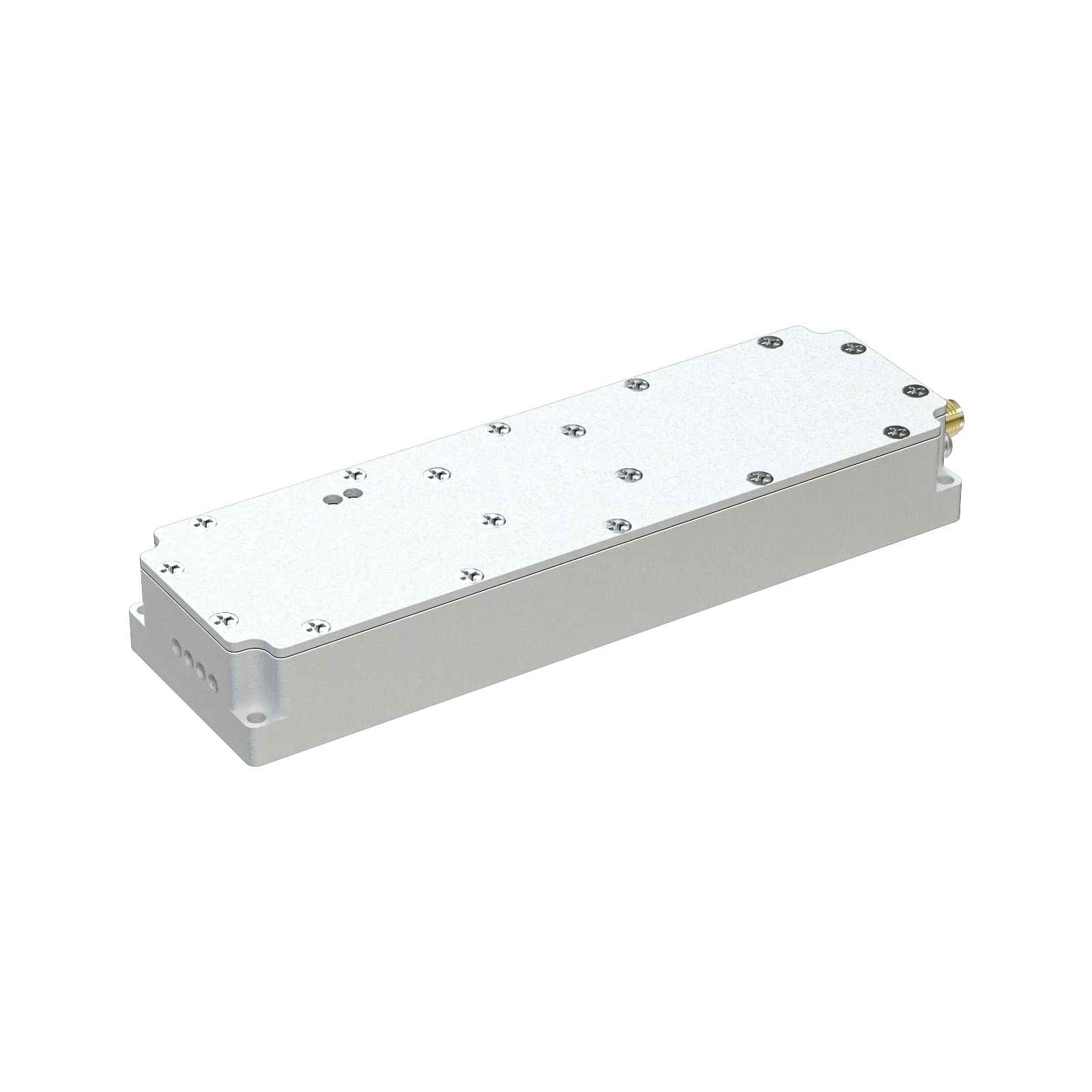
Advanced Wireless Connectivity Solutions with cyrf6936 module in Algeria

Empowering Algeria's industrial automation and remote monitoring with high-performance RF transceivers and custom wireless modules.

Advanced Wireless Connectivity Solutions with cyrf6936 module in Algeria

Providing robust, scalable, and energy-efficient wireless transmission hardware tailored for the challenging environmental and industrial landscapes of Algeria.

Wireless Infrastructure Landscape in Algeria

Analyzing the current state of RF technology deployment across Northern Africa.

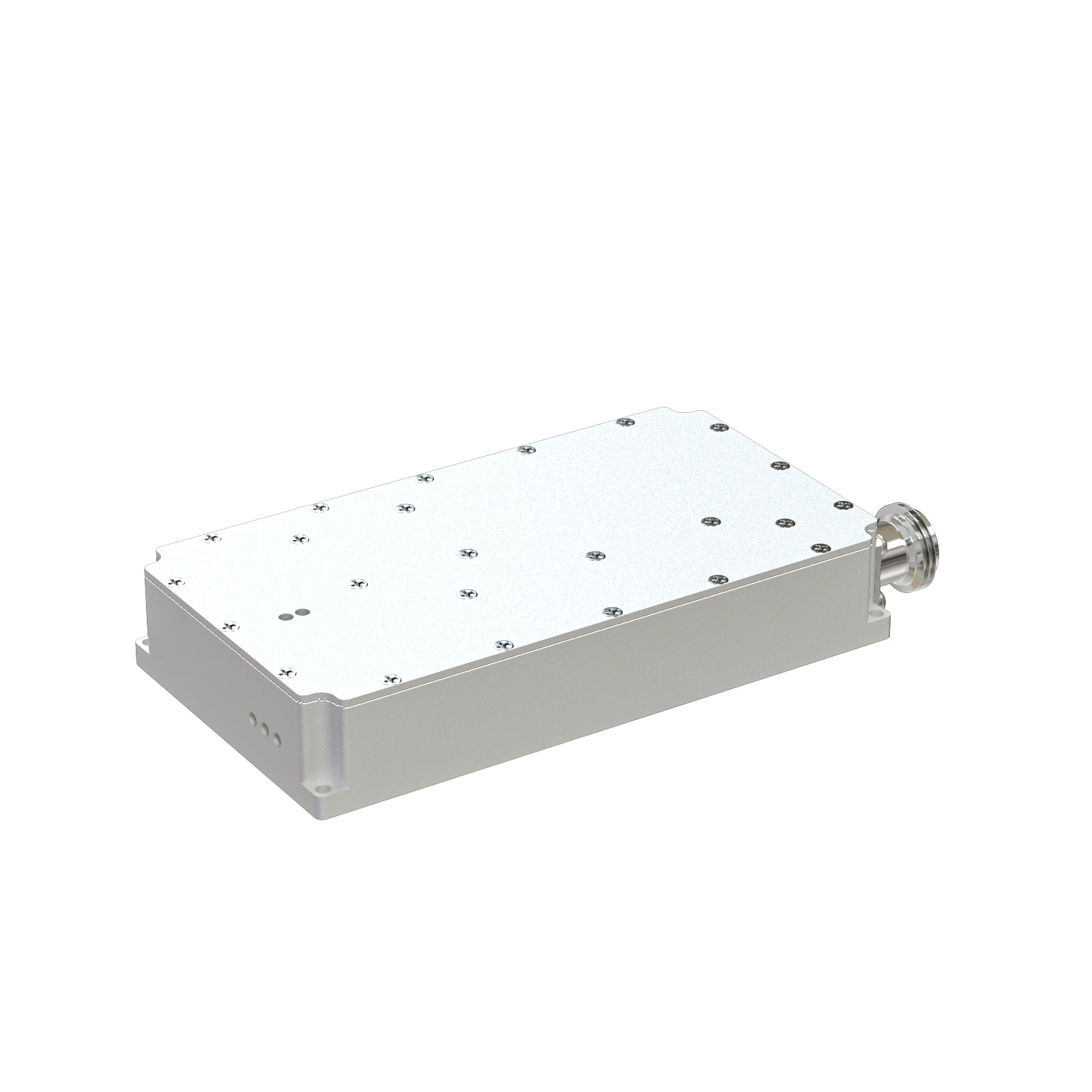
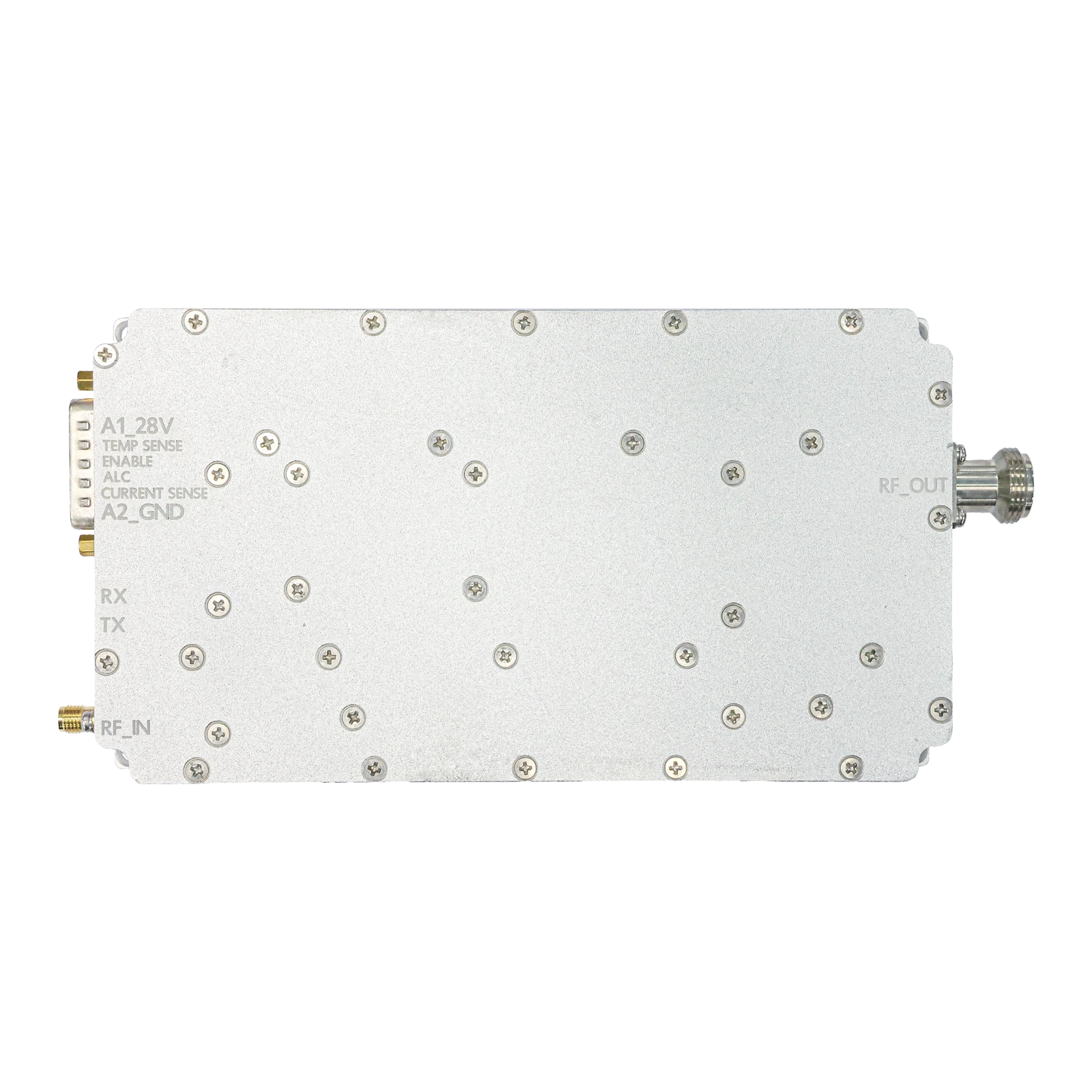
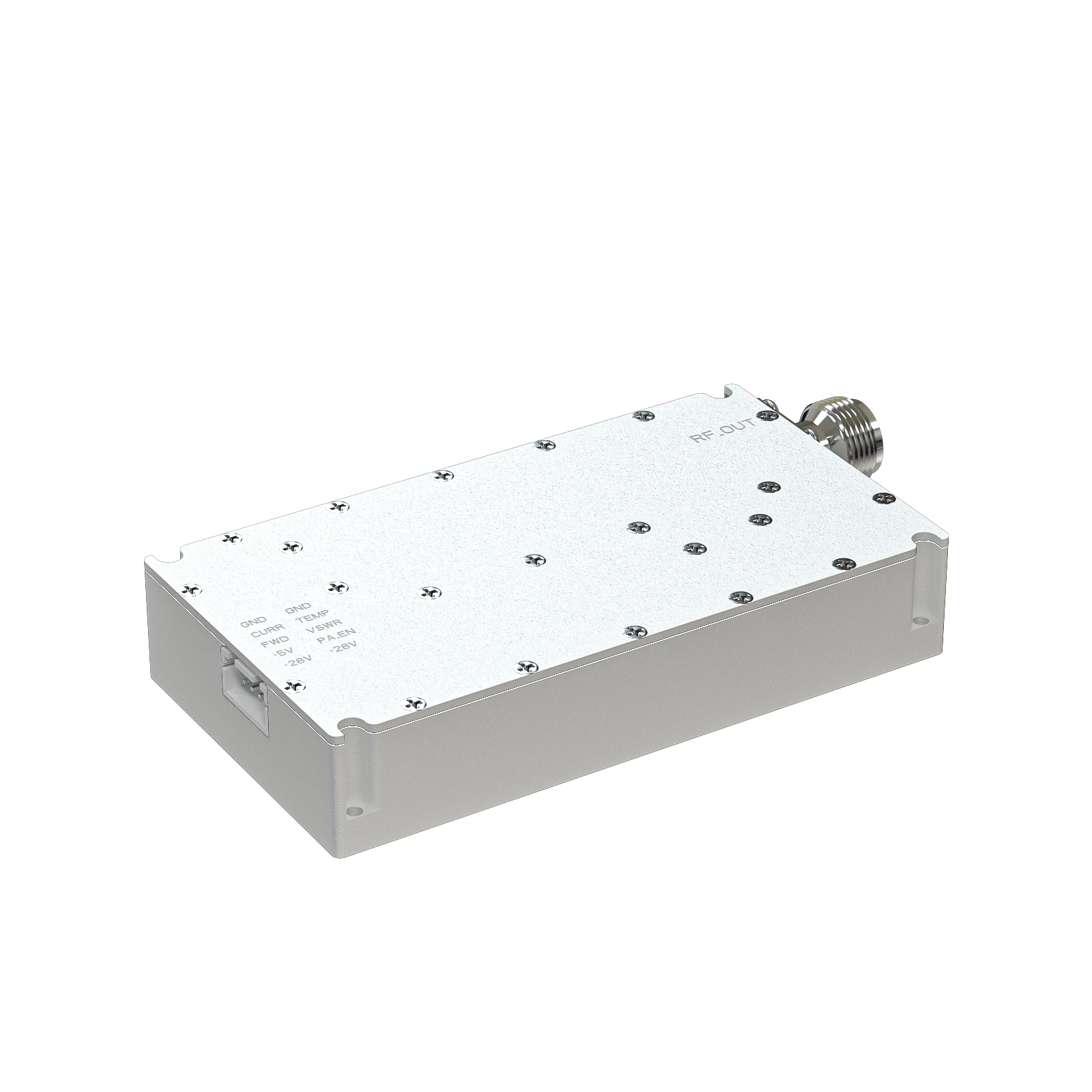
Algeria's vast geographical expanse, characterized by the harsh Sahara Desert and dense urban centers like Algiers, creates a unique demand for long-range, low-power communication. The reliance on a cellular transceiver module has become critical for connecting remote oil and gas installations with central management hubs.

Environmental extremes, including high temperatures and sand interference, necessitate the use of ruggedized oem rf module designs. Local industries are increasingly shifting away from generic solutions toward specialized hardware that can withstand thermal cycling and signal attenuation in arid regions.

There is a growing trend among Algerian engineers and technical universities toward rapid prototyping. The adoption of the diy rf module ecosystem allows for localized innovation in smart agriculture and urban utility management, reducing dependence on expensive imported turnkey systems.
Evolution of Wireless Transmission in Algeria

From analog relays to sophisticated digital RF ecosystems.

Market Development History

In the early 2000s, wireless communication in Algeria relied heavily on basic analog VHF/UHF systems for industrial telemetry. These systems lacked encryption and were prone to interference, limiting their use to simple point-to-point transmissions.

Between 2010 and 2018, the market transitioned toward digital modulation. The introduction of the cc1120 module provided a leap in flexibility, allowing operators to implement sub-GHz communication for better penetration through the rugged Atlas Mountains terrain.

From 2019 to the present, there has been a surge in IoT integration. The focus has shifted toward low-power wide-area networks (LPWAN) and high-integration modules that combine sensing and transmission in a single footprint for smarter city infrastructure.

Future Development Trends

AI-Driven Frequency Hopping

Future deployments will likely integrate machine learning to automatically optimize frequency channels, mitigating the impact of atmospheric noise in desert regions.

Ultra-Low Power Harvesting

A shift toward energy-harvesting RF modules that can operate for decades without battery replacement, essential for remote Algerian border security sensors.

Hybrid Cellular-RF Meshes

Integrating short-range RF clusters with long-range cellular backhauls to create a redundant communication fabric for critical infrastructure.

Industry Outlook and Future Prospects

Strategic technical directions for the next 3-5 years in Algeria.

Industrial IoT Scale-up
Expansion of wireless sensor networks in the Hassi Messaoud oil fields for real-time leak detection.
Edge Computing Integration
Moving data processing to the wireless module level to reduce bandwidth usage on costly satellite links.
Smart Agritech Adoption
Using RF mesh networks for automated irrigation control in the Mitidja Plain.
Enhanced Signal Security
Implementation of AES-256 encryption within RF modules to protect national infrastructure data.

Industry Outlook

Google search trends for "IoT Algeria" and "Wireless Sensor Networks Africa" indicate a sharp rise in demand for localized, energy-efficient hardware. The industry is moving toward a model where hardware is not just a component but a managed service incorporating cloud integration.

We expect a 40% increase in the deployment of sub-GHz modules over the next three years as Algerian enterprises seek to reduce operational costs and increase the reliability of their remote asset monitoring systems.

Localized Application Scenarios in Algeria

Practical implementation of RF technology in regional contexts.

1. Sahara Remote Pipeline Monitoring

Deploying high-power RF nodes to monitor pipeline pressure and flow rates across thousands of kilometers of desert, ensuring rapid response to leakages.

2. Smart Irrigation in Northern Plains

Using low-power wireless modules to automate drip irrigation systems, optimizing water usage in the face of increasing drought conditions.

3. Urban Traffic Management in Algiers

Implementing sensor networks to monitor traffic density and synchronize signal timings in the capital city to reduce congestion.

4. Livestock Tracking in Steppe Regions

Integrating long-range RF tags to track livestock movement and health across semi-arid grazing lands.

5. Industrial Warehouse Automation

Utilizing localized RF meshes for automated guided vehicles (AGVs) in logistics hubs near the Port of Algiers.

Brand Story

Global Development Journey of Shenzhen Jiajin Communication Co., Ltd.

Foundation and Vision

Established with the goal of bridging the gap between complex RF theory and practical industrial application, focusing on reliable wireless modules.

Technical Breakthroughs

Achieved industry-leading stability in sub-GHz transmission, solving the pain point of signal dropouts in high-interference environments.

Global Market Expansion

Expanded our footprint into North Africa and the Middle East, tailoring products to withstand extreme temperatures and humidity.

Eco-System Development

Launched comprehensive OEM and DIY support programs, empowering engineers worldwide to build custom wireless solutions.

Sustainable Future

Committing to Green-RF technology, reducing the carbon footprint of wireless infrastructure through ultra-low power consumption designs.

Regional Technical FAQ - Algeria

Expert answers to common wireless deployment challenges.

How does the cc1120 module perform in high-temperature desert environments?

Our modules are tested for industrial temperature ranges, ensuring frequency stability and performance even in the extreme heat of the Algerian Sahara.

Can I use a cellular transceiver module for remote oil field backhaul?

Yes, our cellular modules are designed to integrate with local Algerian networks to provide reliable long-distance data transmission from remote sites.

Is the cyrf6936 module suitable for low-power agricultural sensors?

Absolutely. Its ultra-low sleep current makes it ideal for battery-operated irrigation sensors deployed across large agricultural tracts.

What is the difference between a diy rf module and an oem rf module for industrial use?

DIY modules are for prototyping and development, while OEM modules are factory-certified, shielded, and optimized for mass production and harsh environments.

Do these RF modules comply with Algerian telecommunications regulations?

Our modules support configurable frequency bands, allowing you to align the device with the specific legal frequency allocations in Algeria.

How to reduce signal interference in dense urban areas like Algiers?

We recommend using modules with advanced filtering and implementing a frequency-hopping spread spectrum (FHSS) strategy to avoid congestion.

Get Expert Wireless Consultation

Connect with our technical team to optimize your wireless infrastructure in Algeria.

Contact Us Now

If you are interested in our products, you can choose to leave your information here, and we will be in touch with you shortly.


en_USEnglish